Boat Database » AB Inflatables Oceanus 15 VST
AB Inflatables Oceanus 15 VST
Outboard four-stroke, Unleaded, 1x 75 HP
Power Boats 2006 AB Inflatables Oceanus 15 VST: What Owners Should Know Before Buying, Using, or Restoring One
If you’ve been looking at a 2006 AB Inflatables Oceanus 15 VST, you’re probably already familiar with the appeal of a compact rigi...
Discover

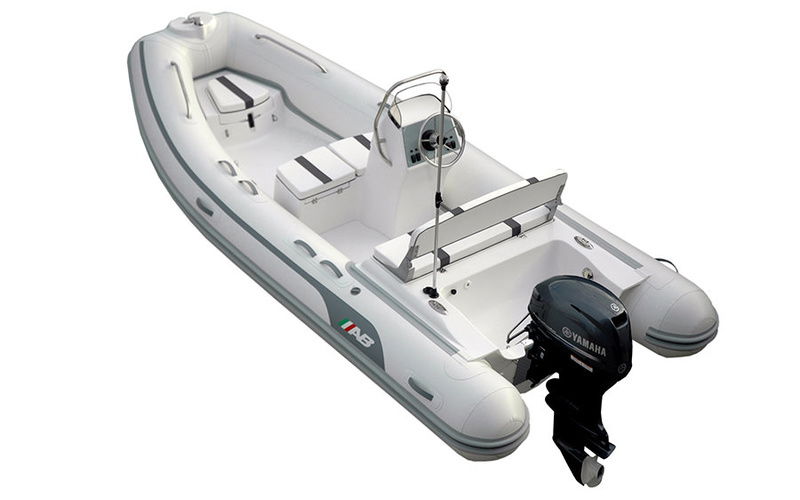
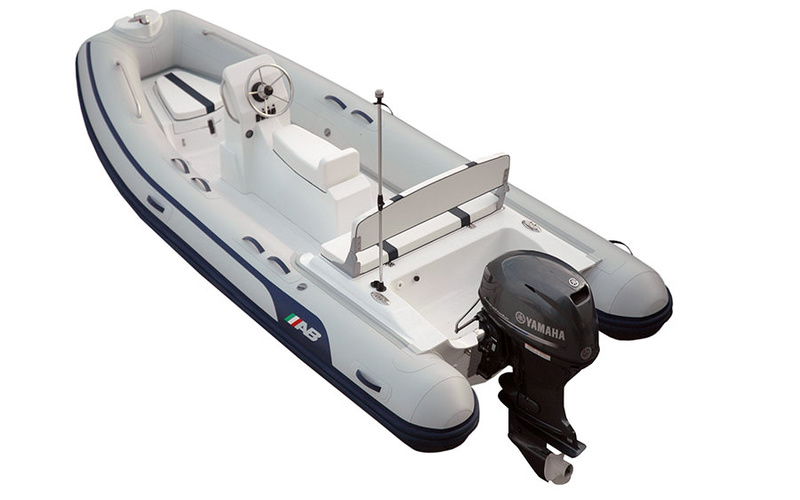
Images have been gathered from various sources and belong to their respective owners.
Latest Market Trends (Latest Available Year Model)
Price: $24,995
Review - AB Inflatables Oceanus 15 VST

MarineBroker
01/13/2024, 10:19 AM
2006 AB Inflatables Oceanus 15 VST: What Owners Should Know Before Buying, Using, or Restoring One
If you’ve been looking at a 2006 AB Inflatables Oceanus 15 VST, you’re probably already familiar with the appeal of a compact rigid inflatable boat: easy handling, lightweight construction, and enough versatility to serve as a tender, day boat, or small coastal runabout. But like any older boat, the real question isn’t just “Is it a good model?” It’s “What should I watch out for now that it’s nearly two decades old?”
That’s where many buyers and owners run into trouble. A boat like this can still be a great performer, but age brings a few predictable issues: tube wear, transom stress, engine compatibility questions, fuel system fatigue, and the usual maintenance surprises that come with a used vessel. If you’re shopping for one, maintaining one, or trying to decide whether it’s worth keeping, the challenge is separating normal aging from expensive problems.
The good news is that most of the common concerns are manageable if you know what to inspect and what upgrades matter most. With the right approach, the 2006 AB Inflatables Oceanus 15 VST can still be a practical, enjoyable boat for the right owner.
- What Makes the 2006 AB Inflatables Oceanus 15 VST Worth Considering?
The Oceanus line from AB Inflatables has long been known for combining practical layout with solid construction. The 15 VST is a small-to-mid-size RIB that fits a sweet spot for owners who want something more capable than a basic tender, but not as demanding as a larger center console or hard-hull boat.
What makes this model appealing is its balance. It’s compact enough to trailer, launch, or davit-lift in many situations, yet large enough to handle short coastal trips, harbor cruising, and family outings. For people who value simplicity and efficiency, that’s a strong combination.
A boat like this is often attractive to:
- Newer boaters wanting something manageable
- Yacht owners needing a capable tender
- Families looking for a lightweight runabout
- Budget-conscious buyers shopping the used market
The key is understanding that older RIBs offer excellent value only when the tubes, hull, and mechanical systems are still in good shape.
- The Main Problem With Older RIBs Like the Oceanus 15 VST
The biggest issue with a 2006 boat is not the model itself. It’s age-related wear and the possibility that prior maintenance was inconsistent.
With inflatable boats, the most common problems usually show up in a few areas:
- Tube aging and seam fatigue
- UV damage from sun exposure
- Hull wear from beaching or dock contact
- Transom weakness or flex
- Corroded hardware and fittings
- Engine issues if the outboard has not been serviced regularly
Many buyers focus on appearance first, but a clean-looking RIB can still have hidden problems. A tube might hold air today but lose pressure over a day or two. A transom may feel solid at the dock but flex under power. An outboard may start easily while still needing expensive work soon.
That’s why the real problem is not “Is the boat pretty?” It’s “Has it been maintained well enough to remain safe and dependable?”
- How to Inspect a 2006 AB Inflatables Oceanus 15 VST the Smart Way
If you’re evaluating this boat, start with the structure. A careful inspection can save you from buying a boat that looks affordable but becomes costly fast.
Here’s a practical checklist:
1. Check the tubes
Look for:
- Cracks in the fabric
- Fading or chalking from UV exposure
- Soft spots or delamination
- Leaks around seams, valves, or patches
- Evidence of repeated repairs
Inflatable tubes naturally age, but major seam failure or widespread brittleness is a warning sign. Small repairs are normal; extensive patching is not ideal unless the price reflects it.
2. Inspect the hull and deck
The hull should feel solid, not spongy or noisy underfoot. If the deck flexes unusually, there may be water intrusion or structural deterioration.
Pay attention to:
- Stress cracks
- Hull blistering
- Damage from beaching or trailering
- Loose hardware
- Water in sealed compartments
3. Examine the transom
The transom is one of the most important parts of any RIB. It supports the engine, so weakness here can quickly become a safety issue.
Check for:
- Movement when the motor is tilted or pushed
- Softness in the wood or composite core
- Separation around mounting bolts
- Corrosion at fasteners
A solid transom should feel rigid. Any flex is worth investigating immediately.
4. Review the outboard condition
The engine matters just as much as the boat. A well-kept hull with a tired motor still leaves you with a problem.
Look for:
- Easy starting
- Smooth idle
- Strong water pump flow
- Clean shifting
- Even compression if possible
- Service records
If the engine has unknown hours or no maintenance history, assume you may need to budget for service soon.
- Common Age-Related Issues on the 2006 AB Inflatables Oceanus 15 VST
Older inflatable boats tend to follow predictable wear patterns. Knowing these helps you avoid surprises.
Tube deterioration
Sun, salt, and time are rough on inflatable materials. Even high-quality tubes can develop surface degradation after years of exposure. If the boat was stored outside, this risk goes up.
Valve problems
Valves often become less reliable over time. They may leak slowly, stick, or fail to seal properly. This is usually fixable, but it’s a clue that the boat may need broader attention.
Electrical corrosion
If the boat has navigation lights, a bilge pump, or other electrical accessories, corrosion can creep into connectors and switches. In saltwater use, this is especially common.
Hardware fatigue
Stainless fittings are good, but not immune to corrosion. Bolts, cleats, lifting eyes, and rail hardware should all be checked for rust, looseness, or seal failure.
Fuel system aging
If the outboard uses an external fuel tank, inspect the hose, primer bulb, connectors, and tank condition. Old fuel lines can crack internally even if they look fine outside.
- Why the 2006 AB Inflatables Oceanus 15 VST Still Makes Sense for the Right Buyer
Despite the age-related concerns, this boat can still be a smart purchase. The reason is simple: smaller RIBs often age better than larger, more complex boats when they’ve been cared for properly.
A boat like this is often easier and cheaper to maintain because:
- It has fewer systems than a larger vessel
- It’s lighter and easier to handle
- Parts and service for common outboards are widely available
- The hull design is usually straightforward
- Storage and transport are simpler
For someone who wants a practical boat without a huge ownership burden, that matters.
The Oceanus 15 VST is especially appealing if your boating style is:
- Short trips
- Calm to moderate water
- Tenders and shore runs
- Easy launching and retrieval
- Low-friction ownership
In other words, it’s not about luxury. It’s about usability.
- How to Solve the Most Common Problems Before They Get Expensive
The best solution for owning or buying a used RIB is prevention. Most issues become much more expensive when ignored.
Here’s what helps the most:
Store it out of the sun
UV exposure is one of the biggest tube killers. A cover, garage, or indoor storage setup can dramatically extend the life of the boat.
Keep the tubes properly inflated
Underinflation can stress seams and make the boat handle poorly. Overinflation in heat can also cause damage. Check pressure regularly, especially after temperature swings.
Rinse after saltwater use
Salt accelerates corrosion and wears down fittings, fasteners, and engine components. A fresh-water rinse after each outing goes a long way.
Service the outboard on schedule
Don’t wait for a problem. Regular oil changes, impeller checks, fuel filter replacement, and lower unit inspection keep the engine dependable.
Inspect the transom and hardware yearly
A quick inspection each season can catch looseness, water intrusion, or corrosion before it becomes structural damage.
Use quality repairs
If the tubes need patching, use proper materials and techniques. A rushed repair can fail quickly and create more work later.
- What to Budget for if You’re Buying One Used
One of the most useful things a buyer can do is set a realistic budget beyond the purchase price. Older boats often seem affordable until the first round of repairs arrives.
Possible costs may include:
- Tube repair or valve replacement
- Engine service or rebuild work
- New fuel lines and connectors
- Battery replacement
- Trailer maintenance
- New safety gear
- Cover or storage expenses
A smart rule is to leave room in your budget for at least basic recommissioning. Even a boat that looks ready to go may need a few hundred to a few thousand dollars in catch-up maintenance depending on condition.
If the asking price is low but the boat has no records, assume you’ll be doing the work yourself or paying someone to bring it back to standard.
- When the Oceanus 15 VST Is a Good Deal and When It Isn’t
This is where a lot of buyers make the wrong call. A used RIB can be a bargain, but only if the condition matches the price.
It may be a good deal if:
- Tubes hold pressure well
- Hull and transom are solid
- Engine has documented service
- Hardware is clean and tight
- The boat was stored properly
It may not be worth it if:
- The tubes are brittle or heavily patched
- The transom flexes
- The engine history is unknown
- There are signs of water intrusion
- The boat has sat unused for years outdoors
The boat’s value depends heavily on condition, not just model name or year.
- Practical Ownership Tips for Better Performance
If you already own a 2006 AB Inflatables Oceanus 15 VST, a few habits can make a big difference in long-term reliability.
Keep the load reasonable
Small RIBs perform best when not overloaded. Extra gear, passengers, and fuel can affect trim and handling.
Watch weight distribution
Place heavy items low and centered when possible. That helps the boat stay balanced and plane more efficiently.
Check tube pressure before every outing
Pressure changes with temperature and use. A quick check can prevent poor handling and avoid unnecessary stress on the seams.
Use the right propeller
If the boat feels sluggish or over-revs, the prop may not be matched well to the engine and load. Prop selection can improve performance more than many owners realize.
Don’t ignore small leaks
A slow leak is often an early warning sign. Fixing it early is much easier than waiting until the issue spreads.
- Who the 2006 AB Inflatables Oceanus 15 VST Is Best For
This boat is a strong fit for people who want a manageable, versatile inflatable with real utility. It’s not the best choice for someone expecting a brand-new feel or zero-maintenance experience.
It works best for:
- Experienced owners who understand used boat inspection
- Boaters comfortable with routine maintenance
- Buyers looking for a compact and practical RIB
- People who value function over flash
If you want a straightforward boat that can still provide a lot of use for the money, this model can make sense. If you want something turnkey with modern electronics and minimal upkeep, a newer boat may be a better match.
- Final Thoughts Before You Decide
The 2006 AB Inflatables Oceanus 15 VST can still be a very capable small RIB, but like any older boat, its value depends on condition, maintenance, and realistic expectations. The most common problems usually come from age, sun exposure, neglected engines, and worn hardware, not from the concept of the boat itself.
If you inspect it carefully, budget for a little maintenance, and focus on the tube, transom, and engine condition, you can avoid the biggest headaches. For the right buyer, that’s the real solution: not just finding a boat, but choosing one that has been cared for well enough to keep delivering reliable use.
If you’re considering one, take your time, ask for service records, and evaluate it like a boat that may need a little work. That approach will help you make a smarter, more confident decision.
Specifications
General
Boat Type: Power Boats
Class Type: Rigid Inflatable Boats
Specifications
Length: 14.99
Beam: 6.53
Draft: 1.67
Hull Material: GRP
Build
First Built: 2006
Propulsion
Fuel Type: Unleaded
Engines: 1
Power: 75 HP
Brand: Unknown
Accomodation
PROS & CONS
What we appreciated
 Durable Hypalon tubes offering excellent resistance to UV and abrasionSpacious design with a stable V-shaped hull for smooth ridesLightweight and easy to tow and launchAmple storage compartments for gear and equipmentSuitable for both leisure cruising and fishing activities
What we didn’t appreciate
 Limited engine power options may restrict top speedOlder model, so some parts may be harder to findBasic interior fittings compared to modern RIBsSmaller size limits passenger capacityMay require frequent maintenance of inflatable tubes to prevent leaks
Upkeep Costs
Fuel: Approximately $500 - $1,000 per year depending on usage
Maintenance: Around $300 - $600 per year (engine servicing, hull checks, etc.)
Insurance: Approximately $200 - $500 per year
Storage: $300 - $1,000 per year depending on location and type (marina, dry storage)
Registration and Licensing: $50 - $150 per year depending on local regulations
Rating
4.8
User
Score
Score
Driveability
Technology
Interior
Design
Similar Boats


MarineBroker
Download now for an immersive boat experience like never before! ⛵✨ Your journey begins with a simple click. 🌊📲
#SetSailSmart #DownloadNow
#SetSailSmart #DownloadNow

Subscribe
Copyright 2017 - 2026, Marinebroker.net, All Rights Reserved