Boat Database » AB Inflatables Profile F 17
AB Inflatables Profile F 17
Outboard four-stroke, Unleaded, 1x 90 HP
Power Boats 2015 AB Inflatables Profile F 17: What to Know Before You Buy, Use, or Restore This Compact RIB
If you’re searching for information on the 2015 AB Inflatables Profile F 17, you’re probably trying to figure out whether it’s the ri...
Discover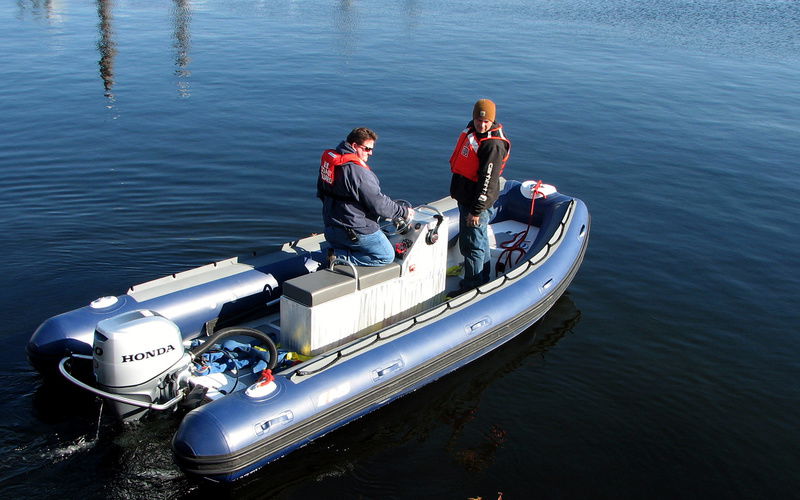


Images have been gathered from various sources and belong to their respective owners.
Review - AB Inflatables Profile F 17

MarineBroker
01/16/2024, 7:03 AM
2015 AB Inflatables Profile F 17: What to Know Before You Buy, Use, or Restore This Compact RIB
If you’re searching for information on the 2015 AB Inflatables Profile F 17, you’re probably trying to figure out whether it’s the right tender, runabout, or small family boat for your needs. That’s a fair question. Boats in this size range can look simple on paper, but the details matter a lot more than most people expect.
A 17-foot rigid inflatable boat can be a fantastic fit for weekend cruising, ferrying people to shore, exploring calm bays, or serving as a dependable yacht tender. But it can also become a headache if you overlook maintenance, load limits, engine matching, or tube condition. Many owners and buyers run into the same problem: they like the boat’s layout and reputation, but they’re not sure how to evaluate its real-world condition or how to keep it performing well.
That’s where a practical approach helps. In this article, we’ll look at what makes the 2015 AB Inflatables Profile F 17 appealing, what issues to watch for, and how to solve the most common ownership problems without overcomplicating things. Whether you’re buying, maintaining, or restoring one, the goal is to help you make smarter decisions and get more enjoyment out of the boat.
- What Makes the 2015 AB Inflatables Profile F 17 Stand Out
The 2015 AB Inflatables Profile F 17 sits in a sweet spot for boaters who want something compact, versatile, and easier to handle than a larger center console or fiberglass runabout. At around 17 feet, it’s small enough to trailer, launch, and store without much drama, but large enough to carry a useful number of passengers and gear.
One of the biggest reasons people look at this model is its balance of ride quality and practicality. Rigid inflatable boats, or RIBs, are known for being stable at rest and forgiving in choppy conditions. The inflatable tubes add buoyancy and help soften the ride, which is a big advantage when you’re moving people around frequently or boating in mixed conditions.
For many owners, the real appeal is how flexible the boat is. It can work as:
- A tender for a yacht
- A family day boat
- A harbor cruiser
- A light-duty fishing platform
- A shore-to-boat shuttle
That versatility is exactly why so many people keep searching for the 2015 AB Inflatables Profile F 17 years after it was built.
- The Main Problem Buyers and Owners Face
The most common issue with a used RIB like this is not whether it “works,” but whether it still works well.
A boat may look good in photos, yet still have hidden problems such as:
- Tube wear or air leaks
- Weak seams or patch repairs
- Corrosion on hardware
- Old fuel system components
- A mismatched or underperforming outboard
- Water intrusion in the hull or deck
- Neglected steering or electrical systems
With the 2015 AB Inflatables Profile F 17, the challenge is that many of the important inspection points are easy to miss if you’re not used to inflatable boats. A buyer might focus on cosmetics and forget to check the tubes, valves, transom, and engine history. An owner might assume the boat is “small enough” that maintenance can wait, only to discover that small issues become expensive quickly.
So the real problem is this: people want the convenience and fun of a compact RIB, but they need a clear way to judge condition and keep the boat reliable.
- How to Evaluate a 2015 AB Inflatables Profile F 17 Before You Buy
If you’re shopping for one, the best solution is a careful inspection. Don’t rush it. A good used boat can save you money and frustration, but only if you know what to look for.
Start with the tubes. On a RIB, the tubes are not just flotation; they’re a major part of the boat’s structure and performance. Look for:
- Fading or chalking from UV exposure
- Cracks near seams or rubbing points
- Soft spots or uneven inflation
- Evidence of patching
- Loose chafe protection
- Leaks around valves
A simple pressure check can reveal a lot. If a tube loses pressure quickly, that’s a warning sign. Some slow loss is normal over time, but noticeable deflation over a short period deserves a closer look.
Next, inspect the hull and deck. For a boat of this age, check for:
- Stress cracks
- Soft deck areas
- Hull repairs
- Signs of grounding or impact
- Corrosion around fasteners and fittings
Don’t forget the transom. This area carries a lot of load from the outboard, so any weakness there matters. If the engine bounces excessively or the mounting area shows damage, that can point to bigger structural issues.
Finally, ask for maintenance records. A well-kept 2015 AB Inflatables Profile F 17 with documented service is usually a much better buy than a cheaper boat with no history.
- Engine Matching Matters More Than People Think
One of the easiest ways to improve your experience with the 2015 AB Inflatables Profile F 17 is to make sure the outboard is properly matched to the boat.
A lot of performance complaints come from engine mismatch rather than boat design. If the motor is too small, the boat may struggle to plane, especially with passengers or gear. If it’s too large or too heavy, handling and transom stress can suffer.
When evaluating engine setup, ask yourself:
- Does the boat plane quickly?
- Does it hold plane at moderate throttle?
- Is the boat stable with a full load?
- Does it feel underpowered in chop?
- Is fuel consumption reasonable for the size?
If you’re buying used, check the hours, service history, and whether the motor starts cleanly and idles smoothly. A healthy engine should not hesitate, surge, or overheat.
A well-matched outboard transforms a small RIB. It can make the difference between a boat that feels sluggish and one that feels genuinely fun and efficient.
- Common Maintenance Issues and How to Solve Them
Owning a compact inflatable boat is easier when you stay ahead of small problems. The good news is that many common issues are manageable if you catch them early.
Here are the ones most owners should watch for:
- Tube care
Sun, salt, and abrasion are the biggest enemies. Rinse the tubes after saltwater use and apply a UV protectant designed for inflatable materials. Avoid harsh cleaners that can dry out the fabric.
- Valve leaks
If a tube won’t hold pressure, the valve may need cleaning or replacement. Sand, salt, and debris can interfere with sealing. Sometimes the fix is as simple as tightening or servicing the valve core.
- Corrosion
Stainless hardware still needs attention, especially in saltwater. Rinse regularly and inspect fittings, bolts, cleats, and rail mounts. Corrosion often starts small and spreads quietly.
- Fuel system problems
Old fuel lines, filters, and primer bulbs can cause rough running. If the boat has been sitting for a while, fuel system refreshes are often worth the effort.
- Electrical faults
Small boats often have simple wiring, but that doesn’t mean it’s immune to issues. Check battery terminals, switches, lights, and bilge components for corrosion or loose connections.
- Trailer wear
If the boat is trailered, the trailer deserves equal attention. Tires, bearings, winch straps, and bunks should all be inspected. A great boat on a neglected trailer is still a problem waiting to happen.
The best solution is routine care. Small boats reward consistency.
- A Practical Inspection Checklist for Owners
If you already own a 2015 AB Inflatables Profile F 17, use a quick checklist before each season or after long periods of storage.
Check the following:
1. Inflate tubes to proper pressure and confirm they hold overnight.
2. Inspect seams, valves, and chafe areas.
3. Look under the deck for moisture, soft spots, or odors.
4. Test navigation lights and battery condition.
5. Run the engine on a flush or in water and listen for smooth idle.
6. Check propeller condition for dings or fishing line.
7. Inspect steering, throttle, and shift controls.
8. Confirm all safety gear is onboard and current.
9. Examine trailer tires, lights, and bearings if applicable.
10. Clean and protect surfaces before storage.
This kind of routine doesn’t take long, but it can prevent a lot of frustration later. For a boat this size, prevention is usually cheaper than repair.
- Why the 2015 AB Inflatables Profile F 17 Works Well for Everyday Boating
One reason people keep coming back to this model is that it fits real life. It’s not trying to be a giant offshore machine. It’s a practical boat for day-to-day use.
That matters because many boaters don’t need a huge platform. They need something that:
- Launches quickly
- Handles easily
- Stores without hassle
- Burns less fuel than a larger boat
- Feels stable for boarding and moving around
- Can be used for multiple purposes
The 2015 AB Inflatables Profile F 17 is especially attractive for people who want a low-stress boating experience. Its size makes docking and maneuvering easier than on larger boats, and the inflatable tubes add confidence when approaching docks or transferring passengers.
If your boating style is more about convenience and flexibility than luxury features, this kind of RIB can be a very smart choice.
- How to Improve Performance Without Major Upgrades
You don’t always need a big refit to make a small RIB better. In many cases, a few practical changes go a long way.
Consider these improvements:
- Keep the bottom clean
Marine growth and grime can reduce efficiency more than people expect.
- Use the right propeller
A prop that matches your load and engine can improve acceleration and cruising comfort.
- Reduce unnecessary weight
Extra gear adds up fast on a 17-foot boat.
- Balance load placement
Keep heavier items centered and avoid overloading the bow or stern.
- Maintain proper tube pressure
Underinflated tubes can affect handling and ride quality.
- Service the engine regularly
A well-tuned motor always feels stronger than a neglected one.
These are simple steps, but they can make the boat feel noticeably better on the water.
- Buying Used: What a Fair Deal Looks Like
If you’re comparing listings for the 2015 AB Inflatables Profile F 17, price should never be the only factor. Condition and equipment matter just as much.
A fair deal usually reflects:
- Engine condition and hours
- Tube condition
- Trailer quality
- Service records
- Electronics and accessories
- Evidence of storage and care
A clean boat with a strong engine and good maintenance history is often worth paying a little more for. On the other hand, a cheaper boat that needs tube work, engine service, and trailer repairs can become expensive quickly.
The smartest buyers look at total ownership cost, not just the asking price.
- Who This Boat Is Best For
The 2015 AB Inflatables Profile F 17 is a strong fit for boaters who want a manageable, versatile platform. It’s especially appealing if you:
- Need a dependable tender
- Want a compact family boat
- Prefer easy launching and retrieval
- Boat in bays, harbors, or protected waters
- Value stability and simple handling
- Want a boat that can serve multiple roles
It may be less ideal if you want a large social deck, long offshore range, or lots of built-in storage. But for its size class, it offers a very practical mix of performance and convenience.
- Final Thoughts on Getting the Most from the 2015 AB Inflatables Profile F 17
The 2015 AB Inflatables Profile F 17 can be a really smart boat for the right owner, but the key is knowing what to inspect and how to maintain it. Most of the common problems are not mysterious; they’re the usual boating issues of wear, water exposure, engine care, and storage. The good news is that these problems are manageable with a careful eye and a consistent routine.
If you’re buying, focus on tube condition, engine health, and overall maintenance history. If you already own one, stay ahead of small issues with regular inspections, cleaning, and service. That approach will help the boat stay reliable, safer, and more enjoyable season after season. If you want to keep learning, it’s worth exploring RIB maintenance basics and outboard care tips tailored to compact inflatable boats.
Specifications
General
Boat Type: Power Boats
Class Type: Rigid Inflatable Boats
Specifications
Length: 16.99
Beam: 8.07
Draft: 1.67
Hull Material: GRP
Build
First Built: 2015
Propulsion
Fuel Type: Unleaded
Engines: 1
Power: 90 HP
Brand: Unknown
Accomodation
PROS & CONS
What we appreciated
 Durable Hypalon tubes for excellent resistance to wear and UV damageLightweight and portable due to inflatable designStable and safe hull design suitable for various water conditionsSpacious deck area for a 17-foot inflatable boatEasy to maneuver with a small outboard motor
What we didn’t appreciate
 Limited storage space compared to rigid boatsNot ideal for high-speed or long-distance cruisingRequires regular maintenance of inflatable tubes to prevent leaksLess performance in rough seas compared to solid hull boatsSmaller seating capacity compared to larger rigid boats
Upkeep Costs
Fuel: Approximately $300 - $600 per year depending on usage
Maintenance: Around $200 - $500 per year for routine upkeep
Storage: $500 - $1,200 annually depending on location and type
Insurance: $300 - $700 per year depending on coverage
Registration and Taxes: $50 - $150 annually depending on local regulations
Rating
4.7
User
Score
Score
Driveability
Technology
Interior
Design
Similar Boats


MarineBroker
Download now for an immersive boat experience like never before! ⛵✨ Your journey begins with a simple click. 🌊📲
#SetSailSmart #DownloadNow
#SetSailSmart #DownloadNow

Subscribe
Copyright 2017 - 2026, Marinebroker.net, All Rights Reserved