Boat Type: Power Boats
Boat Class: Rigid Inflatable Boats
Length: 32.48 ft
Berths: 1
Cabins: 1
Bathrooms: 1
Max Persons: 16
Boat Database » MAR.CO EMOTION 32
MAR.CO EMOTION 32
Outboard four-stroke, Unleaded, 2x 325 HP
Power Boats 2011 MAR.CO EMOTION 32: What to Know Before Buying, Inspecting, or Cruising One
If you’re looking at a 2011 MAR.CO EMOTION 32, you’re probably already drawn to the mix of sporty performance, Italian styling, and practical offshor...
Discover
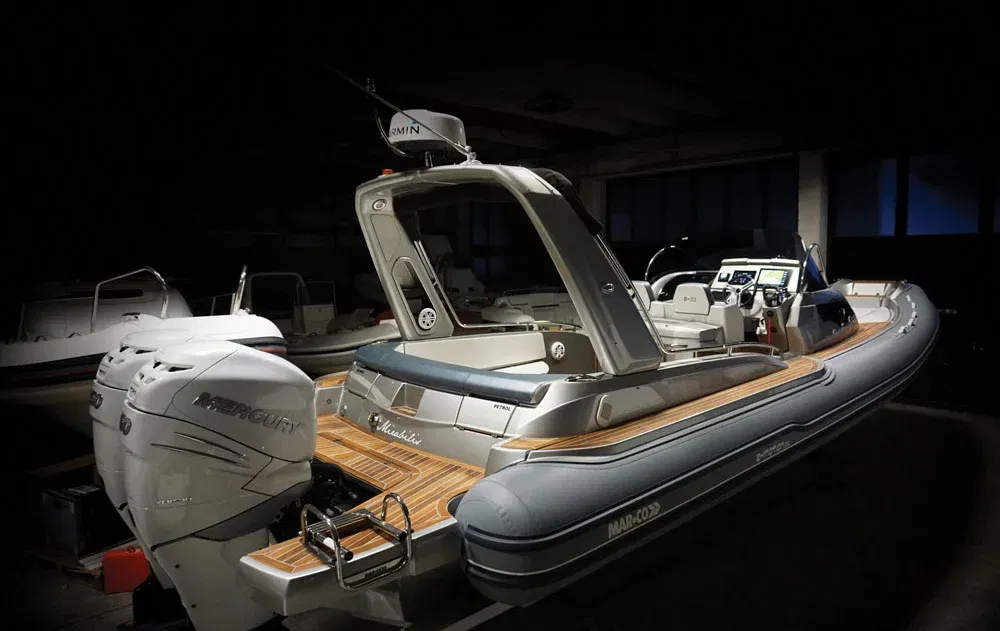

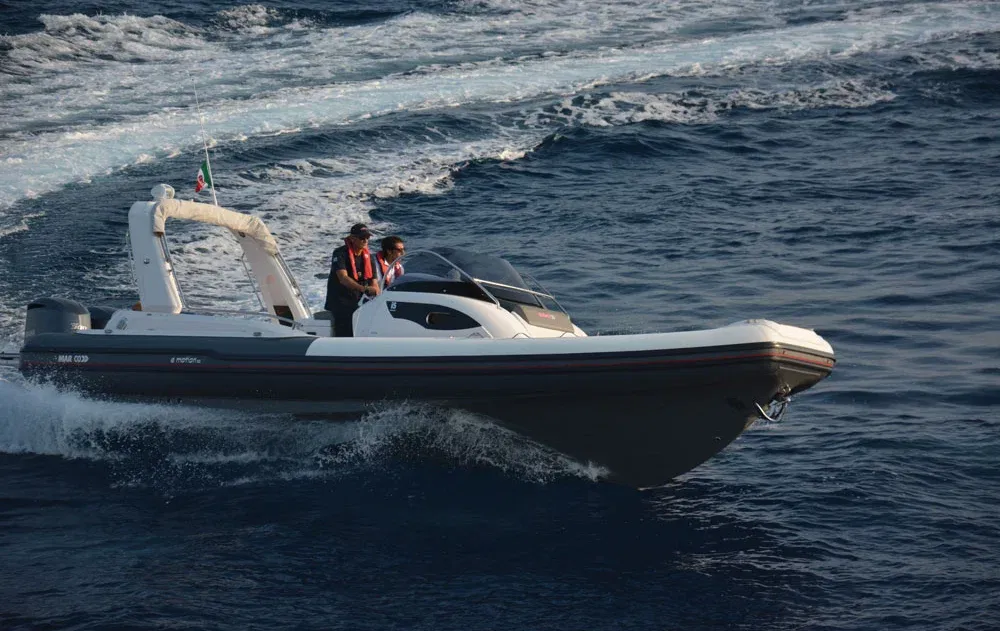
Images have been gathered from various sources and belong to their respective owners.
Review - MAR.CO EMOTION 32

MarineBroker
11/22/2023, 6:44 AM
2011 MAR.CO EMOTION 32: What to Know Before Buying, Inspecting, or Cruising One
If you’re looking at a 2011 MAR.CO EMOTION 32, you’re probably already drawn to the mix of sporty performance, Italian styling, and practical offshore capability that this boat is known for. It’s the kind of boat that catches attention at the dock, but like any used vessel, the real question is what it’s like to live with after the excitement of the first impression fades.
That’s where most buyers run into the same challenge: a boat can look fantastic in photos or on a listing, but hidden wear, outdated systems, or poor maintenance can quickly turn a dream purchase into an expensive project. With a 2011 model, the age is old enough that inspection matters, but still new enough that a well-kept example can offer a lot of value.
The good news is that most of the common issues are manageable if you know what to look for. In this guide, we’ll walk through the key things buyers and owners should check, the most practical problem areas, and how to approach ownership with fewer surprises and more confidence.
- Why the 2011 MAR.CO EMOTION 32 still attracts buyers
The 2011 MAR.CO EMOTION 32 sits in a sweet spot for many boaters. It offers a size that feels substantial offshore, but it’s still manageable enough for owners who don’t want the complexity of a much larger yacht.
For people shopping in this segment, the appeal usually comes down to a few things:
- Strong visual design
- Versatile day-cruising ability
- Good cockpit space for social use
- Offshore-capable hull character
- A layout that can work for weekend trips or entertaining
That combination makes it attractive to buyers who want more than just a runabout, but don’t necessarily want to step into a full-size cabin cruiser. The challenge is that boats in this class are often used hard. Many spend their lives doing exactly what they were built for: fast coastal runs, family days, anchor lunches, and repeated exposure to sun, salt, and vibration.
So while the MAR.CO EMOTION 32 can be a great boat, the real value depends heavily on condition, service history, and how carefully it was maintained.
- The main problem buyers face with a used 2011 MAR.CO EMOTION 32
The biggest issue isn’t usually the model itself. It’s uncertainty.
When people search for a used 2011 MAR.CO EMOTION 32, they often want to know:
- Has it been maintained properly?
- Are the engines and drives in good shape?
- Is the hull sound?
- Have the electrical and plumbing systems aged well?
- Will I be buying a boat or buying a repair list?
That uncertainty is the real problem.
A boat from 2011 may look clean on the surface while still hiding expensive issues underneath. On a performance-oriented cruiser, the most common trouble spots tend to be mechanical wear, water intrusion, upholstery fatigue, corrosion, and neglected service items. None of these is automatically a deal-breaker, but together they can turn a promising purchase into a costly one.
The practical solution is not to avoid the boat. It’s to inspect it like an informed buyer and focus on the systems that matter most.
- What to inspect first on a 2011 MAR.CO EMOTION 32
If you’re evaluating this boat, start with the areas most likely to affect safety, reliability, and ownership cost.
- Engines and propulsion
This should be the first priority. Even a beautiful boat loses value quickly if the power package is tired.
Check for:
- Service records
- Oil analysis, if available
- Smooth cold starts
- Unusual smoke
- Excessive vibration
- Cooling system condition
- Corrosion around mounts, hoses, and clamps
If the boat has sterndrives or outdrives, inspect bellows, seals, trim systems, and corrosion carefully. These items are often overlooked until they fail, and they can be expensive to repair.
A sea trial matters here. A boat may idle perfectly at the dock but reveal problems once it’s under load. Watch for hesitation, overheating, poor trim response, or abnormal noise at cruising speed.
- Hull and structure
The hull should be checked for signs of impact, repairs, or stress. Look especially around:
- The keel and running surfaces
- Transom areas
- Through-hull fittings
- Deck-to-hull joints
- Any visible gelcoat cracking
Some cosmetic wear is normal on a 2011 boat. What you want to avoid is evidence of water intrusion, soft spots, or structural repairs that weren’t done properly.
If possible, have the boat hauled and surveyed out of the water. That’s the best way to inspect the bottom, check for blistering, and look at the running gear.
- Electrical systems
Electrical problems are among the most annoying issues on older boats because they can be intermittent and hard to trace.
Check:
- Battery age and condition
- Charging system performance
- Shore power setup
- Panel labeling and circuit function
- Bilge pump operation
- Navigation lights
- Cabin lighting and accessories
Corrosion in connectors and poor wire routing are common on boats that have seen saltwater use. A clean-looking switch panel doesn’t guarantee a clean system behind it.
- Plumbing and water systems
For a boat of this age, plumbing issues often show up as leaks, weak pressure, or worn fittings.
Inspect:
- Freshwater pump operation
- Water heater function
- Toilet and holding tank system
- Hose condition
- Seacocks and valves
- Any signs of odor or mildew
If you notice musty smells in lockers or under cushions, don’t ignore them. That can be a clue to hidden leaks or chronic moisture problems.
- Upholstery and exterior finishes
This is where many boats start to show their age first.
On a 2011 MAR.CO EMOTION 32, check:
- Seat vinyl cracking
- Sunpad fading
- Stitching condition
- Canvas wear
- Non-skid surfaces
- Gelcoat oxidation
These issues are often cosmetic, but they still matter. Reupholstery and refinishing can add up quickly, and a boat with neglected cosmetic care often hints at broader maintenance habits.
- Common ownership issues on the MAR.CO EMOTION 32
Every boat has its typical pain points, and this one is no different. The good news is that most of them are manageable if caught early.
- Aging service items
A 2011 boat is old enough that hoses, belts, seals, pumps, and batteries may be near or past their ideal service life. Even if the boat has low hours, age alone can degrade these parts.
That means a “low-hour” boat is not automatically a low-maintenance boat.
Practical approach:
- Replace questionable hoses and clamps
- Service impellers and cooling components
- Test all pumps and switches
- Change fluids on schedule
- Inspect fuel lines and filters
- Moisture intrusion
Moisture is one of the most common and expensive hidden issues in used boats. It can enter through deck fittings, hardware, windows, or poorly sealed penetrations.
Signs to watch for:
- Soft deck sections
- Discoloration around fittings
- Persistent mildew
- Water in bilges after rain
- Loose hardware
If the boat has been stored outdoors without proper covering, be extra cautious.
- Corrosion in saltwater environments
If this boat has lived in saltwater, corrosion deserves serious attention. Hardware, electrical terminals, steering components, and propulsion parts can all suffer.
Look for:
- White powdery buildup
- Rust staining
- Pitted metal
- Stiff or seized fittings
- Corroded battery terminals
Saltwater use doesn’t automatically make a boat bad. It just means maintenance needs to be more disciplined.
- What makes the 2011 MAR.CO EMOTION 32 a smart buy when condition is good
A well-kept 2011 MAR.CO EMOTION 32 can still be a very appealing option because it gives buyers a lot of capability without jumping into a much larger and more expensive category.
When properly maintained, it can offer:
- Comfortable day cruising
- Good social space aboard
- A sporty driving experience
- Practical weekend usability
- Strong visual appeal for its age
That makes it especially attractive for buyers who want a boat that feels more special than a basic center console or standard cruiser, but still remains manageable in terms of size and operation.
The key is understanding that value is tied to condition, not just model name. Two boats of the same year can have dramatically different ownership experiences depending on maintenance history.
- How to evaluate a listing before you visit
Before you travel to see a used boat, ask detailed questions. A seller who answers clearly is usually a better sign than a listing full of vague claims.
Ask for:
- Engine hours
- Full service records
- Date of last haul-out
- Date of last major engine service
- Battery age
- Upholstery or canvas replacement history
- Any known repairs or accidents
- Storage history: indoor, outdoor, covered, or marina-kept
Also ask whether the boat has been used mostly for:
- Short coastal trips
- Long offshore runs
- Freshwater use
- Saltwater use
That usage pattern tells you a lot about expected wear.
If the seller can provide recent photos of the bilge, engine room, and bottom, that’s a bonus. If they can’t, plan to inspect those areas carefully in person.
- A practical inspection checklist for buyers
Use this simple checklist when evaluating a 2011 MAR.CO EMOTION 32:
- Start the engines cold
- Check for smoke, leaks, and unusual sounds
- Inspect the bilge for oil or water
- Test all electronics and gauges
- Run the boat at idle and cruising speed
- Verify steering response and trim function
- Inspect upholstery, canvas, and hatches
- Look for corrosion on metal parts
- Check the bottom and running gear
- Confirm service records and ownership history
If anything feels off, don’t rush. Boats reward patience more than impulse.
- Why a survey is worth it
Many buyers try to save money by skipping a survey. That usually costs more later.
A professional survey and mechanical inspection can uncover problems that aren’t visible during a casual walkthrough. On a boat like the 2011 MAR.CO EMOTION 32, this is especially useful because the boat may appear well-kept while still needing significant mechanical attention.
A good survey can help you:
- Negotiate price
- Estimate upcoming maintenance
- Avoid major hidden repairs
- Confirm seaworthiness
- Make a more confident decision
If the boat is in another state or country, a survey becomes even more important. Photos and video can’t replace an in-person inspection.
- Ownership tips to keep costs under control
If you already own one, or you’re planning to buy, the best way to protect your investment is simple consistency.
- Follow a seasonal maintenance routine
A clear maintenance schedule reduces surprises.
Focus on:
- Engine oil and filter changes
- Fuel system checks
- Impeller replacement
- Battery testing
- Pump inspection
- Cleaning and sealing hardware
- Upholstery protection
- Bottom cleaning and antifouling
- Keep the boat clean and dry
This sounds basic, but it matters a lot. Dry bilges, clean lockers, and covered seating help prevent bigger issues later.
- Fix small issues early
A loose fitting, minor leak, or weak battery may seem unimportant. On a boat, small issues tend to multiply if ignored.
- Store it properly
Good storage can extend the life of almost every system on board. If possible, use:
- Covered storage
- Regular ventilation
- Proper winterization
- Engine flushing after saltwater use
- Is the 2011 MAR.CO EMOTION 32 right for you?
This boat makes the most sense for someone who values style, performance, and versatile cruising, but who is also willing to inspect carefully and maintain responsibly.
It may be a strong fit if you want:
- A sporty cruiser with character
- A boat that works well for day trips and weekends
- Something more distinctive than a mainstream model
- A used boat with real value potential if condition is right
It may be less ideal if you want a boat with zero maintenance concerns or if you’re not ready to budget for periodic upkeep. Like most boats in this class, the ownership experience depends heavily on how seriously you approach maintenance.
The smartest buyers don’t just ask, “Do I like this boat?” They also ask, “Has this boat been cared for in a way that matches my expectations?”
- Conclusion
The 2011 MAR.CO EMOTION 32 can be a very appealing boat, but the real key is condition. For buyers, the biggest challenge is separating a well-maintained example from one that only looks good on the surface. By focusing on the engines, structure, electrical systems, plumbing, and signs of moisture or corrosion, you can avoid most of the common headaches that come with older boats.
If you’re considering one, take your time, ask for records, and never skip a proper survey. A careful inspection is the best solution to the most common problem: uncertainty. With the right checks in place, this model can still offer a lot of enjoyment, style, and cruising value. If you want to keep researching, compare listings, review maintenance guides, and study the boat’s service history before making your move.
Specifications
General
Boat Type: Power Boats
Class Type: Rigid Inflatable Boats
Specifications
Length: 32.48
Beam: 10.83
Hull Material: Vinylester
Build
First Built: 2011
Propulsion
Fuel Type: Unleaded
Engines: 2
Power: 325 HP
Brand: Mercury
Accomodation
Berths: 1
Cabins: 1
Bathrooms: 1
PROS & CONS
What we appreciated
 Sleek and modern design with stylish aestheticsGood balance of performance and comfortSpacious cockpit area for socializingHigh-quality build materials and craftsmanshipVersatile for both day cruising and sport activities
What we didn’t appreciate
 Limited cabin space compared to larger boatsMay have higher maintenance costs due to premium materialsFuel consumption can be relatively high at top speedsNot ideal for long offshore trips due to sizeAvailability of parts and service might be limited depending on location
Upkeep Costs
Fuel: Approximately $5,000 - $8,000 per year depending on usage
Maintenance and repairs: Around $3,000 - $6,000 annually
Insurance: Roughly $1,200 - $2,500 per year
Docking/Marina fees: Varies widely, typically $2,000 - $5,000 per year
Storage and winterization: $500 - $1,500 annually

Rating
7.1
User
Score
Score
Driveability
Technology
Interior
Design
Similar Boats


MarineBroker
Download now for an immersive boat experience like never before! ⛵✨ Your journey begins with a simple click. 🌊📲
#SetSailSmart #DownloadNow
#SetSailSmart #DownloadNow

Subscribe
Copyright 2017 - 2026, Marinebroker.net, All Rights Reserved