2018 Apex A-15 T: What to Know Before Buying, Inspecting, and Enjoying This Compact Boat
If you’ve been looking at the 2018 Apex A-15 T, you’re probably after something simple, affordable, and easy to enjoy on the water. That mak...
Discover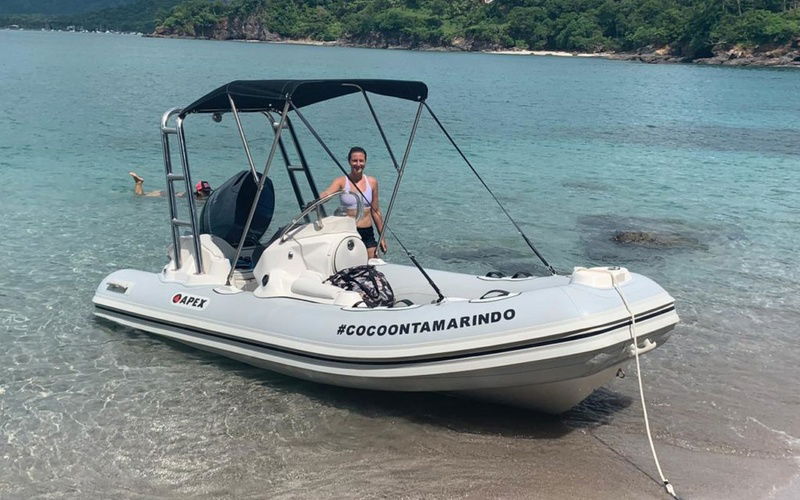


Images have been gathered from various sources and belong to their respective owners.
Review - Apex A-15 T

MarineBroker
03/18/2024, 3:36 AM
2018 Apex A-15 T: What to Know Before Buying, Inspecting, and Enjoying This Compact Boat
If you’ve been looking at the 2018 Apex A-15 T, you’re probably after something simple, affordable, and easy to enjoy on the water. That makes a lot of sense. Small boats like this are often appealing because they promise less hassle, lower operating costs, and a more relaxed boating experience.
But here’s the part many buyers run into: a compact boat can be a great fit only if it matches how you actually plan to use it. A boat that looks perfect on paper may feel cramped for your crew, underpowered for your waters, or missing a few features you didn’t realize mattered until after the purchase. That’s the real problem for many people shopping the 2018 Apex A-15 T—figuring out whether it’s the right boat for their needs before they commit.
The good news is that this is solvable. By looking at the boat’s layout, intended use, inspection points, and ownership costs, you can make a much smarter decision. In this guide, we’ll break down what the 2018 Apex A-15 T is best at, what to check before buying, and how to tell if it’s the right match for your boating style.
- What the 2018 Apex A-15 T is designed for
The 2018 Apex A-15 T is the kind of boat that tends to appeal to first-time buyers, casual boaters, and anyone who wants a manageable platform for calm-water fun. Boats in this size and class are usually built with simplicity in mind, which can be a major advantage if you don’t want a complicated ownership experience.
For many buyers, the main appeal is ease of use. Smaller boats are generally easier to trailer, launch, dock, and store. They also tend to be less intimidating for people who are newer to boating or don’t want to deal with a larger vessel’s learning curve.
That said, the right use case matters a lot. A boat like the 2018 Apex A-15 T is usually best for:
- Short day trips
- Calm lakes and protected waterways
- Fishing, cruising, or casual family outings
- Owners who want simple maintenance and straightforward handling
If your boating style includes bigger groups, long offshore runs, or heavy gear loads, you may want to compare it against larger models. But if you value convenience and simplicity, this type of boat can be a very practical choice.
- The main problem buyers face with the 2018 Apex A-15 T
The biggest issue for many prospective owners is not the boat itself. It’s uncertainty.
People often struggle to answer questions like:
- Is this boat roomy enough for my family?
- Will it handle my local water conditions?
- Is the motor setup appropriate for the way I boat?
- What should I inspect on a used model?
- Am I paying for the right features, or just the right-looking boat?
These are normal concerns, especially with pre-owned boats. A boat can look clean and well-kept in photos, but still have hidden wear, outdated systems, or a layout that doesn’t really fit your needs.
The solution is to evaluate the 2018 Apex A-15 T in three layers:
1. How you plan to use it
2. What condition the specific boat is in
3. Whether the features match your expectations
That approach helps you avoid buying based on appearance alone.
- Why size and layout matter more than most people think
One of the most common mistakes boat buyers make is focusing only on length. Yes, the 2018 Apex A-15 T is compact, but length alone doesn’t tell you whether it will feel comfortable.
What really matters is usable space.
Ask yourself:
- How many people will usually be onboard?
- Will you need space for fishing gear, coolers, or water toys?
- Do you want room to move around, or is sitting fine?
- Will kids or older passengers be using the boat often?
A smaller boat can still be very enjoyable if the layout is efficient. But if the deck space is limited and your group regularly grows beyond a few people, the boat may feel tighter than expected.
A good rule of thumb: always test the boat with the same number of people you expect to bring most often. A boat that feels roomy for two may feel crowded for four or five.
- What to inspect on a used 2018 Apex A-15 T
If you’re shopping for a used 2018 Apex A-15 T, inspection is where you can save yourself from expensive surprises. Even a boat that appears clean can hide issues from years of use, storage problems, or neglected maintenance.
Here’s what to focus on:
- Hull condition
Look for cracks, deep scratches, soft spots, repairs, or signs of impact. The hull should feel solid and consistent.
- Deck and flooring
Check for flexing, discoloration, water intrusion, or areas that feel spongy. This can be a sign of structural or moisture problems.
- Transom and mounting points
These areas take a lot of stress. Any signs of rot, movement, or corrosion should be taken seriously.
- Electrical system
Test navigation lights, gauges, switches, and battery connections. Electrical issues can be minor, but they can also point to bigger maintenance problems.
- Upholstery and seating
Cracked vinyl, torn seams, and faded cushions are common on older boats. They may not be deal-breakers, but they can add to your repair budget.
- Engine and propulsion setup
If the boat includes an outboard or other propulsion system, look for service records, smooth starting, clean idle behavior, and evidence of regular maintenance.
- Trailer condition
Don’t overlook the trailer. Tires, bearings, lights, bunks, winch, and brakes all matter. A bad trailer can turn a good boat into a headache.
If you’re not experienced with inspections, bring a marine mechanic or knowledgeable boater with you. A small fee for a professional inspection can prevent a very expensive mistake.
- How to tell if the 2018 Apex A-15 T fits your boating style
A lot of boat regret comes from mismatched expectations. The 2018 Apex A-15 T may be a great boat, but only if it fits the way you plan to use it.
It’s probably a good fit if you want:
- Simple weekend boating
- Easy trailering and launching
- Lower fuel and maintenance demands
- A boat that’s less intimidating to operate
- A smaller, more relaxed boating footprint
It may not be the best fit if you want:
- Large-group entertaining
- High-speed performance
- Offshore capability
- Lots of storage for gear and accessories
- A “do everything” boat for changing conditions
The key is to be honest about your habits. Plenty of people buy a boat for the occasional dream scenario, then realize most of their time is spent doing something much more ordinary. Buy for the 90% use case, not the one perfect day you imagine in your head.
- Maintenance habits that keep a small boat feeling new
One reason smaller boats stay attractive over time is that they’re easier to maintain. Still, the 2018 Apex A-15 T will only stay reliable if it gets regular care.
Simple maintenance habits go a long way:
- Rinse the boat after each outing, especially in saltwater
- Keep the battery charged and terminals clean
- Inspect fuel lines and hoses regularly
- Check for loose fasteners, corrosion, or wear
- Store the boat properly to protect upholstery and flooring
- Follow engine service intervals if the boat is powered by an outboard or other motor
A lot of boat problems start small. A loose fitting, a weak battery, or a cracked hose can turn into a bigger repair if ignored. Staying ahead of these issues keeps ownership easier and helps preserve resale value too.
- Cost considerations beyond the purchase price
Another common problem for buyers is underestimating the real cost of ownership. The purchase price is only part of the story.
When evaluating the 2018 Apex A-15 T, think about:
- Insurance
- Registration and titling
- Fuel
- Routine maintenance
- Winterization or off-season storage
- Trailer upkeep
- Replacement parts and accessories
A smaller boat often helps keep some of these costs down, but not all of them disappear. For example, trailer maintenance and engine service still matter just as much on a compact boat as on a larger one.
If you’re on a budget, create a simple yearly estimate before buying. That way, you’ll know whether the boat is truly affordable or just affordable at the sticker price.
- Smart questions to ask before making a decision
Before you buy, ask these practical questions:
- Has the boat been stored indoors or outdoors?
- Are service records available?
- Has it been used in freshwater or saltwater?
- Are there any known repairs or replacements?
- Does the trailer match the boat’s condition?
- Are all accessories included, or will you need to buy them separately?
These questions help you understand the boat’s history and likely future costs. They also give you a better sense of how the previous owner cared for it.
If the seller can answer clearly and provide records, that’s a good sign. If the answers are vague or inconsistent, slow down and inspect more carefully.
- How the 2018 Apex A-15 T can solve a common boating headache
For many people, the biggest boating headache is complexity. Larger boats can be wonderful, but they also bring more maintenance, more storage challenges, and more stress on launch day.
This is where the 2018 Apex A-15 T can make sense. A smaller, simpler boat may solve problems like:
- Hard-to-manage trailering
- High fuel usage
- Complicated docking
- Too much boat for a casual user
- Storage issues at home or in a marina
If your goal is to spend more time on the water and less time dealing with logistics, a compact boat can be a very practical answer. It won’t be perfect for every scenario, but for the right owner, it can be exactly the kind of low-stress boating experience they were hoping for.
- Tips for getting the most from your boat after purchase
Once you’ve chosen the right 2018 Apex A-15 T, a few habits can make ownership much smoother.
Try this:
- Keep a simple maintenance log
- Clean and dry the boat after each trip
- Inspect key components monthly
- Learn basic troubleshooting for battery, fuel, and trailer issues
- Use a quality cover or storage solution
- Don’t overload the boat beyond its comfortable use range
These habits are especially helpful with smaller boats because they help preserve performance and comfort. They also make resale easier if you decide to upgrade later.
If you’re new to boating, start with short trips and calm conditions. That gives you time to learn how the boat behaves before you take on longer outings or busier waterways.
- Final thoughts on the 2018 Apex A-15 T
The 2018 Apex A-15 T can be a smart choice for boaters who want simplicity, easy handling, and a manageable ownership experience. The key is making sure it fits your real-world needs, not just your wish list.
If you’re considering one, focus on use case, condition, and long-term costs. Inspect carefully, ask the right questions, and think honestly about how you’ll use the boat most often. That approach helps you avoid surprises and find a boat that feels enjoyable instead of stressful.
For the right buyer, a compact boat like this can be a great way to get on the water with less hassle. If you want to keep researching, compare similar models, review inspection checklists, and talk with other owners before making your final call.
Specifications
General
Boat Type: Power Boats
Class Type: Rigid Inflatable Boats
Specifications
Length: 14.5
Beam: 6.56
Draft: 1.31
Hull Material: GRP
Build
First Built: 2018
Propulsion
Fuel Type: Unleaded
Engines: 1
Power: 70 HP
Brand: Unknown
Accomodation
PROS & CONS
What we appreciated
 Lightweight and easy to transportDurable aluminum constructionGood fuel efficiency with smaller outboard enginesSpacious design for its size, accommodating up to 5 peopleVersatile for fishing, cruising, and recreational use
What we didn’t appreciate
 Limited onboard amenities compared to larger boatsNot ideal for rough waters due to smaller sizeBasic interior, minimal comfort featuresStorage space is limitedMay require additional equipment for extended trips
Upkeep Costs
Fuel: Approx. $300 - $500 per year (depending on usage and fuel prices)
Maintenance: Around $200 - $400 per year (includes engine servicing, cleaning, minor repairs)
Insurance: $150 - $300 per year (varies by location and coverage)
Storage: $200 - $600 per year (depends on whether you store on land, in water, or in a marina)
Registration and Taxes: $50 - $150 per year (varies by state or country)
Rating
6.2
User
Score
Score
Driveability
Technology
Interior
Design
Similar Boats


MarineBroker
Download now for an immersive boat experience like never before! ⛵✨ Your journey begins with a simple click. 🌊📲
#SetSailSmart #DownloadNow
#SetSailSmart #DownloadNow

Subscribe
Copyright 2017 - 2026, Marinebroker.net, All Rights Reserved