Boat Database » AB Inflatables Lammina 8 UL
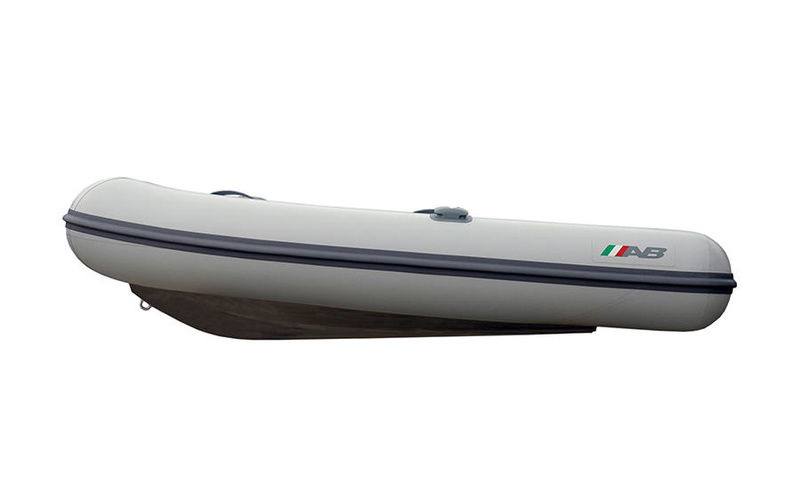
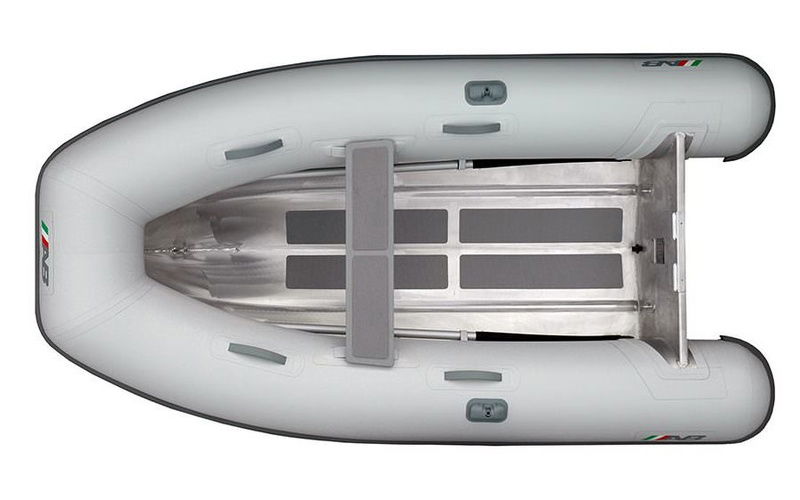
AB Inflatables Lammina 8 UL
Outboard four-stroke, Unleaded, 1x 5 HP
Power Boats 2014 AB Inflatables Lammina 8 UL: How to Keep a Lightweight Tender Safe, Practical, and Easy to Use
If you’re looking at the 2014 AB Inflatables Lammina 8 UL, chances are you already appreciate what makes a lightweight aluminum-h...
Discover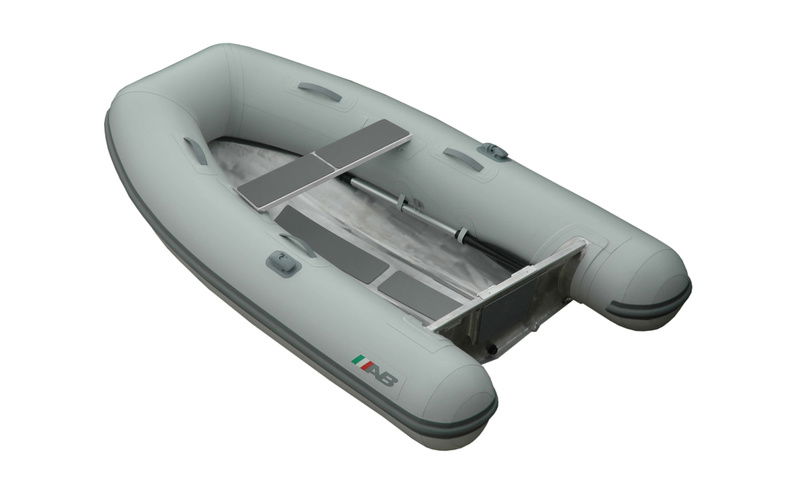
Images have been gathered from various sources and belong to their respective owners.
Review - AB Inflatables Lammina 8 UL

MarineBroker
01/15/2024, 3:14 PM
2014 AB Inflatables Lammina 8 UL: How to Keep a Lightweight Tender Safe, Practical, and Easy to Use
If you’re looking at the 2014 AB Inflatables Lammina 8 UL, chances are you already appreciate what makes a lightweight aluminum-hull dinghy so appealing. It’s compact, easy to handle, and built for boaters who want a tender that doesn’t add unnecessary weight or hassle. But like many ultra-light inflatables, the real challenge isn’t just owning one — it’s keeping it performing well over time.
A boat like the Lammina 8 UL can be a fantastic solution for yacht owners, weekend cruisers, and anyone who needs a dependable tender that’s easy to launch, tow, and stow. The problem is that lightweight construction brings its own set of concerns: wear on the tubes, hull scuffs, storage strain, and performance issues if it isn’t maintained properly. Small issues can turn into bigger headaches fast, especially with a boat that’s often handled, lifted, and used in tight docking spaces.
The good news is that most of these problems are preventable. With the right setup, care routine, and a few smart habits, you can keep the 2014 AB Inflatables Lammina 8 UL working the way it should — simple, sturdy, and ready when you need it.
- Why the 2014 AB Inflatables Lammina 8 UL Stands Out
The Lammina 8 UL is part of AB Inflatables’ well-known line of rigid inflatable boats designed with practicality in mind. The “UL” designation points to its ultra-light build, which is a major reason many boaters choose it.
That lighter weight makes a big difference in day-to-day use. It’s easier to hoist on davits, simpler to drag onto a beach, and less demanding when you’re storing it on deck or in a garage. For many boaters, that convenience is the whole point.
The boat is especially appealing if you want:
- A tender that is manageable without a large crew
- Better fuel efficiency when used with a small outboard
- Easier transport and storage
- A compact option for short trips between anchor and shore
Still, the same design traits that make it easy to use can also make it more sensitive to improper handling. That’s why understanding the common pain points matters.
- The Main Problem: Lightweight Boats Can Be Easier to Damage
The biggest issue many owners face with the 2014 AB Inflatables Lammina 8 UL is not dramatic failure — it’s everyday wear. Because the boat is light and easy to move, people often assume it can take rough handling. In reality, repeated stress is what usually causes trouble.
Common issues include:
- Tube abrasion from docks, cleats, and rough surfaces
- Scratches or dents in the aluminum hull
- Air loss from valves or seams over time
- UV damage from long exposure to sun
- Poor trim or unstable handling if the load is uneven
- Transom stress from an oversized or poorly mounted outboard
A lot of these problems start small. A few dock scrapes here, a little overinflation there, and suddenly the boat doesn’t feel as solid as it used to.
The solution is not complicated, but it does require consistency. A lightweight tender needs a smarter maintenance routine than a heavier, more forgiving boat.
- How to Protect the 2014 AB Inflatables Lammina 8 UL from Everyday Wear
The easiest way to keep this boat in good shape is to think in terms of prevention. Most damage is avoidable if you build a few habits into your boating routine.
Start with the basics:
- Use fenders when docking alongside hard surfaces
- Avoid dragging the boat over rocks, concrete, or barnacle-covered edges
- Rinse the hull and tubes after saltwater use
- Check inflation pressure regularly
- Store it out of direct sunlight when possible
Even something as simple as how you step aboard matters. A lot of dinghy damage happens because people treat the tube like a step or use the hull as a bumper. It’s designed to be durable, but not indestructible.
If your Lammina 8 UL is used as a tender, consider where it spends most of its time. Tenders often take more abuse than primary boats because they’re constantly being launched, recovered, and tied up in less-than-ideal spots.
- Getting the Most Out of the Aluminum Hull
One of the best features of the 2014 AB Inflatables Lammina 8 UL is the aluminum hull. It gives the boat a solid feel while keeping weight down, but aluminum still needs care.
The biggest concern is corrosion and physical damage. While marine-grade aluminum is built to resist the elements, it can still suffer if exposed to harsh conditions without proper maintenance.
To protect the hull:
- Rinse thoroughly after saltwater use
- Dry it when possible before storage
- Inspect for scratches, gouges, or worn coating
- Touch up any exposed areas if recommended by the manufacturer
- Avoid leaving the boat sitting in standing water for long periods
If you notice the hull feeling less responsive or taking on more vibration than usual, check for dents or loose components. Even small impacts can affect how the boat rides.
A clean hull also improves performance. Less buildup means better glide, easier planing, and less drag when you’re underway.
- Tube Care: The Hidden Key to Long-Term Reliability
The inflatable tubes are what make this style of boat so versatile, but they’re also the part most likely to show wear first. Sun, pressure changes, and contact with rough surfaces can all shorten their lifespan if ignored.
Here’s what helps most:
- Keep the tubes properly inflated, not overinflated
- Check seams and valves for leaks
- Store the boat covered or indoors when not in use
- Use a UV protectant made for inflatable boat materials
- Clean tubes with mild soap and fresh water
A common mistake is underinflating because the boat “looks fine.” That can make handling sloppy and put extra stress on the seams. Overinflating, on the other hand, can create pressure issues in hot weather.
If you’re unsure, check inflation when the boat is cool, and recheck after it’s been in the sun. Temperature changes can make a big difference.
For boaters who use the Lammina 8 UL frequently, a quick pre-launch inspection is worth the time. It takes just a few minutes and can save you from a frustrating day on the water.
- Choosing the Right Outboard for Better Performance
A lightweight dinghy performs best when matched with the right motor. With the 2014 AB Inflatables Lammina 8 UL, the goal is usually not speed for its own sake — it’s stable, efficient movement.
A motor that’s too heavy can affect trim and make the transom work harder than intended. A motor that’s too powerful can also make the boat harder to control, especially when loaded with gear or passengers.
When selecting or maintaining an outboard, consider:
- Manufacturer horsepower recommendations
- Engine weight
- Fuel efficiency
- Ease of starting and steering
- Whether you’ll use the boat mostly loaded or lightly loaded
If the boat feels stern-heavy or sluggish, the motor may be part of the problem. On the other hand, if it feels underpowered in current or wind, you may need to reassess prop choice or overall setup.
A well-matched outboard makes the boat feel more stable and easier to handle, which is especially important for a small tender used around docks, marinas, and anchorages.
- Loading and Weight Distribution: Small Changes Make a Big Difference
One of the most overlooked issues with small inflatables is uneven loading. Because the boat is compact, even a few extra pounds in the wrong spot can change how it sits in the water.
For best results:
- Keep heavier gear low and centered
- Avoid crowding one side with coolers or bags
- Distribute passengers evenly
- Balance the motor, fuel, and gear load
- Don’t overload the boat beyond its rated capacity
This matters even more if you’re using the Lammina 8 UL as a family tender. A boat that feels fine with one or two people can behave very differently with three adults, a cooler, and a bag of gear.
Poor weight distribution can lead to:
- Slower planing
- More spray
- Reduced stability
- Harder steering
- Extra strain on the transom
If the boat feels awkward underway, don’t assume something is broken right away. Sometimes the fix is as simple as shifting gear or moving a passenger forward.
- Storage Tips That Prevent Most Problems
Storage is where many boats either stay in great shape or slowly decline. Since the 2014 AB Inflatables Lammina 8 UL is lightweight and compact, it’s tempting to store it wherever there’s space. But a little planning goes a long way.
Best storage practices include:
- Keep it clean and dry before storing
- Avoid prolonged exposure to direct sunlight
- Support it properly so the hull doesn’t rest unevenly
- Deflate only as recommended for your storage setup
- Protect it from rodents, sharp tools, and chemical fumes
If the boat is stored outdoors, use a breathable cover rather than trapping moisture underneath. Moisture buildup can lead to mildew, hardware corrosion, and unpleasant odors.
If you’re storing it for the off-season, inspect everything first. Fixing a minor valve issue or patching a small abrasion before storage is much easier than discovering it months later when you’re ready to launch.
- Simple Maintenance Routine for Busy Boat Owners
You don’t need a complicated checklist to keep this boat in good condition. A short, repeatable routine is often enough.
Here’s a practical maintenance schedule:
- After each use:
- Rinse with fresh water
- Check for obvious damage
- Dry before storing if possible
- Weekly or monthly:
- Inspect tube pressure
- Check valves and seams
- Look over the hull for scratches or dents
- Clean with mild soap
- Seasonal:
- Review all hardware and fittings
- Check transom condition
- Examine the outboard mount
- Apply UV protection if needed
This kind of routine helps you catch issues early. On small boats, early detection is everything.
- When the Boat Feels “Off”: Common Signs Something Needs Attention
Sometimes you don’t need a repair manual to know something’s wrong. The boat will tell you.
Watch for these warning signs:
- It takes longer to plane
- Steering feels less responsive
- One side sits lower in the water
- The tubes lose pressure faster than usual
- You hear unusual flexing or rattling
- The hull shows new dents or scuffs
These symptoms don’t always mean a major problem, but they do mean it’s time to inspect the boat more closely. A small air leak, a loose fitting, or a motor alignment issue can create bigger performance problems if ignored.
If you’re using the Lammina 8 UL regularly, keep a simple log of any changes you notice. Patterns often reveal the cause faster than guesswork.
- Why the 2014 AB Inflatables Lammina 8 UL Still Makes Sense Today
Even though it’s a 2014 model, the 2014 AB Inflatables Lammina 8 UL still makes sense for boaters who value portability and practical design. Boats like this remain relevant because the core needs haven’t changed: easy handling, dependable performance, and low-maintenance usability.
It’s a strong fit for people who want:
- A reliable shore boat
- A tender that’s easy to lift and store
- A compact setup for short trips
- A boat that balances durability with low weight
The key is understanding that lightweight convenience comes with responsibility. If you care for it well, it can stay useful for a long time.
- Practical Solution: Build a “Light Boat, Smart Care” Mindset
The real solution to owning and enjoying the 2014 AB Inflatables Lammina 8 UL is not finding a miracle fix. It’s building habits that match the boat’s design.
That means:
- Handle it gently at docks and ramps
- Keep it clean and properly inflated
- Match it with the right outboard
- Store it out of harsh weather when possible
- Inspect it regularly instead of waiting for a problem
When you treat a lightweight tender like a precision tool instead of a rugged throwaway dinghy, it rewards you with better performance and fewer surprises.
- Conclusion
The 2014 AB Inflatables Lammina 8 UL is a smart choice for boaters who want a lightweight, easy-to-manage tender with real everyday usefulness. The main challenge is that boats in this class can wear faster if they’re handled carelessly or maintained only when problems appear. Fortunately, the fix is straightforward: protect the tubes, care for the aluminum hull, match the motor properly, and keep an eye on storage and loading habits.
With a simple maintenance routine and a little attention to detail, this boat can stay dependable and enjoyable for years. If you’re researching ownership, upkeep, or setup ideas, it’s worth learning more about inflatable boat care and small tender best practices before your next outing.
Specifications
General
Boat Type: Power Boats
Class Type: Rigid Inflatable Boats
Specifications
Length: 8.4
Beam: 4.92
Draft: 1.31
Hull Material: Aluminium
Build
First Built: 2014
Propulsion
Fuel Type: Unleaded
Engines: 1
Power: 5 HP
Brand: Unknown
Accomodation
PROS & CONS
What we appreciated
 Lightweight and easy to handle due to its inflatable designDurable Hypalon material ensures resistance to UV rays and abrasionsCompact and easy to store when deflatedGood stability and performance for its sizeSuitable for various water activities including fishing and leisure cruising
What we didn’t appreciate
 Limited interior space compared to hard-hulled boatsInflatable construction requires regular maintenance to avoid puncturesLess speed and performance compared to rigid boats of similar sizeCan be more expensive than other inflatable boats due to premium materialsMay require a separate trailer or roof rack for transport
Upkeep Costs
Fuel: Approximately $1,200 - $2,000 per year depending on usage
Maintenance: $500 - $1,000 per year for engine and inflatable repairs
Insurance: $300 - $600 per year
Storage: $500 - $1,200 per year depending on location and type
Registration and Licensing: $50 - $150 per year depending on region
Rating
4.4
User
Score
Score
Driveability
Technology
Interior
Design
Similar Boats


MarineBroker
Download now for an immersive boat experience like never before! ⛵✨ Your journey begins with a simple click. 🌊📲
#SetSailSmart #DownloadNow
#SetSailSmart #DownloadNow

Subscribe
Copyright 2017 - 2026, Marinebroker.net, All Rights Reserved