Boat Type: Power Boats
Boat Class: Rigid Inflatable Boats
Length: 10.83 ft
Berths: 1
Cabins: 1
Bathrooms: 1
Max Persons: 6
Boat Database » 3D Tender Ultralight 330
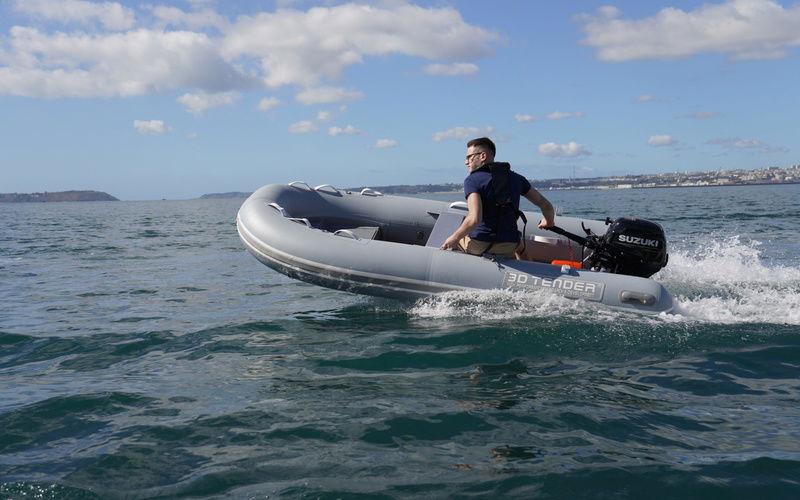
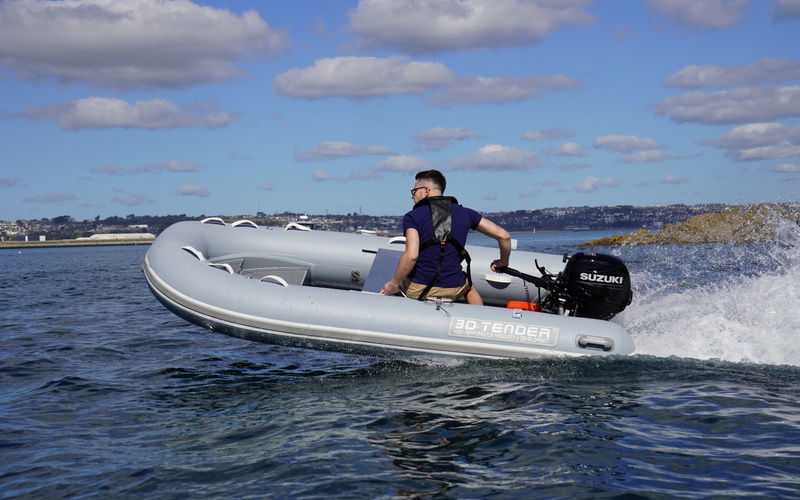
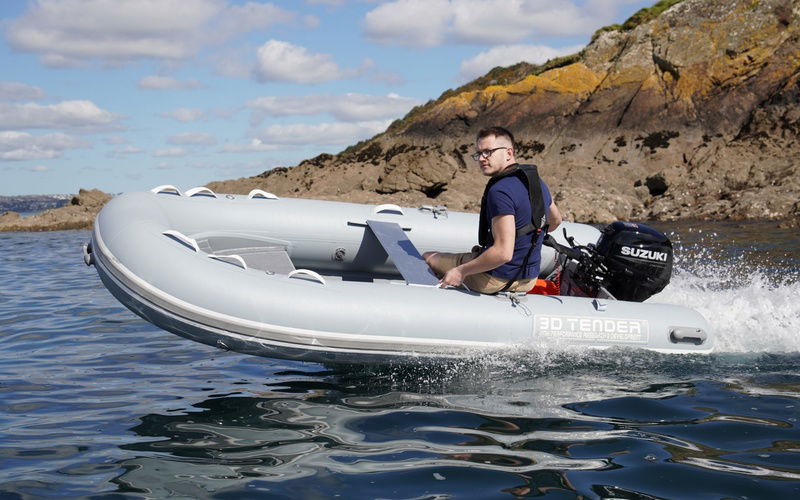
3D Tender Ultralight 330
Outboard four-stroke, Unleaded, 1x 20 HP
Power Boats 2014 3D Tender Ultralight 330 Review: How to Get the Best Out of a Lightweight Inflatable Tender
If you’re looking at the 2014 3D Tender Ultralight 330, you’re probably after one thing: a small boat that’s easy to handle without ...
Discover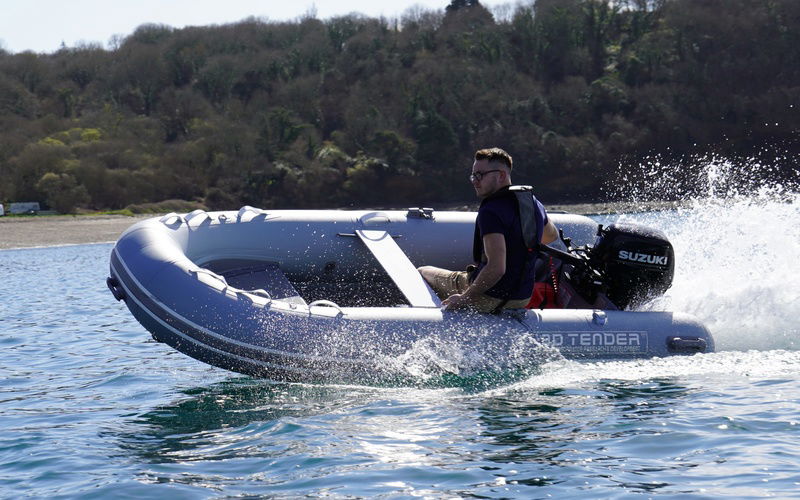
Images have been gathered from various sources and belong to their respective owners.
Review - 3D Tender Ultralight 330

MarineBroker
01/08/2024, 11:44 AM
2014 3D Tender Ultralight 330 Review: How to Get the Best Out of a Lightweight Inflatable Tender
If you’re looking at the 2014 3D Tender Ultralight 330, you’re probably after one thing: a small boat that’s easy to handle without giving up too much practicality. That’s exactly why compact inflatables like this model stay popular with cruisers, weekend boaters, and anyone who wants a simple tender that won’t turn every launch into a workout.
But here’s the catch. A lightweight inflatable can be a dream to store, carry, and launch — until you start dealing with real-world issues like stability, setup, motor matching, and load limits. Many owners and buyers underestimate how much performance depends on the right setup. A boat like the 2014 3D Tender Ultralight 330 can be excellent for short trips, shore runs, and tender duty, but only if you understand its strengths and limitations.
The good news is that most of the common problems are easy to solve once you know what to look for. In this article, we’ll break down what makes this model appealing, the most common challenges people run into, and the practical ways to make it safer, more efficient, and more enjoyable on the water.
- What Makes the 2014 3D Tender Ultralight 330 Stand Out
The 2014 3D Tender Ultralight 330 belongs to the category of compact inflatable tenders designed for convenience first. Its main appeal is simple: it’s light, manageable, and suited to boaters who want a no-fuss dinghy for short trips, transport, or as a secondary vessel.
A boat in this size class is usually chosen for:
- Easy lifting and carrying
- Compact storage on deck, in a garage, or in a car
- Quick launching and retrieval
- Lower fuel needs when paired with a small outboard
- Use as a tender for a larger yacht or cruiser
The “ultralight” concept matters here. For many owners, weight is the biggest factor. A lighter tender is easier to move around at anchor, easier to inflate and deflate, and less of a burden when you’re handling it solo. That makes the 2014 3D Tender Ultralight 330 a practical choice for boaters who value convenience over size.
Still, lightweight boats come with trade-offs. Less weight can mean more sensitivity to load distribution, wind, and chop. That doesn’t make the boat bad — it just means it works best when used with a bit of planning.
- The Main Problem Owners Face: Convenience vs. Performance
The most common issue with small inflatable tenders like the 2014 3D Tender Ultralight 330 is balancing portability with usable performance.
In plain terms, people want a boat that is:
- Easy to carry
- Stable enough to feel safe
- Efficient with a small engine
- Comfortable for short family trips or tender duty
That’s a lot to ask from a 3.3-meter inflatable.
Here’s where problems usually show up:
- The boat feels too light in wind or waves
- It becomes sluggish if overloaded
- The wrong outboard makes it inefficient
- Poor inflation pressure affects handling
- Weight placement causes the bow or stern to sit incorrectly
These issues are frustrating, but they’re usually not design failures. More often, they come from setup mistakes or unrealistic expectations. A compact inflatable is not meant to behave like a rigid console boat. It shines when you use it within its intended range.
- How to Solve the Common 2014 3D Tender Ultralight 330 Setup Issues
The best solution is to treat the boat as a lightweight tool rather than a mini cruiser. That means focusing on setup, trim, and load management.
- Match the motor to the boat’s purpose
One of the biggest mistakes is choosing a motor that’s too heavy or too powerful for the boat’s intended use. With a tender like the 2014 3D Tender Ultralight 330, the goal is usually controlled, efficient movement rather than high speed.
A small outboard is often the better choice because it:
- Keeps the boat light at the transom
- Improves handling
- Reduces fuel use
- Makes launching easier
If the engine is too heavy, the stern can sit low in the water, which affects stability and can make the boat feel slow or awkward. A lighter motor often gives better real-world results than a bigger one that sounds impressive on paper.
- Keep weight centered and low
Inflatable boats are sensitive to load placement. Even a few extra bags or a passenger sitting in the wrong spot can change the way the boat handles.
To improve performance:
- Keep heavy items near the center of the boat
- Avoid crowding the stern
- Distribute passengers evenly
- Store gear low and secure
This is especially important on a small hull like the 330. Good trim improves ride quality, fuel efficiency, and steering response.
- Inflate to the correct pressure
This sounds basic, but it’s one of the most overlooked issues. Underinflated tubes can make the boat feel soft, slow, and unstable. Overinflation can stress seams and fittings, especially in hot weather.
A properly inflated boat:
- Tracks better
- Feels more stable
- Rides more efficiently
- Responds more predictably to steering
Always check the manufacturer’s recommended pressure before launching. If you’re unsure, inspect the boat in the morning and again after it’s been sitting in the sun, since pressure can increase as the temperature rises.
- Use the boat in the right conditions
A compact inflatable tender is not built to tackle rough offshore conditions. The 2014 3D Tender Ultralight 330 is best used in sheltered waters, calm bays, marinas, and short coastal runs.
It performs best when:
- Winds are light to moderate
- Chop is minimal
- Distances are short
- Loads are modest
If you try to push a small tender beyond its comfort zone, it will feel underpowered and less secure. The practical solution is not to force the boat to do more, but to use it for the kind of trips it was designed to handle.
- Why a Lightweight Tender Is Often the Right Choice
For many boaters, the biggest benefit of a boat like the 2014 3D Tender Ultralight 330 is not speed or luxury. It’s convenience.
A lightweight tender solves several everyday boating problems:
- You don’t need a crane or a second person to move it
- It’s easier to stow on deck or in a garage
- It launches faster, which saves time at the dock or anchorage
- It’s simpler to tow or transport
- It reduces the hassle that often comes with owning a second boat
This matters most for cruisers and weekend users who want a practical way to get ashore, carry supplies, or make short trips without dealing with a heavy rigid dinghy.
In real terms, a lighter tender often gets used more because it’s less of a chore. That alone can make it a better choice than a larger boat that spends more time stored than afloat.
- 2014 3D Tender Ultralight 330: Best Uses and Ideal Owners
Not every boat fits every lifestyle. The 2014 3D Tender Ultralight 330 is a strong match for people who want simplicity and manageable size.
It’s especially suitable for:
- Yacht owners needing a compact tender
- Solo boaters who handle boats alone
- Families needing a short-range utility boat
- Campers or travelers who want easy transport
- Boaters with limited storage space
It’s less ideal for people who want:
- High-speed performance
- Long-distance cruising
- Heavy cargo carrying
- Frequent use in rough water
If your boating life is mostly about getting from point A to point B quickly and safely, this kind of inflatable makes a lot of sense. If you want comfort for extended outings, you’ll probably want something larger.
- Practical Maintenance Tips That Keep It Working Well
A small inflatable tender can last a long time if you take care of it properly. Maintenance is one of the easiest ways to avoid common problems.
- Rinse after use
Salt, sand, and grime wear down materials over time. A quick freshwater rinse after each outing helps protect the tubes, floor, valves, and fittings.
- Store it out of direct sunlight when possible
UV exposure is one of the biggest enemies of inflatable boats. If you can store the boat under cover or use a protective cover, you’ll help extend its life.
- Check valves and seams regularly
Small air leaks can turn into bigger issues if ignored. Inspect the boat before and after trips, especially if it’s been folded or stored for a while.
- Avoid dragging it over rough surfaces
Even “ultralight” construction still needs care. Dragging across rocks, concrete, or sharp sand can damage the material more quickly than normal use.
- Keep the floor and transom dry before storage
Moisture trapped during storage can lead to mildew, odor, and deterioration. A dry boat stores better and stays cleaner.
- How to Improve Stability and Comfort on a Small Inflatable
One of the most common concerns with compact boats is the feeling of instability. The good news is that stability can often be improved with a few simple habits.
Try these tips:
- Sit passengers evenly on both sides
- Avoid sudden movements in the boat
- Keep gear secured so it doesn’t shift
- Don’t overload the stern with fuel or equipment
- Use a low, balanced seating position when possible
Also, remember that inflatable tubes already provide a good amount of buoyancy. What often feels like “instability” is really just the boat reacting quickly to movement. Once you learn how it responds, it usually feels more predictable.
For beginners, the key is to move calmly and keep the load light. That makes the boat feel much more secure.
- Is the 2014 3D Tender Ultralight 330 Worth It?
The answer depends on what you need it for.
If you want a compact, easy-to-handle tender that can be launched quickly and stored without hassle, the 2014 3D Tender Ultralight 330 is a very sensible option. Its biggest strengths are convenience, portability, and simplicity.
If you expect it to behave like a larger rigid boat, you may be disappointed. But if you use it for what it does best — short trips, tender duty, and lightweight transport — it can be a very practical solution.
The smartest approach is to think in terms of fit:
- Does it match your storage space?
- Can you handle it alone?
- Will you use it mostly in calm water?
- Do you need a boat that is easy to carry and maintain?
If the answer is yes, this model has a lot going for it.
- Buying and Ownership Tips for Interested Boaters
If you’re considering a used 2014 3D Tender Ultralight 330, inspect it carefully before committing. Age matters less than condition, especially with inflatable boats.
Check for:
- Tube wear or patches
- Air leaks
- Valve condition
- Floor integrity
- Transom firmness
- UV damage or brittleness
- Signs of poor storage
Ask how it was used:
- Freshwater or saltwater?
- Stored inflated or folded?
- Used regularly or left unused for long periods?
A well-cared-for inflatable can be a great buy. A neglected one may cost more in repairs than it saves upfront.
If you already own one, the best investment is usually not a major modification. It’s proper setup, careful loading, and consistent maintenance.
- Final Thoughts on Getting the Most From the 2014 3D Tender Ultralight 330
The 2014 3D Tender Ultralight 330 is a good example of a boat that works best when expectations are realistic and setup is done right. Its lightweight design makes it easy to live with, but that same feature means it benefits from careful weight distribution, correct inflation, and a sensible motor choice.
For boaters who want a simple, portable tender for calm-water use, it can be a very practical solution. The key is not to fight its size — it’s to use its strengths well. Keep the load light, maintain it properly, and choose conditions that suit a compact inflatable. Do that, and you’ll get far more value and enjoyment from it. If you’re comparing options, it’s worth learning how different ultralight tenders perform in real-world use before making a final decision.
Specifications
General
Boat Type: Power Boats
Class Type: Rigid Inflatable Boats
Specifications
Length: 10.83
Beam: 5.12
Draft: 0.98
Hull Material: Aluminium
Build
First Built: 2014
Propulsion
Fuel Type: Unleaded
Engines: 1
Power: 20 HP
Brand: Unknown
Accomodation
Berths: 1
Cabins: 1
Bathrooms: 1
PROS & CONS
What we appreciated
 Lightweight and easy to transport due to ultralight constructionDurable materials suitable for various water conditionsCompact size ideal for use as a tender or small recreational boatGood stability and maneuverability for its sizeRelatively low maintenance compared to larger boats
What we didn’t appreciate
 Limited passenger and cargo capacity due to small sizeNot suitable for rough or open watersMinimal onboard amenities and comfort featuresOlder model may lack modern design improvementsPotentially lower resale value compared to newer models
Upkeep Costs
Fuel costs: Approximately $300-$600 annually depending on usage
Maintenance and repairs: Around $400-$700 per year
Storage and winterization: $200-$500 annually
Insurance: $150-$300 per year
Registration and licensing: $50-$150 annually
Rating
4.2
User
Score
Score
Driveability
Technology
Interior
Design
Similar Boats


MarineBroker
Download now for an immersive boat experience like never before! ⛵✨ Your journey begins with a simple click. 🌊📲
#SetSailSmart #DownloadNow
#SetSailSmart #DownloadNow

Subscribe
Copyright 2017 - 2026, Marinebroker.net, All Rights Reserved