Boat Database » AB Inflatables Lammina 10 UL
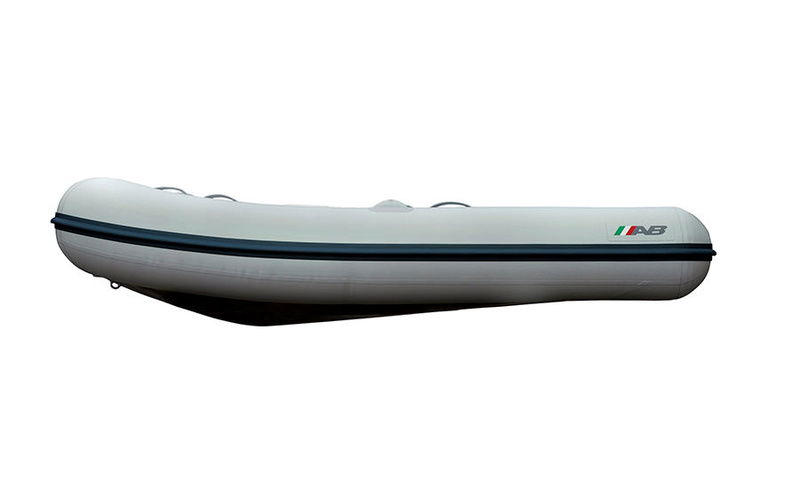
AB Inflatables Lammina 10 UL
Outboard four-stroke, Unleaded, 1x 10 HP
Power Boats 2013 AB Inflatables Lammina 10 UL: How to Handle, Maintain, and Get the Most from a Lightweight Tender
If you’re looking at a 2013 AB Inflatables Lammina 10 UL, chances are you already know the appeal: it’s a lightweight aluminum...
Discover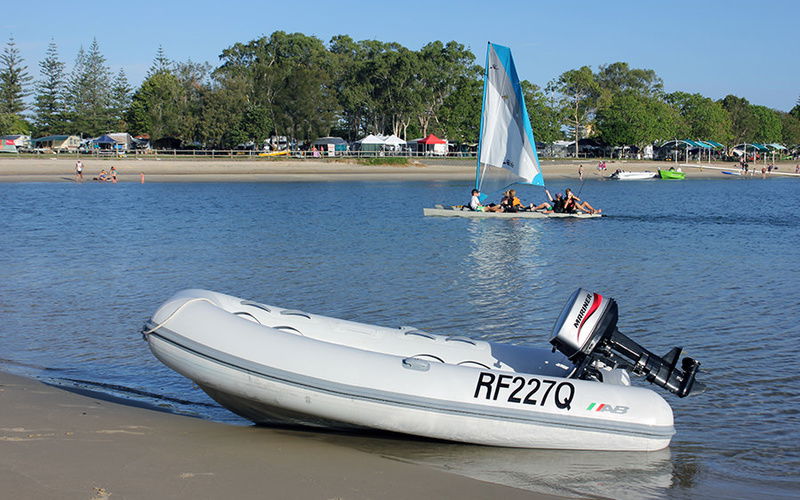


Images have been gathered from various sources and belong to their respective owners.
Latest Market Trends (Latest Available Year Model)
Price: $6,036
Review - AB Inflatables Lammina 10 UL

MarineBroker
01/16/2024, 4:52 AM
2013 AB Inflatables Lammina 10 UL: How to Handle, Maintain, and Get the Most from a Lightweight Tender
If you’re looking at a 2013 AB Inflatables Lammina 10 UL, chances are you already know the appeal: it’s a lightweight aluminum-hull tender that’s easy to lift, easy to tow, and simple to store. But like many owners of compact inflatables, the real challenge usually isn’t deciding whether the boat is useful — it’s figuring out how to keep it performing well without making every outing feel like a chore.
A tender like the 2013 AB Inflatables Lammina 10 UL is often used in situations where convenience matters most: docking runs, short coastal hops, anchoring out, or as a dependable dinghy for a larger vessel. The problem is that small boats are easy to underestimate. They can be affected by improper inflation, poor trim, weak fuel choices, worn accessories, and even simple storage mistakes. Over time, those small issues can turn a great little boat into one that feels unstable, sluggish, or harder to manage than it should be.
The good news? Most of those headaches are very preventable. With a few practical habits, you can keep a Lammina 10 UL running smoothly, handling predictably, and lasting longer. Let’s walk through the common issues owners face and the easiest ways to solve them.
- What Makes the 2013 AB Inflatables Lammina 10 UL a Popular Tender?
The 2013 AB Inflatables Lammina 10 UL belongs to a category of boats that are designed to do a lot with very little. At around 10 feet in length, it’s compact enough for easy storage but still useful enough for real-world boating tasks.
Its aluminum hull is one of the biggest reasons people like it. Compared to some heavier rigid tenders, the Lammina line is known for being lighter and easier to handle, which matters when you’re lifting it onto davits, dragging it ashore, or loading it onto a swim platform.
Here’s why this kind of tender remains appealing:
- Lightweight construction makes transport easier
- Aluminum hull improves durability in everyday use
- Inflatable tubes add buoyancy and stability
- Compact size works well as a yacht tender or runabout
- Simple layout keeps maintenance manageable
For many owners, the main advantage is convenience. You don’t need a large crew or complicated setup to use it. But that same simplicity means it performs best when it’s cared for consistently.
- The Most Common Problem: Small Tender Issues Add Up Fast
With a boat like the 2013 AB Inflatables Lammina 10 UL, the biggest issue is usually not one dramatic failure. It’s the slow buildup of small problems.
A little underinflation here, a dirty hull there, a weak battery, a loose fitting, or a prop that isn’t matched well to the engine can all combine to make the boat feel less responsive. Since this is a compact tender, even minor changes in weight distribution or setup can be noticeable.
Common symptoms owners notice include:
- Sluggish acceleration
- More spray than expected
- Poor stability at rest or underway
- Uneven tube pressure
- Harder planing with a small outboard
- Excess wear on seams, valves, or fittings
The practical solution is to treat the boat like the efficient little machine it is. Small boats reward consistency. If you keep a close eye on setup, inflation, load balance, and cleaning, the boat will usually repay you with better handling and longer service life.
- How to Keep the 2013 AB Inflatables Lammina 10 UL Performing Well
A tender this size doesn’t need complicated upkeep, but it does need routine attention. Think of it like a well-used tool: if you clean it, inspect it, and store it properly, it stays reliable.
- Check Tube Pressure Before Every Use
Inflatable tubes are one of the biggest factors in how the boat feels on the water. Underinflated tubes can make the boat feel soft, draggy, and less stable. Overinflation, especially in hot weather, can put stress on seams and valves.
Best practice:
- Check pressure before launching
- Adjust for temperature changes
- Use the manufacturer’s recommended PSI
- Recheck after the boat sits in the sun
A simple pressure check can make a surprising difference in performance. Many owners are amazed at how much better the boat rides once the tubes are properly inflated.
- Keep Weight Balanced
Weight distribution matters a lot on small inflatables. If everyone sits in the stern, the boat may squat, plane poorly, and spray more. If gear is piled unevenly, the boat may feel twitchy or lean to one side.
Try this:
- Place heavier items low and centered
- Keep passengers balanced fore and aft
- Don’t overload the bow or stern
- Move fuel and batteries to improve trim if needed
If you’re using the Lammina as a dinghy, think about the order in which people and gear get onboard. Even small shifts can change how the boat handles.
- Match the Outboard to the Boat’s Real Use
A 10-foot tender works best with an outboard that fits the boat’s intended purpose. Too little power makes it struggle to plane. Too much power can make it uncomfortable or unsafe if the setup isn’t right.
When choosing or maintaining engine setup, consider:
- Typical passenger load
- Local water conditions
- Whether you need quick planing or just short shuttle trips
- Fuel efficiency versus speed
- Shaft length compatibility
For many owners, the best solution is not chasing maximum horsepower. It’s choosing a reliable motor that gives smooth starts, predictable throttle response, and enough power for the conditions you actually face.
- Inspect the Hull and Tubes Regularly
Even durable boats need regular visual checks. Aluminum hulls are tough, but they can still pick up dents, scrapes, or corrosion if neglected. Inflatable tubes can suffer from abrasion, UV exposure, and valve wear.
Look for:
- Scratches or gouges on the hull
- Loose hardware
- Soft spots or air loss in the tubes
- Failing glue seams
- Cracks around fittings and handles
It’s easier to fix small issues early than to deal with bigger repairs later. A five-minute inspection before and after use can save a lot of trouble.
- Cleaning and Care Tips for Long-Term Reliability
A boat that’s used frequently around saltwater needs regular cleaning. Salt, sand, and sunscreen residue can all shorten the life of materials if left behind.
Here’s a simple cleaning routine:
1. Rinse the hull and tubes with fresh water after use
2. Wash with a mild boat soap when needed
3. Dry the boat before storage
4. Pay attention to valve areas, seams, and hardware
5. Avoid harsh cleaners that can damage fabric or coatings
If you operate in saltwater, rinsing is especially important. Salt crystals can work their way into seams and hardware, causing wear over time. A quick rinse after every trip is one of the easiest habits you can build.
- How to Improve Handling on a Small Inflatable Tender
Handling problems are one of the most common frustrations for owners of compact tenders. The good news is that most of them can be improved without major upgrades.
- Reduce Drag Where Possible
A small boat can lose efficiency quickly if it’s carrying unnecessary drag. This might come from too much gear, a dirty hull, or a motor that isn’t trimmed correctly.
To reduce drag:
- Keep the bottom clean
- Remove unnecessary items from the boat
- Trim the motor properly
- Avoid excessive bow-up attitude
- Make sure the hull is not sitting low from overload
Even a light layer of marine growth can affect performance on a small tender. Because the boat is compact, every bit of resistance matters.
- Use Proper Trim
Trim affects how the boat rides, how it planes, and how much spray it throws. If the motor is trimmed too far in or out, the boat may feel unstable or inefficient.
Signs of poor trim include:
- Bow riding too high
- Excessive porpoising
- Heavy steering
- Spray coming over the sides
- Slow planing
Experiment carefully with trim until the boat feels balanced. Small adjustments often solve what feels like a much bigger problem.
- Watch the Conditions
A 10-foot tender is not meant to behave like a larger center console. Wind, chop, and current can have a much bigger effect on a light inflatable.
For better control:
- Stay aware of wind direction
- Reduce speed in rough water
- Avoid sudden turns at high throttle
- Keep a steady hand in crosswinds
- Don’t overload in choppy conditions
Sometimes the best solution is simply adjusting expectations. A small tender can be very capable, but it works best when used within its limits.
- Storage Tips That Help the 2013 AB Inflatables Lammina 10 UL Last Longer
Storage is where many boats lose value and performance. If you want a 2013 AB Inflatables Lammina 10 UL to stay in good shape, how you store it matters just as much as how you use it.
- Store Out of Direct Sun When Possible
UV exposure is tough on inflatable materials over time. Even though modern marine fabrics are built for outdoor use, constant sun exposure can still accelerate fading and material fatigue.
Best storage habits:
- Keep the boat covered
- Store in shade or indoors when possible
- Use a breathable cover to reduce moisture buildup
- Avoid leaving it inflated in extreme heat for long periods
Heat can also increase air pressure inside the tubes, so a boat left in direct sun should be checked periodically.
- Avoid Moisture Traps
Storing a damp boat can lead to mildew, odors, and corrosion. It can also shorten the life of accessories and hardware.
Before storage:
- Let the boat dry completely
- Open compartments if applicable
- Remove standing water
- Dry under seats and around fittings
- Store gear separately if it’s wet
A dry boat is a healthier boat. It’s that simple.
- Deflate or Keep Inflated Based on Use
Some owners prefer to keep their tender inflated for quick access. Others deflate it for compact storage. Either can work, depending on your setup.
Choose the method that fits your routine:
- Keep inflated if the boat is used often and stored in a protected area
- Deflate if space is limited or the boat is stored for long periods
- Avoid folding the tubes in the same creases every time
- Make sure the hull is supported properly during storage
The key is consistency. Repeated bad folding or poor support can create long-term wear.
- Practical Upgrades That Make a Big Difference
You don’t need to overhaul a tender to improve how it works. A few small upgrades can make the 2013 AB Inflatables Lammina 10 UL easier to use and more comfortable.
Consider these useful additions:
- A quality seat or bench cushion for comfort
- A better anchor setup for quick stops
- Chafe protection at lift points
- Tube covers or UV protection
- A reliable fuel tank and line setup
- Drain plugs and accessories kept in good condition
These aren’t flashy upgrades, but they help the boat feel more refined and easier to manage. On a small tender, convenience often matters more than anything else.
- When It’s Time to Inspect or Repair
No matter how well you care for it, every boat eventually needs attention. The trick is catching issues early.
You should inspect more closely if you notice:
- Air loss overnight
- New soft spots in the tubes
- Persistent steering changes
- Unusual vibration from the engine
- Water collecting where it shouldn’t
- Corrosion on fittings or fasteners
If the problem is minor, you may be able to handle it with cleaning, tightening, resealing, or patching. If it involves structural damage, valve failure, or hull issues, it’s worth getting professional help.
The smartest approach is to act quickly. Small repairs are usually cheaper, easier, and less disruptive than waiting until the boat becomes unreliable.
- Why the Right Routine Matters More Than Fancy Gear
A lot of boaters assume better performance comes from bigger engines or expensive accessories. Sometimes upgrades help, but with a compact tender like the 2013 AB Inflatables Lammina 10 UL, routine care usually makes the biggest difference.
That means:
- Proper inflation every time
- Balanced loading
- Clean surfaces
- Smart storage
- Regular inspections
- Careful handling around docks and beaches
This kind of boat is designed to be practical. If you treat it like a dependable utility craft rather than a disposable dinghy, it will usually serve you well for years.
- A Simple Maintenance Checklist for Owners
If you want an easy routine to follow, use this checklist:
- Check tube pressure before launching
- Inspect hull, seams, and fittings
- Confirm drain plugs and valves are secure
- Balance passengers and gear
- Rinse with fresh water after use
- Dry thoroughly before storage
- Keep the motor serviced on schedule
- Look for UV, abrasion, or corrosion damage
This kind of routine doesn’t take long, but it can dramatically improve reliability and lifespan.
- Conclusion
The 2013 AB Inflatables Lammina 10 UL is a great example of a small tender that can do a lot when it’s properly maintained and used with a little care. Most of the common frustrations owners face — poor handling, reduced performance, or early wear — usually come down to simple issues like inflation, weight balance, cleaning, and storage.
The practical solution is not complicated: stay consistent. A quick inspection, proper tube pressure, smart loading, and regular rinsing can go a long way toward keeping the boat dependable and easy to use. If you’re trying to get the most from this tender, focus on the basics first. That’s where the biggest gains usually are.
If you want, I can also turn this into a more search-focused version with meta title, meta description, and FAQ section for WordPress.
Specifications
General
Boat Type: Power Boats
Class Type: Rigid Inflatable Boats
Specifications
Length: 10.01
Beam: 5.51
Draft: 1.31
Hull Material: Aluminium
Build
First Built: 2013
Propulsion
Fuel Type: Unleaded
Engines: 1
Power: 10 HP
Brand: Unknown
Accomodation
PROS & CONS
What we appreciated
 Lightweight and easy to transport due to the Ultra Light (UL) designDurable Hypalon material offers excellent resistance to UV rays, abrasion, and chemicalsHigh-performance hull design provides good stability and smooth rideSpacious and comfortable layout for a 10-foot inflatable boatQuick to inflate and deflate, making it convenient for storage and deployment
What we didn’t appreciate
 Limited load capacity compared to larger rigid boatsSmaller size may restrict usage in rougher waters or for larger groupsInflatable construction requires regular maintenance to prevent puncturesHigher price point relative to some other inflatable boats in the same size categoryLess insulation and noise reduction compared to rigid hull boats
Upkeep Costs
Fuel: Approximately $1,200 - $2,000 per year depending on usage
Maintenance and Repairs: Around $500 - $1,000 annually
Insurance: Typically $300 - $600 per year
Storage: $500 - $1,500 per year depending on location and type of storage
Registration and Taxes: $50 - $200 per year depending on local regulations
Rating
4.3
User
Score
Score
Driveability
Technology
Interior
Design
Similar Boats


MarineBroker
Download now for an immersive boat experience like never before! ⛵✨ Your journey begins with a simple click. 🌊📲
#SetSailSmart #DownloadNow
#SetSailSmart #DownloadNow

Subscribe
Copyright 2017 - 2026, Marinebroker.net, All Rights Reserved