Boat Database » AB Inflatables Nautilus 19 DLX I-O
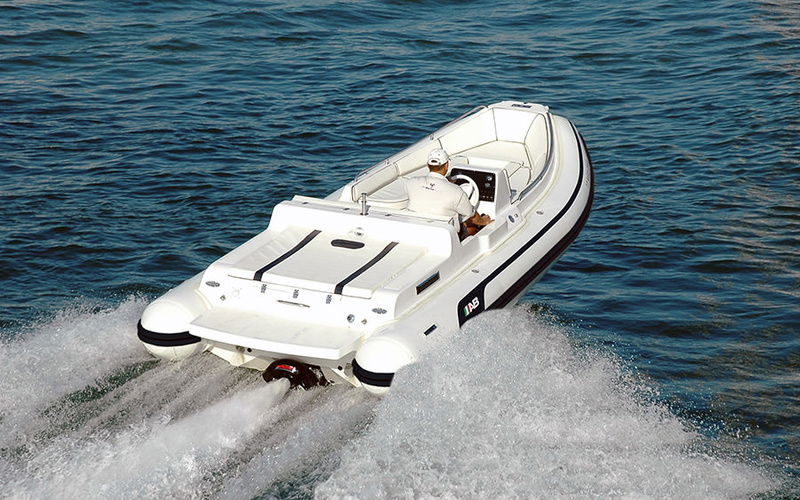
AB Inflatables Nautilus 19 DLX I-O
Outboard four-stroke, Unleaded, 1x 220 HP
Power Boats 2014 AB Inflatables Nautilus 19 DLX I-O: How to Keep It Running Smoothly and Avoid Common Ownership Headaches
If you’re looking into the 2014 AB Inflatables Nautilus 19 DLX I-O, chances are you already know it’s a versatile infla...
Discover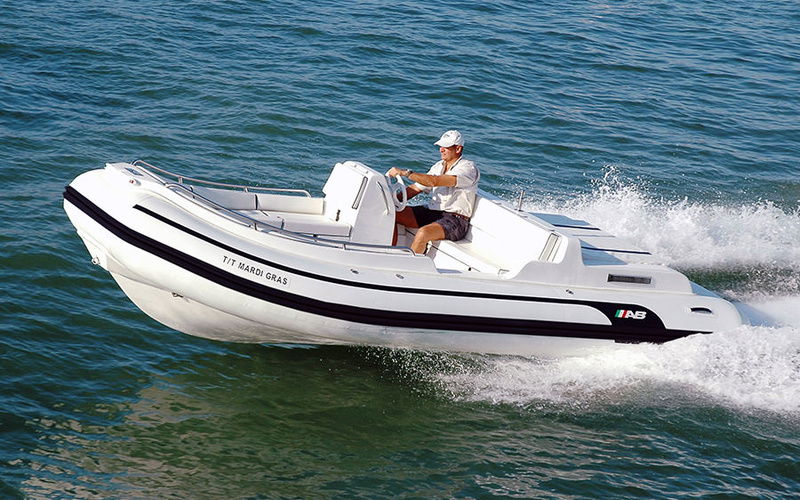

Images have been gathered from various sources and belong to their respective owners.
Review - AB Inflatables Nautilus 19 DLX I-O

MarineBroker
01/12/2024, 11:59 AM
2014 AB Inflatables Nautilus 19 DLX I-O: How to Keep It Running Smoothly and Avoid Common Ownership Headaches
If you’re looking into the 2014 AB Inflatables Nautilus 19 DLX I-O, chances are you already know it’s a versatile inflatable boat with a lot going for it. It’s compact enough to handle easily, but still big enough to serve as a fun family runabout, tender, or light-duty day boat. That balance is exactly why so many boaters are drawn to it.
But like a lot of boats in this category, the real challenge usually isn’t the purchase itself — it’s the upkeep, setup, and long-term ownership side of things. Inflatable tubes need attention, the hull and outboard setup need to be inspected carefully, and the I/O configuration can bring its own maintenance questions. If you’re trying to figure out whether this boat is a smart buy, how to care for one, or how to solve common issues before they become expensive problems, you’re in the right place.
The good news is that most headaches with the 2014 AB Inflatables Nautilus 19 DLX I-O can be prevented with a few practical habits and a clear maintenance plan.
- What Makes the 2014 AB Inflatables Nautilus 19 DLX I-O Worth Understanding
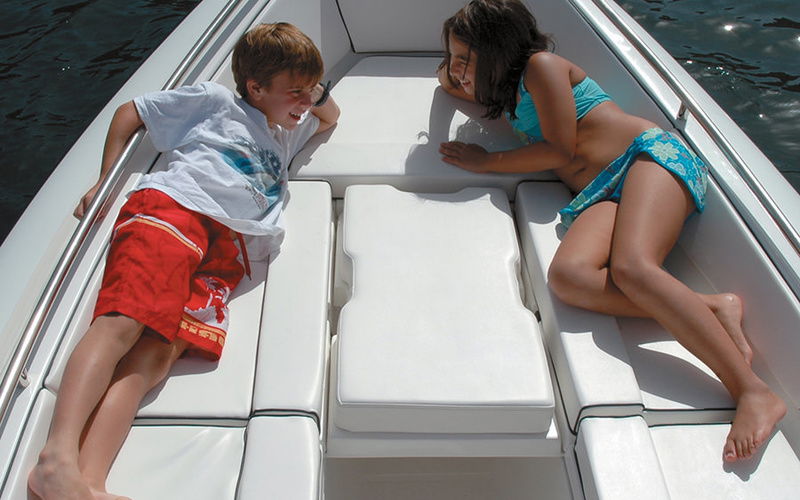
The Nautilus 19 DLX I-O sits in a sweet spot for boaters who want a manageable platform without giving up comfort or versatility. At around 19 feet, it’s small enough to trailer, store, and launch without a huge hassle, yet substantial enough to feel stable on the water.
AB Inflatables has a reputation for building quality rigid inflatable boats and tenders, and that matters. On a boat like this, construction quality affects everything from ride comfort to how much maintenance you’ll face later. For buyers and owners, the key is understanding that this boat is not just about size or horsepower. It’s about how well the hull, tubes, and drivetrain work together.
People interested in the 2014 AB Inflatables Nautilus 19 DLX I-O are often looking for one of three things:
- A reliable family boat for casual cruising
- A capable tender or utility boat with better comfort
- A compact inflatable that’s easier to own than a larger fiberglass boat
That makes the decision process a little different from shopping for a standard runabout. You’re not only checking performance — you’re checking materials, maintenance needs, and how the boat has been stored and used.
- The Main Problem: Small Boats Can Be Great, But Neglect Gets Expensive Fast
The biggest issue with boats like the 2014 AB Inflatables Nautilus 19 DLX I-O is simple: they can look fine on the outside while hiding maintenance problems underneath.
That’s especially true if the boat has seen a few seasons of use, sat unused for long periods, or was stored outdoors without proper care. Inflatable boats are durable, but they’re not “set it and forget it” machines. The tubes, seams, valves, flooring, engine system, and trailer all need attention.
Common pain points include:
- Air leaks or soft tubes
- UV damage from sun exposure
- Corrosion around hardware and engine components
- Fuel or electrical issues from sitting idle
- Wear around the transom or mounting points
- Problems caused by poor winterization or storage
For buyers, this creates uncertainty. For owners, it can turn into a cycle of small repairs that slowly add up. The good news is that most of these problems are manageable if you know what to look for and how to stay ahead of them.
- 2014 AB Inflatables Nautilus 19 DLX I-O: What to Check Before Buying or Using
If you’re evaluating this boat, don’t just focus on appearance. A clean-looking inflatable can still have hidden issues. A careful inspection can save you from a lot of frustration later.
Here’s what to check first:
- Tubes and seams
Look for fading, cracking, patching, or uneven inflation. Run your hands along the seams and valve areas. If one section feels softer than the others, that may point to a leak or valve problem.
- Hull condition
Inspect the rigid hull for stress cracks, repairs, or signs of impact. The hull should feel solid, with no unusual flexing or soft spots.
- Transom and mounting areas
Since this is an I-O setup, the transom area deserves extra attention. Check for corrosion, water intrusion, loose fittings, or signs that the engine mount has been stressed.
- Engine and drivetrain
Start the engine if possible. Listen for rough idling, hesitation, or unusual vibration. Check fluid condition, hose routing, and any visible corrosion.
- Electrical system
Test the lights, switches, bilge pump, and any installed electronics. Electrical issues are common on boats that have been stored poorly.
- Trailer and launch gear
If the boat comes with a trailer, inspect bearings, tires, lights, winch, and bunk supports. A bad trailer can create problems even if the boat itself is in great shape.
A good rule of thumb: if a seller can’t clearly explain maintenance history, assume you’ll need to do more work after purchase.
- Common Ownership Problems and How to Solve Them
Owning the 2014 AB Inflatables Nautilus 19 DLX I-O can be enjoyable, but a few recurring issues tend to show up with boats in this class. The solution is usually not complicated — it just requires consistency.
- Soft tubes or slow air loss
This is one of the most common inflatable boat complaints. Sometimes it’s a valve issue, sometimes a tiny puncture, and sometimes it’s just temperature-related pressure change.
What to do:
- Inflate the tubes fully and mark pressure levels
- Spray suspected areas with soapy water to find bubbles
- Inspect valves for dirt, wear, or loose caps
- Keep the boat out of direct sunlight when not in use
- Use a proper cover to reduce UV damage
- Corrosion on hardware and engine parts
Saltwater exposure, or even humid storage conditions, can cause corrosion quickly. Stainless hardware helps, but it doesn’t eliminate the problem.
What to do:
- Rinse after every use, especially in saltwater
- Flush the engine regularly
- Apply marine corrosion protection spray where appropriate
- Inspect clamps, fasteners, and electrical terminals often
- Replace suspicious hardware before it fails
- Fuel system problems
Boats that sit for weeks or months often develop stale fuel, clogged filters, or carburetor issues. Modern fuel systems are still vulnerable if the fuel isn’t treated properly.
What to do:
- Use fresh fuel and marine stabilizer
- Avoid leaving old fuel in the tank for long periods
- Replace fuel filters on schedule
- Inspect fuel lines for cracking or stiffness
- Run the engine regularly during storage periods
- Electrical gremlins
Loose connections, moisture intrusion, and aging wiring can cause frustrating intermittent problems.
What to do:
- Check battery health before each season
- Clean terminals and keep them tight
- Protect connections with dielectric grease
- Inspect wiring for chafe or corrosion
- Keep a simple maintenance log
- Hard starts or rough running
This can happen if the engine hasn’t been serviced or if the boat was stored improperly.
What to do:
- Change spark plugs and fluids on schedule
- Check the fuel filter and water separator
- Make sure the battery is fully charged
- Inspect the propeller for damage
- Have compression checked if problems persist
- How to Make the 2014 AB Inflatables Nautilus 19 DLX I-O Easier to Own
A lot of boat ownership stress comes from not having a routine. The fix is usually a simple system that keeps you from reacting to problems too late.
Here’s a practical ownership plan:
- Before each outing
- Check tube pressure
- Inspect the hull and transom area
- Test battery voltage
- Confirm fuel level and engine readiness
- Make sure safety gear is onboard
- After each outing
- Rinse the boat thoroughly
- Flush the engine if used in saltwater
- Dry the boat before covering it
- Inspect for new wear or damage
- Recharge batteries if needed
- Monthly
- Check all fittings and fasteners
- Inspect fuel lines and electrical connections
- Test bilge pump and navigation lights
- Look for signs of mildew or trapped moisture
- Seasonal
- Change engine fluids and filters
- Inspect the trailer
- Review tube condition and seam integrity
- Reapply protectants where needed
- Winterize properly before storage
This kind of routine may sound basic, but it prevents most of the expensive surprises boaters hate dealing with.
- Why Storage Matters More Than Most People Think
If there’s one area that makes or breaks ownership of a boat like the 2014 AB Inflatables Nautilus 19 DLX I-O, it’s storage.
Poor storage causes more damage than many owners realize. Sun, moisture, and temperature swings can degrade tubes, dry out seals, and create corrosion in electrical and engine systems.
Best storage practices include:
- Keep the boat covered when not in use
- Store it out of direct sunlight whenever possible
- Avoid leaving the tubes fully pressurized for long periods in extreme heat
- Make sure the interior is dry before storage
- Disconnect or maintain the battery properly
- Use a breathable cover to reduce mildew buildup
If the boat is stored outdoors, check it more frequently. A quick inspection every couple of weeks can prevent a small issue from becoming a big repair bill.
- How the I-O Setup Changes the Ownership Experience
The I-O configuration adds another layer to the ownership experience. Some boaters like the balance and handling; others prefer simpler propulsion systems. Either way, the key is understanding that an I-O setup needs consistent attention.
Things to keep in mind:
- The engine and drive components need regular inspection
- Corrosion prevention is especially important
- Alignment and mounting hardware should be checked periodically
- Maintenance intervals should never be skipped
If you’re used to smaller outboard-only boats, the I-O setup may feel a little more involved. But with good habits, it can still be manageable. The main advantage is that you get a compact boat platform that can offer a smooth, capable ride when properly maintained.
- Practical Buying Tips for People Interested in the 2014 AB Inflatables Nautilus 19 DLX I-O
If you’re shopping for one of these boats, focus on value rather than just price. A cheap boat with hidden problems is usually more expensive in the long run than a slightly pricier one with documented care.
Use this checklist:
- Ask for maintenance records
- Verify storage conditions
- Inspect the tubes in bright daylight
- Check the engine hours and service history
- Test all onboard systems
- Look closely at the transom and mounting points
- Inspect the trailer as carefully as the boat
If possible, take the boat on the water before buying. Performance under load can reveal issues that a dockside inspection won’t catch.
Watch for:
- Hard planing
- Excessive vibration
- Steering problems
- Water intrusion
- Slow acceleration
- Electrical failures during operation
If any of those show up, ask questions before moving forward.
- Best Practices for Long-Term Reliability
The boats that age well usually have one thing in common: owners who stay proactive.
To keep the 2014 AB Inflatables Nautilus 19 DLX I-O in good shape over time:
- Use it regularly
- Clean it after each trip
- Fix small issues immediately
- Keep a maintenance log
- Store it correctly
- Don’t ignore changes in performance
It’s also smart to keep a few basics onboard or in your garage:
- Tube repair kit
- Spare fuses
- Basic hand tools
- Corrosion spray
- Fuel stabilizer
- Pump and pressure gauge
These items won’t solve every problem, but they make it much easier to handle minor issues before they ruin a day on the water.
- Is the 2014 AB Inflatables Nautilus 19 DLX I-O a Good Fit?
For the right owner, yes. This boat makes sense if you want a compact, versatile inflatable with a solid reputation and manageable size. It can be a good fit for relaxed cruising, practical utility use, or as a boat that’s easier to handle than a larger fiberglass rig.
But the best ownership experience comes from being realistic. A boat like this rewards regular care. If you want low maintenance with no routine checks, any inflatable or I-O setup will probably frustrate you.
If you’re willing to stay on top of inspections, cleaning, and basic service, the Nautilus 19 DLX I-O can be a practical and enjoyable choice.
- Conclusion
The 2014 AB Inflatables Nautilus 19 DLX I-O is the kind of boat that can deliver a lot of value when it’s cared for properly. Most of the common problems people run into — from soft tubes to engine issues to corrosion — are not mysterious. They usually come down to maintenance, storage, and inspection habits.
If you’re evaluating one, take your time and inspect it carefully. If you already own one, build a simple routine and stick to it. That’s the easiest way to protect your investment and keep your time on the water stress-free. For anyone interested in this model, the smartest approach is not just buying the boat — it’s learning how to keep it in good shape for the long haul.
Specifications
General
Boat Type: Power Boats
Class Type: Rigid Inflatable Boats
Specifications
Length: 19
Beam: 8.33
Draft: 1.67
Hull Material: GRP
Build
First Built: 2014
Propulsion
Fuel Type: Unleaded
Engines: 1
Power: 220 HP
Brand: Unknown
Accomodation
PROS & CONS
What we appreciated
 Durable Hypalon material construction for excellent resistance to UV and abrasionSpacious and stable design suitable for family and recreational useInboard-outboard (I-O) engine setup provides better handling and reduced noiseLightweight and easy to tow due to inflatable designGood storage options and comfortable seating layout
What we didn’t appreciate
 Higher maintenance compared to hard boats due to inflatable tubesInboard-outboard engines can be more complex and costly to serviceLimited speed and power compared to larger rigid-hull boatsInflatable tubes susceptible to punctures despite durable materialLess insulation from rough water impacts compared to rigid hulls
Upkeep Costs
Fuel: Approximately $2 to $4 per hour depending on usage and fuel prices
Maintenance: Around $500 to $1,000 annually including engine service and boat care
Insurance: Typically $300 to $600 per year depending on coverage and location
Storage: $500 to $1,500 annually depending on location and type of storage
Registration and Licensing: $50 to $200 per year depending on state or country
Rating
6.5
User
Score
Score
Driveability
Technology
Interior
Design
Similar Boats


MarineBroker
Download now for an immersive boat experience like never before! ⛵✨ Your journey begins with a simple click. 🌊📲
#SetSailSmart #DownloadNow
#SetSailSmart #DownloadNow

Subscribe
Copyright 2017 - 2026, Marinebroker.net, All Rights Reserved