Boat Type: Power Boats
Boat Class: Rigid Inflatable Boats
Length: 10.99 ft
Berths: 1
Cabins: 1
Bathrooms: 1
Max Persons: 4
Boat Database » AB Inflatables Nautilus 11 DLX
AB Inflatables Nautilus 11 DLX
Outboard four-stroke, Unleaded, 1x 40 HP
Power Boats 2003 AB Inflatables Nautilus 11 DLX: What Owners Should Know Before Buying, Using, or Restoring One
The 2003 AB Inflatables Nautilus 11 DLX is the kind of tender that catches your eye for good reason. It’s compact, lightweight, a...
Discover
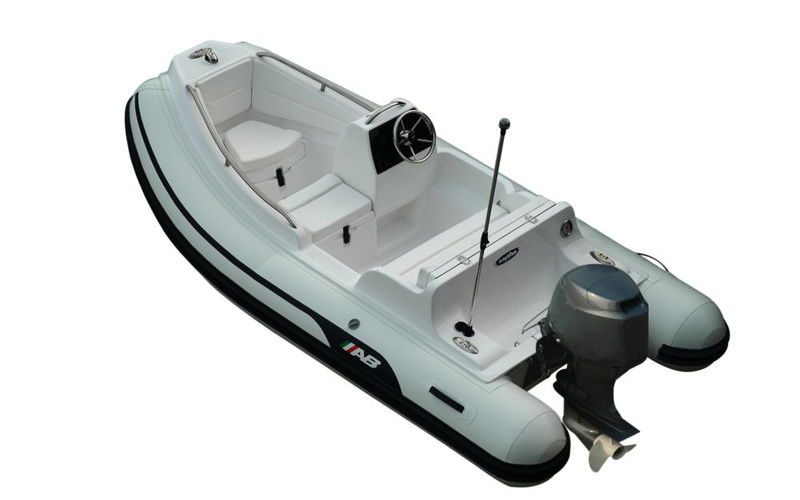
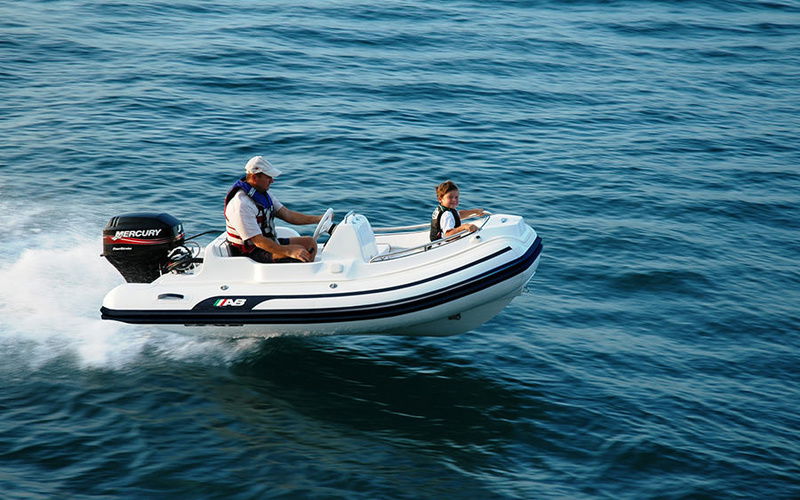

Images have been gathered from various sources and belong to their respective owners.
Latest Market Trends (Latest Available Year Model)
Price: $30,877
Review - AB Inflatables Nautilus 11 DLX

MarineBroker
01/10/2024, 5:01 PM
2003 AB Inflatables Nautilus 11 DLX: What Owners Should Know Before Buying, Using, or Restoring One
The 2003 AB Inflatables Nautilus 11 DLX is the kind of tender that catches your eye for good reason. It’s compact, lightweight, and built with the practical DNA that made AB Inflatables popular with cruising boaters and dinghy owners who want something dependable without a lot of fuss. But if you’re researching this specific model, you’re probably not just curious about specs. You’re likely trying to answer a more useful question: is it still a smart boat to own, and what should you watch out for before you commit to one?
That’s where many buyers and current owners run into the same issue. Older inflatable boats can look fine at first glance, but age, storage history, UV exposure, and engine setup all matter a lot more than many people expect. A boat like the 2003 AB Inflatables Nautilus 11 DLX can still be a solid little workhorse, but only if you know how to evaluate its condition and keep it maintained properly. The good news is that most of the common problems are manageable once you know what to inspect and how to care for the boat the right way.
- Understanding the 2003 AB Inflatables Nautilus 11 DLX
The Nautilus line from AB Inflatables was designed with practical use in mind. The 11 DLX model sits in that sweet spot where it’s small enough to handle easily, but large enough to serve as a reliable tender or day-use inflatable for short trips, shore runs, and light cargo transport.
For many boaters, this size is appealing because it offers:
- Easy handling on and off a larger vessel
- Reasonable storage needs compared with bigger RIBs
- A simple setup for tender duty
- Good usefulness for marina runs, beach landings, and quick errands
The “DLX” designation generally points to a more comfortable or better-equipped version of the base model, which can matter if you’re comparing used boats. On a boat from 2003, though, condition matters more than trim label. A well-kept example will usually be far more valuable than a neglected one with a nicer original spec sheet.
- The Main Problem With Older Inflatable Boats
The biggest issue with a 2003 inflatable boat is not usually the design itself. It’s age-related wear.
Inflatables live hard lives. They sit in sun, get rolled, folded, inflated, deflated, dragged, moored, and sometimes stored poorly. Over time, that leads to a few predictable problems:
- Tube material can lose flexibility
- Seams may weaken
- Valves can leak or stick
- Transoms can degrade
- Flooring may soften, warp, or separate
- UV damage can make fabric chalky or brittle
For anyone considering a used 2003 AB Inflatables Nautilus 11 DLX, the real challenge is separating cosmetic aging from structural problems. A scuffed tube is not a dealbreaker. A failing seam or soft transom, on the other hand, can turn a good-looking boat into an expensive project.
The practical solution is to inspect the boat methodically, not emotionally. If you approach it like a checklist instead of a guessing game, you’ll make a much better decision.
- How to Inspect a 2003 AB Inflatables Nautilus 11 DLX Before Buying
If you’re shopping for one of these boats, a careful inspection is the most important step you can take. You don’t need to be a marine surveyor to spot a lot of issues, but you do need to slow down and look closely.
- Check the tubes carefully
Start with the inflatable tubes. Look for:
- Cracks
- Patchwork repairs
- Discoloration
- Sticky or powdery surfaces
- Areas that feel unusually soft or stiff
Run your hand along the seams and around the rubbing strake if the boat has one. Pay close attention to spots that get the most sun exposure, especially the top surfaces and bow.
A good tube should feel consistent. If one section feels much softer than the rest, that can hint at air loss, material fatigue, or past damage.
- Test the air retention
Inflate the boat fully and leave it alone for a while. Ideally, check it over several hours or overnight if possible.
Signs of trouble include:
- Noticeable pressure loss
- One tube deflating faster than the other
- Hissing sounds around valves or seams
A slow leak is often repairable. A seam issue is more serious and may require professional attention.
- Inspect the valves
Old valves are common weak points on inflatable boats.
Look for:
- Cracks around the valve base
- Difficulty holding pressure
- Sand, salt, or grime preventing a proper seal
- Worn valve caps or damaged cores
Sometimes a valve just needs cleaning or replacement parts. Other times, the issue is deeper and tied to the tube material itself.
- Examine the transom
The transom is especially important if the boat is used with an outboard.
Check for:
- Soft spots
- Swelling
- Delamination
- Cracks around the engine mounting area
- Corrosion on hardware
A transom that feels spongy or flexes too much under pressure is a major red flag. This is one of the more expensive problems to fix, so don’t gloss over it.
- Look at the floor and internal structure
Depending on the setup, the floor may be inflatable, slatted, or rigid. Each type has its own inspection points.
Watch for:
- Warping
- Separation between layers
- Broken supports
- Water intrusion
- Loose fittings
A floor issue can affect stability and comfort, especially if you plan to use the boat regularly.
- Review the engine setup
If the boat includes an outboard, make sure it matches the boat’s intended use and capacity.
Check:
- Engine mounting condition
- Steering response
- Fuel line condition
- Starting behavior
- Throttle and shift operation
Even a decent hull can become frustrating if the motor setup is mismatched or neglected.
- Common Maintenance Issues on the 2003 AB Inflatables Nautilus 11 DLX
If you already own this boat, the goal is to keep small issues from becoming big ones. That’s where routine maintenance pays off.
- UV protection matters
Sun is one of the biggest enemies of inflatable boats. Over time, UV exposure dries out materials and weakens coatings.
Helpful habits include:
- Storing the boat under cover
- Using a UV protectant designed for inflatable materials
- Avoiding long-term exposure when not in use
- Keeping the tubes clean so dirt doesn’t grind into the surface
This is especially important for a 2003 model because the material has already had years of exposure by now.
- Keep the boat clean and dry
Salt, sand, and grime shorten the life of any inflatable.
After use:
- Rinse with fresh water
- Wipe down the tubes
- Dry thoroughly before storage
- Clean around valves and seams
- Remove debris from floor joints and fittings
A boat that’s stored damp can develop mildew, odor, and hidden deterioration.
- Watch the pressure
Inflatables perform best when properly inflated, but overinflation can also cause problems, especially in heat.
A few simple rules help:
- Inflate to the manufacturer’s recommended pressure
- Recheck pressure after temperature changes
- Avoid leaving the boat fully pressurized in intense sun for long periods
- Adjust for weather and use conditions
A boat that’s underinflated will feel sluggish and unstable. One that’s overinflated risks stress on seams and valves.
- Maintain the fittings and hardware
Small hardware issues can lead to bigger headaches later.
Inspect regularly:
- D-rings
- Lifelines
- Cleats
- Oarlocks
- Engine mounts
- Fasteners
If you notice corrosion or loose hardware, address it early. Stainless components can still corrode in marine environments, especially if they’re not rinsed after saltwater use.
- Why the 2003 AB Inflatables Nautilus 11 DLX Can Still Be a Good Choice
Even though it’s an older boat, the 2003 AB Inflatables Nautilus 11 DLX can still make a lot of sense for the right owner.
It may be a good fit if you want:
- A compact tender for a larger boat
- A lightweight inflatable that’s easier to handle than a rigid dinghy
- A simple platform for short trips and marina use
- A used boat that may cost less than newer options
The key advantage of older boats like this is value. If the hull, tubes, and transom are in good shape, you may get a very usable boat without paying the premium that comes with a brand-new model.
That said, value only exists if the boat is structurally sound. A cheap inflatable that needs major repairs often ends up costing more than a cleaner, better-kept example.
- Practical Upgrades That Make Sense
If you own or are planning to buy one, a few smart upgrades can improve usability without overcomplicating the boat.
- Add a good cover
A fitted cover helps protect against UV damage, dirt, and rain. For an older inflatable, this is one of the best investments you can make.
- Upgrade the pump setup
A reliable pump saves time and reduces the chance of underinflation. A pump with a pressure gauge is especially useful.
- Improve the seating
If the original seat setup is basic or worn, replacing it with a more stable bench or seat board can make the boat more comfortable.
- Refresh safety gear
At minimum, carry:
- PFDs
- A paddle or oar
- A repair kit
- A hand pump or backup inflation option
- A flashlight or navigation light if needed
Older tenders are often used casually, but safety gear should still be treated seriously.
- Re-seal or replace worn accessories
If handles, lifelines, or chafe points are worn, replace them before they fail. These are small fixes that can extend the boat’s useful life.
- What to Avoid When Buying an Older Inflatable
A lot of buyers get into trouble by focusing on appearance alone. Older inflatables can be cleaned up to look decent, but hidden problems are what really matter.
Avoid boats with:
- Obvious patching in multiple areas
- Soft or rotten transoms
- Persistent air loss
- Heavy UV cracking
- Mold or mildew that suggests poor storage
- Missing or damaged hardware
- No history of maintenance
If the seller can’t explain how the boat was stored or maintained, be cautious. A boat that lived under a cover and was rinsed regularly is usually a much safer bet than one that sat inflated in the sun for years.
- Best Use Scenarios for the Nautilus 11 DLX
This model works best when used within its design limits.
Good uses include:
- Tender duty from a larger vessel
- Short shoreline trips
- Dock-to-anchor transport
- Light gear hauling
- Calm-water cruising
It’s less ideal for:
- Heavy loads
- Rough-water use
- Long-distance runs
- Frequent abuse on rocky beaches
If you use the boat for what it was meant to do, it should serve you much better and last longer.
- A Simple Ownership Checklist
If you already have a 2003 AB Inflatables Nautilus 11 DLX, use this quick checklist to keep it in shape:
1. Inspect tubes monthly during the season
2. Check pressure before each use
3. Rinse after saltwater trips
4. Dry fully before storage
5. Protect from UV exposure
6. Inspect valves and seams regularly
7. Check transom and hardware for wear
8. Keep a basic repair kit onboard or nearby
This kind of routine sounds simple, but it prevents a lot of common inflatable boat problems.
- When Repair Makes Sense and When It Doesn’t
Not every issue means the boat is done. Some repairs are absolutely worth it.
Repair is usually worth considering when:
- The leak is small and isolated
- A valve needs replacement
- Accessories are worn but the structure is sound
- The floor needs minor service
- The boat has one or two clean patches from past incidents
Repair may not be worth it when:
- The transom is failing badly
- Multiple seams are compromised
- The tubes are heavily UV-damaged
- The boat has repeated air loss in several areas
- The overall condition is poor and repair costs exceed the boat’s value
A good rule of thumb: if the boat is structurally sound, fix it. If the structure is tired, move on.
- Finding Value in an Older Tender
The 2003 AB Inflatables Nautilus 11 DLX is not about being new or flashy. It’s about whether a well-built small inflatable can still do a job reliably after years of use.
For many boaters, the answer is yes.
The trick is to shop carefully, inspect honestly, and maintain consistently. If you do those three things, an older inflatable can still be a useful, practical part of your boating setup.
- Conclusion
The 2003 AB Inflatables Nautilus 11 DLX can still be a worthwhile boat, but only if you evaluate it with a clear eye. The biggest concerns are age-related wear, especially in the tubes, valves, transom, and hardware. With a careful inspection and a solid maintenance routine, many of those issues can be managed or avoided entirely.
If you’re considering one, focus on condition first and features second. A well-kept example can still serve as a dependable tender or small utility boat for years. If you already own one, simple habits like rinsing, drying, protecting it from UV, and checking pressure regularly can make a big difference. For more confidence, compare notes with other inflatable boat owners or review maintenance resources before making your next move.
Specifications
General
Boat Type: Power Boats
Class Type: Rigid Inflatable Boats
Specifications
Length: 10.99
Beam: 5.74
Draft: 1.67
Hull Material: GRP
Build
First Built: 2003
Propulsion
Fuel Type: Unleaded
Engines: 1
Power: 40 HP
Brand: Unknown
Accomodation
Berths: 1
Cabins: 1
Bathrooms: 1
PROS & CONS
What we appreciated
 Durable Hypalon material construction for excellent resistance to UV rays and abrasionSpacious 11-foot length providing good stability and ample seatingLightweight and easy to transport or storeDeep V hull design enhances performance and handling in rough watersReliable and reputable brand known for quality inflatable boats
What we didn’t appreciate
 Older model from 2003 may have wear and tear issuesLimited engine compatibility due to size and weight constraintsInflatable design requires regular maintenance to avoid puncturesLess storage space compared to rigid hull boatsMay not be suitable for large groups or heavy loads
Upkeep Costs
Fuel: Approximately $1000 - $2000 per year depending on usage
Maintenance and Repairs: Around $500 - $1500 per year
Insurance: Typically $300 - $700 per year
Storage: $500 - $1500 per year depending on location and type
Registration and Licensing: $50 - $150 per year

Rating
4.8
User
Score
Score
Driveability
Technology
Interior
Design
Similar Boats


MarineBroker
Download now for an immersive boat experience like never before! ⛵✨ Your journey begins with a simple click. 🌊📲
#SetSailSmart #DownloadNow
#SetSailSmart #DownloadNow

Subscribe
Copyright 2017 - 2026, Marinebroker.net, All Rights Reserved