Boat Database » AB Inflatables Profile F 15
AB Inflatables Profile F 15
Outboard four-stroke, Unleaded, 1x 75 HP
Power Boats 2017 AB Inflatables Profile F 15: What Owners Should Know Before Buying, Using, or Upgrading
If you’ve been looking into the 2017 AB Inflatables Profile F 15, chances are you’re trying to figure out whether it’s the right fit for...
Discover


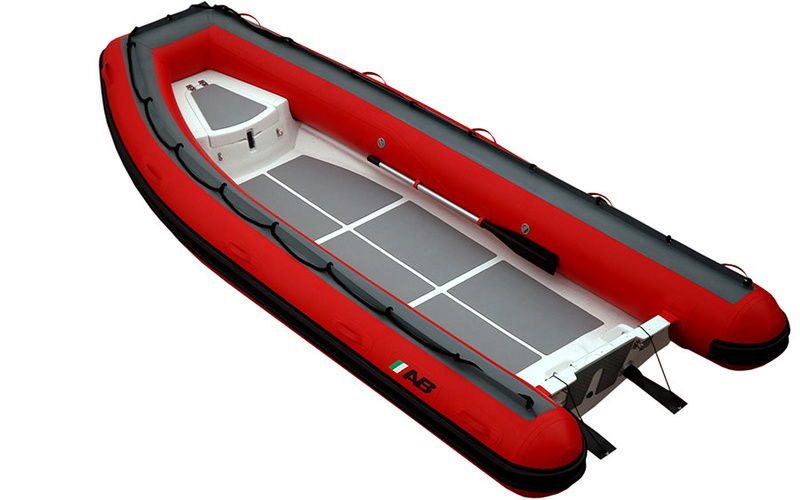
Images have been gathered from various sources and belong to their respective owners.
Review - AB Inflatables Profile F 15

MarineBroker
01/16/2024, 6:58 AM
2017 AB Inflatables Profile F 15: What Owners Should Know Before Buying, Using, or Upgrading
If you’ve been looking into the 2017 AB Inflatables Profile F 15, chances are you’re trying to figure out whether it’s the right fit for your boating plans. Maybe you’ve seen one for sale, or maybe you’re comparing rigid inflatable boats and trying to understand what makes this model stand out. Either way, the challenge is usually the same: there’s a lot of boat talk out there, but not always enough practical guidance.
That’s where this article comes in.
The 2017 AB Inflatables Profile F 15 is a compact rigid inflatable boat that appeals to boaters who want a dependable, easy-to-handle tender or small runabout. But before you commit, it helps to know what to look for, what problems owners often run into, and how to get the most out of the boat if you already own one. Things like tube condition, engine match, storage, and maintenance can make a huge difference in performance and long-term value.
In this guide, we’ll break down the key things to know in simple terms, so you can make a smarter decision without the guesswork.
- What Makes the 2017 AB Inflatables Profile F 15 Worth Considering
The 2017 AB Inflatables Profile F 15 sits in a sweet spot for boaters who want something practical, versatile, and easier to manage than a larger vessel. It’s the kind of boat that works well as a tender, a coastal cruiser, or a small family boat for short trips.
What draws many people to this model is the balance between portability and capability. Inflatable tubes provide buoyancy and stability, while the rigid hull helps it track better than many soft-bottom inflatables. That combination makes it useful for docking runs, harbor cruising, and light recreational use.
For many owners, the real appeal is convenience.
You get:
- Easier launching and retrieval than a larger boat
- Good stability for boarding and moving around
- A layout that can work for both utility and leisure
- Compact storage compared with bigger fiberglass boats
Still, like any boat, the Profile F 15 performs best when it’s matched to the right use case. If someone expects offshore performance or heavy-duty cruising comfort, they may be disappointed. But if the goal is a nimble, reliable boat for short-range trips, it can be a solid choice.
- The Most Common Problem Buyers Face
The biggest issue people run into with the 2017 AB Inflatables Profile F 15 is not the boat itself, but uncertainty about condition and fit.
Because this is a used model in many cases, buyers often struggle with questions like:
- How much wear is normal?
- Are the tubes still in good shape?
- Is the hull sound?
- Has the engine been maintained properly?
- Does the boat match the buyer’s actual boating needs?
That uncertainty can lead to overpaying, buying a boat that needs expensive repairs, or choosing a model that looks good on paper but doesn’t work well in real life.
A lot of frustration comes from not knowing what to inspect first. People may focus on cosmetics, like faded tubes or scuffed gelcoat, while missing more important issues such as:
- Leaks in the inflatable chambers
- Corrosion on hardware
- Soft spots in the hull
- Electrical problems
- Engine mismatch or poor fuel efficiency
The good news is that most of these issues are manageable if you know what to check and how to evaluate them.
- How to Evaluate a 2017 AB Inflatables Profile F 15 Before You Buy
If you’re shopping for this model, a careful inspection is the best way to avoid headaches later. A boat can look clean in photos and still have hidden problems.
Start with the tubes.
Inflatable tubes should hold air evenly and show no signs of patchwork abuse, splitting seams, or dry rot. Light cosmetic wear is normal, but cracking, sticky surfaces, or persistent leaks are red flags.
Then inspect the hull.
Look for:
- Deep scratches or impact damage
- Repairs that were poorly done
- Soft or flexing areas
- Stress cracks around fittings
Next, check the hardware and fittings. Stainless steel components should be free from major corrosion. Lifting eyes, cleats, and rails should feel secure, not loose or wobbly.
If the boat comes with an engine, that becomes a major part of the evaluation. Ask for maintenance records if possible, and pay attention to:
- Starting behavior
- Idle smoothness
- Throttle response
- Water flow from the cooling system
- Any unusual smoke or vibration
A sea trial is ideal if available. Even a short test run can reveal more than a visual inspection ever will.
- Why Engine Match Matters More Than Many Buyers Realize
One of the most overlooked parts of buying or owning a rigid inflatable boat is engine matching. The 2017 AB Inflatables Profile F 15 can feel very different depending on the outboard installed on it.
Too little power, and the boat may struggle to plane or feel sluggish with passengers onboard. Too much power, and you may create handling issues, higher fuel burn, or unnecessary stress on the transom and structure.
A proper engine match helps with:
- Better acceleration
- Safer handling
- More efficient fuel use
- Less wear over time
If you already own the boat and it feels underpowered, the issue may not be the hull. It may be the engine size, propeller choice, or weight distribution. Sometimes a simple prop change can improve performance more than people expect.
For buyers, the takeaway is simple: don’t judge the boat alone. Judge the boat and engine combination together.
- Practical Maintenance Tips for Long-Term Reliability
The best way to protect a 2017 AB Inflatables Profile F 15 is to stay ahead of maintenance. RIBs are durable, but they still need regular care.
Here are the biggest maintenance priorities:
- Rinse after saltwater use
Salt, sand, and grime can wear down fittings, fabrics, and mechanical parts faster than many owners expect. A thorough freshwater rinse goes a long way.
- Keep the tubes clean and protected
Use a cleaner made for inflatable materials. Avoid harsh chemicals that can dry out or damage the surface.
- Inspect seams and valves often
Small leaks are easier to fix early. If a tube isn’t holding pressure well, don’t ignore it.
- Watch for corrosion
Stainless steel is resistant, not invincible. Check bolts, brackets, and fasteners regularly.
- Service the engine on schedule
Oil changes, impeller checks, fuel system care, and lower unit service matter just as much on a small boat as they do on a larger one.
- Store it properly
UV exposure, moisture, and poor ventilation can shorten the life of the boat. A cover or indoor storage helps preserve both appearance and function.
These steps may sound basic, but they are exactly what keeps a small inflatable boat dependable season after season.
- How to Get Better Performance from the 2017 AB Inflatables Profile F 15
If you already own this boat and want it to feel better on the water, there are a few easy wins before jumping to expensive upgrades.
Start by checking weight distribution.
A small boat can feel dramatically different depending on where people, fuel, gear, and batteries are placed. Too much weight in the stern can cause poor planing and a bow-high attitude. Too much weight forward can make the boat ride wet or sluggish in chop.
A few simple adjustments can help:
- Move heavy gear toward the center
- Keep unnecessary items off the boat
- Balance passengers as evenly as possible
- Avoid overloading the boat beyond its intended capacity
Propeller selection is another big factor. If the boat struggles to reach plane or feels like it’s working too hard, the prop may not be ideal for the load and engine setup. A marine technician can help determine whether a different pitch or style would improve performance.
Also pay attention to trim. Even small changes in engine trim can improve speed, fuel economy, and ride comfort. Many boaters overlook this and assume the hull is the problem when the setup is really the issue.
- Common Mistakes Owners Make
A lot of frustration with small RIBs comes from avoidable mistakes rather than design flaws.
Some of the most common ones include:
- Skipping pre-purchase inspections
People fall in love with the price or appearance and move too fast.
- Ignoring tube pressure
Inflation levels affect handling, stability, and tube wear.
- Overloading the boat
Just because the deck has space doesn’t mean it’s comfortable or safe to fill it.
- Using the wrong cleaning products
Strong solvents can damage inflatable material and finishes.
- Delaying small repairs
A small leak or loose fitting can become a much bigger problem if ignored.
- Not matching the boat to the mission
A compact inflatable is great for many uses, but it’s not a substitute for a larger offshore boat.
Avoiding these mistakes can save money and make the boat much more enjoyable.
- Who the 2017 AB Inflatables Profile F 15 Is Best For
This model tends to make the most sense for boaters who want a compact, capable craft for lighter-duty use.
It may be a good fit if you:
- Need a tender for a larger yacht
- Want a small family or harbor boat
- Prefer easy handling and simple storage
- Value stability in a compact package
- Plan to use the boat for short trips rather than long offshore runs
It may not be ideal if you:
- Need lots of cabin space
- Want extended cruising range
- Regularly carry heavy loads
- Expect high-speed performance in rough conditions
That’s not a knock on the boat. It’s just about using the right tool for the job.
- What to Ask If You’re Buying Used
If you’re shopping for a used 2017 AB Inflatables Profile F 15, asking the right questions can save you a lot of trouble.
Here are some good ones:
- How has the boat been stored?
- Has it been used mostly in freshwater or saltwater?
- Are there any known tube leaks or repairs?
- When was the engine last serviced?
- Has the boat ever been damaged or grounded?
- Are maintenance records available?
If the seller is vague or defensive, take that seriously. A well-kept boat usually has a clear history and a straightforward owner.
You should also ask whether the boat has been used as a tender, a fishing platform, or a general runabout. That can tell you a lot about wear patterns and likely maintenance needs.
- A Simple Buying Checklist
If you want a quick way to evaluate the boat, use this checklist:
- Inspect tubes for leaks, fading, and seam issues
- Check hull condition for cracks or repairs
- Test all fittings, cleats, and rails
- Review engine hours and service history
- Look for corrosion on metal parts
- Confirm trailer condition if included
- Ask for a sea trial if possible
- Verify the boat matches your intended use
A few extra minutes of inspection can prevent months of frustration.
- Final Thoughts on Value and Practical Use
The 2017 AB Inflatables Profile F 15 can be a smart choice for boaters who want a compact, stable, and easy-to-use inflatable boat. Like any used boat, though, success comes down to condition, maintenance, and whether it fits your real boating needs.
If you’re buying one, focus on inspection and engine match first. If you already own one, regular care, proper loading, and smart storage will help keep it reliable and enjoyable. The boat itself is only part of the equation. The rest is how well it’s maintained and used.
If you’re still comparing options, take time to research similar RIBs, read owner feedback, and think honestly about how you’ll use the boat. That’s usually the best way to make a confident decision.
Specifications
General
Boat Type: Power Boats
Class Type: Rigid Inflatable Boats
Specifications
Length: 14.99
Beam: 6.53
Draft: 1.67
Hull Material: GRP
Build
First Built: 2017
Propulsion
Fuel Type: Unleaded
Engines: 1
Power: 75 HP
Brand: Unknown
Accomodation
PROS & CONS
What we appreciated
 Lightweight and easy to transportDurable Hypalon material offers excellent resistance to UV and abrasionGood stability and performance for a boat of its sizeComfortable seating and layout suitable for family outingsRelatively low maintenance compared to traditional boats
What we didn’t appreciate
 Limited space due to compact sizeLess suitable for rough sea conditionsHigher price point compared to some other inflatablesRequires a separate engine as it is a tender-style boatInflatable design may be vulnerable to punctures if not handled carefully
Upkeep Costs
Fuel: Approximately $500 - $1,000 per year depending on usage
Maintenance and servicing: $300 - $600 per year
Insurance: $200 - $500 per year
Storage and mooring: $400 - $1,200 per year
Registration and licensing: $50 - $150 per year
Rating
4.8
User
Score
Score
Driveability
Technology
Interior
Design
Similar Boats


MarineBroker
Download now for an immersive boat experience like never before! ⛵✨ Your journey begins with a simple click. 🌊📲
#SetSailSmart #DownloadNow
#SetSailSmart #DownloadNow

Subscribe
Copyright 2017 - 2026, Marinebroker.net, All Rights Reserved