Boat Type: Power Boats
Boat Class: Rigid Inflatable Boats
Length: 7.87 ft
Berths: 1
Cabins: 1
Bathrooms: 1
Max Persons: 4
Boat Database » 3D Tender Ultimate 260
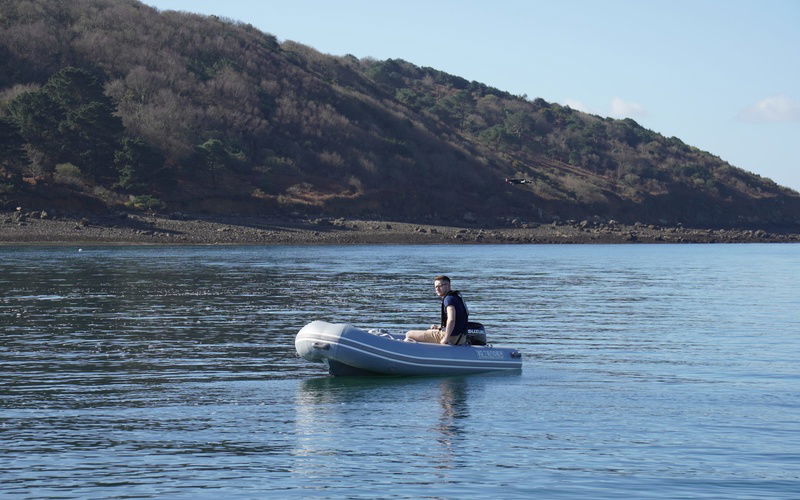
3D Tender Ultimate 260
Outboard four-stroke, Unleaded, 1x 10 HP
Power Boats 2020 3D Tender Ultimate 260: A Practical Guide to Choosing, Using, and Getting the Most from a Compact Inflatable Boat
If you’ve been looking at the 2020 3D Tender Ultimate 260, chances are you’re trying to figure out whether a c...
Discover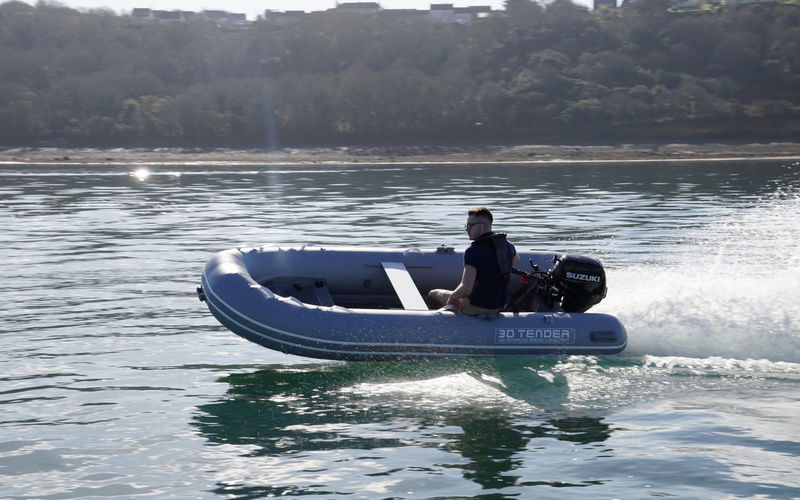


Images have been gathered from various sources and belong to their respective owners.
Review - 3D Tender Ultimate 260

MarineBroker
01/08/2024, 11:01 AM
2020 3D Tender Ultimate 260: A Practical Guide to Choosing, Using, and Getting the Most from a Compact Inflatable Boat
If you’ve been looking at the 2020 3D Tender Ultimate 260, chances are you’re trying to figure out whether a compact inflatable boat like this is actually the right fit for your needs. Maybe you want something easy to transport, simple to launch, and light enough to handle without a trailer crew. Or maybe you’re comparing small tenders and wondering if a 2.6-meter inflatable can really do the job for short trips, harbor runs, fishing, or as a yacht tender.
That’s a common problem with boats in this size range: they look convenient on paper, but real-world use is where the details matter. Stability, load capacity, storage space, engine compatibility, and comfort all play a bigger role than many first-time buyers expect.
The good news is that with the right setup and expectations, a compact boat like the 2020 3D Tender Ultimate 260 can be a very smart choice. In this article, we’ll break down what makes this style of boat appealing, what to watch out for, and how to get the most practical value from it without overspending or ending up with a boat that feels too small for the way you actually use it.
- What the 2020 3D Tender Ultimate 260 is best suited for
The 2020 3D Tender Ultimate 260 sits in the compact inflatable boat category, which makes it especially useful for people who need portability above all else. Boats in this size are often chosen as tenders, car-top inflatables, or small runabouts for calm waters.
Its biggest advantage is simple: it’s easier to manage than larger boats. That matters if you’re launching alone, storing the boat in limited space, or moving it between home, marina, and water access points.
For many owners, the real appeal is not just size but flexibility. A boat like this can work well for:
- Short harbor transfers
- Tender use for sailboats or motor yachts
- Calm-water fishing
- Casual cruising in protected areas
- Quick trips where convenience matters more than speed
The key is understanding its role. This is not the boat for heavy offshore use or big-group outings. It’s a small, practical craft designed to make boating easier, not more complicated.
- The main problem buyers face with compact inflatables
A lot of people shopping for a small inflatable boat run into the same issue: they want something compact, but they don’t want to sacrifice usability. That tradeoff is where many buyers get stuck.
The most common concerns are:
- “Will it feel too cramped?”
- “Can it carry two people and gear comfortably?”
- “Will it be stable enough?”
- “What kind of motor should I use?”
- “Is it worth choosing a small model, or should I go bigger?”
These are fair questions. In fact, many buyers underestimate how much the intended use matters. A compact inflatable can feel perfect for one person and a cooler, but frustrating if you regularly want to carry two adults, a fuel tank, fishing equipment, and extra bags.
The real problem isn’t usually the boat itself. It’s choosing a boat that doesn’t match the use case.
That’s why the best approach is to define the mission first:
- How many people will use it?
- How often will it be transported?
- Will it be stored inflated or deflated?
- What water conditions will it face?
- Is it a tender, a backup boat, or your main small craft?
Once you answer those questions, it becomes much easier to decide whether the 2020 3D Tender Ultimate 260 is a good fit.
- Why size matters more than many buyers think
When people shop for small inflatable boats, they often focus on length alone. But length is only part of the story. Beam, tube diameter, floor design, weight, and payload all affect how the boat feels on the water.
A 260 cm inflatable is compact, and that brings benefits:
- Easier to store in a garage or locker
- Simpler to transport in a car
- Faster to inflate and launch
- Less physical effort when handling on shore
But compact also means:
- Less deck space
- Less room for gear
- More sensitivity to weight distribution
- A greater need to pack efficiently
If you overload a small inflatable, you’ll usually notice it right away. It may sit lower in the water, feel slower, and become less comfortable. That doesn’t mean the boat is bad. It means the boat is being asked to do more than it was designed for.
A better approach is to think in terms of “right-sized” rather than “largest possible.” For many owners, a small boat that is easy to use gets more real-world use than a bigger one that’s a hassle to launch.
- 2020 3D Tender Ultimate 260: what to look at before buying
If you’re considering the 2020 3D Tender Ultimate 260, there are a few practical details worth checking before making a decision. These are the things that make the difference between a boat that works beautifully and one that becomes annoying after a few outings.
- Weight and portability
One of the main reasons people choose a boat this size is portability. If you plan to carry it by hand, load it into a vehicle, or store it in tight spaces, weight matters a lot.
A lighter boat is easier to:
- Move solo
- Launch at shallow ramps
- Pack away after use
- Handle for short trips
If you’ll be using it frequently, the convenience of a manageable boat can be more valuable than extra space.
- Floor type
The floor design affects comfort, rigidity, and setup time. A more rigid floor generally gives better footing and a more boat-like feel, while simpler floors can make the boat lighter and quicker to assemble.
Ask yourself:
- Do I want fast setup?
- Do I need a firmer platform for fishing or standing?
- Will I be deflating and storing it often?
For casual use, easy setup can matter more than maximum stiffness.
- Tube and hull stability
Inflatable tubes provide buoyancy and help the boat feel stable at rest. That’s especially useful for beginners or for boarding from a dock or larger vessel.
Still, stability depends on more than just the tubes. Weight placement, passenger movement, and water conditions all play a role. Keeping gear low and centered can make a small boat feel much more secure.
- Engine compatibility
Small inflatables are usually paired with modest outboards. That’s not a limitation so much as a design choice. The goal is efficient, controlled performance rather than high-speed running.
When choosing a motor:
- Match the manufacturer’s recommendations
- Avoid over-powering the boat
- Consider fuel efficiency and weight
- Think about how far and how fast you actually need to travel
For a boat like the 2020 3D Tender Ultimate 260, practical power is usually more useful than maximum power.
- Best use cases for the 2020 3D Tender Ultimate 260
This boat makes the most sense when the mission is simple and the water is relatively calm. It’s not trying to be everything to everyone.
Here are the scenarios where it tends to shine:
- Yacht tender use
This is one of the most common roles for a boat in this size range. If you need a reliable way to move between shore and vessel, a compact inflatable is ideal.
Why it works:
- Easy to stow
- Quick to deploy
- Light enough to handle
- Convenient for short transfers
- Solo fishing trips
If you’re fishing in protected waters, a small inflatable can be a very efficient platform. You can get on the water quickly and focus on the trip instead of the logistics.
Just keep your setup simple:
- One rod holder
- A small tackle bag
- Minimal extra gear
That helps preserve space and stability.
- Short family outings
For a parent and child, or two adults on a calm lake or protected bay, a compact inflatable can offer a fun and low-stress boating experience.
The trick is not to overpack it. Small boats are best when everyone onboard understands that comfort depends on staying organized.
- Backup or emergency use
Some owners keep a boat like this as a backup craft. It’s useful when a larger boat is unavailable or when a quick, lightweight tender is needed.
- How to solve the “too small or just right?” dilemma
This is the core question for many buyers. The answer comes down to matching the boat to your actual routine.
Here’s a simple way to decide:
- Choose a compact inflatable if:
- You usually carry one or two people
- You value portability and easy storage
- You mostly use calm water
- You want a tender or short-trip boat
- You prefer quick launch and retrieval
- Consider a larger boat if:
- You often carry multiple adults
- You bring bulky gear
- You run longer distances
- You want more comfort and deck space
- You regularly face chop or less predictable conditions
A lot of frustration comes from buying for the “maybe someday” scenario instead of the actual use pattern. If 90% of your outings are short and simple, a compact boat may be the smarter choice.
- Smart setup tips for getting the most from a small inflatable boat
A boat like the 2020 3D Tender Ultimate 260 performs best when you set it up thoughtfully. Small adjustments can make a big difference in comfort and safety.
- Pack light
This is the number one rule for compact boats. Bring only what you need.
Good items to prioritize:
- PFDs/life jackets
- Paddle
- Small anchor or line
- Basic repair kit
- Compact dry bag
- Minimal fuel if using a small outboard
Avoid loading unnecessary extras that crowd the deck.
- Balance the weight
Keep heavier items low and centered. Uneven loading can affect trim, steering, and stability.
A simple rule:
- Put the driver and heavier gear near the center
- Keep lighter items toward the ends
- Avoid piling everything to one side
- Use the right inflation pressure
Inflatable boats depend heavily on proper inflation. Too little pressure can make the boat feel soft and sluggish. Too much pressure can stress seams and components.
Always check the recommended pressure and use a reliable pump or gauge. A properly inflated boat feels more responsive and safer.
- Match the motor to the mission
If you only need short, slow transfers, don’t overcomplicate the setup with a heavy engine. A modest motor is often enough and easier to handle.
This also helps with:
- Fuel savings
- Easier mounting and removal
- Less transom stress
- Better portability overall
- Plan around weather and water conditions
Small boats are best in calm or protected conditions. Even a modest chop can feel bigger in a compact craft.
Before heading out:
- Check wind forecast
- Watch tide and current
- Avoid overloading
- Stay within sheltered routes when possible
- Safety basics that matter more in a small boat
Safety matters in every boat, but compact inflatables deserve extra attention because they are often used in a more casual, “quick trip” way. That’s when people tend to skip basics.
Make sure you have:
- Properly fitted life jackets
- A means of signaling
- A paddle or backup propulsion option
- A pump and repair kit
- A secure way to store gear
- A phone or radio in a waterproof case
Also, tell someone where you’re going if you’re heading out alone. Small boats are simple, but preparation still matters.
- Maintenance habits that keep a small inflatable boat useful
One reason people like inflatable boats is that they’re relatively easy to maintain. But “easy” doesn’t mean “no maintenance.”
A few habits go a long way:
- Rinse after use, especially in saltwater
- Dry before storage to prevent mildew
- Check valves and seams regularly
- Inspect the floor and transom
- Store away from direct sunlight when possible
- Keep it clean to extend material life
If you use the boat often, a quick post-trip checklist helps:
- Rinse
- Dry
- Deflate or secure properly
- Inspect for wear
- Store in a protected place
This keeps the boat ready for the next outing and reduces surprises later.
- Who the 2020 3D Tender Ultimate 260 is really for
This boat is a good match for people who want convenience first. It’s especially appealing if you value:
- Easy transport
- Fast setup
- Compact storage
- Simple use on calm water
- A practical tender or small runabout
It may not be the best choice if your priority is maximum space, long-distance cruising, or carrying several passengers and lots of equipment. But if your boating life is built around short, efficient trips, a boat like this can be a very sensible solution.
In other words, the 2020 3D Tender Ultimate 260 is less about impressing people and more about making boating easier. That’s often exactly what buyers need.
- Common mistakes to avoid when choosing a compact inflatable
A few mistakes show up again and again with buyers of small boats:
- Buying too small for the real crew size
- Ignoring weight limits
- Choosing the wrong motor
- Forgetting transport and storage needs
- Assuming all inflatables handle the same way
- Packing too much gear onboard
The best way to avoid these issues is to think like a boat owner, not just a shopper. Focus on how the boat will be used on a normal day, not the best-case scenario.
- Final thoughts on practical value
The biggest strength of a compact inflatable boat is not speed or luxury. It’s convenience. When a boat is easy to launch, easy to store, and easy to use, you’re more likely to actually get on the water.
That’s why the 2020 3D Tender Ultimate 260 can make so much sense for the right buyer. It solves a very real problem: how to enjoy boating without dealing with the hassle of bigger, heavier, more complicated setups.
If you match the boat to calm-water use, keep the load sensible, and set it up properly, you’ll get far more value out of it than you would from a larger boat that’s difficult to manage.
In the end, the best boat is the one you’ll use often, safely, and with confidence. If you’re still comparing options, take a close look at your typical trips, your storage space, and your crew size before making the final call.
Specifications
General
Boat Type: Power Boats
Class Type: Rigid Inflatable Boats
Specifications
Length: 7.87
Beam: 5.05
Draft: 0.98
Hull Material: Aluminium
Build
First Built: 2020
Propulsion
Fuel Type: Unleaded
Engines: 1
Power: 10 HP
Brand: Unknown
Accomodation
Berths: 1
Cabins: 1
Bathrooms: 1
PROS & CONS
What we appreciated
 Durable and lightweight construction for easy handlingHigh-performance hull design ensures smooth and stable ridesSpacious layout with comfortable seating for multiple passengersPowered by reliable and efficient outboard enginesVersatile use for tendering, fishing, and leisure activities
What we didn’t appreciate
 Limited storage space compared to larger boatsMay require a trailer for transport due to sizeBasic amenities might be lacking for extended tripsHigher initial cost compared to entry-level tendersNot ideal for rough offshore conditions
Upkeep Costs
Fuel: Approximately $1,200 - $2,500 per year depending on usage
Maintenance: Around $800 - $1,500 per year including engine servicing and hull upkeep
Insurance: Typically $300 - $600 annually
Storage: $500 - $1,200 per year depending on location and type (dry or wet storage)
Registration and Licensing: $100 - $200 per year depending on local regulations
Rating
4.9
User
Score
Score
Driveability
Technology
Interior
Design
Similar Boats


MarineBroker
Download now for an immersive boat experience like never before! ⛵✨ Your journey begins with a simple click. 🌊📲
#SetSailSmart #DownloadNow
#SetSailSmart #DownloadNow

Subscribe
Copyright 2017 - 2026, Marinebroker.net, All Rights Reserved