Boat Database » Aquaspirit RIBs 450
Aquaspirit RIBs 450
Outboard four-stroke, Unleaded, 1x 50 HP
Power Boats 2021 Aquaspirit RIBs 450: What to Know Before You Buy, Upgrade, or Launch
If you’re looking into the 2021 Aquaspirit RIBs 450, you’re probably trying to figure out whether this compact rigid inflatable boat really fits your needs...
Discover
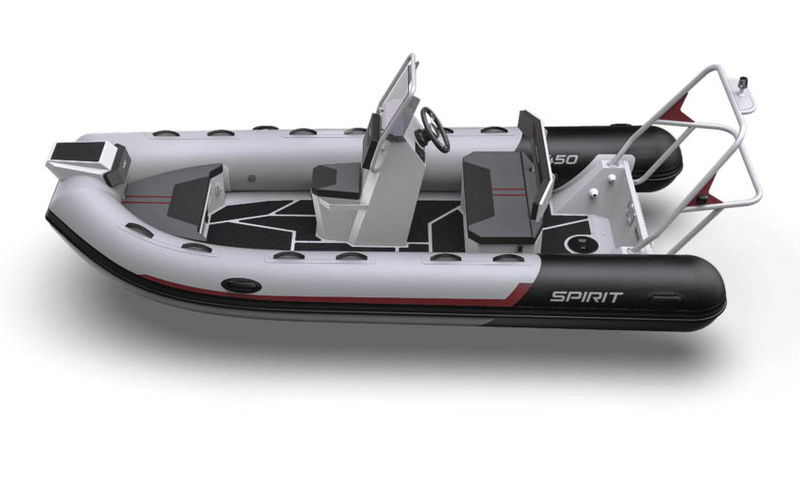
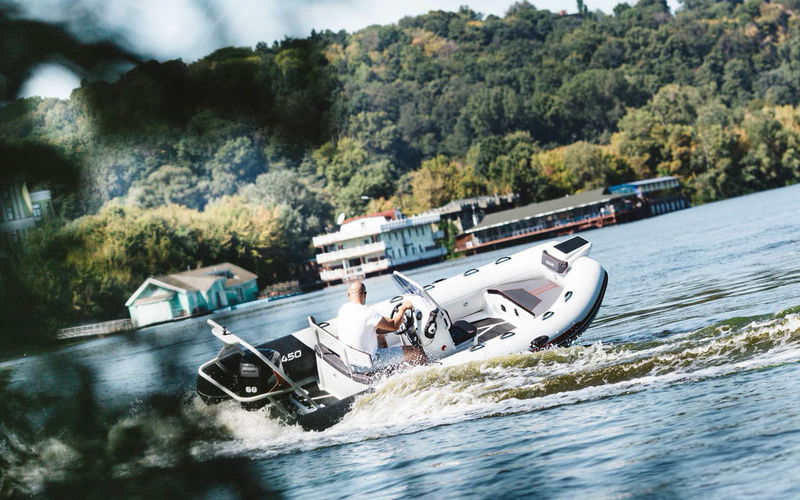

Images have been gathered from various sources and belong to their respective owners.
Review - Aquaspirit RIBs 450

MarineBroker
04/04/2024, 2:41 PM
2021 Aquaspirit RIBs 450: What to Know Before You Buy, Upgrade, or Launch
If you’re looking into the 2021 Aquaspirit RIBs 450, you’re probably trying to figure out whether this compact rigid inflatable boat really fits your needs. That’s a smart question to ask, because with small RIBs, the difference between “great on paper” and “great on the water” often comes down to how you plan to use it.
A 4.5-meter RIB can be a brilliant choice for day trips, tender duties, fishing runs, coastal cruising, or as a family-friendly boat for sheltered waters. But it can also feel cramped, underpowered, or less practical if you don’t match it to the right setup. Many buyers focus on the model name alone and overlook the real-world details that matter most: engine pairing, tube condition, load capacity, storage, and how the boat handles in chop.
This article breaks down the 2021 Aquaspirit RIBs 450 in a practical way. Whether you’re researching a purchase, comparing alternatives, or trying to get more out of the boat you already own, you’ll find useful guidance here. The goal is simple: help you avoid common mistakes and make a confident decision based on how the boat actually performs, not just how it looks in a listing.
- What Makes the 2021 Aquaspirit RIBs 450 a Popular Choice?
The 2021 Aquaspirit RIBs 450 sits in a sweet spot for boaters who want something manageable without giving up the benefits of a rigid hull and inflatable tubes. Boats in this size range are often easier to trailer, launch, and store than larger RIBs, which makes them appealing to first-time owners and experienced boaters alike.
One of the biggest reasons people consider a 4.5-meter RIB is versatility. It can serve as:
- A family day boat for short coastal trips
- A tender for a larger yacht
- A fishing platform for inshore waters
- A general-purpose runabout for lakes, rivers, and harbors
The compact size is also a plus if you don’t want the hassle of a larger vessel. Fuel consumption is usually more manageable, docking is less stressful, and maintenance can be simpler.
That said, the main challenge with boats this size is balance. You need to know what the boat can realistically do, especially when loading passengers, gear, fuel, and safety equipment. If expectations are too high, the boat can feel limited. If expectations are realistic, it can be a very practical and enjoyable setup.
- The Main Problem Buyers Face With Small RIBs
The most common issue people run into with the 2021 Aquaspirit RIBs 450 is not the boat itself, but mismatched expectations.
A lot of buyers assume a compact RIB will behave like a larger offshore boat. In reality, a 4.5-meter hull is designed for a narrower range of conditions. It can handle choppy water better than many flat-bottomed boats, but it still has limits when it comes to heavy seas, large groups, or long-distance cruising.
Here are the most common pain points:
- Not enough space for passengers and gear
- Choosing the wrong engine size
- Poor performance in rougher water
- Difficulty storing or transporting the boat properly
- Buying a used boat without checking key wear points
These issues are avoidable, but only if you understand the boat’s strengths and limits before you commit.
- Who the 2021 Aquaspirit RIBs 450 Is Best Suited For
This model tends to work best for boaters who want a compact, practical RIB rather than a big offshore machine.
It’s a solid fit if you:
- Boat in sheltered or moderately protected waters
- Want a boat that’s easier to tow and launch
- Need a tender or secondary boat
- Prefer simple, low-stress day boating
- Usually travel with a small group
It may be less ideal if you:
- Regularly carry a full crew
- Need a lot of storage for fishing or watersports gear
- Plan to make long offshore passages
- Want a boat that feels spacious for extended trips
A good rule of thumb is to think about how you actually boat, not how you imagine boating in perfect weather. If your real-world use is short trips, easy handling, and flexible ownership, this size can make a lot of sense.
- 2021 Aquaspirit RIBs 450: Performance Expectations
When people look at the 2021 Aquaspirit RIBs 450, they often want to know one thing first: how does it perform?
The answer depends heavily on engine choice, load, and sea conditions. In general, a boat like this should be expected to offer:
- Good maneuverability
- Responsive handling
- Efficient operation at moderate speeds
- Stable performance in calm to moderate conditions
Because it’s a RIB, the inflatable tubes help with buoyancy and stability at rest. That makes boarding easier and can give a reassuring feel when people move around on deck.
However, performance changes quickly once you add weight. Extra passengers, fuel, coolers, anchors, and water toys all affect how the boat planes and how comfortably it rides. If the boat feels sluggish, overloaded, or wet, the issue may not be the hull design at all—it may be how the boat is being used.
- Engine Pairing: Why It Matters More Than You Think
One of the biggest decisions with any small RIB is choosing the right engine. For the 2021 Aquaspirit RIBs 450, engine pairing can make the difference between a lively, efficient boat and one that feels underpowered.
A smaller engine may save money upfront and use less fuel, but it can struggle when the boat is fully loaded. On the other hand, too much engine for the hull can make the boat less economical and may not be necessary for typical use.
When evaluating engine setup, consider:
- Your usual passenger count
- Whether you boat in calm or choppy water
- How often you tow toys or carry extra gear
- Whether you prioritize speed or fuel efficiency
A practical approach is to match the engine to your most common use case, not your rarest one. If you mostly do short family outings, balanced performance matters more than top-end speed. If you use the boat as a tender or harbor runabout, smooth throttle response and easy handling are often more valuable than raw power.
- Buying Used? Check These Key Areas First
If you’re shopping for a used 2021 Aquaspirit RIBs 450, inspection matters a lot. A RIB can look fine at first glance and still have hidden issues that become expensive later.
Here’s what to check carefully:
- Tube condition: Look for patches, leaks, fading, or signs of UV damage
- Seams and valves: Make sure they hold air properly and show no cracking
- Hull condition: Inspect for cracks, stress marks, or repairs
- Deck and fittings: Check for loose hardware, soft spots, or corrosion
- Engine hours and service history: Ask for maintenance records if available
- Trailer condition: If included, inspect tires, bearings, lights, and brakes
A used RIB is only a good deal if the maintenance history is clear. Boats that were stored outdoors or used heavily in saltwater may need more attention, even if they appear clean.
A quick sea trial is also worth it. Pay attention to:
- How quickly the boat planes
- Whether it tracks straight
- Any unusual vibration
- How it handles turns and wake
- Whether the tubes and fittings feel secure
If something feels off during the trial, trust that instinct and investigate further.
- Practical Ways to Get More Out of the Boat
The good news is that many common frustrations with a compact RIB can be solved with smart setup and use. If you already own the 2021 Aquaspirit RIBs 450, or are planning to, the following tips can make a big difference.
- Keep weight balanced
Uneven loading can affect handling more than many people realize. Try to distribute passengers and gear evenly from side to side and avoid stacking heavy items all in one area.
- Use the right propeller setup
If the engine is paired with the wrong prop, the boat may struggle to reach an efficient cruising range. A propeller change can sometimes improve acceleration, fuel economy, or top-end performance.
- Don’t overload the deck
It’s tempting to bring everything “just in case,” but small boats perform best when kept lean. Bring the essentials and leave unnecessary gear behind.
- Maintain tube pressure
Inflatable tubes need proper pressure to perform well. Underinflated tubes can affect ride quality and stability, while overinflation in hot conditions can also cause issues.
- Stay on top of maintenance
Small issues become big ones quickly in marine environments. Rinse the boat after saltwater use, inspect fittings regularly, and keep up with engine servicing.
- Store it properly
Sun, moisture, and poor storage habits shorten the life of any RIB. A cover, dry storage, or at least consistent protection from UV exposure can help preserve the tubes and deck.
- Common Mistakes to Avoid With a 4.5m RIB
A boat like the 2021 Aquaspirit RIBs 450 can be a great owner experience, but only if you avoid a few common mistakes.
- Expecting offshore performance from a compact hull
- Choosing engine power based only on top speed
- Ignoring trailer compatibility
- Overloading the boat for family outings
- Skipping inspections on used models
- Focusing only on price instead of overall condition
These mistakes usually come from rushing the decision. Boats are not like buying a household item—you need to think about transport, storage, servicing, and the way the boat fits your lifestyle.
A compact RIB often works best when the owner values simplicity. If you want easy ownership and manageable costs, it can be a very satisfying setup. If you want maximum space and long-range capability, a larger model may be a better fit.
- How to Decide if the 2021 Aquaspirit RIBs 450 Is Right for You
If you’re still on the fence, ask yourself a few honest questions:
- Do I need a boat that’s easy to launch and recover?
- Will I usually travel with only a few people?
- Am I boating mostly in sheltered or moderate conditions?
- Do I want lower running costs and simpler maintenance?
- Am I comfortable with the limits of a smaller RIB?
If you answered yes to most of those, the 2021 Aquaspirit RIBs 450 is likely in the right ballpark.
If you answered no to several, you may want to consider a larger RIB or a different style of boat altogether. The “best” boat is the one that matches your actual use, not just your wish list.
- Final Thoughts on Ownership, Value, and Practical Use
The 2021 Aquaspirit RIBs 450 can be a smart choice for boaters who want a compact, versatile RIB that’s easy to manage and enjoyable in the right conditions. Its real value comes from matching the boat to realistic expectations, proper engine setup, and regular maintenance.
If you’re buying used, inspect carefully. If you already own one, focus on weight balance, tube care, and sensible loading. Most of the common problems people face with small RIBs are solvable once the boat is used the way it was meant to be used.
In the end, a boat like this isn’t about doing everything. It’s about doing the right things well. If that sounds like your style, it’s worth taking a closer look and learning more before your next trip on the water.
Specifications
General
Boat Type: Power Boats
Class Type: Rigid Inflatable Boats
Specifications
Length: 14.5
Beam: 7.02
Draft: 1.31
Hull Material: Aluminium
Build
First Built: 2021
Propulsion
Fuel Type: Unleaded
Engines: 1
Power: 50 HP
Brand: Unknown
Accomodation
PROS & CONS
What we appreciated
 Durable and lightweight RIB construction for easy handlingCompact size ideal for short trips and easy storageGood stability and safety due to inflatable collarFuel-efficient with smaller engine optionsAffordable price point for a RIB boat
What we didn’t appreciate
 Limited passenger capacity due to small sizeLess suitable for rough seas or long-distance cruisingMinimal onboard amenities and storage spaceBasic features compared to larger or more expensive RIBsMay require additional equipment for certain water activities
Upkeep Costs
Fuel: Approximately $300 - $600 per year, depending on usage
Maintenance: Around $200 - $500 annually for engine servicing and hull upkeep
Insurance: Roughly $150 - $400 per year depending on coverage and location
Storage: $500 - $1,200 per year depending on marina or storage type
Registration and taxes: $50 - $150 annually depending on local regulations

Rating
5.8
User
Score
Score
Driveability
Technology
Interior
Design
Similar Boats


MarineBroker
Download now for an immersive boat experience like never before! ⛵✨ Your journey begins with a simple click. 🌊📲
#SetSailSmart #DownloadNow
#SetSailSmart #DownloadNow

Subscribe
Copyright 2017 - 2026, Marinebroker.net, All Rights Reserved