Boat Type: Power Boats
Boat Class: Rigid Inflatable Boats
Length: 6.56 ft
Berths: 1
Cabins: 1
Bathrooms: 1
Max Persons: 2
Boat Database » 3D Tender Twin V-Shape 200
3D Tender Twin V-Shape 200
Outboard four-stroke, Unleaded, 1x 4 HP
Power Boats 2020 3D Tender Twin V-Shape 200: What Owners Should Know Before Hitting the Water
If you’ve been looking into the 2020 3D Tender Twin V-Shape 200, you’re probably trying to answer a pretty practical question: is this the right sm...
Discover
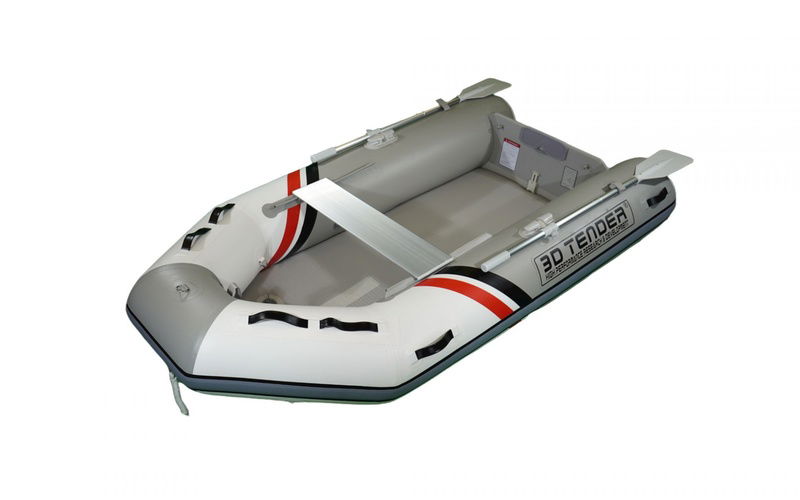
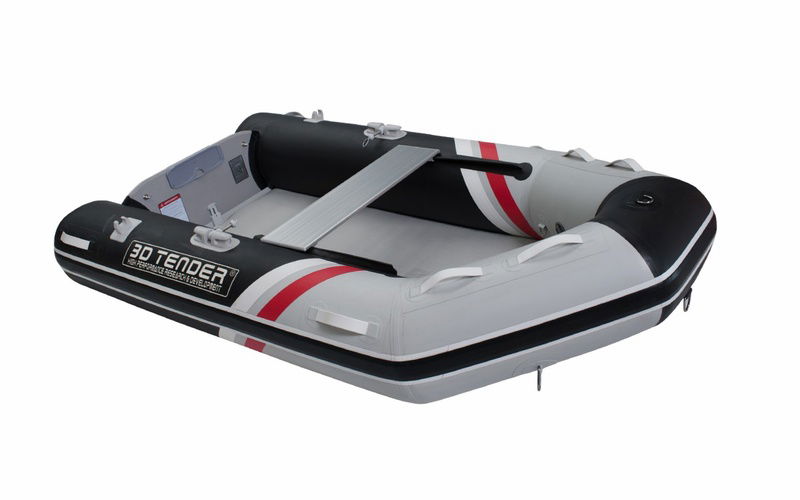

Images have been gathered from various sources and belong to their respective owners.
Review - 3D Tender Twin V-Shape 200

MarineBroker
01/09/2024, 7:17 AM
2020 3D Tender Twin V-Shape 200: What Owners Should Know Before Hitting the Water
If you’ve been looking into the 2020 3D Tender Twin V-Shape 200, you’re probably trying to answer a pretty practical question: is this the right small boat for the kind of boating you actually do? That’s a smart place to start. With compact tenders and inflatable boats, the difference between a fun day on the water and a frustrating one often comes down to fit, setup, and how well the boat matches your needs.
The 2020 3D Tender Twin V-Shape 200 is especially interesting for boaters who want something light, easy to handle, and simple to store, but still stable enough for short trips, tender duty, or relaxed coastal use. The challenge is that many buyers focus only on size or brand and overlook the practical details that matter most: how it performs with a small outboard, how much space it really offers, and what kind of conditions it handles best.
In this article, we’ll break down the common pain points people face with boats in this size class and show how to solve them in a realistic way. If you’re considering the 2020 3D Tender Twin V-Shape 200, this guide will help you make a more confident decision.
- What Makes the 2020 3D Tender Twin V-Shape 200 Stand Out
Small inflatable boats are often chosen for convenience, but convenience only matters if the boat still feels usable on the water. The 2020 3D Tender Twin V-Shape 200 stands out because it is designed around portability without completely sacrificing stability.
Its compact footprint makes it appealing for boaters with limited storage space, yacht owners needing a tender, or anyone who wants a lightweight craft that can be launched quickly. The “Twin V-Shape” design is especially relevant because it aims to improve handling and tracking compared with flatter-bottomed inflatables.
That matters in real life. A boat that tracks better is easier to control at low speed, less tiring to steer, and generally more predictable when you’re moving across chop or dealing with a bit of wake. For many owners, that’s the difference between a boat that feels like a toy and one that feels genuinely useful.
- The Main Problem Buyers Face With Small Tender Boats
The biggest issue people run into with compact boats like the 2020 3D Tender Twin V-Shape 200 is expectation mismatch.
A boat this size is not meant to behave like a full-size RIB or offshore cruiser. Some buyers expect too much speed, too much load capacity, or too much comfort, then end up disappointed. Others go the opposite direction and assume a small tender is too limited to be useful at all.
In reality, the problem is not the boat itself. It’s usually one of these:
- The boat is being used in conditions it wasn’t designed for
- The engine size doesn’t match the boat’s intended use
- The setup is too minimal for the number of people or gear onboard
- The owner hasn’t optimized inflation, trim, or weight distribution
Once you understand those points, the boat becomes much more practical. The solution is not to force the boat to do everything, but to set it up correctly and use it for the right jobs.
- Who the 2020 3D Tender Twin V-Shape 200 Is Best For
This model is usually a strong fit for boaters who value simplicity and easy handling over raw performance.
It tends to work well for:
- Yacht owners needing a compact tender
- Weekend boaters with limited storage
- Solo users or couples
- Short harbor runs
- Calm-water coastal use
- Light-duty transport between dock and shore
If your typical trip is short, practical, and low-stress, a boat like this can be a great match. If you’re planning long-distance cruising, carrying several passengers regularly, or running in rougher water often, you may want to look at a larger hull.
A good rule of thumb is this: choose the boat based on your real routine, not your ideal one. Most boating headaches come from buying for the rare scenario instead of the everyday scenario.
- Understanding the Twin V-Shape Design
The Twin V-Shape concept is worth paying attention to because hull shape changes everything.
A flatter inflatable may feel stable at rest, but it can slap more in chop and feel less composed underway. A V-shaped or twin-V design usually helps the boat cut through water more cleanly, improving directional stability and comfort.
For a small boat like the 2020 3D Tender Twin V-Shape 200, that can be especially useful because short hulls often need all the help they can get in tracking and ride quality. A better hull shape can make the boat feel more confident, especially when you’re dealing with:
- Small waves
- Passing boat wakes
- Crosswinds at low speed
- Frequent turning in tight areas
That said, hull shape is only part of the story. The benefits show up best when the boat is properly inflated, not overloaded, and paired with a suitable motor.
- Common Setup Mistakes and How to Avoid Them
A lot of performance complaints about small inflatables are actually setup problems.
Here are the most common mistakes and how to solve them:
- Underinflation
- If the tubes or floor are underinflated, the boat may feel sluggish and less stable.
- Check pressure before every outing, especially after temperature changes.
- Overloading
- Too many passengers or too much gear can reduce freeboard and make the boat harder to control.
- Keep weight centered and stay within the manufacturer’s limits.
- Poor weight distribution
- Putting all the weight aft can make the bow ride too high.
- Spread gear evenly and keep heavy items low.
- Wrong engine choice
- An underpowered motor can make the boat feel slow and unresponsive.
- An oversized motor can be unsafe and inefficient.
- Match the outboard to the boat’s recommended range.
- Neglecting trim
- Even a small adjustment in motor trim or passenger position can improve handling.
- Test small changes and note what feels best.
These are simple fixes, but they make a big difference. In many cases, a “problem boat” becomes a very usable one once it’s dialed in correctly.
- How to Get Better Performance From the 2020 3D Tender Twin V-Shape 200
If you want the boat to feel more capable, start with the basics before changing anything major.
Here’s a practical approach:
1. Inflate correctly
Make sure the tubes and floor are at the recommended pressure. This improves rigidity, tracking, and fuel efficiency.
2. Use the right motor
For a boat this size, the motor should be appropriate for both weight and intended use. A modest outboard is often enough for tender duties and short runs.
3. Keep the load light
Bring only what you need. Extra fuel, coolers, and gear add up fast on a small boat.
4. Balance the boat
Sit and store gear so the boat trims level. This helps performance more than many people realize.
5. Choose calmer conditions when possible
Small boats are naturally more comfortable in protected waters. If conditions are rough, adjust expectations and plan accordingly.
6. Maintain the hull and fittings
Even a small tear, loose valve, or damaged seam can affect usability and safety.
A well-prepared small boat often feels dramatically better than one that is simply thrown together and launched.
- Realistic Uses for a Small Inflatable Like This
One of the best ways to avoid frustration is to match the boat to the job.
The 2020 3D Tender Twin V-Shape 200 is best suited to practical, short-range use. That includes:
- Getting from a larger boat to shore
- Quick harbor transfers
- Short fishing trips in sheltered water
- Exploring calm bays and marinas
- Emergency backup transport
It is not the best choice for:
- Long offshore passages
- Heavy passenger loads
- High-speed performance expectations
- Rough open-water conditions
That doesn’t make it less useful. It just means its strengths are in convenience, portability, and easy handling. When used that way, it can be a very smart boat to own.
- Safety Tips That Matter More on Small Boats
Safety becomes even more important when you’re on a compact inflatable, because there’s less margin for error.
A few habits go a long way:
- Wear a life jacket every trip
- Check weather and tide before leaving
- Carry a basic repair kit
- Bring a pump and emergency tools
- Keep communication equipment onboard
- Avoid overloading the boat
- Tell someone where you’re going
Also, don’t assume that because the boat is small, the outing is low risk. Wind, current, and wake can affect a compact craft much more than a larger hull. Staying conservative is usually the smartest move.
- Maintenance Habits That Extend the Boat’s Life
Small boats are easier to maintain than larger vessels, but they still need regular attention.
A simple maintenance routine should include:
- Rinsing after saltwater use
- Drying before storage
- Checking valves and seams
- Inspecting the floor and transom
- Looking for abrasion or UV damage
- Servicing the outboard regularly
If you store the boat inflated, keep it out of direct sun when possible. If you store it deflated, make sure it is clean and dry before packing it away.
Good maintenance doesn’t just protect the boat. It also keeps performance consistent, which is especially important for a lightweight model where small changes are easy to notice.
- Is the 2020 3D Tender Twin V-Shape 200 Worth It?
That depends on what you need from a boat.
If you want something compact, simple, and easy to launch, the 2020 3D Tender Twin V-Shape 200 makes a lot of sense. It can be a practical solution for short trips, tender use, and calm-water outings, especially when you value portability and low hassle.
If you want a boat that feels roomy, fast, or suited to more demanding conditions, you’ll probably be happier with a larger model. The key is not whether the boat is “good” in isolation, but whether it fits your use case.
For many people, the answer is yes — as long as they understand its role and set it up properly.
- Conclusion
The 2020 3D Tender Twin V-Shape 200 is best understood as a practical small-boat solution, not a one-size-fits-all vessel. Its compact size, easy handling, and improved hull shape can make it a smart choice for tender work, short coastal runs, and calm-water use.
The main challenge for buyers is usually not the boat itself, but using it with the wrong expectations or setup. By matching the engine, balancing the load, keeping inflation correct, and staying within realistic conditions, you can get much more value from a boat like this. If you’re researching your next tender or small inflatable, it’s worth comparing how you actually boat day to day before making a decision.
Specifications
General
Boat Type: Power Boats
Class Type: Rigid Inflatable Boats
Specifications
Length: 6.56
Beam: 4.3
Draft: 0.66
Hull Material: Unknown
Build
First Built: 2020
Propulsion
Fuel Type: Unleaded
Engines: 1
Power: 4 HP
Brand: Unknown
Accomodation
Berths: 1
Cabins: 1
Bathrooms: 1
PROS & CONS
What we appreciated
 Twin V-shape hull provides excellent stability and smooth ride in choppy watersCompact and lightweight design makes it easy to tow and launchDurable construction using high-quality materials ensures longevityVersatile tender suitable for a variety of water activities including fishing and cruisingGood fuel efficiency due to its streamlined hull design
What we didn’t appreciate
 Limited seating capacity may not accommodate larger groupsSmaller size can result in less storage space for gear and equipmentMay not perform as well in very rough seas compared to larger boatsBasic features might require additional customization for enhanced comfortLimited engine options could restrict top speed and power
Upkeep Costs
Insurance: $800 - $1,200 per year
Maintenance: $1,000 - $1,500 per year
Fuel: Approximately $50 - $100 per hour depending on usage
Storage: $500 - $1,200 per year
Registration and Licensing: $100 - $300 per year
Rating
4.7
User
Score
Score
Driveability
Technology
Interior
Design
Similar Boats


MarineBroker
Download now for an immersive boat experience like never before! ⛵✨ Your journey begins with a simple click. 🌊📲
#SetSailSmart #DownloadNow
#SetSailSmart #DownloadNow

Subscribe
Copyright 2017 - 2026, Marinebroker.net, All Rights Reserved