Boat Type: Power Boats
Boat Class: Rigid Inflatable Boats
Length: 10.83 ft
Berths: 1
Cabins: 1
Bathrooms: 1
Max Persons: 4
Boat Database » 3D Tender Twin Fastcat 330
3D Tender Twin Fastcat 330
Outboard four-stroke, Unleaded, 1x 15 HP
Power Boats 2021 3D Tender Twin Fastcat 330: A Practical Guide to Choosing, Using, and Enjoying a Compact Catamaran Tender
If you’ve been looking at the 2021 3D Tender Twin Fastcat 330, chances are you already know it sits in that sweet spot...
Discover

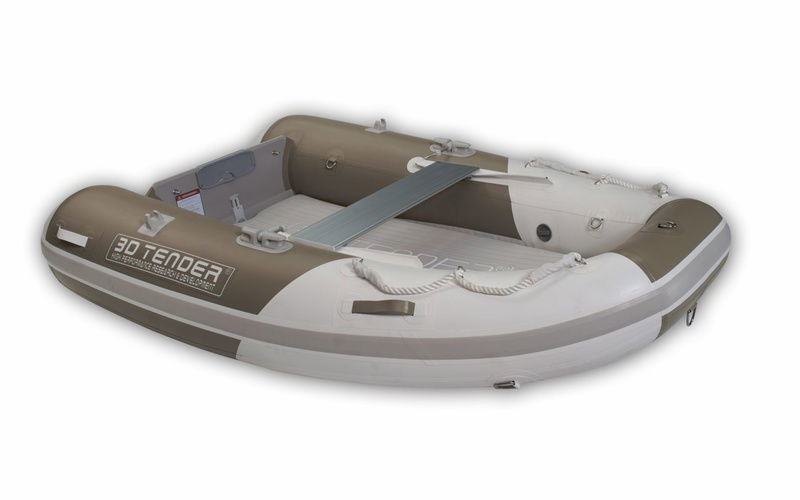

Images have been gathered from various sources and belong to their respective owners.
Review - 3D Tender Twin Fastcat 330

MarineBroker
01/09/2024, 8:04 AM
2021 3D Tender Twin Fastcat 330: A Practical Guide to Choosing, Using, and Enjoying a Compact Catamaran Tender
If you’ve been looking at the 2021 3D Tender Twin Fastcat 330, chances are you already know it sits in that sweet spot between a lightweight tender and a surprisingly capable small catamaran. But that also brings up the real question most buyers and owners eventually face: is it actually the right boat for your needs, or just a clever-looking compact craft that sounds better on paper than it feels on the water?
That’s a fair concern. Small catamarans can be brilliant, but only if they match how you plan to use them. A boat like the Twin Fastcat 330 is often chosen for stability, easy handling, and portability, yet many people still struggle with the same issues: deciding whether it’s stable enough for family use, figuring out the best outboard setup, and understanding what kind of waters it’s truly suited for. The good news is that these questions are very manageable once you know what to look for.
In this guide, we’ll break down the key strengths of the 2021 3D Tender Twin Fastcat 330, the most common ownership concerns, and the practical steps that help you get the best performance from this compact catamaran tender.
- What Makes the 2021 3D Tender Twin Fastcat 330 Stand Out
The 2021 3D Tender Twin Fastcat 330 is a compact twin-hull inflatable catamaran designed for people who want a stable, lightweight, and easy-to-handle boat. At 3.3 meters long, it’s small enough to be practical as a tender, yet the catamaran hull gives it a different feel from a conventional single-tube inflatable.
That twin-hull layout is the big reason many people consider this model in the first place. Compared with a standard dinghy, it tends to feel more planted at rest and more confident when moving through chop or wake.
The main appeal usually comes down to a few things:
- Better stability at anchor or when boarding
- Light weight and easy trailering or davit lifting
- Compact size for yacht tender use
- Efficient hull shape for small outboard engines
- Simple ownership and low running costs
For many owners, the real problem is not whether the boat looks good on a dock. It’s whether it will make daily use easier. In that sense, this model is attractive because it solves a common tender problem: you want a boat that is easy to launch, easy to store, and stable enough to feel reassuring for guests or family.
- The Main Problem Buyers Face: Choosing the Right Small Tender
When people search for the 2021 3D Tender Twin Fastcat 330, they’re often trying to solve one of three problems.
First, they may need a tender for a larger boat and want something that is easier to handle than a rigid dinghy. Second, they may be looking for a compact runabout for short trips, fishing, or calm-water cruising. Third, they may simply want a stable inflatable that doesn’t feel twitchy when someone shifts their weight.
The challenge is that small boats are full of trade-offs.
A boat this size can be excellent in the right conditions, but buyers sometimes expect it to behave like a much larger craft. That’s where disappointment happens. A 3.3-meter catamaran tender is not meant to replace a family day boat. It’s meant to be nimble, practical, and efficient within its size class.
So the real solution is not just buying the boat. It’s understanding how to match the boat to the job.
- Why the Twin-Hull Design Matters
One of the biggest reasons the 2021 3D Tender Twin Fastcat 330 gets attention is its twin-hull configuration. Catamaran-style inflatables often offer a more stable platform than monohull tenders, especially when people are moving around at low speed or while stopped.
That stability can help in a few practical ways:
- Boarding from the water is easier
- Passengers feel more secure
- Gear stays more stable onboard
- The boat can feel less “roll-prone” at rest
This is especially useful if you often carry children, older passengers, diving gear, fishing equipment, or general marina supplies. When a tender feels stable, it’s simply more usable.
There is also a performance angle. Twin hulls can reduce drag in some conditions and help the boat track cleanly. For a small craft, that can make the ride feel more efficient, especially with the right engine setup.
That said, catamaran tenders are not magic. They still need appropriate trim, correct loading, and sensible speed for conditions. But if stability is your biggest concern, this hull style is one of the strongest reasons to consider the Twin Fastcat 330.
- What Kind of Waters Suit the 2021 3D Tender Twin Fastcat 330?
A common question is whether this boat is built for calm water only or whether it can handle more than marina-to-anchorage duty.
The honest answer: it’s best suited to sheltered and moderate conditions.
That usually includes:
- Marinas and harbors
- Inland lakes and rivers
- Coastal hops in fair weather
- Tender duties between yacht and shore
- Short leisure rides in protected waters
If you regularly face rough offshore conditions, this size of boat is not the ideal choice. But for most owners, that’s not the point. The point is having a reliable, easy-to-launch small boat that does its job well without becoming a burden.
A lot of buyers make the mistake of overestimating the kind of sea state a compact inflatable should handle. The smarter approach is to choose a boat based on your real usage pattern, not your most ambitious scenario.
If your routine is mostly calm water, occasional chop, and short runs, the 2021 3D Tender Twin Fastcat 330 is right in its comfort zone.
- Choosing the Right Outboard Setup
One of the most practical parts of owning a boat like this is matching it with the right engine. A small catamaran tender can feel very different depending on horsepower, prop choice, and load.
Here’s the simple version: too little power and the boat may feel sluggish. Too much power and you may be carrying unnecessary weight or running outside the most sensible operating range for the hull.
When selecting an outboard, think about:
- Typical load: solo use, two people, or full family and gear
- Water conditions: flat water versus light chop
- Desired speed: relaxed tender use or faster transfers
- Weight of the engine: important on a compact hull
- Fuel efficiency: especially if you make frequent short trips
For many owners, the best solution is not chasing top speed. It’s choosing an engine that provides smooth planing, easy maneuverability, and predictable throttle response.
A practical setup usually prioritizes:
1. Easy starting and reliable low-speed control
2. Good midrange efficiency
3. Enough power to avoid strain when loaded
4. A manageable engine weight for the transom
If you’re buying used or evaluating a 2021 model, ask whether the current engine matches how the boat is actually used. Sometimes the boat itself is fine, but the wrong motor makes it feel underwhelming.
- Loading and Weight Distribution: The Hidden Performance Factor
Many people think performance problems come from the hull or engine alone, but on a small catamaran like the 2021 3D Tender Twin Fastcat 330, loading matters a lot.
Because the boat is compact, even small changes in weight placement can affect trim, comfort, and efficiency. A cooler, anchor, battery, and two passengers can make a noticeable difference.
Good weight habits include:
- Keep heavy items low and centered
- Avoid loading one side more than the other
- Distribute passengers evenly
- Store gear where it won’t shift underway
- Don’t overload the bow with unnecessary weight
A common scenario: the boat feels fine with one person, but once two adults, fuel, and gear are onboard, it starts to sit differently in the water. That doesn’t mean something is wrong. It means the boat is doing exactly what a small boat does—responding quickly to load changes.
The solution is simple but important: learn the boat’s balance point and keep your typical load consistent.
- Comfort and Usability for Everyday Owners
A lot of buying decisions come down to comfort, not just specs. The 2021 3D Tender Twin Fastcat 330 is attractive because it’s straightforward to use, but comfort on a small boat comes from the details.
For example:
- Is boarding easy from a dock or swim platform?
- Is there enough room for your usual passengers?
- Does the boat feel secure when stopped?
- Can you handle it alone if needed?
- Is storage simple enough that you’ll actually use it often?
The best small boats are the ones that remove friction from ownership. If a boat is too awkward to launch, too heavy to move, or too complicated to maintain, it ends up sitting unused.
This model’s compact size helps solve that problem. It’s easier to store than many rigid boats, and for yacht owners, it can be more convenient as a tender than bulkier alternatives. That convenience often matters more than raw speed.
- Maintenance Tips to Keep It Performing Well
One of the reasons inflatable catamarans remain popular is that they’re relatively easy to maintain. But easy doesn’t mean no maintenance.
To keep a 2021 3D Tender Twin Fastcat 330 in good condition, focus on the basics:
- Rinse thoroughly after saltwater use
- Check tube pressure before each outing
- Inspect seams, valves, and fittings regularly
- Keep the hull clean and free of grime
- Flush the outboard after use
- Store the boat out of direct sun when possible
If you want the boat to last, UV exposure is a big one to watch. Sun damage can slowly age inflatable materials and hardware, especially if the boat lives outdoors.
Also pay attention to the floor and transom area. Small boats work hard in these zones, and early inspection can prevent bigger issues later.
A quick monthly routine is usually enough:
1. Check tubes for scuffs or leaks
2. Inspect the engine mount and fasteners
3. Look for loose hardware or wear points
4. Test the valves and pressure
5. Clean and dry the boat before storage
That kind of simple upkeep goes a long way.
- Buying Used: What to Check Before You Commit
If you’re considering a used 2021 3D Tender Twin Fastcat 330, a careful inspection is essential. Small inflatables can look fine at first glance but hide wear in places that matter.
Check these areas closely:
- Tube condition: look for patches, discoloration, or soft spots
- Seams and glue lines: any lifting or cracking needs attention
- Floor and transom: inspect for flex, damage, or water intrusion
- Valves: make sure they hold pressure properly
- Outboard mount: check for stress and corrosion
- Accessories: pump, oars, covers, fuel tank, and paperwork
If possible, test the boat on the water. A short trial can reveal a lot about trim, vibration, steering feel, and whether the engine pairing is appropriate.
A used boat is only a good deal if it saves you money without creating hidden repair costs. The solution is to inspect carefully and ask the right questions before you buy.
- How to Get the Best Experience from This Boat
The best way to enjoy the 2021 3D Tender Twin Fastcat 330 is to use it for what it does best.
That means:
- Keep trips short and practical
- Use it in sheltered waters when possible
- Match the engine to your real needs
- Avoid overloading
- Maintain pressure and cleanliness
- Treat it as a stable, efficient small craft rather than a mini day cruiser
Owners who get the most from this boat usually have one thing in common: they understand its purpose. It’s not about being the biggest or fastest. It’s about being easy, dependable, and versatile within a compact footprint.
That mindset solves a lot of frustration. Instead of expecting the boat to do everything, you let it do a few things very well.
- Is the 2021 3D Tender Twin Fastcat 330 the Right Choice for You?
This boat makes the most sense if you want a compact tender or small leisure craft that emphasizes stability, portability, and simple operation. If your priorities are easy handling, good balance, and low-maintenance ownership, it’s a strong contender.
It may not be the right fit if you want:
- Offshore capability
- Large passenger capacity
- Cabin space
- High-speed performance
- A boat for rough open-water conditions
But if your real problem is finding a small boat that feels secure, useful, and easy to live with, the 2021 3D Tender Twin Fastcat 330 fits that brief very well.
The key is to think practically. Match the boat to your waters, your load, and your routine. That’s where satisfaction comes from.
- Conclusion
The 2021 3D Tender Twin Fastcat 330 stands out because it solves a very common boating problem: how to get stability and convenience in a small, manageable package. Its twin-hull design, light footprint, and practical size make it a smart option for tender use and short trips in sheltered waters.
To get the best results, focus on the basics: choose the right outboard, load it properly, maintain it regularly, and use it in conditions that suit its design. When those pieces come together, this compact catamaran can be a very enjoyable and efficient boat to own.
If you’re still comparing options, it’s worth looking at how you actually plan to use the boat day to day. That usually makes the answer much clearer.
Specifications
General
Boat Type: Power Boats
Class Type: Rigid Inflatable Boats
Specifications
Length: 10.83
Beam: 5.64
Draft: 0.98
Hull Material: Unknown
Build
First Built: 2021
Propulsion
Fuel Type: Unleaded
Engines: 1
Power: 15 HP
Brand: Unknown
Accomodation
Berths: 1
Cabins: 1
Bathrooms: 1
PROS & CONS
What we appreciated
 Stable and efficient twin-hull design for smooth ridesLightweight construction enhances speed and fuel efficiencySpacious deck layout suitable for tender and utility purposesDurable materials resistant to corrosion and wearGood maneuverability in tight marina spaces
What we didn’t appreciate
 Limited seating capacity compared to larger tendersMinimal onboard storage for extended tripsBasic interior amenities, not suited for overnight staysPerformance can be affected in very rough sea conditionsHigher price point relative to simpler single-hull tenders
Upkeep Costs
Fuel: Approximately $50 - $100 per hour depending on usage and fuel prices
Maintenance: Around $1,500 - $3,000 annually including engine servicing and hull upkeep
Insurance: Typically $800 - $1,500 per year based on location and coverage
Storage: $1,000 - $3,000 annually depending on marina or dry storage fees
Registration and Licensing: $100 - $300 per year depending on jurisdiction
Rating
5.1
User
Score
Score
Driveability
Technology
Interior
Design
Similar Boats


MarineBroker
Download now for an immersive boat experience like never before! ⛵✨ Your journey begins with a simple click. 🌊📲
#SetSailSmart #DownloadNow
#SetSailSmart #DownloadNow

Subscribe
Copyright 2017 - 2026, Marinebroker.net, All Rights Reserved