Boat Database » AB Inflatables AB Rider
AB Inflatables AB Rider
Outboard four-stroke, Unleaded, 1x 30 HP
Power Boats 2015 AB Inflatables AB Rider: A Practical Guide to Buying, Inspecting, and Enjoying This Compact RIB
If you’re looking at a 2015 AB Inflatables AB Rider, chances are you’re trying to figure out whether it’s still a smart buy, how...
Discover
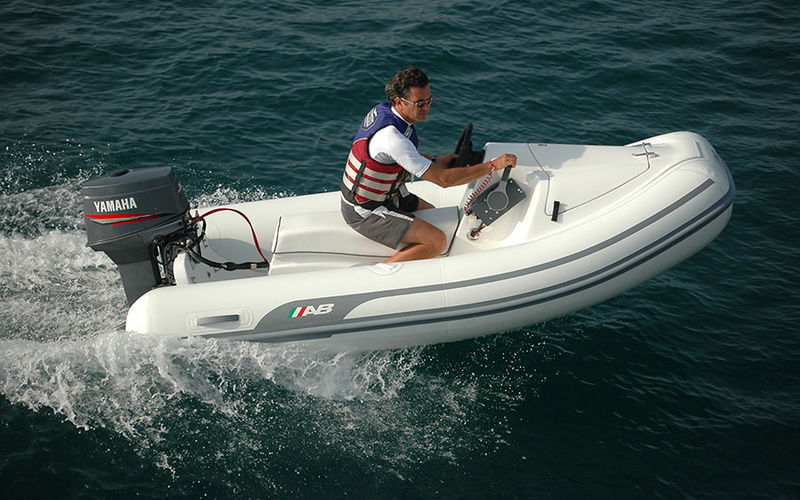
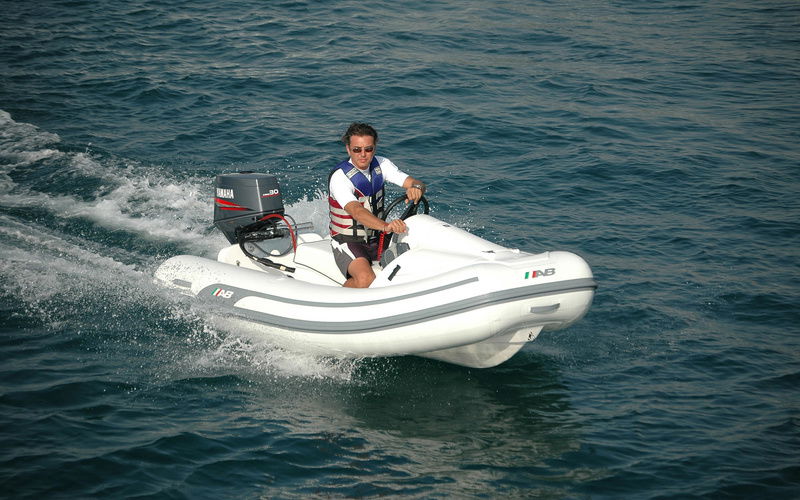

Images have been gathered from various sources and belong to their respective owners.
Review - AB Inflatables AB Rider

MarineBroker
01/16/2024, 5:02 AM
2015 AB Inflatables AB Rider: A Practical Guide to Buying, Inspecting, and Enjoying This Compact RIB
If you’re looking at a 2015 AB Inflatables AB Rider, chances are you’re trying to figure out whether it’s still a smart buy, how it stacks up for real-world use, and what to watch out for before handing over your money. That’s a very common question with used inflatable boats, especially compact rigid inflatable boats (RIBs), because they can look great in photos but hide a few expensive surprises if you don’t know what to check.
The good news is that the 2015 AB Inflatables AB Rider has a lot going for it: lightweight handling, easy storage, and a reputation for being a practical tender or runabout. But like any used boat, the value depends less on the model name and more on condition, maintenance, and whether it fits your boating style.
In this guide, we’ll walk through what makes this boat appealing, the most common problem areas to inspect, and how to decide whether it’s the right choice for your needs. If you’re trying to avoid buyer’s remorse and want a straightforward way to evaluate this boat, you’re in the right place.
- What Makes the 2015 AB Inflatables AB Rider Worth Considering
The 2015 AB Inflatables AB Rider sits in a sweet spot for boaters who want something small, capable, and easy to manage. It’s the kind of boat that works well as a yacht tender, a harbor cruiser, or a simple family fun boat for short trips.
AB Inflatables has built a strong reputation in the RIB market for practical designs and solid construction. The AB Rider line is known for being relatively lightweight and easy to launch, which matters a lot if you’re dealing with limited dock space, a trailer, or a davit system.
Here’s why people keep looking at this model years later:
- Compact size makes storage easier
- RIB design offers good stability
- Light enough for easier towing and handling
- Useful as a tender or small recreational boat
- Simple layout makes maintenance more manageable
For many buyers, that combination is exactly what they need. You’re not trying to take on offshore adventures in a small RIB. You’re looking for a dependable, versatile boat that can handle everyday use without becoming a maintenance headache.
- The Main Problem Buyers Face With a Used 2015 AB Inflatables AB Rider
The biggest issue with buying a used inflatable boat is not the model itself. It’s knowing whether the boat has been cared for properly.
With a 2015 AB Inflatables AB Rider, the most common problem is hidden wear on the tubes, seams, transom, and fittings. A boat can look clean in listing photos but still have age-related issues that affect safety and performance.
Typical concerns include:
- Air leaks in the inflatable tubes
- UV damage from long-term sun exposure
- Delamination or weakening in glued seams
- Corrosion on hardware and fasteners
- Transom stress or soft spots
- Outboard compatibility issues
- Floor or hull wear from repeated beaching or trailering
This is why used RIB shopping can feel tricky. The boat may be a great value, but only if you know how to inspect it properly and understand what repairs might cost.
- How to Inspect a 2015 AB Inflatables AB Rider Before Buying
If you’re seriously considering a 2015 AB Inflatables AB Rider, a careful inspection can save you a lot of money. You don’t need to be a marine surveyor to catch the biggest red flags, but you do need to slow down and check the details.
- Check the Tubes Carefully
The inflatable tubes are one of the most important parts of the boat. Look for:
- Patches
- Discoloration
- Cracks in the fabric
- Sticky or chalky surfaces
- Air loss over time
A little cosmetic wear is normal on a 2015 model. But if the tubes feel brittle or show lots of patchwork, that’s a sign the boat may have been stored poorly or used harder than expected.
- Inspect the Seams and Valves
Seams should look even and secure. Valves should open and close smoothly without hissing or leaking.
A simple test is to inflate the tubes and leave them overnight. If pressure drops noticeably, there may be a slow leak that needs professional attention.
- Look at the Transom
The transom supports the outboard, so this area needs to be solid. Press firmly around the motor mount area and look for softness, flexing, or cracks.
Warning signs include:
- Movement where the engine mounts
- Water damage stains
- Delamination
- Cracks around bolt holes
A weak transom can turn a good-looking boat into a costly repair project.
- Examine the Hull and Deck
The hull should feel solid and responsive. Check for deep scratches, impact damage, or signs that the boat has been repeatedly dragged over rocks or rough surfaces.
If the deck is removable or has panels, make sure everything fits tightly and doesn’t shift underfoot.
- Review the Motor Setup
The boat’s value also depends on the engine. Ask:
- What horsepower is installed?
- Is it the correct size for the boat?
- How old is the motor?
- When was it last serviced?
- Does it start easily and idle smoothly?
A mismatched or poorly maintained outboard can create more problems than the boat itself.
- Maintenance Tips That Help the 2015 AB Inflatables AB Rider Last Longer
One reason people like small RIBs is that they’re relatively simple to maintain. Still, a used 2015 AB Inflatables AB Rider will only stay reliable if it’s cared for properly.
- Rinse After Every Use
Saltwater is tough on boats. Rinse the tubes, hull, hardware, and engine after each outing.
Pay special attention to:
- Cleats
- Hinges
- Fuel fittings
- Engine brackets
- Steering components
A quick rinse can slow corrosion and keep the boat looking better for longer.
- Protect the Tubes From UV Damage
Sunlight is one of the biggest enemies of inflatable boats. If the boat is stored outdoors, use a cover or keep it under shade whenever possible.
A UV protectant made for inflatable boats can also help preserve the fabric. Just avoid products that leave the surface greasy or slippery.
- Keep the Boat Properly Inflated
Underinflation can make the boat feel sluggish and put stress on the structure. Overinflation can be just as bad, especially in hot weather.
Check tube pressure regularly and adjust based on temperature changes. A boat that sits in the sun may gain pressure quickly.
- Store It the Right Way
If you’re not using the boat often, storage matters a lot.
Best practices include:
- Keep it clean and dry
- Store it out of direct sunlight
- Avoid folding it while damp
- Loosen pressure slightly if recommended by the manufacturer
- Keep rodents and pests away from stored gear
Poor storage is one of the fastest ways to shorten the life of an inflatable boat.
- Match the Boat to Your Real Use Case
A lot of buyer regret comes from choosing a boat that looks good on paper but doesn’t fit how you actually boat. The 2015 AB Inflatables AB Rider is a strong choice for certain jobs, but not every boating style.
- Best Uses for This Model
This boat tends to work well for:
- Yacht tender duties
- Short coastal runs
- Harbor cruising
- Lake trips
- Quick transport to shore
- Light recreational use
It’s especially appealing if you want a boat that’s easy to launch and retrieve without a big crew.
- When It May Not Be the Right Fit
This model may not be ideal if you want:
- Lots of seating for larger groups
- Extended offshore capability
- Heavy fishing setups
- High-speed performance with a large motor
- A boat with plenty of storage space
If your goal is long day trips with gear, cooler space, and multiple passengers, you may need something larger.
- What to Ask the Seller Before You Buy
A good listing should come with clear answers. If the seller is vague or evasive, that’s usually a sign to slow down.
Ask these questions:
1. How long have you owned the boat?
2. Where has it been stored?
3. Has it been used in saltwater or freshwater?
4. Have the tubes ever been repaired?
5. Has the transom ever been replaced or reinforced?
6. What engine is included, and what is its service history?
7. Are there any known leaks or issues?
8. Is the title or registration in order?
The answers can tell you a lot about how the boat was treated. A well-kept used boat usually comes with a clear maintenance story.
- Pricing Reality: What Affects Value Most
When people search for a 2015 AB Inflatables AB Rider, they often want to know if the price is fair. That depends on condition more than anything else.
Factors that influence value include:
- Tube condition
- Engine age and hours
- Trailer included or not
- Storage history
- Cosmetic wear
- Service records
- Local market demand
A clean boat with a well-maintained engine and good paperwork will usually command a better price than a cheaper one with unknown history.
A common mistake is focusing only on the asking price. A lower-priced boat that needs tube repairs or engine work can cost more in the end than a cleaner, better-documented example.
- Practical Buying Strategy for a Used AB Rider
If you want to reduce risk, use a simple step-by-step approach.
- Step 1: Research the Model
Learn the basic specs, typical engine range, and common issues for the AB Rider line. That gives you a baseline before you even contact a seller.
- Step 2: Inspect in Person
Photos can hide a lot. Always see the boat in person if possible, and inspect it in daylight.
- Step 3: Test Inflate and Test Run
If the seller allows it, inflate the tubes fully and inspect for leaks. If there’s a motor included, take a sea trial or at least a dockside start-up.
- Step 4: Estimate Repair Costs
If the boat needs work, get realistic estimates before negotiating. Even small repairs can add up quickly on inflatable boats.
- Step 5: Buy Based on Condition, Not Hope
A well-kept used RIB is usually a better buy than a neglected newer one. Condition matters more than age alone.
- Common Mistakes to Avoid
Even experienced buyers can miss a few things. Here are some easy traps to avoid:
- Buying based on photos only
- Ignoring tube leaks because they seem minor
- Skipping the engine inspection
- Overlooking UV damage
- Forgetting to check the trailer if one is included
- Assuming all repairs are simple and cheap
Inflatable boats are practical, but they still deserve a careful look. A little patience upfront can prevent expensive surprises later.
- Why the 2015 AB Inflatables AB Rider Still Makes Sense
There’s a reason people still search for the 2015 AB Inflatables AB Rider. It offers a useful balance of portability, stability, and everyday function.
For the right buyer, it can be a smart, low-fuss boat that’s easy to live with. The key is making sure the specific boat you’re looking at has been maintained well and matches your needs.
If the tubes are healthy, the transom is solid, and the engine is in good shape, this model can still deliver a lot of value. That’s especially true for boaters who want a dependable tender or a simple, easy-to-handle recreational craft.
- Conclusion
The 2015 AB Inflatables AB Rider can be a solid choice for boaters who want a compact, stable, and practical RIB. The main thing to remember is that condition matters far more than the year on the hull. Focus on the tubes, seams, transom, and engine, and don’t rush the inspection process.
If you’re buying used, a careful checkup and a realistic view of maintenance costs will help you avoid the common pitfalls. And if the boat is well cared for, it can still be a very capable and enjoyable option. For anyone comparing used inflatable boats, taking the time to inspect properly is the smartest move you can make.
Specifications
General
Boat Type: Power Boats
Class Type: Rigid Inflatable Boats
Specifications
Length: 10.5
Beam: 5.77
Draft: 1.31
Hull Material: GRP
Build
First Built: 2015
Propulsion
Fuel Type: Unleaded
Engines: 1
Power: 30 HP
Brand: Unknown
Accomodation
PROS & CONS
What we appreciated
 Durable Hypalon fabric construction for enhanced longevityLightweight and easy to transportStable hull design offering good performance and handlingVersatile use for leisure, fishing, and rescue operationsRelatively low maintenance compared to traditional boats
What we didn’t appreciate
 Limited onboard storage spaceSeating can be minimal and less comfortable for extended tripsNot ideal for very rough sea conditionsSmaller size limits passenger and cargo capacityHigher initial cost compared to some other inflatables in the same category
Upkeep Costs
Fuel: Approximately $1,200 - $2,000 per year depending on usage and fuel prices
Maintenance: Around $500 - $1,000 per year for regular servicing and repairs
Insurance: Typically $300 - $700 annually depending on coverage and location
Storage: $500 - $1,500 per year depending on storage type and location
Registration and Licensing: $50 - $200 per year depending on local regulations
Rating
4.8
User
Score
Score
Driveability
Technology
Interior
Design
Similar Boats


MarineBroker
Download now for an immersive boat experience like never before! ⛵✨ Your journey begins with a simple click. 🌊📲
#SetSailSmart #DownloadNow
#SetSailSmart #DownloadNow

Subscribe
Copyright 2017 - 2026, Marinebroker.net, All Rights Reserved