Boat Type: Power Boats
Boat Class: Rigid Inflatable Boats
Length: 27.72 ft
Berths: 1
Cabins: 1
Bathrooms: 1
Max Persons: 18
Boat Database » 3D Tender Dream 850
3D Tender Dream 850
Outboard four-stroke, Unleaded, 1x 350 HP
Power Boats 2018 3D Tender Dream 850: How to Choose, Use, and Enjoy a Compact RIB Without the Usual Headaches
If you’ve been looking at the 2018 3D Tender Dream 850, you probably already know why it catches people’s attention: it’s a practic...
Discover

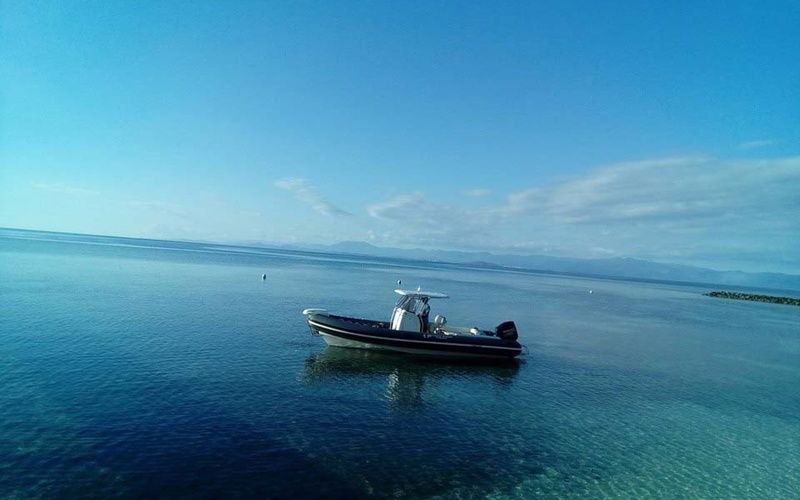
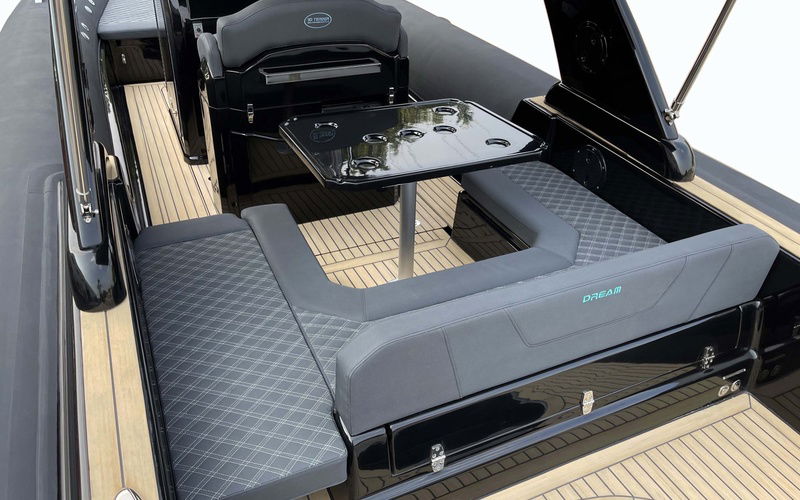
Images have been gathered from various sources and belong to their respective owners.
Review - 3D Tender Dream 850

MarineBroker
01/08/2024, 3:44 AM
2018 3D Tender Dream 850: How to Choose, Use, and Enjoy a Compact RIB Without the Usual Headaches
If you’ve been looking at the 2018 3D Tender Dream 850, you probably already know why it catches people’s attention: it’s a practical, sporty RIB with enough space to feel serious, but not so much size that it becomes a burden to own. That said, many boaters run into the same issue when considering a boat like this: they want a versatile family or day boat, but they’re not totally sure whether it will fit their real-world needs.
That’s the tricky part. A boat can look perfect on paper and still disappoint if it’s too difficult to launch, too thirsty on fuel, or not laid out well for the way you actually boat. On the other hand, the right setup can make a huge difference, turning a “nice-looking boat” into something genuinely enjoyable and easy to live with.
The good news is that the Dream 850 can make a lot of sense for the right owner. In this article, we’ll break down what to look for, where people often get stuck, and how to make a smart decision so you get more comfort, more confidence, and fewer surprises on the water.
- What Makes the 2018 3D Tender Dream 850 Worth Considering
The 2018 3D Tender Dream 850 sits in that sweet spot between compact and capable. For many boaters, that’s exactly what they want: enough length to handle family outings, coastal cruising, and social days on the water, but still manageable compared with larger cabin boats or heavy cruisers.
One of the biggest advantages of a RIB in this size range is the combination of stability and usable deck space. The inflatable tubes help create a reassuring feel at rest and underway, while the rigid hull gives it the structure needed for performance and control.
For people comparing boats in this class, the real appeal often comes down to this:
- It can work as a day boat.
- It can suit mixed-use boating, from relaxing to watersports.
- It usually offers a simpler ownership experience than bigger boats.
That said, “simple” doesn’t mean “automatic.” The boat still needs to match your boating habits, your towing vehicle if applicable, your storage plan, and your maintenance expectations.
- The Main Problem Buyers Face: Matching the Boat to Real-Life Use
A lot of people searching for the 2018 3D Tender Dream 850 are really trying to solve a broader problem: “Will this boat actually fit my life?”
That’s a smart question, because the wrong boat often creates friction in ways buyers don’t expect. Maybe it’s too wide to store comfortably. Maybe the engine setup is more expensive than planned. Maybe the seating layout looks good in photos but doesn’t work when you’ve got kids, gear, or a full group aboard.
Common concerns include:
- Is it easy to launch and recover?
- Is the deck layout practical for families or groups?
- Does it need a lot of power to perform well?
- Can it handle coastal conditions comfortably?
- Will maintenance be manageable over time?
Those are the questions that matter more than hype or brand names. A boat should reduce stress, not add to it.
- Understanding the Dream 850 Layout and Why It Matters
When evaluating a boat like the Dream 850, deck layout is one of the first things to study. On a day boat, the layout affects almost everything: comfort, movement, storage, and how many people can actually enjoy the boat at once.
A good layout should allow people to move around without feeling crowded. It should also make sense for the boat’s main purpose. For example:
- Families usually want safe seating and easy boarding.
- Social boaters often want open space and flexible seating.
- Watersports users may prioritize clear deck areas and easy access to gear.
- Coastal cruisers may look for protection, storage, and a calm ride.
The Dream 850 is appealing because boats in this category often aim for versatility. But versatility works best when you’re honest about how you’ll use the boat most of the time.
A simple rule helps here:
- If you mainly cruise with a few people, comfort and storage matter most.
- If you often carry a larger group, circulation and seating matter more.
- If you plan to tow toys or anchor in shallow spots, ease of handling becomes key.
In other words, don’t just ask whether the boat looks good. Ask whether the layout supports your actual boating routine.
- How to Tell If the 2018 3D Tender Dream 850 Is the Right Size
Size is one of the biggest decision points, and it’s easy to get it wrong. A boat around this length can feel spacious enough for day trips, but still compact enough to stay practical.
The question is not just “Is 850 enough?” It’s “Enough for what?”
Here’s a useful way to think about it:
- For couples or small families, the size can feel generous.
- For frequent group outings, it may still work well if the deck is efficient.
- For overnight cruising, it may be limited unless the specific configuration supports it.
- For trailering, it may be manageable, but you’ll want to check weight and beam carefully.
People often underestimate the impact of beam, freeboard, and weight. A boat may be “only” 8.5 meters long, but if the beam is wide or the rigging is substantial, towing and storage become more complicated.
Before deciding, ask yourself:
1. Where will I keep it?
2. How often will I move it?
3. How many people will I usually carry?
4. What kind of water will I use it in?
5. Do I want easy handling or maximum space?
If your answers point toward a versatile day boat, the Dream 850 may be a strong fit.
- Performance Expectations: What Buyers Should Realistically Look For
When people search for the 2018 3D Tender Dream 850, performance is usually high on the list. And that makes sense. RIB owners typically want a boat that feels lively, stable, and confidence-inspiring.
But performance should be judged in context. A well-matched RIB is not just about top speed. It’s about how the boat behaves at cruising pace, in chop, during turns, and when loaded with passengers and gear.
Things to consider:
- Does it plane easily with your typical load?
- Does it stay comfortable at cruising speed?
- Is the ride predictable in rougher water?
- Does it feel stable at anchor or when people move around?
- Is the engine size appropriate for how you’ll use it?
A common mistake is focusing only on maximum speed. In real boating, comfort at 20–30 knots, fuel efficiency, and handling often matter more than chasing an extra few knots.
For many owners, the best setup is one that:
- gets on plane without strain,
- cruises efficiently,
- and still feels safe when conditions change.
That’s especially important if you plan to use the boat for family outings or mixed-use coastal trips.
- The Practical Solution: Buy and Set It Up for Your Real Boating Style
This is where the solution comes together. If the problem is “How do I know whether the Dream 850 will work for me?”, the answer is to evaluate the boat through the lens of your actual boating habits, not just specs.
Here’s a practical approach:
- Define your primary use
- Day cruising
- Family outings
- Watersports
- Coastal exploring
- Social boating
- Match the setup to that use
- Seating for comfort
- Storage for gear
- Shade or protection if needed
- Engine size suited to load and conditions
- Inspect the condition carefully if buying used
- Tubes
- Hull
- Console
- Upholstery
- Electrical systems
- Steering and controls
- Consider ownership logistics
- Mooring or storage
- Launching and recovery
- Fuel consumption
- Maintenance access
- Insurance and running costs
This approach helps prevent one of the most common buyer regrets: choosing a boat that sounds ideal but doesn’t fit day-to-day reality.
- What to Check on a Used 2018 3D Tender Dream 850
If you’re looking at a used 2018 3D Tender Dream 850, condition matters just as much as model reputation. A well-kept boat can be a great buy, while a neglected one can quickly turn into an expensive project.
Focus on the following areas:
- Tubes
- Look for patches, fading, seam wear, and valve issues.
- Check for uneven inflation or signs of air loss.
- Hull and deck
- Inspect for stress cracks, soft spots, or impact marks.
- Make sure drainage and scuppers function properly.
- Engine and controls
- Review service history.
- Ask about hours, maintenance intervals, and any repairs.
- Test throttle response and steering smoothness.
- Electrical systems
- Check navigation lights, switches, pumps, and battery condition.
- Look for corrosion, especially in saltwater boats.
- Upholstery and fittings
- Worn cushions or loose hardware can signal heavier use.
- Small issues are common, but they should be reflected in price.
A sea trial is ideal if possible. It reveals things a dockside inspection won’t, such as vibration, trim behavior, and handling under load.
- Maintenance Tips That Keep Ownership Easy
One reason people like boats in this category is that they can be relatively straightforward to maintain if you stay on top of the basics. The key is consistency.
Good habits include:
- Rinsing thoroughly after saltwater use
- Checking tube pressure regularly
- Flushing the engine after every outing
- Inspecting fittings for corrosion
- Keeping batteries charged and terminals clean
- Covering the boat when not in use
- Scheduling regular engine servicing
These are simple steps, but they matter a lot. Small issues become expensive when they’re ignored.
For RIB owners, tube care is especially important. UV exposure, abrasion, and poor storage can shorten the life of the boat’s most recognizable feature. Keeping the tubes clean and protected helps preserve both appearance and value.
- Accessories That Make the Dream 850 More Usable
A boat becomes much more enjoyable when it’s set up for your routine. With a model like the Dream 850, the right accessories can make a noticeable difference.
Useful additions may include:
- A quality bimini or sunshade
- Bow or cockpit covers
- Extra storage solutions
- Upgraded seating or cushions
- A fishfinder or chartplotter
- Dock lines and fenders suited to the boat’s size
- A boarding ladder if you swim often
- A freshwater rinse system if available
The idea is not to overload the boat with gadgets. It’s to remove friction. If you hate sun exposure, add shade. If you carry lots of gear, improve storage. If you boat in unfamiliar waters, upgrade navigation.
That way, the boat becomes easier to use, not harder.
- Who the 2018 3D Tender Dream 850 Is Best Suited For
This model tends to make the most sense for boaters who want a flexible, easy-to-enjoy platform without moving into a much larger and more expensive class.
It may suit:
- Families who want safe, open day boating
- Owners who enjoy coastal trips and relaxed cruising
- Boaters who want a sporty feel without huge complexity
- People upgrading from a smaller RIB or open boat
- Buyers who value versatility over luxury-heavy features
It may be less ideal for:
- Those needing overnight accommodation
- Buyers who want a very compact, ultra-simple trailer boat
- Owners looking for the lowest possible running costs regardless of size
- Boaters who need maximum enclosed comfort in all weather
That’s why the best boat choice is always personal. The Dream 850 is not “best” for everyone, but it can be excellent for the right type of owner.
- Smart Buying Questions to Ask Before You Commit
Before you make a decision, it helps to ask a few direct questions. These can save you from buying based on emotion alone.
Ask:
- What is the boat’s real use history?
- Has it been stored properly?
- Are the tubes original and in good condition?
- What is the service record like?
- Is the engine matched to the boat’s needs?
- Are there any signs of water intrusion or neglect?
- Does the layout match how I boat?
If you’re unsure, bring in a surveyor or experienced marine mechanic. A small upfront cost can prevent a much bigger mistake later.
- Making the Final Decision Without Overthinking It
A lot of boat buyers get stuck in analysis mode. They compare specs, watch videos, and read opinions for weeks or months, but never quite move forward.
The trick is to focus on the essentials:
- Does it fit your use?
- Can you store and handle it comfortably?
- Is the condition right?
- Is the running cost acceptable?
- Will it still make sense a year from now?
If the answer is yes, you probably have a solid match.
For many people, the 2018 3D Tender Dream 850 is appealing because it offers a balanced mix of space, stability, and usability. The best way to get value from it is not to chase perfection, but to choose a well-maintained example and set it up for your real boating life.
- Conclusion
The 2018 3D Tender Dream 850 is the kind of boat that can make a lot of sense when you’re looking for a versatile, practical RIB for day use and coastal fun. The main challenge for buyers is not finding a boat that looks good, but finding one that truly fits their storage, handling, and usage needs.
If you focus on layout, condition, performance, and ownership logistics, you’ll be in a much better position to make a smart choice. A careful inspection, a realistic view of your boating habits, and a few well-chosen upgrades can turn a good boat into a genuinely enjoyable one. If you’re still comparing options, keep digging into real-world use cases and ownership tips before you decide.
Specifications
General
Boat Type: Power Boats
Class Type: Rigid Inflatable Boats
Specifications
Length: 27.72
Beam: 10.24
Draft: 2.62
Hull Material: GRP
Build
First Built: 2018
Propulsion
Fuel Type: Unleaded
Engines: 1
Power: 350 HP
Brand: Unknown
Accomodation
Berths: 1
Cabins: 1
Bathrooms: 1
PROS & CONS
What we appreciated
 Spacious and comfortable layout ideal for family and group outingsModern design with high-quality materials and finishesGood performance with efficient hull design for smooth ridesVersatile usage suitable for both leisure cruising and water sportsAmple storage compartments for gear and equipment
What we didn’t appreciate
 Relatively high price compared to similar-sized tendersHeavier weight may require a powerful engine for optimal performanceLimited availability of aftermarket parts and accessoriesMay have higher fuel consumption due to size and buildNot ideal for very shallow waters due to draft
Upkeep Costs
Fuel: Approximately $1,000 - $2,500 per year depending on usage
Insurance: Around $300 - $700 annually
Maintenance and Repairs: $500 - $1,200 per year
Storage: $600 - $1,200 per year (varies by location and season)
Registration and Taxes: $100 - $300 per year
Rating
6.2
User
Score
Score
Driveability
Technology
Interior
Design
Similar Boats


MarineBroker
Download now for an immersive boat experience like never before! ⛵✨ Your journey begins with a simple click. 🌊📲
#SetSailSmart #DownloadNow
#SetSailSmart #DownloadNow

Subscribe
Copyright 2017 - 2026, Marinebroker.net, All Rights Reserved