Boat Database » AB Inflatables Profile A 16
AB Inflatables Profile A 16
Outboard four-stroke, Unleaded, 1x 60 HP
Power Boats 2018 AB Inflatables Profile A 16: How to Choose, Maintain, and Get the Most from This Compact RIB
If you’ve been looking at the 2018 AB Inflatables Profile A 16, you’re probably after one thing: a small, easy-to-handle boat that ...
Discover

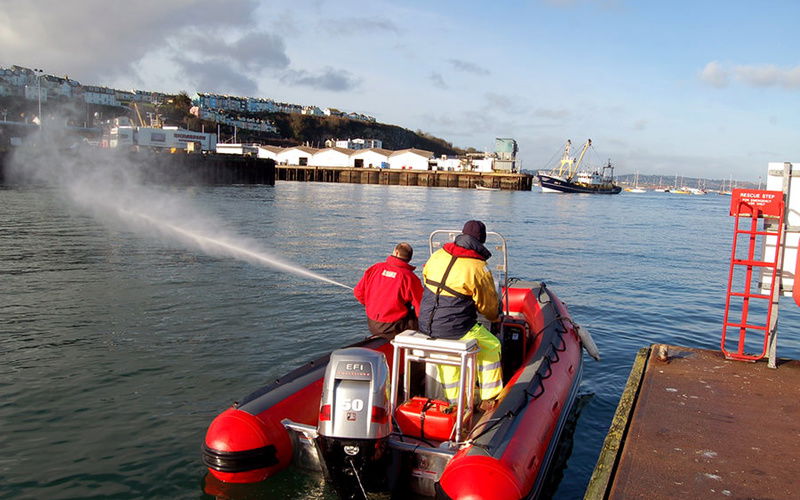
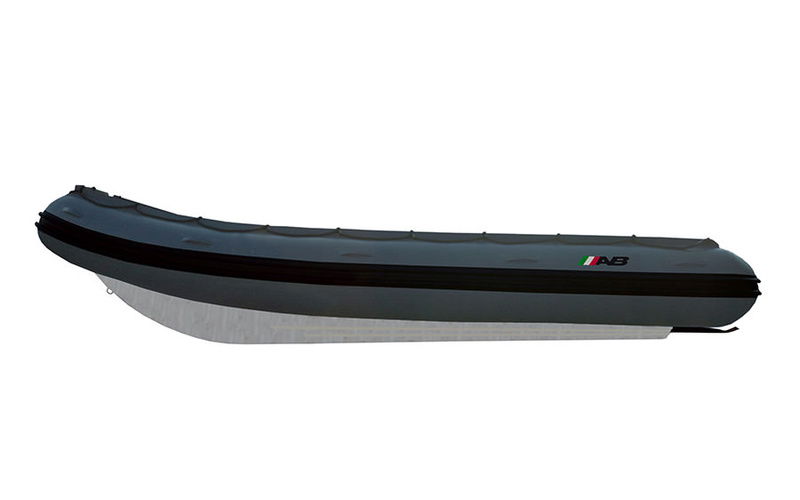
Images have been gathered from various sources and belong to their respective owners.
Review - AB Inflatables Profile A 16

MarineBroker
01/16/2024, 10:08 AM
2018 AB Inflatables Profile A 16: How to Choose, Maintain, and Get the Most from This Compact RIB
If you’ve been looking at the 2018 AB Inflatables Profile A 16, you’re probably after one thing: a small, easy-to-handle boat that still feels solid on the water. That’s a pretty common sweet spot for boaters who want something more capable than a basic tender, but not so large that it becomes a hassle to launch, tow, or store.
The challenge is that boats in this size range can be deceptively simple. On paper, a 16-foot inflatable RIB sounds straightforward. In real life, the details matter a lot: tube condition, hull integrity, engine pairing, weight capacity, storage setup, and how the boat has been used over time. A well-kept boat can be a fantastic buy and a reliable day boat. A neglected one can turn into a money pit fast.
This article breaks down what to look for, the most common issues owners face, and how to solve them before they become expensive problems. Whether you’re considering buying one, already own one, or are just trying to understand if the 2018 AB Inflatables Profile A 16 fits your boating style, this guide will help you make a smarter decision.
- What Makes the 2018 AB Inflatables Profile A 16 a Popular Choice
The 2018 AB Inflatables Profile A 16 sits in a very practical category. It’s small enough to be manageable, but it still offers the stability and confidence that inflatable RIBs are known for.
For many boaters, that combination is the appeal. You get:
- Easy trailering and launching
- Good stability at rest
- Efficient use of deck space
- A lighter, more flexible ownership experience than a full-size rigid boat
This makes it a strong fit for a few different uses:
- Tender for a larger yacht
- Family runabout for calm coastal waters
- Harbor boat for short trips and errands
- Fishing platform for nearshore use
- Backup or secondary boat for a house on the water
The key advantage is versatility. You’re not locked into one style of boating, and that’s why the 2018 AB Inflatables Profile A 16 remains attractive to buyers who want practical performance without a lot of fuss.
- The Main Problem Buyers Run Into with a Used 2018 AB Inflatables Profile A 16
The biggest issue isn’t usually the model itself. It’s the condition of the boat.
Used inflatable RIBs often look fine at first glance, but hidden wear can affect safety, performance, and long-term value. The most common problem is that buyers focus on cosmetics and overlook the parts that actually matter: tube health, seam condition, floor integrity, and engine setup.
A few typical pain points include:
- Air leaks in the tubes
- UV damage from sun exposure
- Weak seams or patch repairs
- Corrosion on hardware and fasteners
- Delamination or stress issues in the hull
- An engine that’s underpowered, overworked, or poorly maintained
- Accessories that no longer function properly
For a boat like the 2018 AB Inflatables Profile A 16, these issues can change the whole experience. A boat that should feel stable and easy to use can become annoying, slow, or even unsafe if the basics aren’t in good shape.
- How to Inspect a 2018 AB Inflatables Profile A 16 Before Buying
If you’re shopping for one, inspection is everything. Don’t rush this part. A careful look now can save you a lot later.
Start with the tubes. Walk around the boat and check for:
- Fading or chalky surfaces
- Cracks in the material
- Soft spots
- Uneven inflation
- Visible patchwork
- Loose seams or glue failure
Press gently along the tubes and compare firmness from one section to another. Uneven pressure can hint at a slow leak or a valve issue.
Next, inspect the hull. Look for:
- Scratches deeper than surface wear
- Cracks near stress points
- Softness in the deck or floor
- Previous repairs around the keel or transom
- Signs of water intrusion
Then move to the transom and engine mounting area. This part takes real abuse over time. Check for:
- Rot, flex, or cracking
- Loose mounting hardware
- Corrosion around bolts and brackets
- Signs the motor was too heavy for the boat
Don’t forget the valves, console fittings, steering setup, and any electronics. On a boat this size, even small issues can add up quickly.
- Common Maintenance Needs for the 2018 AB Inflatables Profile A 16
One reason inflatable RIB owners like this type of boat is that maintenance is manageable when you stay on top of it. The trick is consistency.
Here are the main maintenance priorities:
- Rinse after every saltwater use
Salt and grime shorten the life of almost every surface on the boat. A simple freshwater rinse helps protect tubes, hardware, and engine components.
- Keep the tubes clean
Use cleaners made for inflatable materials, not harsh household chemicals. Strong cleaners can dry out or damage the fabric over time.
- Check inflation regularly
Temperature changes affect pressure. Overinflated tubes in hot weather can stress seams, while underinflated tubes can reduce performance and cause wear.
- Inspect seams and valves often
These are common failure points. Catching a valve issue early is much easier than dealing with a full air leak later.
- Protect the boat from UV exposure
Sun damage is one of the fastest ways to age an inflatable. A cover, shade, or indoor storage makes a big difference.
- Service the engine on schedule
The boat may be the focus, but the motor is what keeps the whole setup usable. Regular oil changes, impeller checks, fuel system care, and winterization matter a lot.
If you own a 2018 AB Inflatables Profile A 16, think of maintenance as protecting your time on the water. A little routine care keeps the boat feeling light, responsive, and dependable.
- The Best Engine Match for a 16-Foot RIB Like This
Power matters more than many first-time buyers expect. Too little horsepower leaves the boat feeling sluggish. Too much can make it unsafe or hard on the hull and transom.
The goal is balance.
For a 16-foot RIB, the best engine choice depends on how you use the boat:
- Light-duty harbor runs: smaller, fuel-efficient outboard
- Family cruising: mid-range outboard with enough reserve power
- Loaded use with passengers or gear: a slightly stronger setup within the boat’s recommended range
A good match should allow the boat to plane smoothly, handle moderate chop, and maintain comfortable cruising speed without struggling.
What to avoid:
- Overpowering the boat beyond manufacturer recommendations
- Running an old engine with unknown service history
- Ignoring propeller condition
- Using the wrong pitch, which can hurt acceleration or top-end efficiency
If you’re buying a used 2018 AB Inflatables Profile A 16, always ask for the engine hours, service records, and recent maintenance history. A clean boat with a tired motor is still a problem.
- How to Spot Wear That Actually Matters
Not all wear is a dealbreaker. Some cosmetic marks are normal on a used boat. The key is knowing the difference between age and real trouble.
Normal wear may include:
- Light scuffs on the hull
- Minor discoloration on the tubes
- Small cosmetic scratches on hardware
- Faded decals or upholstery
More serious wear includes:
- Repeated patch repairs
- Air loss that returns after inflation
- Soft transom areas
- Cracks around fittings or mounts
- Corrosion that affects structural parts
- Water trapped inside the hull or compartments
A good rule: if the problem affects buoyancy, steering, structural strength, or engine support, it deserves attention.
This is especially important for buyers who are new to RIBs. A boat may look clean in photos, but a thorough inspection tells the real story.
- Practical Buying Tips for the 2018 AB Inflatables Profile A 16
If you’re in the market for one, a little strategy goes a long way.
Use this checklist before committing:
1. Ask for full ownership and service records
2. Confirm the boat has been stored properly
3. Check whether the tubes have been repaired before
4. Test inflation and hold pressure if possible
5. Inspect the trailer, if included
6. Verify the engine starts cold and idles smoothly
7. Look for consistent wear, not random mismatched fixes
8. Compare the asking price with the real condition, not just the model name
It also helps to think about your intended use before buying. A boat that’s perfect as a tender may not be ideal for frequent family outings or fishing trips. The best deal is the one that fits your actual boating habits.
If you’re not sure, bring a marine surveyor or an experienced boater along. A second set of eyes can catch things you might miss.
- Storage and Transport: Keeping a Compact RIB in Better Shape
One of the biggest advantages of a 16-foot inflatable RIB is easier storage. But “easier” doesn’t mean “carefree.”
How you store the boat affects its lifespan more than many owners realize.
Best practices include:
- Store in a dry, shaded place when possible
- Keep it covered to reduce UV damage
- Avoid long-term storage with dirt or salt residue on the tubes
- Make sure the boat is fully dry before covering it
- Support the hull and trailer properly to avoid stress points
If you trailer the boat often, check tie-down points and straps regularly. Improper transport can wear down tubes and fittings over time.
For owners who keep the boat in the water for part of the season, regular bottom checks matter too. Growth, staining, and hardware corrosion can develop faster than expected.
- Why the 2018 AB Inflatables Profile A 16 Works Well for Real-World Boating
This boat’s appeal is practical, not flashy. That’s a good thing.
A lot of boaters want something that is:
- Simple to launch
- Easy to maintain
- Stable enough for passengers
- Efficient enough to use often
- Small enough to store without stress
The 2018 AB Inflatables Profile A 16 checks those boxes when it’s properly maintained and paired with the right engine. It gives you a lot of flexibility without demanding the kind of commitment a larger boat does.
That’s why it works so well for people who want more boating and less complication. You can spend more time on the water and less time managing a giant list of systems, parts, and upkeep tasks.
- How to Extend the Life of Your Inflatable RIB
If you want your boat to last, the biggest wins are usually the simplest ones.
Focus on these habits:
- Rinse, dry, and cover the boat after use
- Keep a regular inspection schedule
- Fix small leaks and wear immediately
- Use the right cleaning products
- Maintain proper inflation
- Service the motor before problems spread
- Avoid dragging the boat over rough surfaces
It’s also smart to keep a basic onboard repair kit. A few essentials can help you handle minor issues quickly:
- Tube repair material
- Valve tools
- Pump
- Spare fuses
- Basic hand tools
- Marine sealant
- Cleaning cloths
When you treat the boat well, it usually pays you back with fewer surprises and better resale value.
- Is the 2018 AB Inflatables Profile A 16 a Good Fit for You?
This boat makes the most sense if you want a compact, stable, easy-to-manage RIB for moderate use. It’s a strong option for boaters who value practicality over size and luxury.
It may be a good fit if you:
- Want a dependable small boat for coastal or harbor use
- Need a tender that’s easy to handle
- Prefer a boat with simple upkeep
- Like the safety and stability of a RIB design
- Plan to use it regularly, not just occasionally
It may not be the best fit if you need:
- Large passenger capacity
- Long-range cruising
- Heavy-duty offshore capability
- A lot of onboard storage
- High-speed performance with bigger groups
Knowing the boat’s strengths helps you avoid disappointment. A well-chosen 16-foot RIB can be a great ownership experience, but only if it matches how you actually boat.
- Conclusion
The 2018 AB Inflatables Profile A 16 is a practical, versatile boat that can be a smart choice for the right owner. The main thing to remember is that condition matters more than the model name alone. A careful inspection, proper engine match, and consistent maintenance go a long way toward keeping this type of RIB reliable and enjoyable.
If you’re buying, focus on hidden wear, service history, and structural integrity. If you already own one, protect it with routine care, good storage, and timely repairs. That approach will help you get the most from the boat without unnecessary headaches. If you want to learn more, keep researching RIB maintenance and inspection tips before your next outing or purchase.
Specifications
General
Boat Type: Power Boats
Class Type: Rigid Inflatable Boats
Specifications
Length: 16.01
Beam: 7.02
Draft: 1.67
Hull Material: Aluminium
Build
First Built: 2018
Propulsion
Fuel Type: Unleaded
Engines: 1
Power: 60 HP
Brand: Unknown
Accomodation
PROS & CONS
What we appreciated
 Lightweight and portable for easy transport and storageDurable Hypalon fabric resistant to UV rays and abrasionsStable and rigid hull design improves performance and handlingComfortable seating arrangement for passengersGood fuel efficiency due to aerodynamic design
What we didn’t appreciate
 Limited passenger capacity compared to larger modelsSmaller size may limit storage space for gearNot ideal for very rough seas or long offshore tripsHigher initial cost compared to some other inflatable brandsRequires regular maintenance to keep Hypalon material in good condition
Upkeep Costs
Fuel: Approximately $500 - $1,000 per year depending on usage
Maintenance: Around $300 - $600 per year for engine and hull upkeep
Insurance: Typically $200 - $400 per year
Storage: $500 - $1,200 per year depending on location and type
Registration and Licensing: $50 - $150 per year
Rating
5.0
User
Score
Score
Driveability
Technology
Interior
Design
Similar Boats


MarineBroker
Download now for an immersive boat experience like never before! ⛵✨ Your journey begins with a simple click. 🌊📲
#SetSailSmart #DownloadNow
#SetSailSmart #DownloadNow

Subscribe
Copyright 2017 - 2026, Marinebroker.net, All Rights Reserved