Boat Type: Power Boats
Boat Class: Rigid Inflatable Boats
Length: 8.86 ft
Berths: 1
Cabins: 1
Bathrooms: 1
Max Persons: 4
Boat Database » 3D Tender Twin V-Shape 270
3D Tender Twin V-Shape 270
Outboard four-stroke, Unleaded, 1x 6 HP
Power Boats 2020 3D Tender Twin V-Shape 270: What to Know Before You Buy, Set Up, or Upgrade
If you’ve been looking at the 2020 3D Tender Twin V-Shape 270, chances are you’re trying to solve a very practical boating problem: finding a compac...
Discover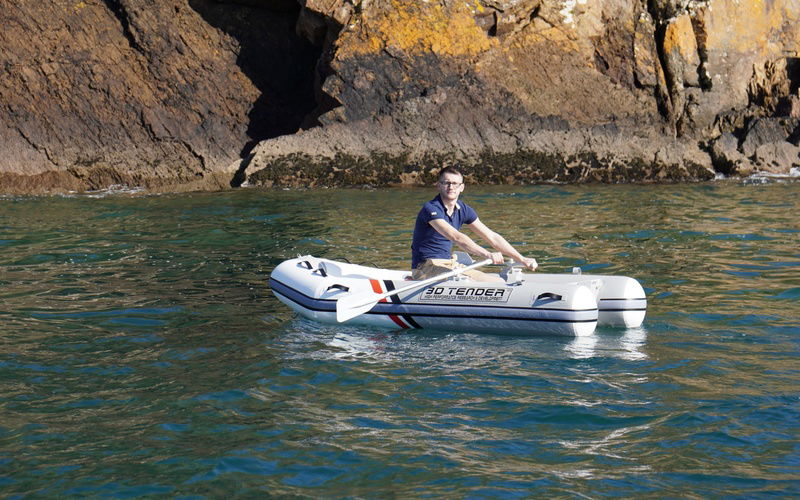

Images have been gathered from various sources and belong to their respective owners.
Review - 3D Tender Twin V-Shape 270

MarineBroker
01/09/2024, 7:25 AM
2020 3D Tender Twin V-Shape 270: What to Know Before You Buy, Set Up, or Upgrade
If you’ve been looking at the 2020 3D Tender Twin V-Shape 270, chances are you’re trying to solve a very practical boating problem: finding a compact inflatable boat that’s easy to handle, stable enough for real use, and versatile enough for tender duty, short trips, or light fishing. That’s a common challenge, especially when you want something small without sacrificing too much comfort or seaworthiness.
The tricky part is that boats in this size range can look similar on paper but behave very differently on the water. Some feel cramped, some are too soft in chop, and others are simply awkward to launch, store, or motor efficiently. That’s where understanding the design of the 2020 3D Tender Twin V-Shape 270 really matters.
In this article, we’ll break down what makes this model useful, what common issues buyers and owners should watch for, and how to get the best performance from a small inflatable boat like this. Whether you’re comparing options or already own one, the goal is to help you make smarter, more confident boating decisions.
- What the 2020 3D Tender Twin V-Shape 270 is designed for
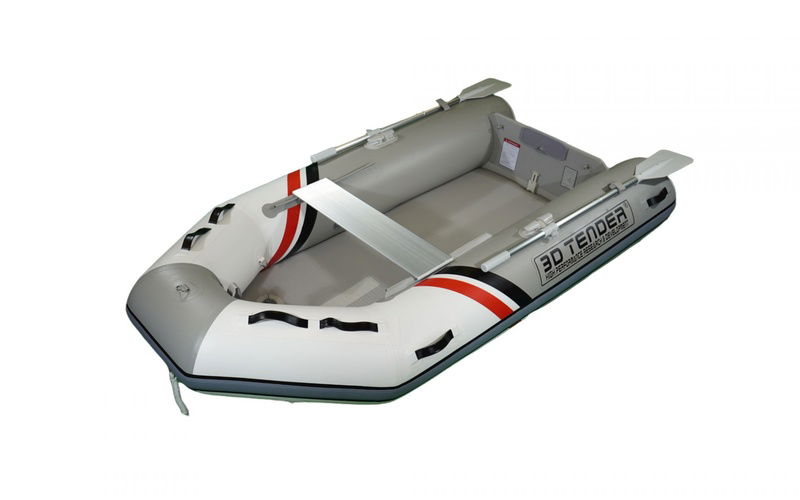
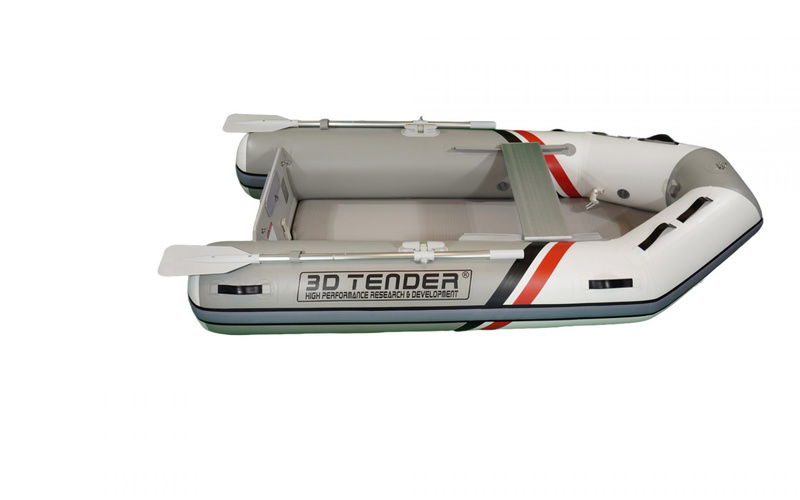
The 2020 3D Tender Twin V-Shape 270 is a compact inflatable boat built around practicality. At 2.7 meters long, it sits in that sweet spot where it’s small enough to transport and store easily, but still large enough to carry one or two adults, gear, and a small outboard.
The “Twin V-Shape” design is important because it suggests a hull setup aimed at improving stability and handling compared with flatter-bottomed inflatables. In simple terms, the boat is designed to feel more planted in the water and more predictable when moving at low to moderate speeds.
This makes it appealing for several common uses:
- Yacht tender use
- Short coastal hops
- Harbor transport
- Light fishing trips
- General recreational use
- Emergency or backup boat duties
For many owners, the real appeal is not just size, but convenience. A boat like this can be deflated, packed away, and relaunched without the logistical headache of a larger rigid hull.
- The main problem people are trying to solve with a boat this size
The biggest issue people face when shopping for a boat like the 2020 3D Tender Twin V-Shape 270 is balancing portability with performance.
That’s the trade-off in this category. You want something compact enough to live in a garage, car, or yacht locker, but you also want it to feel safe, stable, and efficient once you’re on the water.
Common pain points include:
- Too little deck space for comfort
- Poor stability when boarding or moving around
- Weak performance in chop or boat wakes
- Difficulty matching the right motor size
- Storage and inflation hassle
- Durability concerns with small inflatables
A lot of first-time buyers underestimate how much the hull shape, tube size, floor type, and motor pairing affect the experience. A small inflatable can be excellent, but only if it’s matched to the right purpose.
- Why the Twin V-Shape matters in real-world use
The “V” in the hull design is not just a marketing detail. It changes how the boat interacts with the water.
A deeper or more defined V-shaped hull typically helps the boat cut through small waves more smoothly than a flat-bottom design. That can mean:
- Less pounding in light chop
- Better directional control
- A more comfortable ride at speed
- Improved tracking when underway
The “Twin” aspect generally points to a design approach that supports balance and stability. For a boat in the 270 size range, that matters a lot because small boats can feel lively or twitchy if the hull is too flat or too narrow.
For everyday users, this means the 2020 3D Tender Twin V-Shape 270 may feel more confidence-inspiring than ultra-basic inflatables when you’re:
- Getting aboard from a dock
- Carrying a cooler or fuel tank
- Running a short distance to shore
- Using a small outboard in variable conditions
That said, no small inflatable becomes a rough-water boat just because it has a V-shaped hull. The design helps, but expectations still need to stay realistic.
- Who this boat is best suited for
The 2020 3D Tender Twin V-Shape 270 is best suited for people who need a compact, easy-to-manage boat rather than maximum carrying capacity.
It tends to make sense for:
- Sailboat owners who need a tender
- Weekend boaters who want a simple inflatable
- Solo users or couples
- Anglers who fish in protected waters
- Owners with limited storage space
It may be less ideal if you regularly carry multiple passengers, want high-speed performance, or need a boat for rougher offshore conditions. At 2.7 meters, space is naturally limited, so comfort depends heavily on how many people are aboard and how much gear you bring.
A good rule of thumb: if your main priority is easy handling and portability, this size can work very well. If your priority is maximum room, then a larger inflatable or RIB may be a better fit.
- What to check before buying a 2020 3D Tender Twin V-Shape 270
If you’re considering a used or new-old-stock 2020 model, inspection matters. Small inflatable boats can look clean at first glance while hiding issues that affect performance and safety.
Here’s what to check carefully:
- Tube condition
Look for patches, abrasions, discoloration, seam wear, and soft spots.
- Air retention
Inflate the boat and let it sit. Loss of pressure may indicate leaks or valve issues.
- Floor and transom integrity
Make sure the floor is firm and the transom is not flexing excessively.
- Valve condition
Faulty valves can cause slow leaks and frustrating maintenance problems.
- UV wear
Sun exposure can weaken materials over time, especially if the boat has lived outdoors.
- Previous repairs
A well-done repair is not always a dealbreaker, but multiple repairs may signal harder use.
- Accessories
Check whether oars, pump, seat, bag, and repair kit are included.
If the boat has been used as a tender, ask how often it was deflated, stored, and launched. Frequent folding and packing can affect wear patterns, especially at seams and creases.
- The best motor pairing for a compact inflatable like this
One of the most common mistakes with small inflatables is overestimating the motor needed.
A boat like the 2020 3D Tender Twin V-Shape 270 usually performs best with a small outboard matched to its size, weight, and intended use. The goal is not raw speed. The goal is efficient, controllable movement.
When selecting a motor, consider:
- The manufacturer’s recommended horsepower range
- Total load: passengers, fuel, gear, and battery
- Whether you want maximum efficiency or quicker planing
- Shaft length compatibility
- Weight of the engine itself
A motor that’s too heavy can make the boat sit awkwardly in the water and reduce stability. A motor that’s too weak can make the boat feel sluggish and underpowered, especially with two people aboard.
For most buyers, the smartest setup is usually the lightest motor that still delivers reliable thrust for the intended use.
- How to improve stability and comfort on board
Small inflatables can feel dramatically better with a few simple adjustments.
If you own or plan to use the 2020 3D Tender Twin V-Shape 270, these tips can make a big difference:
- Keep weight centered
Try to distribute passengers and gear evenly.
- Avoid overloading one side
Uneven loading can make the boat list and feel less secure.
- Use proper inflation pressure
Underinflated tubes reduce stability and handling.
- Add non-slip surfaces if needed
This helps when boarding or fishing.
- Keep gear low
High, loose gear can make the boat feel cramped and unstable.
- Use a small anchor or drift control method
This helps if you’re fishing or stopping in current.
A lot of “bad handling” complaints from small inflatable owners come down to setup, not the boat itself. Correct inflation and loading often solve more problems than people expect.
- Storage and transport: where this model shines
One of the strongest advantages of the 2020 3D Tender Twin V-Shape 270 is portability. For owners with limited space, that alone can be the deciding factor.
This type of boat is easier to handle because it can usually be:
- Deflated and packed into a manageable size
- Stored in a garage, locker, or trunk depending on packaging
- Transported without a trailer in many cases
- Launched by one or two people
That convenience is a major reason inflatable boats remain so popular as tenders and small utility boats. If you don’t want the cost, maintenance, and storage burden of a rigid hull, a compact inflatable is often the practical solution.
Still, easy storage only works well if you keep the boat dry, clean, and protected from UV exposure. Long-term storage habits matter a lot for lifespan.
- Maintenance tips to keep the boat performing well
If you want your inflatable to last, routine care is essential. The good news is that maintenance on a boat like this is fairly straightforward.
Basic maintenance habits include:
- Rinse with fresh water after saltwater use
- Dry completely before storing
- Avoid dragging the boat over rough surfaces
- Inspect seams and valves regularly
- Keep it out of direct sun when not in use
- Store loosely if possible to reduce crease stress
Also, pay attention to cleaning products. Harsh chemicals can damage inflatable materials over time. A mild soap and soft cloth are usually enough for routine cleaning.
If the boat is used frequently, inspect it before every trip. A quick check for pressure, visible damage, and secure fittings can prevent small problems from becoming big ones.
- Common mistakes owners make with small inflatables
Even a well-designed small boat can disappoint if it’s used the wrong way.
Some of the most common mistakes include:
- Using an oversized motor
- Overloading the boat with people or gear
- Launching with low tube pressure
- Storing it wet or dirty
- Ignoring small leaks
- Expecting it to perform like a larger RIB
Another big mistake is buying based only on length. Two boats that are both 2.7 meters long can feel completely different depending on hull design, floor construction, and tube geometry.
The 2020 3D Tender Twin V-Shape 270 is a good reminder that small boats work best when you respect their limits and set them up properly.
- Practical ways to get the most from the 2020 3D Tender Twin V-Shape 270
If you want the best experience from this model, focus on the basics that matter most.
Here’s a simple checklist:
1. Match the motor to the boat’s intended use
2. Inflate to the correct pressure every time
3. Keep gear light and evenly distributed
4. Use it in conditions appropriate for its size
5. Rinse and dry after every outing
6. Inspect for wear before storage
7. Protect it from long-term sun exposure
These steps sound simple, but they make a huge difference in safety, comfort, and lifespan.
For many boaters, the real value of a compact inflatable comes from how easy it is to use well. A properly set up small boat can be surprisingly capable.
- Is the 2020 3D Tender Twin V-Shape 270 still a smart choice?
If your goal is a compact, manageable inflatable with a hull design that offers better confidence than a basic flat-bottom tender, then yes, it can still be a smart choice.
It’s especially appealing if you need:
- Easy storage
- Simple transport
- Light-duty versatility
- Stable handling for its size
- A practical tender or day-use boat
The key is to approach it with the right expectations. This is not a big-water cruiser, and it’s not meant to replace a larger boat. But for the right user, it can solve a very real boating problem: how to get dependable, convenient water access without complexity.
- Conclusion
The 2020 3D Tender Twin V-Shape 270 stands out because it solves a common boating challenge in a practical way. It gives you compact size, easy storage, and a hull design that can feel more stable and controlled than many basic inflatables in the same category.
The main takeaway is simple: this boat works best when it’s matched to the right use, properly inflated, lightly loaded, and carefully maintained. If you’re shopping for a small tender or utility inflatable, focus on handling, storage, and setup—not just the length on paper.
With the right expectations and care, a boat like this can be a genuinely useful part of your boating routine. If you’re still comparing options, it’s worth looking at motor compatibility, storage needs, and how you plan to use the boat most often before making a final decision.
Specifications
General
Boat Type: Power Boats
Class Type: Rigid Inflatable Boats
Specifications
Length: 8.86
Beam: 4.43
Draft: 0.98
Hull Material: Unknown
Build
First Built: 2020
Propulsion
Fuel Type: Unleaded
Engines: 1
Power: 6 HP
Brand: Unknown
Accomodation
Berths: 1
Cabins: 1
Bathrooms: 1
PROS & CONS
What we appreciated
 Twin V-Shape hull offers excellent stability and smooth ride in choppy watersCompact size makes it easy to maneuver and storeLightweight design allows for easy towing and launchingDurable construction materials ensure longevity and low maintenanceVersatile tender suitable for various activities like fishing, cruising, and water sports
What we didn’t appreciate
 Limited seating capacity compared to larger tendersSmaller engine options may limit top speed and powerMinimal onboard storage space for gear and suppliesBasic features and amenities compared to more luxurious modelsNot ideal for long-distance travel or rough open water conditions
Upkeep Costs
Insurance: $500 - $1,000 per year
Fuel: Approximately $1,500 - $3,000 per year depending on usage
Maintenance: $800 - $1,500 per year
Storage: $600 - $2,000 per year depending on location and type
Registration and Licensing: $100 - $300 per year

Rating
4.8
User
Score
Score
Driveability
Technology
Interior
Design
Similar Boats


MarineBroker
Download now for an immersive boat experience like never before! ⛵✨ Your journey begins with a simple click. 🌊📲
#SetSailSmart #DownloadNow
#SetSailSmart #DownloadNow

Subscribe
Copyright 2017 - 2026, Marinebroker.net, All Rights Reserved