Boat Type: Power Boats
Boat Class: Rigid Inflatable Boats
Length: 16.4 ft
Berths: 1
Cabins: 1
Bathrooms: 1
Max Persons: 9
Boat Database » 3D Tender Heavy Duty 500
3D Tender Heavy Duty 500
Outboard four-stroke, Unleaded, 1x 45 HP
Power Boats 2017 3D Tender Heavy Duty 500: What to Know Before You Buy, Use, or Upgrade
If you’ve been looking at the 2017 3D Tender Heavy Duty 500, chances are you’re trying to figure out whether it’s the right boat for your kind of boating...
Discover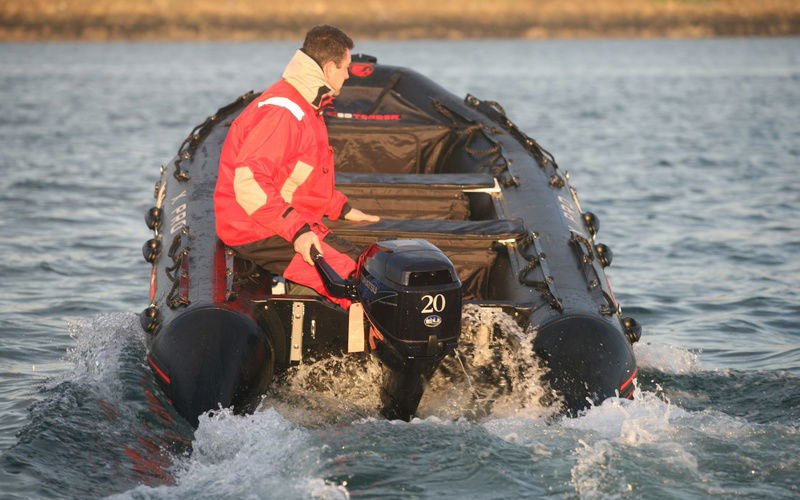

Images have been gathered from various sources and belong to their respective owners.
Review - 3D Tender Heavy Duty 500

MarineBroker
01/08/2024, 7:41 AM
2017 3D Tender Heavy Duty 500: What to Know Before You Buy, Use, or Upgrade
If you’ve been looking at the 2017 3D Tender Heavy Duty 500, chances are you’re trying to figure out whether it’s the right boat for your kind of boating. Maybe you want a tough inflatable that can handle regular use, carry gear without feeling flimsy, or serve as a reliable tender for a larger vessel. The challenge is that boats like this often look simple on the surface, but the real questions are in the details: how it performs, what to check before buying, and how to make sure it stays dependable over time.
That’s where a little practical guidance helps. A heavy-duty inflatable can be a smart choice, but only if it matches your needs and is kept in good condition. In this article, we’ll break down what makes the 2017 3D Tender Heavy Duty 500 worth considering, what common issues buyers should watch for, and how to get the most from it. Whether you’re comparing used listings or already own one, the goal is to help you make a more confident, informed decision.
- What Makes the 2017 3D Tender Heavy Duty 500 Stand Out
The 2017 3D Tender Heavy Duty 500 sits in a popular category of rigid inflatable-style utility boats designed for practical use. At around 5 meters in length, it offers a useful balance between portability, load capacity, and stability.
That balance is often the main reason people look at boats like this in the first place. They want something easier to handle than a larger fibreglass hull, but more capable than a small inflatable meant only for short runs.
A few features typically make this kind of boat appealing:
- Strong tube construction for stability and buoyancy
- A layout suited for work, transport, or leisure
- Enough length to carry passengers and gear comfortably
- A design that can serve as a tender, support boat, or compact family runabout
For many owners, the real advantage is versatility. A heavy-duty 5-meter inflatable can be used for marina runs, fishing trips, diving support, coastal exploring, or as a dependable tender for a larger yacht.
- The Main Problem Buyers Face with the 2017 3D Tender Heavy Duty 500
The biggest problem is not usually the boat itself. It’s figuring out whether a used 2017 model has been cared for properly.
With boats of this type, wear and tear can hide in places that are easy to miss during a quick inspection. A listing may look clean in photos, but the real condition depends on things like tube health, transom integrity, floor condition, engine matching, and how the boat was stored.
Common concerns include:
- Air leaks or patch repairs on the tubes
- UV damage from long-term sun exposure
- Weak spots around seams or valves
- Transom stress from an oversized or poorly mounted engine
- Corrosion on fittings, steering hardware, or electrical parts
- Floor or deck wear from repeated loading and unloading
Another common issue is mismatched expectations. Some buyers assume a heavy-duty inflatable will be maintenance-free because it looks tough. In reality, these boats are durable, but only if they are rinsed, inspected, and stored properly.
- How to Inspect a 2017 3D Tender Heavy Duty 500 Before Buying
If you’re shopping for a used 2017 3D Tender Heavy Duty 500, inspection matters more than almost anything else. A careful walkthrough can save you from expensive surprises later.
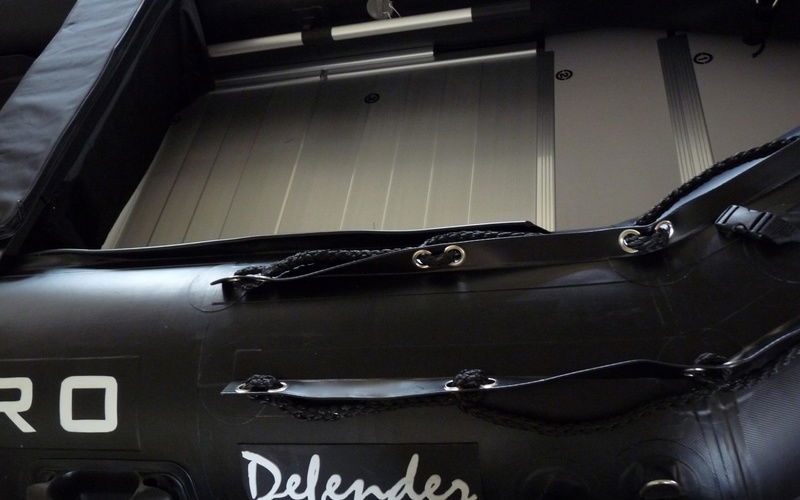
Start with the tubes. Look closely for fading, cracks, abrasion marks, loose seams, and previous repairs. Small cosmetic wear is normal, but deep scuffs or repeated patching can suggest harder use.
Check the valves next. Inflate the tubes fully and listen for leaks. If possible, leave the boat inflated for a while and see whether pressure drops noticeably.
Pay attention to the transom and mounting areas. These spots carry a lot of stress, especially if the boat has been used with a heavier outboard. Any flexing, softness, or visible cracking should be treated seriously.
Also inspect:
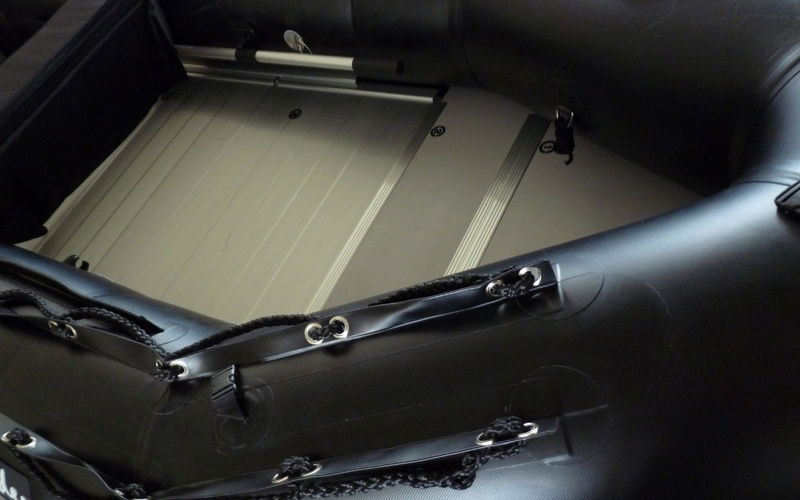
- The floor or deck for movement, soft spots, or lifting sections
- Cleats, handles, and D-rings for corrosion or looseness
- Steering controls and cables if equipped
- Fuel system components if the boat includes an engine package
- Trailer condition if one is included in the sale
If the boat is being sold with an outboard, ask for service records. Engine history often tells you more than the listing description ever will.
- Why the Right Engine Match Matters
A lot of people focus on hull condition and overlook the engine setup. That’s a mistake. The 2017 3D Tender Heavy Duty 500 can only perform well if the outboard is matched to the boat’s intended use and manufacturer guidance.
Too little power can make the boat feel sluggish, especially with passengers or gear onboard. Too much power can create handling issues and put unnecessary strain on the transom.
A good engine match should give you:
- Easy planing
- Predictable handling
- Reasonable fuel use
- Safe acceleration under load
- Less stress on the hull and mounting points
If you’re buying used, ask whether the motor has been over-propped, under-maintained, or used in saltwater without proper flushing. These details matter a lot for long-term reliability.
- Best Uses for the 2017 3D Tender Heavy Duty 500
One of the reasons this model stays popular is that it fits several boating styles. It’s not only for one type of owner.
Here are some of the most common uses:
- Tender for a yacht or larger cruiser
- Family day boat for short coastal trips
- Fishing platform for inshore waters
- Dive support boat
- Utility boat for transport or work use
- Backup or support vessel for marine operations
The key is matching the boat to the mission. If you want a compact, stable, and practical boat for short trips and carrying people or equipment, this size makes a lot of sense.
If, however, you regularly need long-range cruising comfort, enclosed storage, or high-speed offshore capability, you may want to look at a different style of vessel.
- Maintenance Tips That Keep It Reliable
A heavy-duty inflatable can last a long time, but only if it gets regular attention. Most problems are preventable with simple habits.
Here’s a practical maintenance routine:
- Rinse the boat with fresh water after saltwater use
- Dry the tubes before storage when possible
- Check inflation pressure regularly
- Inspect seams, valves, and fittings each season
- Keep the boat out of direct sun when not in use
- Use a proper cover or shaded storage area
- Service the outboard on schedule
- Grease or protect metal fittings from corrosion
It also helps to avoid dragging the boat over rough surfaces. Even durable tube material can wear down faster if the boat is repeatedly launched or recovered on abrasive ground.
For owners who use the boat often, a quick monthly check is worth the effort. Look for:
- Soft spots
- New scuffs
- Loose hardware
- Water intrusion in the floor or transom area
- Signs of fuel, oil, or electrical issues
Small fixes early on are far cheaper than major repairs later.
- What to Watch for in a Used Listing
When browsing used boats, the photos and description can be helpful, but they rarely tell the full story. A smart buyer reads between the lines.
Be cautious if a listing:
- Uses vague wording like “needs minor work”
- Shows only a few close-up photos
- Does not include engine hours or service history
- Avoids showing the transom, floor, or valve areas
- Lists the boat as “ready to go” without proof
On the other hand, a good listing usually includes:
- Clear photos from multiple angles
- Close-ups of the tubes, deck, and controls
- Honest notes about repairs or wear
- Maintenance and storage history
- Engine details and service records
If you’re comparing several boats, the best value is not always the lowest price. A slightly more expensive boat with better documentation and cleaner condition can be the smarter long-term buy.
- Common Upgrades and Practical Improvements
If you already own the 2017 3D Tender Heavy Duty 500, a few upgrades can make it more useful and easier to live with.
Useful improvements often include:
- Better seating for comfort on longer runs
- A bimini or sunshade for protection
- Additional grab handles for passengers
- Navigation lights if you run early or late
- A modern battery setup for reliability
- Improved storage solutions for gear and safety equipment
For fishing or utility use, you might also consider:
- Rod holders
- A small console or helm upgrade
- Dry storage bags or lockers
- A deeper anchor setup
- Non-slip deck surfaces
The best upgrades are the ones that match how you actually use the boat. It’s easy to add accessories that look good but don’t improve day-to-day boating.
- Safety Considerations for Daily Use
A boat like this is practical, but safety should always come first. Because it’s relatively light and compact, it can be sensitive to loading and sea conditions.
Keep these basics in mind:
- Don’t overload passengers or gear
- Distribute weight evenly
- Check weather before heading out
- Carry life jackets for everyone onboard
- Keep an emergency kit onboard
- Make sure the bilge area stays dry
- Test the engine and controls before leaving the dock
If the boat is used as a tender, it’s especially important to practice boarding and docking procedures. Many small-boat accidents happen during low-speed maneuvering, not open-water cruising.
Also, remember that inflatable tubes can make the boat feel stable, but stability is not the same as invincibility. Careful operation still matters.
- Is the 2017 3D Tender Heavy Duty 500 a Good Fit for You?
This boat is a good fit if you want a practical, durable, easy-to-handle vessel for short trips, transport, or support work. It’s especially appealing if you value stability and flexibility more than luxury features.
It may be a strong option if you:
- Need a reliable tender
- Want a manageable 5-meter boat
- Prefer simple, functional boating
- Care about load-carrying ability
- Want something easier to store and launch than a larger hull
It may not be ideal if you want:
- A fully enclosed cabin
- Long-distance cruising comfort
- Large onboard storage
- A high-end leisure layout with lots of amenities
That’s why the best purchase decision starts with your actual boating habits. The right boat is the one that fits your routine, not just the one that looks impressive on paper.
- A Simple Buying Checklist
Before making a final decision, use this quick checklist:
1. Inspect tubes, seams, and valves carefully
2. Check the transom for softness or cracking
3. Review engine hours and service records
4. Confirm the floor and deck are solid
5. Ask about storage and usage history
6. Verify the boat matches your intended use
7. Factor in maintenance and upgrade costs
8. Take a sea trial if possible
If the boat passes these checks, you’re in a much better position to buy with confidence.
- Conclusion
The 2017 3D Tender Heavy Duty 500 is appealing because it offers a practical mix of toughness, stability, and versatility. For many boaters, the real challenge is not deciding whether the model is useful, but understanding its condition, engine match, and long-term maintenance needs. Once you know what to inspect and how to care for it, the boat becomes a much more straightforward and reliable option.
If you’re considering one, focus on the basics: structural condition, service history, and how well it fits your boating style. That approach will help you avoid common mistakes and get more value from your purchase. For more guidance, it can also help to compare similar heavy-duty inflatables and review current market listings before making a final call.
Specifications
General
Boat Type: Power Boats
Class Type: Rigid Inflatable Boats
Specifications
Length: 16.4
Beam: 6.33
Draft: 1.64
Hull Material: GRP
Build
First Built: 2017
Propulsion
Fuel Type: Unleaded
Engines: 1
Power: 45 HP
Brand: Unknown
Accomodation
Berths: 1
Cabins: 1
Bathrooms: 1
PROS & CONS
What we appreciated
 Durable heavy-duty construction suitable for rough conditionsSpacious 500 cm length providing good stability and capacityLightweight design for easy handling and transportVersatile usage including tender, fishing, and leisure activitiesEasy to maintain with quality materials resistant to wear
What we didn’t appreciate
 Limited engine power options due to tender classificationBasic onboard features compared to larger boatsInflatable design may require regular maintenance to prevent leaksNot ideal for long-distance or high-speed travelStorage space can be limited for extended trips
Upkeep Costs
Insurance: $300 - $600 per year
Maintenance: $200 - $500 per year
Fuel: $100 - $300 per year (depending on usage)
Storage: $150 - $400 per year
Registration and taxes: $50 - $150 per year
Rating
4.7
User
Score
Score
Driveability
Technology
Interior
Design
Similar Boats


MarineBroker
Download now for an immersive boat experience like never before! ⛵✨ Your journey begins with a simple click. 🌊📲
#SetSailSmart #DownloadNow
#SetSailSmart #DownloadNow

Subscribe
Copyright 2017 - 2026, Marinebroker.net, All Rights Reserved