Boat Type: Power Boats
Boat Class: Rigid Inflatable Boats
Length: 5.91 ft
Berths: 1
Cabins: 1
Bathrooms: 1
Max Persons: 2
Boat Database » 3D Tender Superlight Twin Air 180
3D Tender Superlight Twin Air 180
Outboard four-stroke, Unleaded, 1x 4 HP
Power Boats 2014 3D Tender Superlight Twin Air 180: A Practical Guide to Choosing, Using, and Maintaining a Lightweight Tender
If you’re looking at the 2014 3D Tender Superlight Twin Air 180, you’re probably after one thing: a small tender t...
Discover

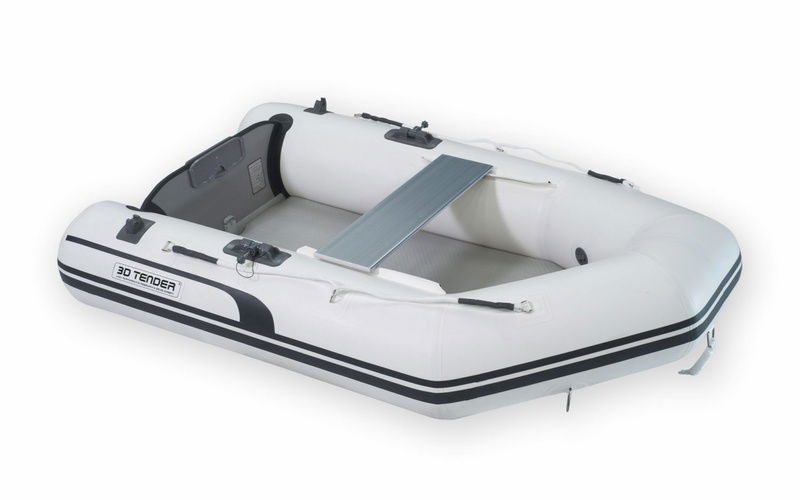

Images have been gathered from various sources and belong to their respective owners.
Review - 3D Tender Superlight Twin Air 180

MarineBroker
01/09/2024, 3:27 AM
2014 3D Tender Superlight Twin Air 180: A Practical Guide to Choosing, Using, and Maintaining a Lightweight Tender
If you’re looking at the 2014 3D Tender Superlight Twin Air 180, you’re probably after one thing: a small tender that’s easy to live with. Maybe you need something light enough to lift solo, compact enough to stow without drama, and reliable enough to get you ashore without turning every outing into a chore. That’s exactly where many boat owners run into a common problem.
Small inflatable tenders can seem simple at first, but once you start using them regularly, the details matter. Weight, stability, portability, tube construction, floor setup, and maintenance all affect how enjoyable the boat really is. A tender that looks perfect on paper can become frustrating if it’s awkward to carry, slow to inflate, or limited in rougher water.
The good news is that with the right setup and a few practical habits, a boat like the 2014 3D Tender Superlight Twin Air 180 can be a very smart solution. In this article, we’ll break down what makes this type of tender useful, what problems owners usually face, and how to get the most out of it without overcomplicating things.
- Why the 2014 3D Tender Superlight Twin Air 180 Stands Out
The 2014 3D Tender Superlight Twin Air 180 is in the category of compact inflatable tenders designed for easy handling. The “superlight” part matters more than many new owners expect. On a small boat, every extra kilo affects how easy it is to launch, retrieve, carry, and store.
For people who move their tender frequently, a lighter design can make a huge difference. It’s easier to handle on a deck, simpler to load into a dinghy garage or car boot, and less tiring when you’re dealing with it after a long day on the water.
The “Twin Air” design also points to a practical layout that aims to balance portability and stability. For many owners, that balance is the real goal. You don’t want a tender that feels flimsy, but you also don’t want one that becomes a burden every time you use it.
Common reasons people look for a tender like this include:
- Short trips to shore
- Harbor runs
- Carrying light gear or groceries
- Use as a yacht tender
- Easy storage on smaller boats
- Solo handling without needing extra help
- The Real Problem: Small Tenders Can Be Convenient, But Only If They Fit Your Routine
A lot of people buy a tender based on size alone, then discover the everyday reality is different. A compact inflatable can be fantastic, but only if it matches how you actually use your boat.
Here are the most common issues owners run into:
- It’s light, but not stable enough for their needs
- It stores well, but takes too long to set up
- It’s easy to carry, but hard to board from the water
- It works fine in calm conditions, but feels limiting with a bit of chop
- It’s simple to own, but they forget basic care and shorten its lifespan
That’s the core challenge. The best tender is not just the lightest or cheapest one. It’s the one that makes everyday boating easier instead of adding another task to your list.
The 2014 3D Tender Superlight Twin Air 180 can solve that problem for the right user, but only if you understand its strengths and limits.
- What Kind of Boater Is the 2014 3D Tender Superlight Twin Air 180 Best For?
This tender makes the most sense for boaters who value portability first. If you’re the kind of person who wants a compact dinghy that can be lifted, moved, and stored without much hassle, a model like this is a strong fit.
It tends to suit:
- Solo boaters
- Couples who want an easy-to-manage tender
- Owners of smaller cruisers or sailboats
- People with limited storage space
- Boaters who use their tender mainly for short transfers
- Anyone who wants a low-stress inflatable for calm-water use
It may be less ideal if you need:
- More carrying capacity
- Better performance in rough water
- A rigid floor feel for heavier loads
- Frequent use with multiple passengers
- A tender for long-distance trips
That doesn’t mean it’s a bad choice. It just means the best tender is the one that matches your boating style.
- How to Judge Whether a Lightweight Tender Is Actually Practical
When people shop for compact inflatables, they often focus on the headline specs. But the practical questions matter more.
Ask yourself:
- Can I lift it by myself when inflated?
- Can I pack it away without straining my back?
- Will it fit where I actually need to store it?
- Is it stable enough for my typical passengers?
- How often will I use it?
- Do I want speed, comfort, or just convenience?
A tender like the 2014 3D Tender Superlight Twin Air 180 is usually about convenience and simple utility. That means it’s best judged by how smoothly it fits into your day-to-day routine.
For example, if you regularly need to shuttle between anchorage and shore, a lightweight boat saves energy and time. If you only use your tender once every few weeks, ease of storage may matter more than performance.
- Setup Tips to Make a Small Inflatable Tender Easier to Use
One of the biggest frustrations with inflatable tenders is setup time. Even a great tender can feel annoying if inflation and preparation are awkward.
Here’s how to make the process smoother:
- Use a reliable pump: A good pump saves time and helps you reach proper pressure consistently.
- Mark your inflation routine: Follow the same order each time so you don’t miss a step.
- Check valve condition regularly: Leaky valves can turn a quick setup into a headache.
- Keep the tender clean and dry before packing: This helps prevent mildew and odor.
- Store accessories together: Paddles, pump, repair kit, and line should all stay in one place.
A simple checklist can make a big difference:
1. Unroll and inspect the tender
2. Check for debris or damage
3. Inflate tubes to the recommended pressure
4. Fit the floor or seat components
5. Test valve seals
6. Confirm towing or painter line setup
7. Load gear evenly
The more routine you make it, the less effort it takes.
- Stability, Load, and Comfort: What to Expect from a Compact Tender
Small inflatables often surprise people in two ways: they can feel more stable than expected in calm water, but they can also feel cramped if overloaded.
Stability depends on:
- Tube diameter
- Hull shape
- Load distribution
- Passenger movement
- Water conditions
A lightweight tender works best when weight is kept low and centered. If you pile gear into one end or have passengers shifting around, the boat will feel less secure.
To improve comfort:
- Sit low and balanced
- Keep gear in dry bags and spread weight evenly
- Avoid sudden movements when boarding
- Use a proper painter line when towing
- Keep trips short when conditions are less than ideal
A compact tender is usually happiest as a transfer boat, not a cargo hauler. If you treat it that way, it’s much more enjoyable.
- 2014 3D Tender Superlight Twin Air 180: Maintenance That Actually Matters
Maintenance is where many inflatable owners either save money or create future problems. The good news is that basic care is straightforward.
Focus on these essentials:
- Rinse after saltwater use: Salt buildup can wear materials down over time.
- Dry before storage: Moisture trapped in folds leads to mildew and odor.
- Inspect seams and valves: Small issues are easier to fix early.
- Avoid dragging on rough surfaces: This is one of the fastest ways to damage the bottom.
- Store away from direct sun when possible: UV exposure ages materials faster.
- Keep pressure within recommended limits: Overinflation can stress seams.
A quick after-use routine takes only a few minutes, but it can significantly extend the life of the tender.
If you notice any of the following, deal with them sooner rather than later:
- Slow air loss
- Sticky or damaged valves
- Abrasion marks on the underside
- Weak seams
- Cracking or fading from sun exposure
These are often small warnings before bigger repairs become necessary.
- Repair and Care: Simple Fixes That Prevent Bigger Problems
Most inflatable tender issues are manageable if caught early. You don’t need to be a marine technician to stay ahead of common problems.
Keep a basic repair kit onboard or in storage:
- Patch material
- Adhesive suitable for inflatable fabric
- Valve tool if applicable
- Mild cleaner
- Soft cloth
- Spare line or cord
If you get a puncture, the key is not to rush. Clean and dry the area properly before patching. A rushed repair usually fails.
For valve issues, check whether the problem is dirt, worn seals, or improper closure. Many “leaks” are actually maintenance problems rather than major damage.
If your tender is aging, do a seasonal inspection. Look for:
- Seam separation
- Tube soft spots
- Floor wear
- Chafe points
- UV damage
- Hardware corrosion
Small repairs done early are far cheaper than replacing the whole boat.
- How to Make a Small Tender More Versatile
Even a compact inflatable can become much more useful with a few smart habits.
Here are some easy upgrades in practice, even if you don’t change the boat itself:
- Use a better anchor or painter setup for stability at shore
- Add protective strips where the tender rubs against the dock
- Carry a lightweight dry bag instead of loose items
- Use a compact seat cushion for longer trips
- Keep oars or paddles in good condition
- Practice boarding with your usual load before you need it in a hurry
You can also improve performance by knowing when not to push it. A small tender is not meant for every weather condition. If wind or chop is building, wait for a calmer window if possible.
That kind of judgment is often more valuable than extra hardware.
- Buying Used: What to Check on a 2014 Model
If you’re considering a used 2014 3D Tender Superlight Twin Air 180, inspection matters a lot. Age alone doesn’t tell the whole story, but older inflatables deserve a close look.
Check these points carefully:
- Tube condition and pressure retention
- Seam integrity
- Floor wear
- Valve function
- Signs of patching
- UV fading or brittle material
- Previous storage history
Questions to ask the seller:
- Was it stored inflated or packed?
- Has it been used in saltwater?
- Are there any known leaks?
- Has it been repaired before?
- How often was it used?
A well-cared-for older tender can still be useful. A poorly stored one can become a headache quickly, even if it looks fine at first glance.
- Practical Use Scenarios Where This Tender Makes Sense
To make this more concrete, here are a few common situations where a lightweight tender like the 2014 3D Tender Superlight Twin Air 180 can work well.
Short harbor hops
If you’re just moving between anchorage and dock, lightweight convenience is a big plus.
Day sailing support
For sailboats, a compact dinghy is often all you need to reach shore or carry a small amount of gear.
Weekend cruising
If storage is tight, a small inflatable can be easier to manage than a larger rigid tender.
Solo ownership
If you’re handling the tender alone, every kilogram matters.
Minimalist boating
Some boaters prefer simple, low-maintenance gear that does one job well.
The common thread is practicality. This tender is most effective when the job is straightforward.
- When to Consider a Different Type of Tender
It’s also fair to say that a lightweight inflatable isn’t always the answer.
You may want a different setup if you need:
- More passenger space
- Better ride comfort in chop
- A rigid hull for frequent use
- Higher payload capacity
- Faster planing performance
- More confidence in rougher conditions
In those cases, a larger inflatable, a RIB, or another tender style may be a better fit.
The point isn’t to choose the “best” tender in general. It’s to choose the one that solves your actual problem.
- Final Thoughts on Getting the Most from a Compact Tender
The 2014 3D Tender Superlight Twin Air 180 is appealing because it solves a very real boating problem: how to get a tender that’s easy to handle without making your life more complicated. For the right owner, that’s a big win. It offers the kind of simple, lightweight practicality that makes short trips, storage, and solo use much easier.
The key is to match the boat to your routine, keep it properly maintained, and treat it as a tool designed for convenience. If you do that, a compact inflatable can stay useful for years and remain one of the most stress-free parts of your boating setup.
If you’re comparing tenders, take a close look at how you actually use your boat day to day. That’s usually where the best decision becomes obvious.
Specifications
General
Boat Type: Power Boats
Class Type: Rigid Inflatable Boats
Specifications
Length: 5.91
Beam: 4.23
Draft: 0.98
Hull Material: Unknown
Build
First Built: 2014
Propulsion
Fuel Type: Unleaded
Engines: 1
Power: 4 HP
Brand: Unknown
Accomodation
Berths: 1
Cabins: 1
Bathrooms: 1
PROS & CONS
What we appreciated
 Lightweight design enhances portability and ease of towingTwin air chambers provide added safety and stabilityDurable construction suitable for various water conditionsCompact size makes it easy to store and transportGood maneuverability for a tender or small inflatable boat
What we didn’t appreciate
 Limited space may restrict passenger and gear capacityLess powerful compared to rigid hull boats for high-speed useInflatable design requires regular maintenance to prevent puncturesMay not perform well in very rough watersOlder model, potentially lacking some modern features or materials
Upkeep Costs
Fuel: Approximately $500 - $1,000 per year depending on usage
Maintenance: Around $300 - $600 annually for regular servicing and repairs
Insurance: Typically $200 - $400 per year
Storage: $500 - $1,200 per year depending on location and storage type
Registration and Licensing: $50 - $150 per year
Rating
4.8
User
Score
Score
Driveability
Technology
Interior
Design
Similar Boats


MarineBroker
Download now for an immersive boat experience like never before! ⛵✨ Your journey begins with a simple click. 🌊📲
#SetSailSmart #DownloadNow
#SetSailSmart #DownloadNow

Subscribe
Copyright 2017 - 2026, Marinebroker.net, All Rights Reserved