Boat Type: Power Boats
Boat Class: Rigid Inflatable Boats
Length: 13.78 ft
Berths: 1
Cabins: 1
Bathrooms: 1
Max Persons: 7
Boat Database » 3D Tender Heavy Duty 420
3D Tender Heavy Duty 420
Outboard four-stroke, Unleaded, 1x 30 HP
Power Boats 2017 3D Tender Heavy Duty 420: A Practical Guide to Choosing, Using, and Maintaining a Tough Small Inflatable Boat
If you’re looking into the 2017 3D Tender Heavy Duty 420, chances are you’re trying to answer a pretty common ques...
Discover

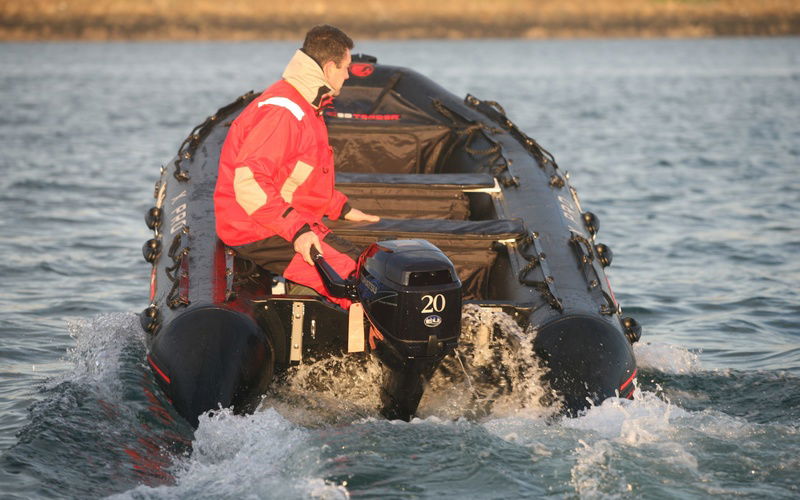
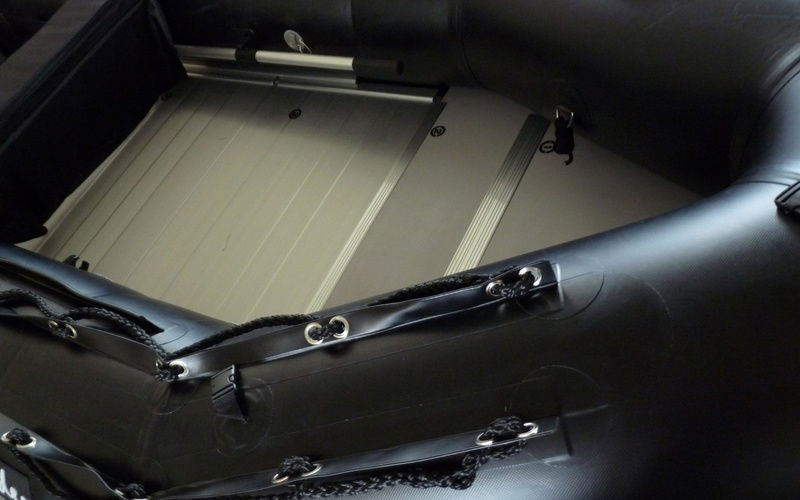
Images have been gathered from various sources and belong to their respective owners.
Review - 3D Tender Heavy Duty 420

MarineBroker
01/08/2024, 6:56 AM
2017 3D Tender Heavy Duty 420: A Practical Guide to Choosing, Using, and Maintaining a Tough Small Inflatable Boat
If you’re looking into the 2017 3D Tender Heavy Duty 420, chances are you’re trying to answer a pretty common question: *is this the right boat for real-world use, not just calm-water cruising?* That’s a smart question to ask. Boats in this size range often look similar on paper, but once you start thinking about load, durability, handling, storage, and maintenance, the differences become much more important.
The 3D Tender Heavy Duty 420 sits in a category that appeals to owners who want a compact inflatable with a more rugged personality. It’s the kind of boat people consider for tender work, fishing trips, short coastal runs, or practical day use where toughness matters more than flashy extras. But like any small boat, its performance depends heavily on how you use it, how you set it up, and how well you maintain it.
In this article, we’ll break down the most useful things to know about the 2017 3D Tender Heavy Duty 420. We’ll look at the common problems buyers and owners face, how to judge whether it fits your needs, and what practical steps can help you get the best results from a boat like this.
- What the 2017 3D Tender Heavy Duty 420 is designed for
- The most common ownership challenges
- How to choose the right setup
- Maintenance tips that actually matter
- When this boat makes sense, and when it doesn’t
- What Makes the 2017 3D Tender Heavy Duty 420 Stand Out
The 2017 3D Tender Heavy Duty 420 is a compact inflatable boat built with a focus on durability and utility. At around 4.2 meters in length, it falls into a sweet spot for people who want something manageable but still capable of carrying passengers, gear, and everyday boating essentials.
What usually draws people to this model is the “heavy duty” concept. In practical terms, that often means reinforced construction, a tougher feel underfoot, and a layout that’s meant to handle more demanding use than a basic leisure inflatable.
For many owners, that translates into a boat that can serve multiple roles:
- A tender for a larger vessel
- A small fishing platform
- A workboat for short transport
- A family runabout for sheltered waters
- A backup boat for practical use
The key point is that this isn’t usually the kind of inflatable you buy just to drift around on a lake. It’s more appealing to people who want a compact boat that can take a bit more abuse and still be useful season after season.
- The Main Problem Buyers Usually Face
When people search for the 2017 3D Tender Heavy Duty 420, the real problem is often not “what is it?” but “will it actually suit my use case?”
That question comes up because small inflatables can be misleading. A boat may look simple, but the wrong choice can lead to issues like:
- Too little space for passengers and gear
- Poor performance with the wrong engine
- Difficult launching or trailering
- More maintenance than expected
- Not enough comfort for longer outings
- Buying a boat that’s tougher than needed, or not tough enough
In other words, the problem is usually a mismatch between expectations and reality.
A lot of first-time inflatable boat buyers focus on size alone. But with a boat like the 3D Tender Heavy Duty 420, the real decision is about balance: durability vs. weight, portability vs. carrying capacity, and rough-water confidence vs. simple ownership.
- Understanding the Boat’s Strengths in Real Use
The best way to judge the 2017 3D Tender Heavy Duty 420 is to think about what small heavy-duty inflatables do well.
They tend to be useful because they are:
- Easy to store compared with rigid boats
- More forgiving to handle in tight marina spaces
- Lighter and simpler to launch than many hard-hull boats
- Practical for short trips and utility work
- Able to carry decent loads for their size
That said, “heavy duty” doesn’t mean indestructible. It means the boat is designed to be more robust than a basic entry-level inflatable. You still need to respect the limits of the hull, tubes, and transom.
A boat like this works especially well when the owner values convenience and versatility. If you want a boat that can be kept on a davit, stored on deck, or trailered without much fuss, this type of inflatable makes a lot of sense.
- Choosing the Right Engine Setup
One of the most important decisions with the 2017 3D Tender Heavy Duty 420 is engine selection. The boat’s performance will depend heavily on whether it’s powered appropriately for its size and intended load.
A common mistake is assuming that more horsepower always means better results. In reality, too much engine can make a small inflatable harder to manage, less fuel-efficient, and less comfortable in chop.
When choosing an outboard, consider:
- The maximum recommended horsepower
- Total load, including passengers and fuel
- Whether you want quick planing or just steady cruising
- How often you’ll carry gear
- Whether the boat will be used in sheltered or open water
If you mostly use the boat as a tender or for short runs, a modest setup may be enough. If you want to carry multiple adults, fishing gear, or extra equipment, you’ll want to stay closer to the upper end of the recommended range — but still within the manufacturer’s limits.
A well-matched engine gives you better control, safer handling, and less frustration overall.
- Loading and Weight Distribution Matter More Than People Think
With compact boats, weight distribution can make or break the experience. The 2017 3D Tender Heavy Duty 420 will perform much better when the load is balanced properly.
Uneven loading can cause:
- Poor trim
- Slower acceleration
- Reduced fuel efficiency
- Harder steering
- More spray or instability
A simple rule: keep heavier items low and centered whenever possible. Don’t pile all the gear in one area, and don’t overload the stern just because the engine is back there.
Practical tips for better balance:
1. Put the heaviest gear near the middle of the boat.
2. Distribute passengers evenly.
3. Avoid stacking too much weight at the bow.
4. Check how the boat sits in the water before heading out.
5. Adjust seating or cargo placement if the boat feels sluggish.
This is one of those small changes that makes a big difference. Many performance complaints about small inflatables are actually loading problems, not boat problems.
- The 2017 3D Tender Heavy Duty 420 for Fishing and Utility Use
If you’re interested in the 2017 3D Tender Heavy Duty 420 for fishing or utility work, its appeal becomes even clearer. Boats in this category are often chosen because they’re simple, functional, and easy to adapt.
For fishing, a compact heavy-duty inflatable can be ideal for:
- Quick solo or two-person outings
- Accessing shallow or narrow areas
- Carrying rods, tackle, and a small cooler
- Launching from ramps, beaches, or marina slips
- Keeping ownership costs relatively low
For utility use, the same boat can serve as a dependable transport platform. That might mean moving people, carrying supplies, or acting as a work tender.
The main advantage is flexibility. You can use the boat in ways that would be awkward or expensive with a larger rigid hull.
Still, it helps to keep expectations realistic. This is not a giant offshore fishing machine. It’s a compact, practical boat that rewards sensible use.
- Common Ownership Challenges and How to Solve Them
Owning a small inflatable boat is usually straightforward, but there are a few recurring issues that owners should prepare for.
- 1. Storage and Inflation/Deflation Time
Even a compact boat can become annoying if you haven’t planned for setup time. Frequent inflation and deflation can be tiring if you’re doing it manually every trip.
Practical solution:
- Use a good-quality pump
- Keep valves clean
- Store the boat in a way that minimizes setup work
- Consider leaving it ready to go if you use it often
- 2. Tube Wear and Abrasion
Inflatable tubes are tough, but they still face wear from docks, beaches, trailers, and rough handling.
Practical solution:
- Use fenders or padding near contact points
- Avoid dragging the boat across hard surfaces
- Rinse off sand and grit after use
- Inspect seams and rub points regularly
- 3. Transom and Engine Stress
A small boat can take a surprising amount of stress at the transom if the engine is too heavy or poorly mounted.
Practical solution:
- Match engine weight to the boat’s design
- Check mounting bolts and fittings often
- Avoid over-throttling in rough conditions
- Watch for flexing or unusual vibration
- 4. Comfort in Chop
Compact inflatables can be stable, but they’re still small boats. In rough or windy conditions, comfort can drop quickly.
Practical solution:
- Plan trips around weather windows
- Reduce speed in chop
- Keep load light when possible
- Use the boat in conditions it was designed for
- Maintenance Tips That Actually Help
If you want the 2017 3D Tender Heavy Duty 420 to last, regular maintenance matters more than fancy upgrades.
Focus on the basics:
- Rinse the boat after saltwater use
- Dry it before long-term storage
- Check tube pressure before each outing
- Inspect valves, seams, and fittings
- Clean debris from the floor and transom area
- Service the outboard regularly
- Store out of direct sunlight when possible
UV exposure is a big one. Sun damage can shorten the life of inflatable materials over time, so a cover or shaded storage spot is worth it.
Also, don’t ignore small issues. A slow leak, loose fitting, or worn patch of material is much easier to deal with early than after it becomes a bigger repair.
- How to Tell If This Boat Is Right for You
The 2017 3D Tender Heavy Duty 420 makes sense if you want a compact boat that is:
- Easy to move and store
- Strong enough for regular practical use
- Better suited to utility than luxury
- Flexible enough for fishing, tender work, or short trips
- Simple to maintain with basic care
It may not be the best choice if you want:
- Lots of deck space
- A very smooth ride in rough water
- High-speed performance
- A boat for long family cruising days
- Maximum comfort and storage
A good way to think about it is this: if your priority is dependable small-boat utility, this type of inflatable is worth serious consideration. If your priority is comfort and space, you may want to look at a larger rigid boat instead.
- Buying Used: What to Check Before You Commit
Since this is a 2017 model, many interested buyers will be looking at used listings. That makes inspection especially important.
Before buying, check:
- Tube condition and patch history
- Seam quality
- Floor stiffness and wear
- Transom integrity
- Valve function
- Signs of UV damage or cracking
- Engine mounting area
- Accessories included with the boat
If possible, inflate the boat fully and inspect it in daylight. Small defects can be easy to miss in photos, and inflatable boats often look better online than they do in person.
It’s also worth asking how the boat was stored. A well-cared-for boat kept under cover can be a much better buy than a “clean-looking” one that lived in the sun for years.
- Practical Accessories That Improve the Experience
A few smart accessories can make the 2017 3D Tender Heavy Duty 420 much easier to live with.
Useful add-ons include:
- Quality pump
- Tube cover or full boat cover
- Portable fuel tank
- Anchor and line
- Small dry storage bags
- Fenders for docking
- Repair kit
- Comfortable seating if not already included
These aren’t just conveniences. They help reduce wear, improve safety, and make the boat more enjoyable to use.
If you use the boat often, even a simple setup upgrade can save time and hassle over the season.
- Final Thoughts on Performance and Value
The 2017 3D Tender Heavy Duty 420 is best understood as a practical, compact inflatable with a tough attitude. Its biggest strengths are versatility, manageable size, and the kind of durability that appeals to people who want a boat they can actually use regularly without making life complicated.
The main challenge is making sure the boat matches your real needs. If you get the engine choice right, load it properly, and maintain it well, a boat like this can be a very reliable part of your boating routine.
For buyers and owners alike, the solution is simple: focus less on hype and more on fit. That’s how you get the most value from a small heavy-duty inflatable.
If you’re researching this model further, it’s worth comparing setup options, storage needs, and intended use before making a decision. A little planning goes a long way with boats in this class.
Specifications
General
Boat Type: Power Boats
Class Type: Rigid Inflatable Boats
Specifications
Length: 13.78
Beam: 6.23
Draft: 1.31
Hull Material: GRP
Build
First Built: 2017
Propulsion
Fuel Type: Unleaded
Engines: 1
Power: 30 HP
Brand: Unknown
Accomodation
Berths: 1
Cabins: 1
Bathrooms: 1
PROS & CONS
What we appreciated
 Heavy-duty construction ideal for rough watersStable and durable hull designSpacious 420 cm length providing ample roomGood load capacity for passengers and gearVersatile use for tendering and recreational boating
What we didn’t appreciate
 Relatively heavy, which may affect portabilityLimited engine options compared to larger boatsBasic features with minimal luxury or comfort additionsRequires maintenance typical of inflatable tendersMay have limited resale market compared to more popular brands
Upkeep Costs
Fuel: Approximately $1.50 to $3.00 per hour depending on engine size and fuel prices
Maintenance: Around $300 to $600 annually for engine servicing and hull upkeep
Insurance: Typically $200 to $400 per year depending on coverage and location
Storage: $500 to $1,500 per year depending on marina or storage type
Registration and Licensing: $50 to $150 annually depending on state or country
Rating
4.5
User
Score
Score
Driveability
Technology
Interior
Design
Similar Boats


MarineBroker
Download now for an immersive boat experience like never before! ⛵✨ Your journey begins with a simple click. 🌊📲
#SetSailSmart #DownloadNow
#SetSailSmart #DownloadNow

Subscribe
Copyright 2017 - 2026, Marinebroker.net, All Rights Reserved