Boat Type: Power Boats
Boat Class: Rigid Inflatable Boats
Length: 10.17 ft
Berths: 1
Cabins: 1
Bathrooms: 1
Max Persons: 5
Boat Database » 3D Tender Ultralight 310
3D Tender Ultralight 310
Outboard four-stroke, Unleaded, 1x 15 HP
Power Boats 2014 3D Tender Ultralight 310: What to Know Before You Buy, Use, or Upgrade This Compact Inflatable Boat
If you’re looking at the 2014 3D Tender Ultralight 310, you’re probably after something simple, lightweight, and easy to han...
Discover
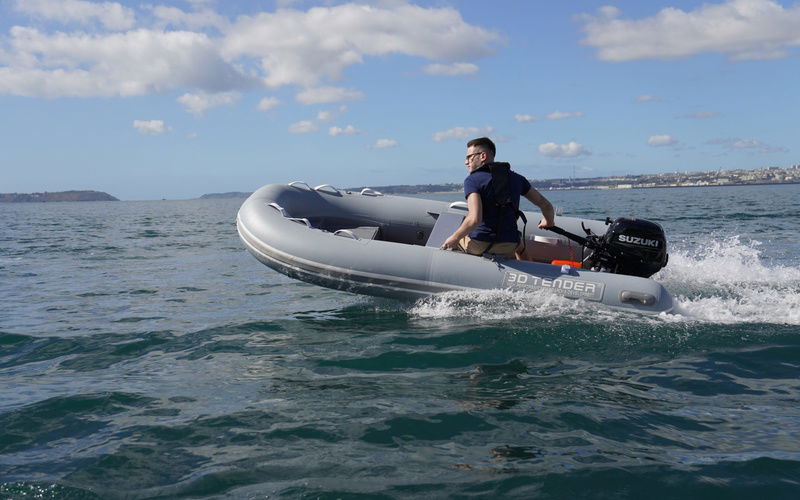

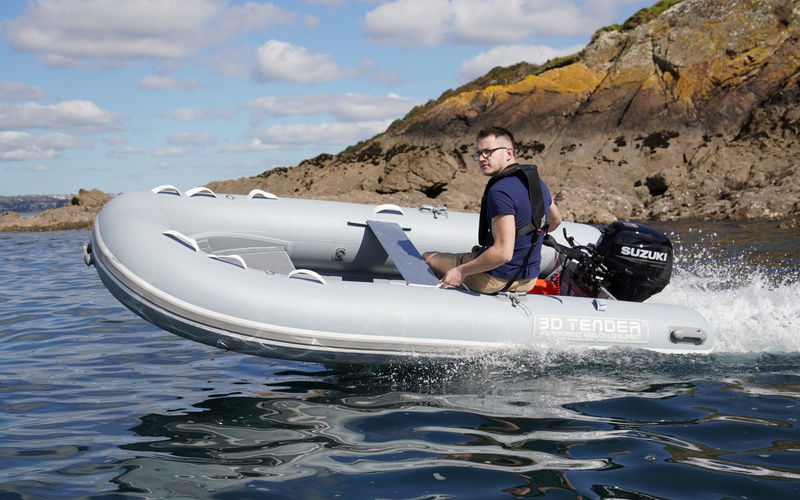
Images have been gathered from various sources and belong to their respective owners.
Review - 3D Tender Ultralight 310

MarineBroker
01/08/2024, 11:42 AM
2014 3D Tender Ultralight 310: What to Know Before You Buy, Use, or Upgrade This Compact Inflatable Boat
If you’re looking at the 2014 3D Tender Ultralight 310, you’re probably after something simple, lightweight, and easy to handle. That makes sense. Boats in this size range are popular for tender use, quick trips, and small-water adventures because they’re easier to store, launch, and move around than larger rigid boats.
But there’s also a common challenge: once you start using a compact inflatable like the Ultralight 310, you quickly realize that the details matter. Is it the right size for your needs? How does it perform with a small outboard? What should you check on a used 2014 model? And how do you avoid the most common issues that come with older lightweight inflatables, like wear, weak fittings, or poor setup?
That’s where a practical approach helps. Instead of focusing only on specs, it’s better to understand how the boat is used, what problems owners typically run into, and what simple steps can improve safety, comfort, and performance. In this article, we’ll break down the 2014 3D Tender Ultralight 310 in a clear, useful way so you can make smarter decisions whether you’re buying, maintaining, or getting more out of one.
- Why the 2014 3D Tender Ultralight 310 Still Gets Attention
The 2014 3D Tender Ultralight 310 sits in a sweet spot for boaters who want portability without giving up too much stability. At around 3.1 meters, it’s compact enough to transport on a car roof rack, store in a garage, or use as a tender for a larger vessel.
That size makes it appealing for a few types of users:
- Owners of sailboats or cruisers needing a tender
- Anglers who want a lightweight fishing platform
- Casual boaters on lakes, rivers, or sheltered coastal water
- Anyone who needs a boat that can be launched fast and handled alone
The “ultralight” part is a big reason people notice this model. A lighter inflatable can be easier to carry, easier to motor with a small engine, and less of a hassle when you’re dealing with limited dock space or storage.
Still, lightweight boats come with trade-offs. They’re often less forgiving in rough water, and they depend heavily on correct inflation, proper load distribution, and good maintenance. If you understand those limits, the Ultralight 310 can be a very practical little boat.
- 2014 3D Tender Ultralight 310: What Makes It Different
The main appeal of the 2014 3D Tender Ultralight 310 is that it aims to be simple and efficient. It’s not trying to be a heavy-duty center console or a large family runabout. It’s built for easy handling and everyday practicality.
A few characteristics usually matter most in boats like this:
- Lightweight construction
- Compact length for easy transport
- Inflatable tubes for buoyancy and stability
- Simple layout with minimal clutter
- Compatibility with small outboard motors
For many owners, that simplicity is exactly the point. Fewer parts usually mean fewer things to break, and a smaller boat is easier to keep ready for use.
However, the same simplicity can create problems if you expect too much from it. A 310 cm inflatable is not ideal for heavy loads, choppy offshore conditions, or multiple passengers with gear piled high. The solution is not to avoid the boat, but to use it within its intended range.
- The Most Common Problem: Limited Space and Load Management
One of the biggest issues people face with the 2014 3D Tender Ultralight 310 is space. It looks usable on paper, but once you add a person, fuel, safety gear, a cooler, and maybe an outboard, the available room disappears quickly.
This leads to a few common headaches:
- The boat feels cramped
- Performance drops with too much weight
- The bow may ride too low
- Stability feels worse than expected
- Boarding becomes awkward
The practical solution is to treat the boat like a compact utility craft, not a mini family cruiser.
Here’s how to manage load better:
- Keep gear minimal and purposeful
- Store heavy items low and centered
- Avoid crowding the stern with too much weight
- Use a smaller, appropriate outboard
- Plan for one or two people rather than overloading
If you’re using it as a tender, this matters even more. A tender should be quick to board, easy to tow or lift, and simple to run. The Ultralight 310 works best when you respect its size.
- What to Check on a Used 2014 3D Tender Ultralight 310
If you’re considering a used model, inspection is everything. With inflatables, age alone isn’t the only issue. Storage habits, sun exposure, inflation practices, and repair history matter just as much.
Before buying, check these areas carefully:
- Tube condition: look for cracks, patches, fading, or soft spots
- Seams: inspect for peeling, lifting, or signs of air leaks
- Valves: make sure they open, close, and seal properly
- Floor or deck: check for warping, flexing, or damage
- Transom: look for rot, corrosion, or weakness if applicable
- Rub rail and fittings: inspect for wear and loose hardware
- Previous repairs: confirm they were done cleanly and professionally
A simple way to test a used inflatable is to inflate it fully and let it sit. If one side softens faster than the others, or you hear hissing near valves or seams, that’s a red flag.
Also pay attention to the seller’s storage story. A boat kept out of direct sun and rinsed after use will usually age much better than one left inflated in harsh conditions for long periods.
- How the 2014 3D Tender Ultralight 310 Performs in Real Use
Performance depends heavily on setup, but boats in this category usually shine in calm to moderate conditions. The 2014 3D Tender Ultralight 310 is best thought of as a nimble, lightweight boat that rewards good trim and sensible loading.
What you can typically expect:
- Easy maneuvering at low speeds
- Good stability for its size due to inflatable tubes
- Simple launching and retrieval
- Efficient use with a small motor
- Quick setup for short trips
What you should not expect:
- High-speed comfort in rough water
- Huge carrying capacity
- Dry riding in chop
- The same feel as a rigid hull boat
For many owners, the biggest benefit is convenience. You can get on the water faster, store it more easily, and handle it without needing a large trailer or a lot of help.
If you use it with a small outboard, start with conservative throttle settings. A light inflatable can feel lively, and over-powering it can make the boat harder to control rather than more enjoyable.
- Best Engine Setup for a Small Inflatable Like This
Choosing the right motor is one of the most important decisions for any small inflatable. The wrong setup can make the boat feel sluggish, unbalanced, or even unsafe.
For a boat like the 2014 3D Tender Ultralight 310, the best engine is usually a small, lightweight outboard that matches the boat’s intended use. The goal is not maximum speed. The goal is smooth, predictable performance.
Good engine setup principles:
- Keep the motor lightweight
- Match horsepower to the boat’s rating
- Avoid unnecessary fuel weight
- Make sure the transom is in good condition
- Position the engine correctly for trim and balance
If the engine is too heavy, the stern can sit low in the water. That affects handling and may make the boat more difficult to plane or steer. If the engine is too small, it may struggle against current, wind, or extra load.
A practical rule: choose the smallest engine that still gives you comfortable control and enough reserve power for changing conditions.
- Maintenance Tips That Prevent Common Problems
The easiest way to get more life out of a compact inflatable is to stay ahead of maintenance. Small issues can turn into expensive repairs if they’re ignored.
Here’s a simple maintenance routine that helps:
- Rinse the boat after saltwater use
- Dry it before storage
- Check inflation pressure regularly
- Inspect seams and valves often
- Avoid dragging the boat over rough surfaces
- Store it away from direct sunlight when possible
- Use a protective cover if it sits outside
UV exposure is one of the biggest enemies of inflatable boats. Sunlight slowly weakens fabric, fades surfaces, and can shorten the life of adhesives and fittings.
Also, don’t overinflate. Many boat owners assume firmer is better, but excessive pressure can stress seams, especially when the boat sits in hot sun. Check the manufacturer’s pressure guidelines and adjust for temperature changes.
- How to Improve Comfort and Usability Without Overcomplicating It
One of the best things about the 2014 3D Tender Ultralight 310 is that it can be improved without turning it into a complicated project. Small upgrades can make a big difference in daily use.
Useful improvements include:
- A better seat or removable bench pad
- A proper anchor setup for short stops
- Non-slip mats for safer footing
- A small dry bag for essentials
- A lightweight oar set as backup
- A simple fuel system that’s easy to manage
- A boat cover for storage protection
If you fish from it, keep your setup minimal. A rod holder, compact cooler, and small tackle bag are often enough. Over-accessorizing can quickly make the boat feel crowded.
For tender use, convenience matters most. The faster you can board, start, and return, the more valuable the boat becomes.
- Who the 2014 3D Tender Ultralight 310 Is Best For
This boat is not for everyone, and that’s okay. It works best for people who value portability and simplicity over size and luxury.
It’s a strong fit if you:
- Need a lightweight tender
- Boat mostly in calm water
- Prefer easy storage and transport
- Want a boat that can be handled solo
- Need a compact, low-maintenance option
It may not be the right choice if you:
- Regularly carry several passengers
- Need lots of deck space
- Plan to use it in rough offshore conditions
- Want a more cushioned ride
- Need high load capacity
Being honest about how you’ll use the boat is the key. A smaller inflatable can be an excellent solution when matched to the right job.
- Buying Advice: What Smart Shoppers Should Focus On
If you’re shopping for a 2014 3D Tender Ultralight 310, don’t get distracted by cosmetic details alone. A clean-looking boat is nice, but condition underneath the surface matters more.
Focus on these priorities:
1. Structural integrity
Check whether the hull, floor, and transom are solid.
2. Air retention
A boat that holds pressure well is worth far more than one with hidden leaks.
3. Engine compatibility
Make sure the boat and motor are a good match.
4. Storage history
Boats stored well usually age better.
5. Intended use
Buy for the water you actually boat on, not the water you wish you had.
If possible, test the boat in the water before buying. Even a short trial can reveal a lot about stability, balance, and handling.
- Why This Model Still Makes Sense for Practical Boaters
In a world full of bigger, more complex boats, the 2014 3D Tender Ultralight 310 stands out because it keeps things manageable. That’s a real advantage for people who want less hassle and more time on the water.
It’s not about having the most features. It’s about having the right tool for the job.
For many boaters, the real solution to common frustrations is not buying a larger or more expensive boat. It’s choosing a compact one that is easier to launch, easier to maintain, and easier to use consistently.
If your goal is short trips, tender duty, or simple local cruising, this kind of boat can be a very sensible choice.
- Practical Checklist Before You Head Out
Before using the boat, run through a quick checklist:
- Inflate to the correct pressure
- Confirm valves are sealed
- Check fuel level and engine function
- Carry life jackets for everyone onboard
- Bring a paddle or oar
- Pack a phone or VHF in a dry case
- Inspect weather and water conditions
- Make sure the load is balanced
This takes only a few minutes, but it can prevent most of the avoidable problems small boat owners run into.
- Conclusion
The 2014 3D Tender Ultralight 310 is a compact inflatable boat that makes the most sense for boaters who want portability, simplicity, and easy handling. Its biggest strengths are also the things that require the most care: limited space, lightweight construction, and the need for proper setup.
If you manage the load well, inspect it carefully, and maintain it regularly, this boat can be a very practical solution for tender use, short trips, and calm-water boating. The key is to match the boat to the job and avoid expecting more than it was designed to do. If you’re comparing options, learning how this model performs in real use is a smart place to start before making your next move.
Specifications
General
Boat Type: Power Boats
Class Type: Rigid Inflatable Boats
Specifications
Length: 10.17
Beam: 5.05
Draft: 0.98
Hull Material: Aluminium
Build
First Built: 2014
Propulsion
Fuel Type: Unleaded
Engines: 1
Power: 15 HP
Brand: Unknown
Accomodation
Berths: 1
Cabins: 1
Bathrooms: 1
PROS & CONS
What we appreciated
 Lightweight and easy to tow due to ultralight constructionCompact size makes it highly maneuverable and easy to storeDurable build quality typical of 3D Tender modelsEfficient hull design providing good stability and performanceSuitable for a variety of water activities including fishing and leisure cruising
What we didn’t appreciate
 Limited seating capacity due to compact sizeMinimal onboard storage spaceNot ideal for rough water conditions or long-distance tripsBasic features with fewer luxury or comfort optionsOlder model year may lack some modern design improvements
Upkeep Costs
Fuel: Approx. $500 - $1,200 per year depending on usage
Maintenance: $300 - $700 per year for engine and hull upkeep
Insurance: $200 - $500 per year
Storage: $300 - $1,000 per year depending on location and type
Registration and Licensing: $50 - $150 per year
Rating
4.4
User
Score
Score
Driveability
Technology
Interior
Design
Similar Boats


MarineBroker
Download now for an immersive boat experience like never before! ⛵✨ Your journey begins with a simple click. 🌊📲
#SetSailSmart #DownloadNow
#SetSailSmart #DownloadNow

Subscribe
Copyright 2017 - 2026, Marinebroker.net, All Rights Reserved