Boat Type: Power Boats
Boat Class: Rigid Inflatable Boats
Length: 12.47 ft
Berths: 1
Cabins: 1
Bathrooms: 1
Max Persons: 6
Boat Database » 3D Tender Heavy Duty 380
3D Tender Heavy Duty 380
Outboard four-stroke, Unleaded, 1x 20 HP
Power Boats 2017 3D Tender Heavy Duty 380: What to Know Before You Buy, Use, or Upgrade It
If you’ve been looking at the 2017 3D Tender Heavy Duty 380, you’re probably after a compact inflatable boat that can do a lot without taking up too m...
Discover
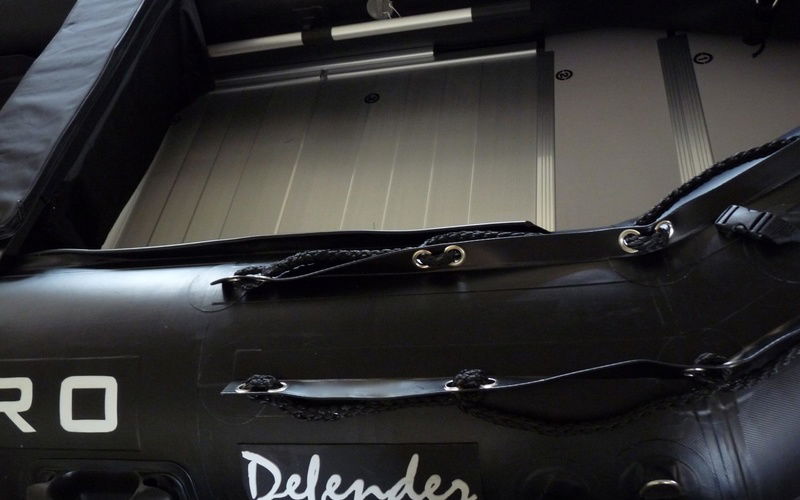


Images have been gathered from various sources and belong to their respective owners.
Review - 3D Tender Heavy Duty 380

MarineBroker
01/08/2024, 6:53 AM
2017 3D Tender Heavy Duty 380: What to Know Before You Buy, Use, or Upgrade It
If you’ve been looking at the 2017 3D Tender Heavy Duty 380, you’re probably after a compact inflatable boat that can do a lot without taking up too much space. That’s exactly why this model gets attention: it sits in that sweet spot between portability, durability, and practical on-water performance. But like many small tenders and RIB-style boats, the real question isn’t just “Is it good?” It’s “Will it actually fit the way I use it?”
That’s where many buyers run into trouble. A boat like the 2017 3D Tender Heavy Duty 380 can seem like the perfect all-rounder on paper, but if you plan to carry gear, run a small outboard, launch often, or use it in choppier water, the details matter a lot. Tubes, hull construction, weight, load capacity, and maintenance all affect how satisfying the boat will be in real life.
The good news is that most of the common issues can be avoided with the right setup and expectations. In this guide, we’ll break down what this boat is designed for, the problems owners and buyers should watch for, and the practical solutions that help it perform at its best.
- What the 2017 3D Tender Heavy Duty 380 Is Designed For
The 2017 3D Tender Heavy Duty 380 is a compact heavy-duty inflatable boat, typically chosen as a tender, small utility craft, or lightweight runabout. At around 3.8 meters long, it’s small enough to transport and store more easily than larger rigid boats, but still large enough to handle everyday boating tasks.
This size is often attractive to:
- Sailboat owners needing a reliable tender
- Families wanting a lightweight boat for short trips
- Anglers who need a simple, stable platform
- Boat owners looking for a secondary craft for docking or shore access
The “Heavy Duty” part matters. Boats in this category are usually built with stronger materials, reinforced seams, and a design meant to handle repeated use. That makes it a better fit for people who want more than just a casual inflatable for one or two outings a year.
Still, compact boats always involve trade-offs. Smaller boats are easier to manage, but they also demand smarter loading, careful power matching, and regular upkeep.
- The Main Problem Buyers Face With a Boat Like This
The most common issue with the 2017 3D Tender Heavy Duty 380 is not usually the boat itself. It’s mismatched expectations.
Many people buy a 3.8-meter inflatable expecting it to behave like a much larger boat. Then they discover limits in stability, payload, storage space, or speed. Others underestimate how much the setup affects performance, especially with the wrong outboard, poor inflation, or too much gear onboard.
Typical pain points include:
- Not enough room for passengers and equipment
- Underpowered or overpowered engine choices
- Difficulty planning storage and transport
- Wear from frequent beaching or docking
- Loss of performance when the boat is overloaded
- Confusion about maintenance and long-term durability
In other words, the boat is only as good as the way it’s used. If you know the limitations and set it up properly, it can be a very practical solution.
- Why Size Matters More Than People Think
A 380 cm inflatable sounds bigger than it feels once you start using it. That’s not a flaw—it’s just the reality of small-boat boating.
On paper, a boat in this range may seem capable of handling several people and gear. In practice, once you add an outboard, fuel, anchor, cooler, safety kit, and a few passengers, usable space disappears quickly.
Here’s what often happens:
- A boat that feels roomy at the dock feels crowded underway
- The stern sits lower than expected with too much weight aft
- Planing performance drops when load increases
- Boarding from the water becomes awkward if the deck is cluttered
The practical solution is to treat the boat as a compact utility craft, not a mini cruiser. Keep loads light, distribute weight evenly, and think in terms of short, efficient trips rather than heavy-duty transport.
- 2017 3D Tender Heavy Duty 380: Key Strengths That Matter
This model is appealing because it offers a good balance of portability and toughness. For the right user, that combination is exactly what makes the boat useful.
Some of the biggest strengths include:
- Easy handling compared with larger boats
- Better storage options than many rigid hull boats
- Good utility for tender duty and short trips
- A stable inflatable platform for its size
- Strong everyday practicality for coastal and marina use
The boat’s inflatable design also helps soften small bumps when docking or coming alongside. That’s a big plus for people who regularly use it around pontoons, slipways, or rocky shorelines.
Another advantage is flexibility. A boat like this can be used as:
- A yacht tender
- A fishing boat for calm waters
- A family shuttle to shore
- A small utility boat for gear transport
That flexibility is one reason the 2017 3D Tender Heavy Duty 380 stays relevant for buyers who want a simple, dependable setup.
- Where This Boat Can Fall Short
No boat is perfect, and being honest about limitations helps you avoid disappointment.
The most common drawbacks of a compact inflatable in this class are:
- Limited deck space
- Modest fuel efficiency gains only if properly powered
- Less comfort in rough water compared with larger hulls
- Reduced carrying capacity when used with several adults
- More sensitivity to trim and balance
If you plan to use the boat in open water with wind and chop, you’ll notice the difference quickly. A smaller inflatable can handle a surprising amount, but it won’t magically erase the effects of poor conditions.
The practical takeaway: this boat works best when the mission is short, controlled, and realistic. It’s not the best choice if you want a roomy family cruiser or a long-distance workboat.
- How to Choose the Right Outboard for the 2017 3D Tender Heavy Duty 380
One of the biggest factors in getting good results is engine matching.
A small inflatable boat performs best when the outboard is sized correctly for the hull and the load. Too little power and the boat struggles to plane. Too much power and you can create handling issues, unnecessary stress, and less predictable behavior.
When choosing an engine, think about:
- Typical passenger count
- Whether you’ll carry heavy gear
- How often you want to plane quickly
- Whether you use the boat in calm or choppy water
- Your priority: economy, speed, or simple utility
For many owners, the best setup is a modest outboard that offers enough push for everyday use without turning the boat into a high-strain setup. If you’re mainly using it as a tender or for short runs, you probably don’t need to chase maximum horsepower.
A good rule of thumb: match the engine to your actual use case, not your ideal one.
- Practical Loading Tips to Improve Performance
Small boats are very sensitive to weight distribution. Even a few extra items in the wrong place can change how the boat rides.
To get the best out of the 2017 3D Tender Heavy Duty 380, follow these basics:
1. Keep heavy items low and centered
Fuel, batteries, coolers, and anchors should be secured where they won’t upset trim.
2. Avoid piling weight at the stern
Too much weight in the back makes the bow ride high and can hurt acceleration.
3. Spread passengers evenly
If everyone sits in one spot, the boat may list or become harder to control.
4. Pack only what you need
Small boats reward minimalism. Less clutter means better handling.
5. Check trim before speeding up
A few seconds of adjustment at low speed can make a big difference once on plane.
These are simple changes, but they often solve the “this boat feels sluggish” complaint before it even starts.
- Maintenance Tips That Extend the Life of the Boat
A heavy-duty inflatable can last a long time if you stay ahead of maintenance. The good news is that the routine is straightforward.
Focus on these basics:
- Rinse the boat after saltwater use
- Dry it before long-term storage
- Inspect seams and valves regularly
- Check for abrasion on the tubes and underside
- Keep the hull clean and free of buildup
- Store it out of direct UV exposure when possible
Inflatables tend to wear where they rub most: docks, trailers, beach landings, and tie points. Catching small issues early prevents bigger repairs later.
Also pay attention to air pressure. Underinflation can make the boat feel soft and less responsive, while overinflation in hot conditions can stress materials. A quick pressure check before each outing is one of the easiest habits to build.
- Best Uses for the 2017 3D Tender Heavy Duty 380
This boat shines when used for the right kind of boating.
It’s especially useful for:
- Marina and yacht tender work
- Short coastal trips
- Calm-water fishing
- Harbor transport
- Quick transport between shore and anchored boats
It’s less ideal for:
- Overnight cruising
- Large groups
- Heavy cargo hauling
- Regular rough-water use
- Long-distance open-water travel
If your boating life is mostly about convenience, quick access, and flexibility, this model can be a very smart fit. It’s a practical tool, not a luxury platform.
- Common Mistakes to Avoid
A lot of frustration with small inflatables comes from avoidable mistakes.
Watch out for these:
- Buying based on size alone
- Ignoring the weight of the engine and fuel
- Overloading with passengers and gear
- Skipping regular inflation checks
- Using the boat in conditions beyond its comfort zone
- Failing to protect the tubes from abrasion
One of the biggest mistakes is assuming the boat’s “heavy duty” label means it can handle anything. It still needs sensible use. Durability helps, but it doesn’t replace good judgment.
If you avoid those mistakes, the boat becomes much easier to enjoy and much cheaper to own over time.
- Is the 2017 3D Tender Heavy Duty 380 a Good Choice for You?
This boat makes the most sense if you want a compact, tough, and easy-to-manage inflatable for short trips and utility use.
It’s a strong fit if you:
- Need a tender for a larger boat
- Want simple transport and storage
- Prefer a lightweight boat that’s easy to launch
- Usually boat in protected or moderate conditions
- Value practicality over luxury
It may not be the best fit if you:
- Need lots of deck space
- Regularly carry many passengers
- Want a boat for rough offshore use
- Prefer a more spacious family boat
So the real answer depends on how you boat. For the right owner, the 2017 3D Tender Heavy Duty 380 can be a very efficient solution. For the wrong use case, it can feel cramped and limited.
- How to Get the Best Experience From It
If you want the boat to feel better on the water, focus on three things: setup, load, and use.
That means:
- Choose the right engine
- Keep the boat light and balanced
- Maintain proper inflation
- Stay within realistic conditions
- Protect the tubes and hull from wear
Those five habits solve most of the common complaints people have about compact inflatables. They also make the boat safer and more predictable.
In many cases, the difference between a frustrating boat and a great one isn’t the model itself. It’s how carefully the owner matches the boat to the job.
- Conclusion
The 2017 3D Tender Heavy Duty 380 is a compact inflatable boat that works best when you understand its strengths and limits. It’s durable, practical, and versatile, but like any small boat, it performs best with the right engine, careful loading, and regular maintenance. If you’re looking for a simple tender or a lightweight utility boat, it can be a very sensible option.
The main thing is to set realistic expectations. Use it within its comfort zone, keep the setup clean and balanced, and it can deliver years of reliable service. If you’re still comparing options, it’s worth exploring how different inflatable boat sizes and hull styles match your boating habits before making a final decision.
Specifications
General
Boat Type: Power Boats
Class Type: Rigid Inflatable Boats
Specifications
Length: 12.47
Beam: 5.58
Draft: 1.31
Hull Material: GRP
Build
First Built: 2017
Propulsion
Fuel Type: Unleaded
Engines: 1
Power: 20 HP
Brand: Unknown
Accomodation
Berths: 1
Cabins: 1
Bathrooms: 1
PROS & CONS
What we appreciated
 Durable heavy-duty construction suitable for rough conditionsCompact size (380 cm) ideal for easy transport and storageGood stability and buoyancy due to its robust designTypically equipped with reinforced hull for added safetyVersatile usage for fishing, diving, and tendering larger vessels
What we didn’t appreciate
 Limited passenger capacity due to smaller sizeHeavier weight may reduce fuel efficiency when motorizedLess comfortable for extended trips compared to larger boatsLimited onboard storage space for gear and suppliesMay require a powerful outboard motor to perform optimally
Upkeep Costs
Fuel: Approximately $300-$500 annually depending on usage
Maintenance: Around $200-$400 per year for engine servicing and hull upkeep
Insurance: Roughly $150-$300 annually depending on coverage and location
Storage: Between $100-$400 per year depending on storage type (indoor/outdoor)
Miscellaneous: $100-$200 per year for registration, cleaning supplies, and minor repairs

Rating
4.6
User
Score
Score
Driveability
Technology
Interior
Design
Similar Boats


MarineBroker
Download now for an immersive boat experience like never before! ⛵✨ Your journey begins with a simple click. 🌊📲
#SetSailSmart #DownloadNow
#SetSailSmart #DownloadNow

Subscribe
Copyright 2017 - 2026, Marinebroker.net, All Rights Reserved