Boat Database » AB Inflatables Alumina 16 ALX
AB Inflatables Alumina 16 ALX
Outboard four-stroke, Unleaded, 1x 60 HP
Power Boats 2015 AB Inflatables Alumina 16 ALX: What to Know Before Buying, Using, or Upgrading
If you’ve been searching for the 2015 AB Inflatables Alumina 16 ALX, you’re probably trying to figure out whether it’s the right tender, runabout...
Discover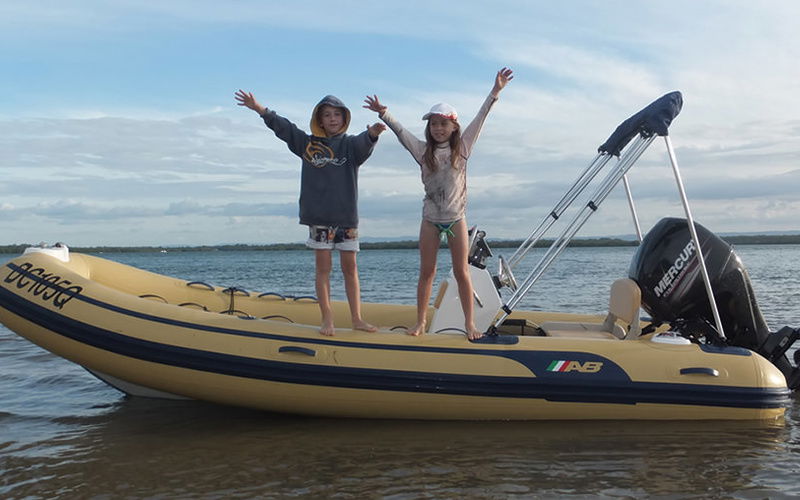
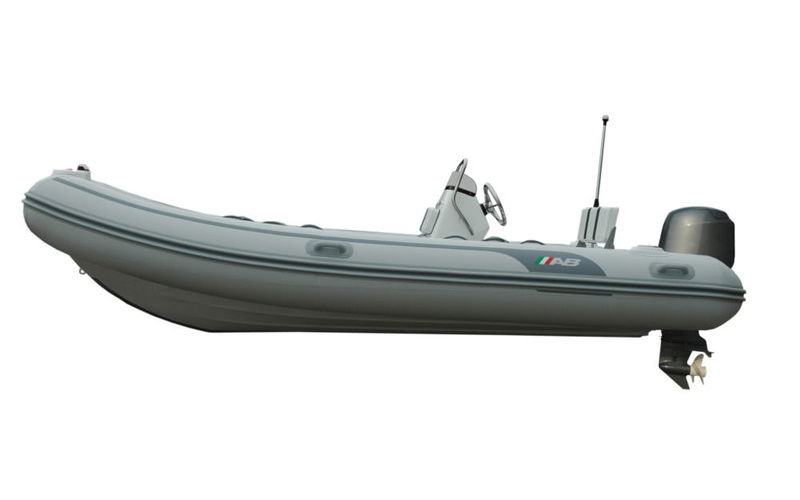
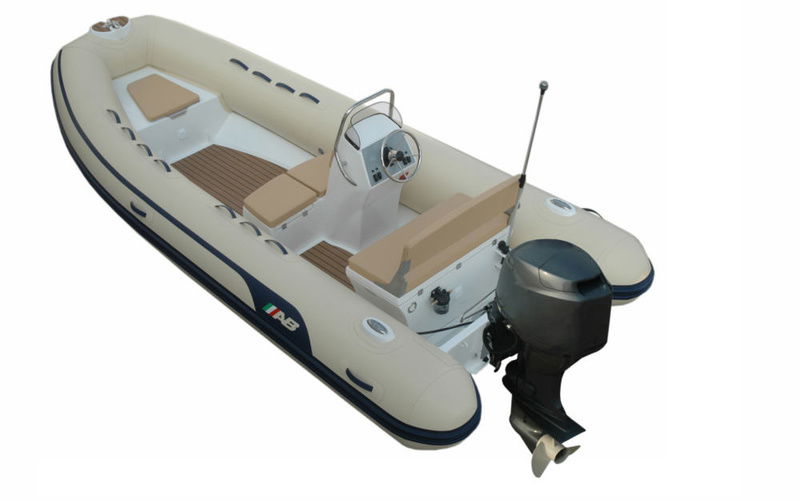
Images have been gathered from various sources and belong to their respective owners.
Review - AB Inflatables Alumina 16 ALX

MarineBroker
01/14/2024, 6:16 AM
2015 AB Inflatables Alumina 16 ALX: What to Know Before Buying, Using, or Upgrading
If you’ve been searching for the 2015 AB Inflatables Alumina 16 ALX, you’re probably trying to figure out whether it’s the right tender, runabout, or utility boat for your needs. Maybe you’ve found a used one for sale and want to know what to look for. Or maybe you already own one and are trying to solve a common issue like performance, maintenance, setup, or long-term value.
That’s the real challenge with aluminum RIBs and small inflatable boats: they can be incredibly practical, but only if they’re matched to the right use and properly maintained. A boat like the 2015 AB Inflatables Alumina 16 ALX can deliver a great balance of durability, light weight, and versatility, but buyers and owners often run into the same questions. Is it stable enough for family use? How does it handle chop? What should you inspect on a used model? How do you keep it performing well without overcomplicating ownership?
In this guide, we’ll break down the key things to know about the 2015 AB Inflatables Alumina 16 ALX, common problems people face, and practical ways to solve them. If you’re trying to make a smart boating decision, this will help you feel a lot more confident.
- What Is the 2015 AB Inflatables Alumina 16 ALX?
The 2015 AB Inflatables Alumina 16 ALX is a compact aluminum-hull rigid inflatable boat, often used as a tender, day boat, or utility craft. It’s built to be light, durable, and easy to handle, which makes it popular with boaters who want a practical boat that can do a little bit of everything.
The “ALX” designation points to the aluminum construction and layout style, which typically means better resistance to dings and a more rugged feel than many fiberglass alternatives in this size range. For owners, that can mean easier beach landings, less worry about minor impacts, and a boat that’s generally well-suited to active use.
For people shopping used, this model often appeals because it offers:
- Simple handling
- Good deck space for its size
- Strong utility as a tender or runabout
- Lower maintenance than many larger, more complex boats
The main thing to remember is that a small RIB like this works best when its use matches its design. It’s not trying to be a luxury cruiser. It’s meant to be practical, nimble, and dependable.
- Why People Look for the 2015 AB Inflatables Alumina 16 ALX
There are a few reasons this model gets attention from buyers and owners alike.
First, size matters. At 16 feet, it’s large enough to feel useful, but still small enough to trailer, store, and launch without a huge hassle. That makes it appealing for boaters who want flexibility.
Second, aluminum hulls have a reputation for toughness. If you’re using the boat in marinas, near docks, on beaches, or in shallow areas, that ruggedness can be a real advantage.
Third, the layout of a boat like the 2015 AB Inflatables Alumina 16 ALX tends to be straightforward. That’s a big plus for people who want:
- Easy boarding
- Simple maintenance
- Efficient use of space
- A boat that doesn’t require constant fussing
For many owners, the attraction is less about luxury and more about convenience. It’s a boat that can serve multiple purposes without becoming a headache.
- Common Problem: Is a Used 2015 AB Inflatables Alumina 16 ALX Still a Good Buy?
This is probably the biggest question for most people. A used inflatable or aluminum RIB can be a great purchase, but only if you inspect the right things.
The problem is that boats age in layers. Some parts hold up extremely well, while others wear out quietly. A boat may look clean on the outside but still have issues with tubes, seams, transom hardware, or engine compatibility.
Here’s the practical solution: inspect the boat as a system, not just as a hull.
Look closely at:
- Tube condition
- Hull dents or corrosion
- Seams and valves
- Transom strength
- Console and controls
- Engine hours and maintenance records
- Trailer condition if included
If the boat has been stored well and serviced regularly, a 2015 model can still offer strong value. But if it has UV damage, poor repairs, or neglected hardware, the cost of fixing it can add up fast.
- What to Inspect on the Hull and Tubes
One of the biggest strengths of the 2015 AB Inflatables Alumina 16 ALX is its aluminum hull, but that doesn’t mean you can skip inspection.
Check the hull for:
- Dents from hard impacts
- Scratches that may have exposed bare metal
- Corrosion around fittings
- Loose hardware
- Signs of previous repairs
Aluminum is durable, but repeated impacts or poor storage can create problems over time. If you see corrosion around fasteners or joints, that’s worth taking seriously.
For the inflatable tubes, look for:
- Fading from UV exposure
- Cracks or dry rot
- Weak seams
- Soft spots
- Air leaks near valves or patches
A tube that holds air overnight is a good sign, but it’s not the whole story. Inspect the surface carefully in daylight and don’t rush the process.
A simple tip: run your hand along the seams and around fittings. You can often feel issues before you fully see them.
- The Most Common Ownership Problem: Performance Feels “Off”
Sometimes owners buy a boat like this and feel disappointed because it doesn’t perform the way they expected. The boat may feel slow, heavy, or less responsive than it should.
That usually isn’t because the model is bad. It’s often due to one of these issues:
- Wrong engine size
- Improper propeller choice
- Too much weight onboard
- Underinflated tubes
- Fouled hull
- Poor weight distribution
For a small RIB, even small changes can make a big difference.
The solution is to start with the basics:
- Make sure the tubes are inflated to the recommended pressure
- Clean the hull bottom
- Check the prop for damage
- Review engine mounting height
- Reduce unnecessary gear onboard
If the boat is consistently underperforming, have a marine mechanic verify that the engine and prop are matched correctly. Many performance complaints are really setup problems, not boat problems.
- Choosing the Right Engine Setup
A boat like the 2015 AB Inflatables Alumina 16 ALX depends heavily on proper engine pairing. Too little power and it feels sluggish. Too much power and you may lose efficiency or create handling issues.
When evaluating an engine setup, think about:
- Typical load
- Number of passengers
- Whether you use it for short runs or longer trips
- Water conditions in your area
A lighter load in calm water needs less power than a fully loaded boat in chop. That’s why the “best” engine isn’t only about horsepower. It’s about how you actually use the boat.
A practical approach:
1. Define your usual load.
2. Compare that to the manufacturer’s recommended range.
3. Match the prop to your cruising style.
4. Test trim and acceleration before making changes.
If you already own the boat and it feels unbalanced, don’t jump straight to replacing the engine. Often a propeller adjustment or load redistribution solves the issue much more affordably.
- Maintenance Tips That Keep the Boat Reliable
The easiest way to protect your investment is to stay ahead of routine maintenance. With a compact aluminum RIB, the work is usually manageable if you stay consistent.
Good maintenance habits include:
- Rinsing the boat after saltwater use
- Checking tube pressure regularly
- Inspecting fittings and fasteners
- Cleaning corrosion early
- Keeping the hull free of marine growth
- Servicing the engine on schedule
- Storing the boat out of direct sunlight when possible
Saltwater is especially tough on hardware. Even a boat built for rugged use will last longer if it’s rinsed and dried properly after each outing.
Also, don’t ignore small leaks or loose fittings. On a boat this size, minor issues can affect handling, comfort, and safety more than people expect.
- Storage and Trailering: A Big Advantage of the Alumina 16 ALX
One reason many boaters like the 2015 AB Inflatables Alumina 16 ALX is that it’s easier to store and trailer than larger boats. That’s a real advantage for owners who don’t have a full marina slip or want to keep ownership simple.
But storage still matters a lot.
Best practices:
- Store the boat in a shaded or covered area
- Avoid long-term exposure to sun and heat
- Keep the tubes clean and dry
- Support the hull correctly on the trailer
- Check trailer bunks and rollers for wear
A poorly supported trailer can create hull stress over time. And if the boat sits in the sun for long periods, tube material and fittings may age faster than expected.
If you’re trailering often, make sure the tie-down points are secure and that the boat is balanced correctly on the trailer. A small boat can still suffer from bad trailering habits.
- How to Tell If a Used Model Has Been Well Cared For
A clean boat doesn’t always mean a well-maintained boat. The best clue is usually consistency.
Signs of good care include:
- Maintenance records
- Even wear across the tubes and hull
- Clean wiring and tidy rigging
- No obvious patchwork repairs
- Engine service history
- Proper storage habits
Red flags include:
- Mismatched repair materials
- Heavy oxidation
- Cracked fittings
- Sloppy wiring
- Water intrusion in compartments
- A trailer that looks worse than the boat
If the seller can explain the boat’s history clearly, that’s a good sign. If answers are vague or defensive, slow down and inspect more carefully.
For buyers, a marine survey can be worth it, especially if the boat includes an engine and trailer. The cost of an inspection is often far less than the cost of discovering hidden problems later.
- Practical Uses: Where This Boat Makes the Most Sense
The 2015 AB Inflatables Alumina 16 ALX is most attractive to people who want versatility.
It can work well as:
- A yacht tender
- A harbor runabout
- A family day boat
- A utility boat for shore runs
- A light-duty fishing platform
Its size and rugged build make it especially useful for quick trips, dock hopping, and coastal use where easy handling matters.
That said, it’s not ideal for everyone. If you regularly carry large groups, want cabin space, or need long offshore range, you may want something larger. The boat shines when the mission is simple and practical.
- How to Solve the Most Common Buyer Mistake
A lot of buyers focus too much on age and not enough on condition. A 2015 boat can be excellent if it was maintained well. A newer boat can be a headache if it was neglected.
So the solution is to buy based on:
- Condition first
- Maintenance second
- Equipment third
- Age last
That mindset helps you avoid overpaying for a boat that looks good but needs expensive work.
Before buying, ask yourself:
- Does the boat fit my real-world use?
- Can I inspect it thoroughly?
- Are replacement parts and service available?
- Will I be able to store and maintain it easily?
If the answer is yes, the boat may be a smart fit. If not, keep looking.
- Final Buying Checklist for the 2015 AB Inflatables Alumina 16 ALX
Here’s a quick checklist to keep things simple:
- Inspect tube condition and air retention
- Check hull for dents, corrosion, or repairs
- Review engine service records
- Confirm propeller condition
- Test steering and controls
- Examine trailer condition
- Verify storage history
- Ask about saltwater use and rinsing habits
- Look for signs of UV damage
- Consider a professional inspection
This checklist doesn’t just help you avoid problems. It also gives you leverage if you decide to negotiate price based on needed repairs.
- Conclusion
The 2015 AB Inflatables Alumina 16 ALX can be a solid choice for boaters who want a practical, durable, and easy-to-handle inflatable RIB. Whether you’re buying used or already own one, the key is understanding how to evaluate condition, match the engine properly, and stay on top of basic maintenance.
Most problems with boats like this come down to setup, storage, or neglect rather than the design itself. If you inspect carefully and keep up with routine care, this model can remain a useful and enjoyable boat for years. If you’re still comparing options, take your time, review service history, and look at how the boat fits your real boating habits. A little research now can save a lot of hassle later.
Specifications
General
Boat Type: Power Boats
Class Type: Rigid Inflatable Boats
Specifications
Length: 16.01
Beam: 7.02
Draft: 1.67
Hull Material: Aluminium
Build
First Built: 2015
Propulsion
Fuel Type: Unleaded
Engines: 1
Power: 60 HP
Brand: Unknown
Accomodation
PROS & CONS
What we appreciated
 Durable aluminum hull combined with inflatable tubes for stability and lightweightHigh-quality construction with AB Inflatables' reputation for reliabilityGood performance and handling for a boat of its sizeLow maintenance compared to fully inflatable or fiberglass boatsVersatile use for fishing, leisure, and as a tender
What we didn’t appreciate
 Limited passenger and cargo capacity due to 16-foot sizeInflatable tubes require periodic inspection and maintenance to avoid leaksAluminum hull may dent or scratch more easily than fiberglassHigher initial cost compared to some other inflatable or rigid dinghiesLess suitable for rough sea conditions compared to larger rigid hull boats
Upkeep Costs
Fuel: Approximately $500 - $1,000 per year depending on usage
Maintenance: Around $300 - $600 annually for engine and hull upkeep
Insurance: Typically $200 - $400 per year
Storage: $300 - $700 annually depending on location and type
Registration and Licensing: $50 - $150 per year
Rating
5.3
User
Score
Score
Driveability
Technology
Interior
Design
Similar Boats


MarineBroker
Download now for an immersive boat experience like never before! ⛵✨ Your journey begins with a simple click. 🌊📲
#SetSailSmart #DownloadNow
#SetSailSmart #DownloadNow

Subscribe
Copyright 2017 - 2026, Marinebroker.net, All Rights Reserved