Boat Type: Power Boats
Boat Class: Rigid Inflatable Boats
Length: 9.35 ft
Berths: 1
Cabins: 1
Bathrooms: 1
Max Persons: 4
Boat Database » 3D Tender Federlight 285
3D Tender Federlight 285
Outboard four-stroke, Unleaded, 1x 8 HP
Power Boats 2020 3D Tender Federlight 285: What Owners Should Know Before Buying, Using, or Upgrading
If you’re looking at the 2020 3D Tender Federlight 285, chances are you’re after a small inflatable boat that’s easy to handle, lightweight...
Discover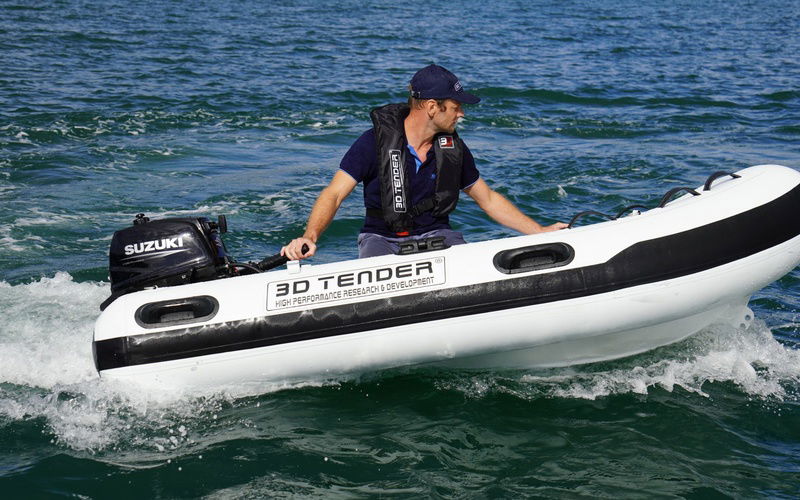
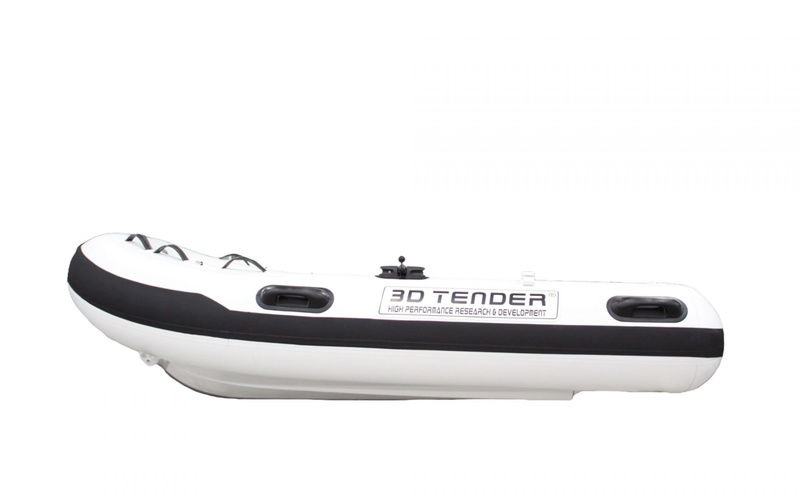


Images have been gathered from various sources and belong to their respective owners.
Review - 3D Tender Federlight 285

MarineBroker
01/08/2024, 1:17 PM
2020 3D Tender Federlight 285: What Owners Should Know Before Buying, Using, or Upgrading
If you’re looking at the 2020 3D Tender Federlight 285, chances are you’re after a small inflatable boat that’s easy to handle, lightweight, and practical for short trips, tender use, or quick runs to shore. That’s exactly why this model gets attention: it promises simplicity without the bulk of a larger RIB. But like many compact boats, the real question isn’t just “Is it good?” It’s “Will it actually fit the way I boat?”
That’s where a lot of buyers get stuck. A boat like the Federlight 285 can be a great match for some people and a frustrating compromise for others. Space, load capacity, stability, storage, and engine pairing all matter more than most new owners expect. If you choose based only on size or price, you can end up with a boat that feels underpowered, cramped, or harder to use than expected.
The good news is that most of those issues are avoidable. With the right setup, realistic expectations, and a few practical checks before purchase or use, the 2020 3D Tender Federlight 285 can be a very handy small craft.
- What the 2020 3D Tender Federlight 285 is designed for
The Federlight 285 sits in the compact inflatable boat category, which usually means one thing: convenience. It’s built for people who want something easy to launch, transport, and store, without needing a trailer or a huge amount of deck space.
For many boaters, that makes it ideal as:
- A tender for a cruiser or sailboat
- A small runabout for calm waters
- A lightweight boat for short coastal hops
- A practical option for solo users or couples
- A backup boat that’s simple to deploy
The challenge with boats this size is that they are often expected to do too much. A 2.85-meter inflatable is not meant to behave like a full-size family RIB. It shines when used for short, efficient trips with modest loads.
That’s why the biggest “problem” people run into is usually mismatch. They buy the boat hoping it will handle heavier loads, rougher water, or longer outings than it was really designed for. Once expectations are aligned with the boat’s actual purpose, the experience improves a lot.
- The most common problem: choosing the wrong boat for the job
The main issue with the 2020 3D Tender Federlight 285 is not the boat itself. It’s buying it for the wrong use case.
A compact inflatable can be a brilliant solution if you need:
- Easy portability
- Fast inflation and setup
- Low storage requirements
- Simple handling
- Light-duty transport or tender work
But problems start when buyers expect more than that. Common pain points include:
- Limited room for passengers and gear
- Less comfort on longer rides
- Reduced performance with heavier loads
- More sensitivity to chop and wake
- Smaller fuel and storage options if paired with a small outboard
In other words, the issue is often not “what’s wrong with the boat?” but “what’s wrong with the setup or expectation?”
If you’re considering this model, the smartest approach is to think about your actual boating habits. Ask yourself:
- How many people will really use it at once?
- Will it mostly serve as a tender or as a main boat?
- How far will you travel in a typical trip?
- Do you need speed, or just reliable transport?
- Where will you store and launch it?
Answering those questions early can save a lot of disappointment later.
- Why the Federlight 285 appeals to practical boaters
The appeal of the 2020 3D Tender Federlight 285 is pretty straightforward: it’s compact, manageable, and easy to live with.
For many owners, that matters more than raw size or luxury. A smaller boat that gets used often is usually more valuable than a bigger one that stays in storage.
Here’s why this kind of boat works well:
- It is easier to lift, move, and stow than larger inflatables
- It can be launched quickly by one person in many situations
- It is usually more affordable to operate
- It works well for short, routine trips
- It suits boaters who want low-maintenance convenience
That said, compact boats reward good planning. Small details like engine choice, load balance, and inflation pressure make a noticeable difference in how the boat feels on the water.
If the boat is under-inflated, overloaded, or paired with the wrong outboard, it may feel sluggish or unstable. If it’s set up properly, it can feel surprisingly efficient for its size.
- How to solve the biggest usability issues
The practical solution is not complicated: match the boat to the task, and set it up correctly.
That means focusing on a few key areas.
- Choose the right engine
One of the most common mistakes with small inflatables is using an engine that doesn’t match the hull’s intended use. Too little power and the boat feels slow and unresponsive. Too much power and you may create handling issues or exceed safe limits.
For a boat like the Federlight 285, the goal is usually not top speed. It’s smooth, reliable movement with enough power to carry people and gear comfortably.
A sensible engine setup should:
- Stay within the manufacturer’s recommended range
- Match the boat’s typical load
- Prioritize reliability and easy starting
- Be light enough not to upset trim
If you’re using it as a tender, a small, dependable outboard often makes more sense than chasing extra horsepower.
- Keep the load realistic
This is a big one. Small boats feel dramatically different depending on how much weight they’re carrying.
To improve performance:
- Limit unnecessary gear
- Distribute weight evenly
- Avoid loading too many passengers at once
- Keep heavier items low and centered
- Bring only what you need for the trip
A compact inflatable can feel great with one or two people and a modest load. Add too much weight and the boat may sit lower in the water, respond more slowly, and feel less stable.
- Maintain proper inflation
Inflatable boats depend heavily on correct pressure. Even a small drop in inflation can affect ride quality, handling, and efficiency.
Check the tubes before use and make sure they are inflated to the recommended level. In warm weather, pressure can rise during the day, so it’s worth monitoring if the boat is sitting in direct sun.
A well-inflated boat generally offers:
- Better stability
- Better performance
- Improved fuel efficiency
- Less drag
- More predictable handling
It’s a simple step, but it makes a huge difference.
- Use the right water conditions
A 2.85-meter inflatable is best suited to calm or moderately sheltered water. It can handle more than glassy-flat conditions, but it’s not the boat you want for rough, exposed, offshore runs.
For best results, use it in:
- Marinas
- Sheltered bays
- Lakes
- Rivers with manageable current
- Short coastal crossings in fair weather
If you regularly face chop, wind, or swell, you may want a larger and heavier boat with more hull depth and capacity.
- What to check before buying a used 2020 3D Tender Federlight 285
If you’re considering a used example, inspection matters more than cosmetics. A clean-looking inflatable can still have hidden issues.
Here’s what to look for:
- Tube condition: check for patches, abrasions, or soft spots
- Seams and valves: inspect for leaks or wear
- Floor integrity: make sure it is solid and not warped or damaged
- Transom condition: look for cracks, movement, or water damage
- UV wear: sun damage can shorten the life of inflatable materials
- Engine compatibility: confirm the boat has been used with appropriate power
- Storage history: boats stored indoors usually age better than those left exposed
It also helps to ask how the boat was used. A tender that spent its life in calm marina water may be in much better shape than one used regularly in rough conditions.
If possible, inflate it fully and inspect it in bright daylight. Small leaks or weak spots are much easier to spot that way.
- How to get better performance from a compact inflatable
The good news is that even a small boat can perform well if you treat it like the efficient utility craft it is.
A few simple habits help a lot:
- Trim the motor correctly
- Keep the hull clean
- Avoid unnecessary drag from heavy gear
- Store the boat properly when not in use
- Rinse saltwater off after each trip
- Check valves and fittings regularly
The boat will usually feel better on the water if you take care of the basics. Many owners are surprised by how much difference a clean hull and proper trim can make.
For example, if the boat feels slow, the issue may not be the engine at all. It could be:
- Too much weight in the stern
- Underinflated tubes
- Fouling on the hull
- Incorrect motor height
- A prop that doesn’t suit the load
Solving one of these often improves the whole ride.
- Who the 2020 3D Tender Federlight 285 is best suited for
This model makes the most sense for boaters who value convenience over size.
It’s a strong fit for:
- Sailboat or cruiser owners needing a tender
- Solo users who want easy handling
- Couples who take short trips
- Boaters with limited storage space
- People who prioritize portability and simplicity
It may be less suitable for:
- Families needing more seating
- Boaters carrying lots of gear
- Users who want higher speeds
- Anyone regularly boating in rough conditions
- People looking for a main boat for longer outings
That’s the key to making a good decision. The Federlight 285 is not trying to be everything. It works best when you use it for what it’s built to do.
- Practical buying tips for first-time owners
If you’re new to small inflatables, here are a few simple tips that can make ownership easier from day one.
- Measure your storage space first
Don’t assume a small boat automatically fits everywhere. Check the real dimensions of your garage, locker, car, or deck area.
- Think about transport
Will you carry it by hand, in a vehicle, or on a deck? Even a lightweight boat becomes awkward if transport isn’t planned properly.
- Match accessories carefully
Paddles, pump, fuel tank, and engine all need to suit the boat’s size. Oversized gear can be a nuisance.
- Budget for maintenance
Even simple inflatables need care. Include cleaning products, repair supplies, and servicing in your budget.
- Test before committing
If possible, try a similar boat on the water before buying. Real-world feel matters more than spec sheets.
- Why small boats often disappoint — and how to avoid that
A lot of disappointment comes from one simple thing: expecting a compact boat to behave like a bigger one.
People often want:
- More speed
- More space
- More comfort
- Better rough-water handling
- More storage
But small boats are a trade-off. You gain portability and simplicity, but you give up some room and capability.
The solution is not to avoid small boats. It’s to choose them with clear eyes.
If you want a boat that is easy to use, easy to store, and practical for short trips, a model like the 2020 3D Tender Federlight 285 can make a lot of sense. If you want a boat that handles heavy loads or longer adventures, you may need to step up in size.
This kind of honest matching is what leads to a better ownership experience.
- Final thoughts on getting the most from the 2020 3D Tender Federlight 285
The 2020 3D Tender Federlight 285 is best understood as a compact, practical inflatable for simple boating needs. Its real value comes from being easy to store, easy to launch, and easy to use when you keep expectations realistic.
The biggest problem most owners face is not a defect in the boat itself, but a mismatch between what they need and what a small inflatable can realistically deliver. The solution is straightforward: choose the right engine, keep the load light, maintain proper inflation, and use it in suitable conditions.
If you’re shopping for one or already own it, focus on setup and usage rather than chasing bigger numbers. That’s where this boat can really shine. And if you want to go deeper, it’s worth comparing similar compact inflatables, checking owner feedback, and reviewing the manufacturer’s specs before making your next move.
Specifications
General
Boat Type: Power Boats
Class Type: Rigid Inflatable Boats
Specifications
Length: 9.35
Beam: 5.09
Draft: 0.98
Hull Material: Aluminium
Build
First Built: 2020
Propulsion
Fuel Type: Unleaded
Engines: 1
Power: 8 HP
Brand: Unknown
Accomodation
Berths: 1
Cabins: 1
Bathrooms: 1
PROS & CONS
What we appreciated
 Lightweight construction allows for easy towing and handlingDurable fiberglass hull ensures longevity and low maintenanceSpacious deck layout suitable for tender or leisure useModern design with good stability and seaworthinessEfficient fuel consumption due to lightweight design
What we didn’t appreciate
 Limited cabin or storage space for extended tripsNot designed for rough offshore conditionsSeating capacity may be limited for larger groupsMinimal onboard amenities compared to larger boatsHigher price point relative to similar-sized tenders
Upkeep Costs
Insurance: $500 - $1,000 per year
Maintenance and Repairs: $1,000 - $2,000 per year
Storage (Marina or Dry Storage): $1,200 - $3,000 per year
Fuel: $500 - $1,500 per year depending on usage
Registration and Licensing: $50 - $150 per year
Rating
5.3
User
Score
Score
Driveability
Technology
Interior
Design
Similar Boats


MarineBroker
Download now for an immersive boat experience like never before! ⛵✨ Your journey begins with a simple click. 🌊📲
#SetSailSmart #DownloadNow
#SetSailSmart #DownloadNow

Subscribe
Copyright 2017 - 2026, Marinebroker.net, All Rights Reserved