Boat Database » AB Inflatables Navigo 8 VS
AB Inflatables Navigo 8 VS
Outboard four-stroke, Unleaded, 1x 10 HP
Power Boats 2008 AB Inflatables Navigo 8 VS: How to Evaluate, Maintain, and Get the Most from This Compact Tender
If you’re researching the 2008 AB Inflatables Navigo 8 VS, chances are you’re trying to answer a very practical question: is th...
Discover
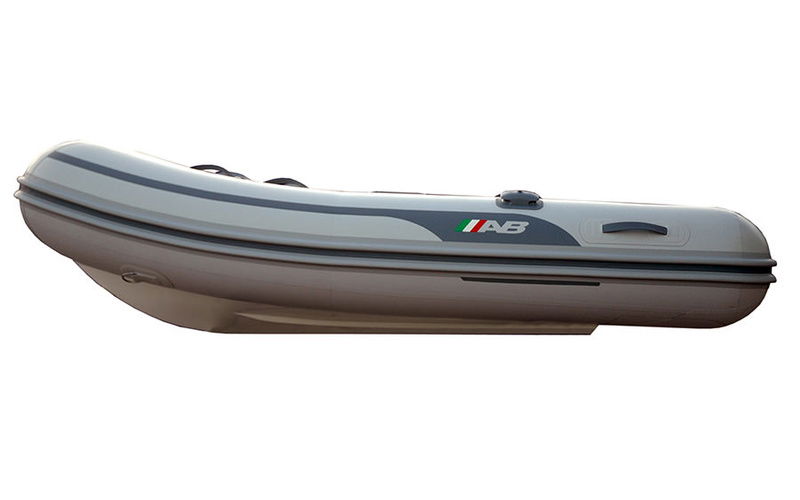
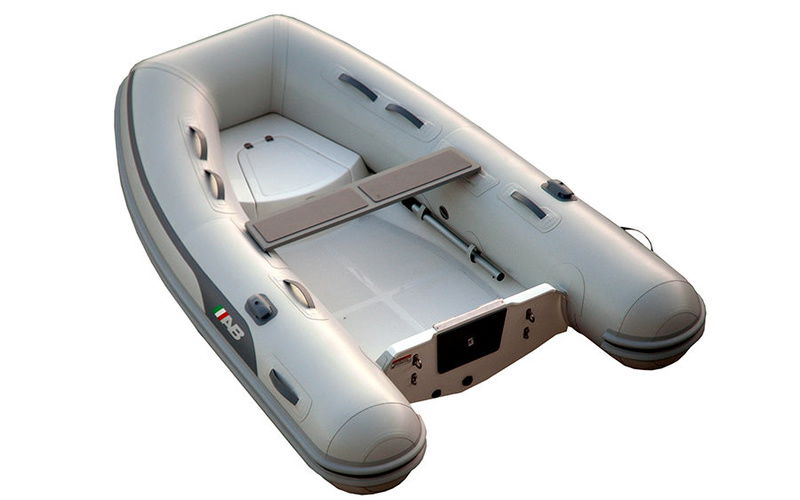

Images have been gathered from various sources and belong to their respective owners.
Latest Market Trends (Latest Available Year Model)
Price: $6,423
Review - AB Inflatables Navigo 8 VS

MarineBroker
01/14/2024, 12:50 PM
2008 AB Inflatables Navigo 8 VS: How to Evaluate, Maintain, and Get the Most from This Compact Tender
If you’re researching the 2008 AB Inflatables Navigo 8 VS, chances are you’re trying to answer a very practical question: is this little inflatable still a smart boat to own, buy, or keep running well today? That’s a fair question. Older tenders can be excellent boats, but only if you know what to look for.
The challenge with a boat like the 2008 AB Inflatables Navigo 8 VS is that age matters, but so does condition. An older inflatable may look fine at first glance, yet hidden issues like tube leaks, weak seams, tired flooring, or outdated rigging can turn a simple tender into a frustrating project. On the other hand, a well-kept example can still be a highly capable, lightweight, and easy-to-handle boat for short trips, dock runs, and cruising support.
The good news is that most problems are predictable and manageable. With a careful inspection, a few maintenance habits, and a realistic understanding of what this model does well, you can make a much better decision and avoid expensive surprises.
- What Makes the 2008 AB Inflatables Navigo 8 VS Worth a Closer Look
The 2008 AB Inflatables Navigo 8 VS is part of the compact inflatable tender category, which means it was designed to be practical first. Boats like this are usually chosen for easy storage, simple launching, and lightweight handling rather than big-water performance.
That’s exactly why many boaters still search for this model. A compact 8-foot inflatable can be a useful runabout, a yacht tender, or a small utility boat for calm-water use. If it has been stored properly and maintained with care, it may still offer plenty of service life.
What makes this type of boat appealing:
- Easy to lift, tow, and store
- Good for short, low-speed transport
- Useful as a tender for larger vessels
- Simple to launch from a dock or beach
- Usually more fuel-efficient than larger boats
But the same compact design also means there is less margin for neglect. Small inflatables show wear quickly if they’ve been left in the sun, folded wet, or used with improper pressure. That’s why understanding condition is more important than focusing on age alone.
- The Main Problem Buyers and Owners Face
The biggest issue people run into with an older inflatable like the 2008 AB Inflatables Navigo 8 VS is uncertainty.
You may be asking:
- Is the boat still structurally sound?
- Are the tubes holding air properly?
- Is the transom still strong?
- Will the floor or seams fail soon?
- Is it worth repairing, or should I move on?
That uncertainty can make a good boat feel risky. Inflatable boats often look decent in photos, but once you inspect them closely, you may find patchwork repairs, UV damage, valve problems, or floor wear. For an older model, the goal is not to find perfection. The goal is to determine whether the boat is safe, functional, and economically sensible.
The solution is a structured evaluation process. Instead of guessing, inspect the boat step by step and judge it based on the parts that matter most.
- How to Inspect a 2008 AB Inflatables Navigo 8 VS the Smart Way
If you’re considering buying one or checking the condition of your own, start with the basics. A careful inspection can tell you almost everything you need to know.
- Check the tubes for air retention
Inflatable tubes should hold pressure consistently. If a tube feels soft after sitting overnight, there may be a leak at a seam, valve, or patch.
Look for:
- Slow deflation
- Cracked or sticky valve parts
- Patch areas that feel different from the surrounding material
- Uneven firmness between chambers
A simple soap-and-water test can help locate air leaks. Spray suspected areas and look for bubbles.
- Inspect the seams closely
Seams are one of the most important parts of any inflatable boat. Over time, heat, UV exposure, and repeated inflation cycles can weaken them.
Watch for:
- Separation at glued joints
- Discoloration around seam lines
- Flaking adhesive
- Air bubbling from seam edges
If seams are failing, repair costs can rise quickly. Small seam issues may be fixable, but widespread separation is a warning sign.
- Look at the floor and transom
The floor should feel solid and level. If it flexes excessively or has soft spots, that may point to damage or water intrusion.
The transom is equally important. On a boat like this, it supports the outboard and has to stay rigid.
Check for:
- Cracks in the transom
- Water damage
- Delamination
- Loose mounting hardware
- Movement when the engine is attached
If the transom moves under load, that is a serious concern.
- Evaluate the overall material condition
The outer fabric or coating should not be brittle, chalky, or heavily faded. UV damage is common on older inflatables and can shorten the remaining lifespan.
Signs of aging include:
- Surface cracking
- Color fading
- Sticky or powdery texture
- Hard spots in otherwise flexible material
A boat that has spent years in the sun without cover may still function, but it may need more maintenance and may not last as long as a well-protected example.
- Common Issues with the 2008 AB Inflatables Navigo 8 VS
Older inflatable tenders tend to develop the same few problems. Knowing them in advance helps you avoid surprises.
- Air leaks
This is the most common issue. Leaks may come from valves, seams, patches, or tiny punctures.
Typical causes:
- Age-related adhesive failure
- Abrasion from docks or beaches
- Improper inflation
- Storage in hot conditions
Small leaks are often repairable. Multiple leaks in different areas usually point to broader aging.
- UV deterioration
Sun exposure is one of the biggest enemies of inflatable boats. UV rays slowly break down the material, especially if the boat was stored uncovered.
You may notice:
- Faded color
- Dry, brittle surfaces
- Reduced flexibility
- Weakened seams and corners
A cover and proper storage make a huge difference.
- Valve problems
Inflation valves can wear out, stick, or fail to seal properly. Sometimes the boat itself is fine, but a bad valve creates a constant pressure loss.
Valve issues may show up as:
- Hissing sounds
- Difficulty inflating
- Air escaping when capped
- Stiff or cracked valve components
Luckily, valves are often easier to replace than structural parts.
- Transom weakness
If the transom has absorbed water or suffered stress from an engine that was too heavy, it may weaken over time.
This can lead to:
- Engine instability
- Cracking around mounts
- Wobble under acceleration
- Reduced confidence while underway
For safety and performance, transom condition should be checked carefully.
- What the 2008 AB Inflatables Navigo 8 VS Is Best Used For
This model is most useful when expectations are realistic. It is not meant to behave like a large center console or a high-speed offshore boat.
It’s a good fit for:
- Yacht tender duties
- Short harbor runs
- Calm-water transport
- Dock-to-shore trips
- Light utility use
- Occasional recreational outings
It is less ideal for:
- Rough offshore conditions
- Heavy payloads
- Long-distance travel
- Frequent high-speed use
- Overloading with gear or passengers
That distinction matters. Many inflatable boats fail not because they were badly built, but because they were used outside their intended range.
- How to Decide Whether It’s Worth Keeping or Buying
A lot of people get stuck here. They like the boat, but they are not sure whether it makes financial sense.
A simple way to judge it is to compare three things:
1. Condition
2. Repair cost
3. Expected use
If the boat is structurally sound, holds air well, and only needs minor work, it may be worth keeping or buying.
If it needs:
- Multiple tube repairs
- Transom rebuilding
- New valves
- Floor replacement
- Major seam work
then the cost may exceed its practical value.
A useful rule of thumb: if repair costs start approaching the price of a better-condition replacement, it’s time to reconsider.
- Practical Maintenance Tips for Older Inflatable Boats
If you already own the 2008 AB Inflatables Navigo 8 VS, good maintenance can extend its life noticeably. The goal is to reduce wear, prevent leaks, and catch issues early.
- Keep it properly inflated
Underinflation causes flexing and stress. Overinflation can damage seams and valves.
Best practice:
- Inflate to the recommended pressure
- Check pressure before use
- Adjust for temperature changes
- Avoid leaving it overpressurized in hot sun
Temperature matters. A boat inflated in cool morning air may expand significantly by midday.
- Rinse after use
Salt, sand, and grime can wear down materials and hardware.
After each outing:
- Rinse tubes with fresh water
- Clean valves and fittings
- Remove sand from seams and floor edges
- Let the boat dry fully before storage
Moisture trapped in folds or under accessories can cause long-term damage.
- Store it out of the sun
UV protection is one of the best investments you can make.
Storage tips:
- Use a full cover if possible
- Keep it indoors or under shade
- Avoid long-term exposure on a trailer or dock
- Don’t store it folded wet
If you must store it outside, use a breathable, UV-resistant cover.
- Inspect it regularly
You don’t need a full survey every week, but a quick check before and after use can prevent bigger problems.
Look for:
- New scuffs or punctures
- Soft tubes
- Loose fittings
- Cracks in the transom
- Changes in floor rigidity
Catching a small problem early is much cheaper than fixing a major one later.
- Repair or Replace? A Simple Decision Guide
When an older inflatable starts showing wear, the big question is whether to repair it or replace it.
Repair it if:
- Leaks are small and isolated
- The transom is solid
- The floor is in good shape
- The tubes still hold pressure well
- The boat matches your current needs
Consider replacing it if:
- The fabric is brittle throughout
- Multiple seams are failing
- The transom is soft or damaged
- Repairs are becoming frequent
- You need more performance or capacity
Sometimes the smartest move is to keep a well-maintained older tender in service. Other times, replacement is the more reliable long-term choice.
- Buying Tips for the 2008 AB Inflatables Navigo 8 VS
If you’re shopping for one, don’t rush the process. A clean-looking inflatable can hide expensive issues.
Before buying, ask:
- How was it stored?
- Was it covered from sunlight?
- Has it been patched?
- When were the valves last serviced?
- Has the transom ever been repaired?
- How often was it inflated and used?
Try to inspect it fully inflated if possible. That’s when seam issues, soft spots, and pressure loss are easiest to spot.
Also, bring a small checklist:
- Tube pressure
- Seam condition
- Valve operation
- Floor rigidity
- Transom strength
- Hardware corrosion
- Trailer or storage wear, if included
If the seller can’t answer basic maintenance questions, proceed carefully.
- Why Older Inflatables Can Still Be a Good Choice
It’s easy to assume that an older boat is automatically a bad buy, but that’s not always true.
A well-cared-for inflatable can still be useful because:
- The design is simple
- Parts are often repairable
- The boat is lightweight and manageable
- It may meet your needs without a large investment
For many boaters, a compact tender like the 2008 AB Inflatables Navigo 8 VS is not about luxury. It’s about dependable, low-stress utility. If it’s in decent shape, it can still do that job very well.
The key is to evaluate it honestly. A modest boat in good condition is usually a better purchase than a nicer-looking one with hidden problems.
- A Quick Pre-Use Checklist
If you already own one, use this quick checklist before heading out:
- Check tube pressure
- Inspect valves for leaks
- Confirm floor is secure
- Make sure the transom is tight
- Look for fresh damage or abrasions
- Verify drain plugs and fittings
- Keep load within safe limits
- Carry basic repair supplies if needed
This takes only a few minutes and can save you from a ruined outing.
- Final Thoughts on the 2008 AB Inflatables Navigo 8 VS
The 2008 AB Inflatables Navigo 8 VS can still be a useful and practical small inflatable, but only if it has been cared for properly. Like most older tenders, its value depends less on age and more on condition, storage history, and how it has been used.
If you’re buying one, inspect the tubes, seams, floor, and transom carefully. If you already own one, regular cleaning, proper inflation, shade storage, and routine checks can help it last much longer. In the end, the smartest approach is simple: judge the boat by its real condition, not just its year. If you want, you can also explore maintenance guides, inflatable repair tips, or comparison articles to help you decide whether to keep, fix, or replace your tender.
Specifications
General
Boat Type: Power Boats
Class Type: Rigid Inflatable Boats
Specifications
Length: 8.53
Beam: 5.38
Draft: 1.31
Hull Material: GRP
Build
First Built: 2008
Propulsion
Fuel Type: Unleaded
Engines: 1
Power: 10 HP
Brand: Unknown
Accomodation
PROS & CONS
What we appreciated
 Rigid inflatable hull offers excellent stability and safetyLightweight design allows for easy towing and launchingDurable Hypalon tubes resistant to UV, abrasion, and chemicalsGood performance with efficient planing and fuel economyComfortable seating and spacious layout for 6-8 people
What we didn’t appreciate
 Limited onboard storage space compared to larger boatsHigher purchase price relative to similar-sized inflatablesRequires regular maintenance of inflatable tubes to prevent leaksLess suitable for rough offshore conditions compared to hard-hulled boatsEngine not included, so additional investment needed
Upkeep Costs
Fuel: Approximately $1,500 - $2,500 per year depending on usage
Maintenance: Around $500 - $1,000 annually for engine servicing and hull upkeep
Insurance: Typically $300 - $700 per year
Storage: $600 - $1,200 per year depending on location and type
Registration and Licensing: $50 - $150 per year
Rating
4.9
User
Score
Score
Driveability
Technology
Interior
Design
Similar Boats


MarineBroker
Download now for an immersive boat experience like never before! ⛵✨ Your journey begins with a simple click. 🌊📲
#SetSailSmart #DownloadNow
#SetSailSmart #DownloadNow

Subscribe
Copyright 2017 - 2026, Marinebroker.net, All Rights Reserved