Boat Type: Power Boats
Boat Class: Flybridge
Length: 45.93 ft
Berths: 4
Cabins: 2
Bathrooms: 1
Max Persons: 6
1976 Striker 45F: What to Look For, Common Issues, and How to Keep One Running Smoothly
If you’ve been searching for information on the 1976 Striker 45F, chances are you’re already intrigued by what this boat represents: a big, d...
Discover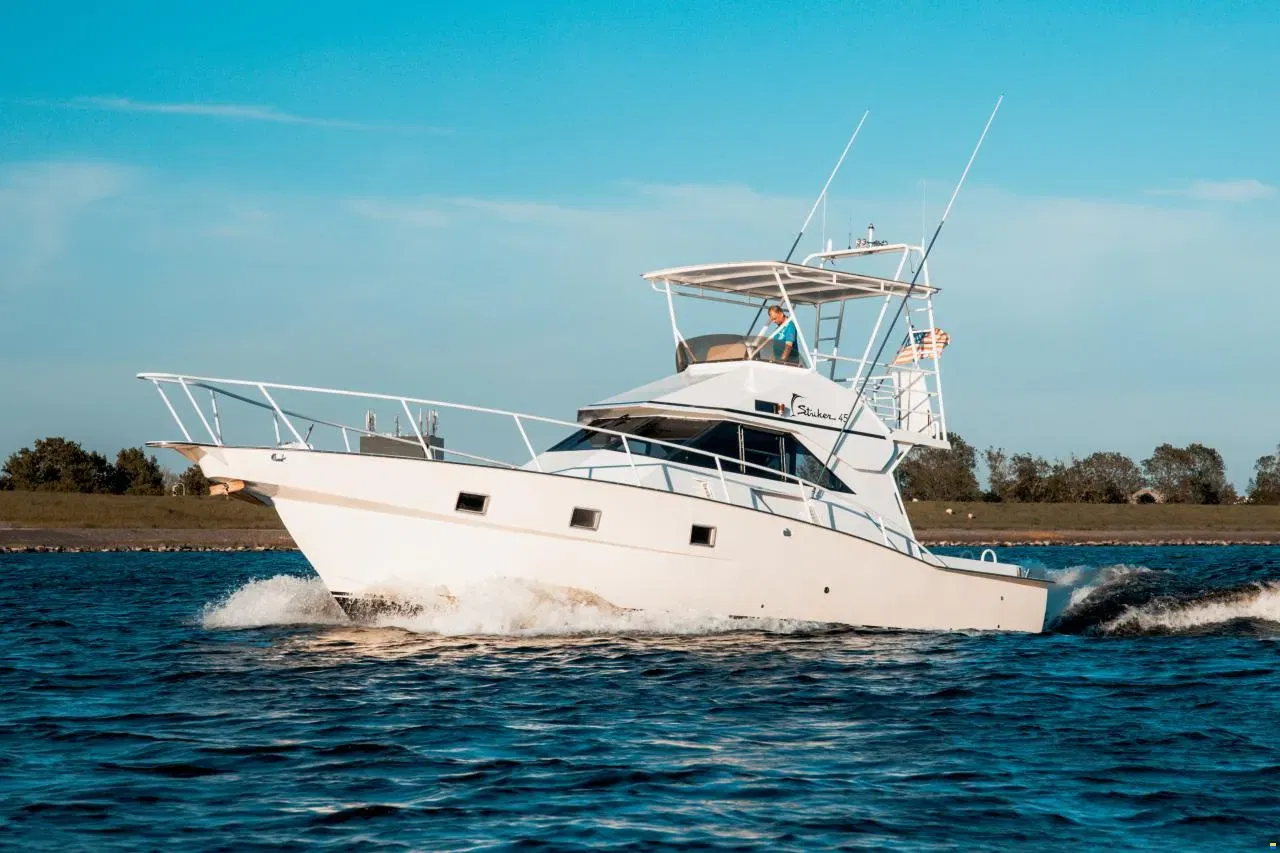
Images have been gathered from various sources and belong to their respective owners.
Review - Striker 45F

MarineBroker
11/22/2023, 5:15 AM
1976 Striker 45F: What to Look For, Common Issues, and How to Keep One Running Smoothly
If you’ve been searching for information on the 1976 Striker 45F, chances are you’re already intrigued by what this boat represents: a big, distinctive mid-’70s cruiser with plenty of personality and a lot of potential. But owning or restoring a vintage boat like this isn’t just about enjoying the style and history. It also means dealing with the realities of an older hull, aging systems, and parts that may no longer be easy to find.
That’s where many owners and prospective buyers hit the same wall. The boat may look solid on the outside, but underneath, there can be hidden issues with fuel systems, wiring, engines, moisture intrusion, and outdated hardware. The good news is that these challenges are manageable if you know what to check and how to approach them in the right order.
In this article, we’ll walk through the most common problems you might encounter with a 1976 Striker 45F, how to evaluate its condition, and practical ways to solve the typical headaches that come with a vintage boat of this size. Whether you’re restoring, maintaining, or considering a purchase, this guide is meant to help you make smarter decisions and avoid expensive surprises.
- Why the 1976 Striker 45F Still Gets Attention
The 1976 Striker 45F is the kind of boat that stands out immediately. It has the size, presence, and old-school styling that many modern boats simply don’t offer. For people who like classic fiberglass cruisers, it can be a very appealing platform.
Part of the appeal is that boats from this era were often built with a heavy, substantial feel. That can be a plus when you’re looking for a sturdy ride and a hull that was designed for serious cruising. But with age comes the usual tradeoff: older construction methods, original equipment that’s long past its prime, and maintenance needs that can be more involved than on newer boats.
For many owners, the real challenge is not whether the boat is worth it. It’s figuring out how to keep it reliable without turning the project into a money pit. That’s especially true if the boat has been sitting, has incomplete records, or has already gone through a few owners.
- The Main Problem With a Vintage 1976 Striker 45F
The biggest issue with a 1976 Striker 45F is simple: age-related wear is usually hidden in several systems at once.
A boat this old may have:
- Original wiring that no longer meets current standards
- Fuel tanks or fuel lines that have deteriorated
- Engines and transmissions with unknown service history
- Moisture damage in decks, bulkheads, or core material
- Outdated plumbing, pumps, and sanitation systems
- Hard-to-source parts for certain components
That means the problem is rarely one single failure. Instead, it’s usually a combination of small issues that stack up over time. One old hose becomes a leak. One neglected wire becomes a short. One soft spot in the deck turns into a structural repair.
The practical solution is not to chase every cosmetic detail first. It’s to inspect the boat system by system, prioritize safety and reliability, and fix the things that matter most before they become bigger expenses.
- Start With a Realistic Inspection
Before spending money on upgrades, repairs, or cosmetics, a thorough inspection is the smartest move. With a vintage boat like the 1976 Striker 45F, what you don’t know can cost more than what you do know.
Focus on these areas first:
- Hull and deck condition
- Signs of water intrusion
- Engine room cleanliness and access
- Fuel system age and condition
- Electrical panel and wiring quality
- Steering and controls
- Through-hulls, hoses, and clamps
- Interior moisture or odor issues
If possible, inspect the boat out of the water and, ideally, have a marine surveyor or experienced marine mechanic evaluate it. Even if you’re handy, a second set of trained eyes can catch problems that are easy to miss.
A good inspection should answer one key question: is this boat a manageable project, or is it hiding structural and mechanical issues that will overwhelm your budget?
- Common 1976 Striker 45F Issues to Watch For
Vintage boats tend to share a familiar list of weak spots. The 1976 Striker 45F is no exception.
- Water Intrusion and Soft Spots
Water intrusion is one of the most common problems on older fiberglass boats. Over time, fittings, rail bases, hatches, windows, and deck hardware can allow moisture to enter the structure.
Symptoms may include:
- Soft or spongy deck areas
- Discoloration around fittings
- Musty odors below deck
- Delamination or cracking in certain areas
The solution depends on how deep the moisture has gone. Sometimes resealing hardware is enough. Other times, you may need to repair or replace core material and rebuild affected sections.
- Aging Fuel Systems
Old fuel systems are a major concern on any classic boat. Rubber hoses crack, tanks corrode, and fittings loosen. Ethanol-blended fuel can also make existing problems worse if the system was never updated.
Watch for:
- Fuel smell in the bilge
- Cracked hoses
- Corroded fittings
- Water contamination in the fuel
- Hard starting or rough running engines
The safest approach is to inspect the entire fuel path from tank to engine. Replace any questionable hoses, clamps, filters, and fittings. If the tanks are original and showing corrosion, they may need professional evaluation or replacement.
- Electrical Problems
Older wiring is often one of the biggest headaches on a vintage cruiser. Over time, insulation can become brittle, connections corrode, and previous owners may have added equipment without proper marine-grade installation practices.
Common signs include:
- Flickering lights
- Dead gauges
- Overheating wires
- Blown fuses or tripped breakers
- Random electrical failures
A practical fix is to trace the system methodically. Start at the battery bank, then move through the main distribution panel, grounds, and major loads. Replace non-marine wire, corroded terminals, and any improvised splices.
- Engine and Mechanical Wear
If the 1976 Striker 45F still has its original or older engines, mechanical wear is likely part of the picture. Even well-maintained engines eventually need attention to cooling systems, ignition components, belts, hoses, and seals.
What to check:
- Compression and oil condition
- Cooling water flow
- Exhaust leaks
- Transmission operation
- Mount condition and alignment
- Fuel delivery and carburetion or injection issues
If the engines haven’t been run regularly, don’t assume they’re ready to go just because they start. A proper recommissioning process is much safer than trying to “see what happens” on the water.
- Steering, Controls, and Safety Hardware
Older boats often have sticky steering, worn cables, or outdated controls. These are not just comfort issues. They affect safety and handling.
Check for:
- Excessive play in the helm
- Corroded control cables
- Loose throttle response
- Worn steering linkages
- Nonfunctional bilge pumps
- Old fire extinguishers or safety gear
The solution is straightforward: test everything before use, replace worn cables and hardware, and bring all safety equipment up to current standards.
- How to Prioritize Repairs Without Getting Overwhelmed
A vintage boat can feel like a giant to-do list. The trick is to sort repairs into categories so you don’t waste time on low-priority items while ignoring critical ones.
Use this order:
1. Safety first
Fix fuel leaks, electrical hazards, bilge pump failures, and structural concerns.
2. Reliability second
Address engines, cooling, steering, and essential systems needed to operate the boat.
3. Comfort third
Update cabin systems, upholstery, lighting, and convenience items.
4. Cosmetics last
Save paint, polish, and decorative upgrades for the end.
This order keeps the boat usable while reducing the chance of expensive setbacks. It also helps you budget more realistically because you’re not trying to do everything at once.
- A Smart Recommissioning Plan for a 1976 Striker 45F
If you’ve just acquired a 1976 Striker 45F, or you’re bringing one back after storage, a structured recommissioning plan will save time and frustration.
Here’s a practical sequence:
- Inspect and clean the bilge
- Replace old fuel lines and filters
- Test batteries and charging systems
- Service engines and transmissions
- Check cooling systems and impellers
- Inspect steering and throttle controls
- Test all pumps and lights
- Verify through-hulls and seacocks
- Examine deck hardware for leaks
- Run the boat at the dock before heading out
This approach helps you find problems early, when they’re still manageable. It also gives you a clearer picture of what the boat needs before you commit to longer trips.
- Finding Parts and Solutions for Older Components
One of the frustrations with a classic boat is that some original parts may be obsolete. That doesn’t mean you’re stuck. It just means you need to be a little more flexible.
Good options include:
- Marine salvage yards
- Specialty vintage boat suppliers
- Universal replacement parts
- Custom fabrication for brackets or fittings
- Upgraded modern equivalents where appropriate
In many cases, replacing an outdated component with a modern marine-grade equivalent is the best long-term solution. The goal is not always to preserve every original part. It’s to keep the boat safe, functional, and dependable.
For example, modern pumps, wiring, switches, and hoses can often outperform the original equipment while still fitting the spirit of the boat.
- When Restoration Makes Sense
Not every older boat is worth a full restoration, but a 1976 Striker 45F can make sense if the hull is sound and the major systems are repairable.
A restoration is more reasonable when:
- The hull and deck are structurally solid
- The engines can be rebuilt or replaced economically
- The interior is complete enough to serve as a template
- You enjoy hands-on projects
- You’re not expecting a quick turnaround
It may not make sense if the boat has severe structural damage, major water intrusion, or multiple failing systems with no clear repair path. In that case, even a beautiful classic can become a very expensive lesson.
The best mindset is to evaluate the boat as a platform, not just a project. If the core structure is good, many of the other issues can be solved with time and planning.
- Maintenance Tips to Keep It Reliable
Once the boat is sorted, ongoing maintenance is what keeps it from sliding backward. Older boats reward consistency.
A few habits go a long way:
- Flush and inspect engines after use
- Keep the bilge dry and clean
- Check hose clamps and fittings regularly
- Exercise pumps and switches even in the off-season
- Look for new leaks after heavy rain
- Keep batteries charged and terminals clean
- Ventilate cabins and storage areas to reduce moisture
It’s also smart to keep a simple maintenance log. Write down what was checked, replaced, or repaired. That makes future troubleshooting much easier, especially if the boat changes hands again later.
- What Makes the 1976 Striker 45F Worth the Effort
The appeal of a 1976 Striker 45F isn’t just nostalgia. It’s the combination of character, size, and the satisfaction of bringing a classic boat back into dependable condition.
For the right owner, that process is part of the reward. You’re not just maintaining a boat. You’re preserving a piece of boating history and making it usable again.
The key is to approach it with patience and a plan. If you focus on the hull, systems, and safety first, you give yourself the best chance of enjoying the boat instead of constantly fixing it.
- Conclusion
Owning or restoring a 1976 Striker 45F can be a rewarding experience, but it works best when you understand the common problems that come with a vintage cruiser. Age-related wear, outdated systems, and hidden moisture issues are all normal concerns, but they’re manageable with a careful inspection and a smart repair plan.
The most effective solution is to prioritize safety, reliability, and structural integrity before moving on to comfort or cosmetic upgrades. If the boat is sound underneath, it can still offer a lot of value and enjoyment. Take your time, inspect thoroughly, and make each repair count. If you’re exploring one now, a solid survey and a methodical recommissioning plan are the best places to start.
Specifications
General
Boat Type: Power Boats
Class Type: Flybridge
Specifications
Length: 45.93
Beam: 13.12
Draft: 3.28
Hull Material: Aluminium
Build
First Built: 1976
Propulsion
Fuel Type: Diesel
Engines: 2
Power: 275 HP
Brand: Hyundai
Accomodation
Berths: 4
Cabins: 2
Bathrooms: 1
PROS & CONS
What we appreciated
 Classic design with vintage appealSturdy fiberglass hull constructionSpacious deck layout suitable for fishingRelatively simple mechanical systems for easier maintenanceGood resale value among vintage boat enthusiasts
What we didn’t appreciate
 Older engine models may require frequent repairsLimited modern electronics and navigation systemsPotential for wear and aging of hull and fittingsFuel efficiency lower compared to newer boatsMay lack some modern safety features and comforts
Upkeep Costs
Fuel: Approximately $3,000 - $5,000 per year depending on usage
Maintenance and Repairs: Around $2,000 - $4,000 annually
Insurance: Typically $800 - $1,500 per year
Docking/Marina Fees: $1,200 - $3,000 annually depending on location
Storage and Winterization: $500 - $1,500 per year
Rating
5.3
User
Score
Score
Driveability
Technology
Interior
Design
Similar Boats


MarineBroker
Download now for an immersive boat experience like never before! ⛵✨ Your journey begins with a simple click. 🌊📲
#SetSailSmart #DownloadNow
#SetSailSmart #DownloadNow

Subscribe
Copyright 2017 - 2026, Marinebroker.net, All Rights Reserved