Boat Type: Power Boats
Boat Class: Flybridge
Length: 58.04 ft
Berths: 6
Cabins: 3
Bathrooms: 3
Max Persons: 12
2017 Bavaria R55: What Owners Should Know About Maintenance, Performance, and Smart Buying Decisions
If you’re researching the 2017 Bavaria R55, chances are you’re already picturing the same thing most buyers and owners do: a sle...
Discover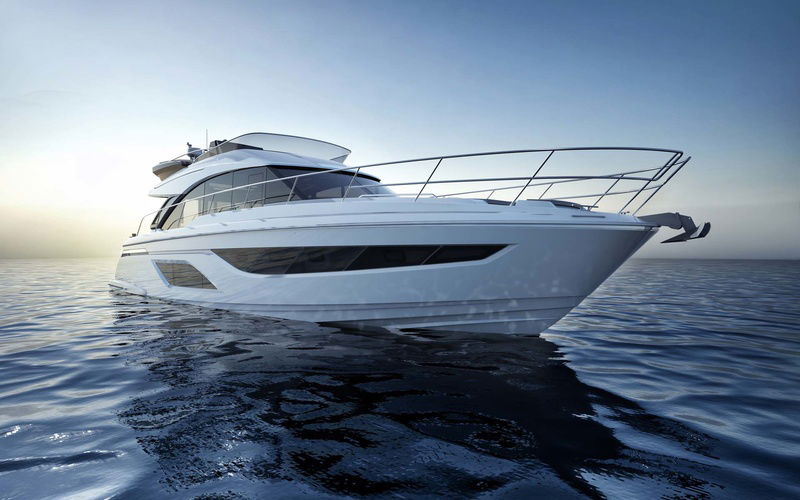
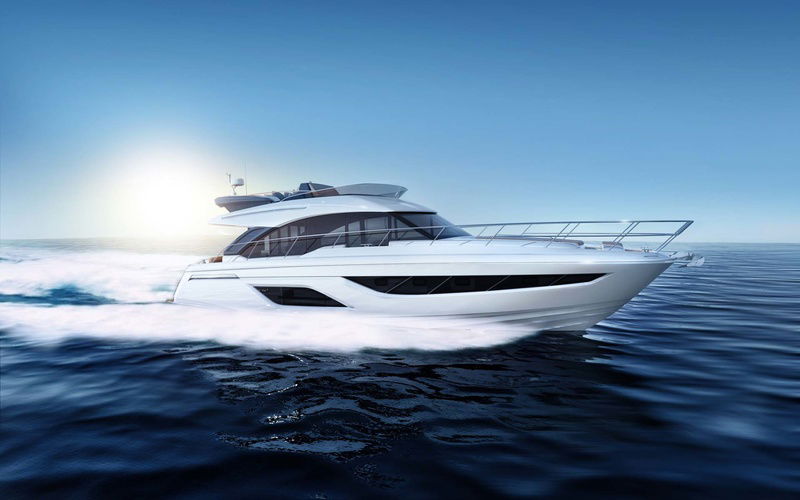
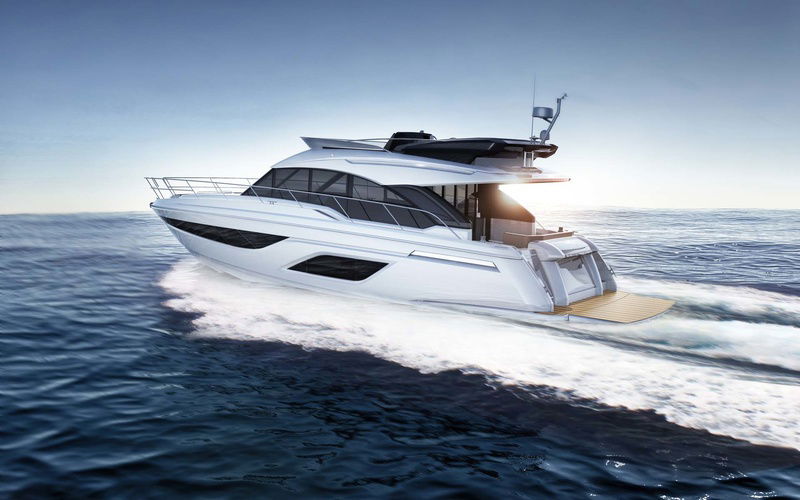
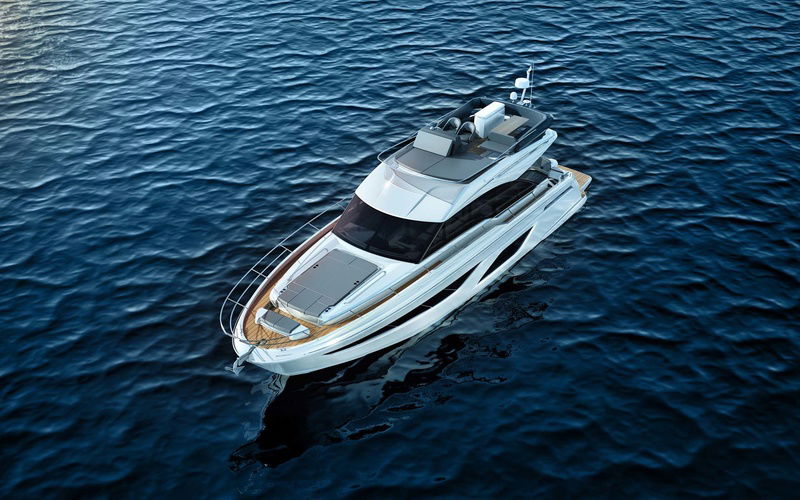
Images have been gathered from various sources and belong to their respective owners.
Latest Market Trends (Latest Available Year Model)
Price: $704,710
Review - Bavaria R55

MarineBroker
08/23/2024, 2:05 AM
2017 Bavaria R55: What Owners Should Know About Maintenance, Performance, and Smart Buying Decisions
If you’re researching the 2017 Bavaria R55, chances are you’re already picturing the same thing most buyers and owners do: a sleek flybridge yacht with serious cruising comfort, a big-volume interior, and the kind of layout that makes weekends feel much longer. But once the excitement settles, a more practical question usually shows up: how do you make sure a yacht like this stays reliable, efficient, and enjoyable without turning every season into a maintenance headache?
That’s the real challenge with a boat in this class. The 2017 Bavaria R55 is a capable, well-designed motor yacht, but like any large yacht, it rewards owners who stay ahead of upkeep, inspections, and operating habits. Small issues on a boat this size can become expensive fast if they’re ignored. The good news is that most of the stress can be avoided with a smart routine, a clear understanding of common problem areas, and a few simple habits that protect both performance and resale value.
In this article, we’ll break down what makes the Bavaria R55 appealing, where owners should pay attention, and how to keep it running smoothly.
- Why the 2017 Bavaria R55 stands out
The 2017 Bavaria R55 sits in an attractive sweet spot for owners who want luxury without moving into the ultra-superyacht world. It offers a generous layout, strong cruising capability, and enough flexibility to work for family trips, entertaining, or longer coastal runs.
One of the biggest reasons people look at this model is space. The R55 is designed to feel open and usable, both inside and out. That matters because a yacht that is comfortable at anchor but awkward underway can quickly become frustrating. Bavaria aimed for a balance: roomy social areas, practical cabins, and a helm setup that feels manageable rather than overwhelming.
From a buyer’s point of view, the R55 also appeals because it’s a relatively modern platform. A 2017 model often benefits from updated styling, improved systems integration, and better efficiency than older yachts in the same size range. That said, age still matters. Even a well-built yacht needs regular attention, and the R55 is no exception.
- The most common problem owners face
The biggest issue for many 2017 Bavaria R55 owners is not one dramatic failure. It’s the accumulation of small maintenance gaps.
That usually looks like this:
- minor leaks that go unnoticed
- neglected service intervals
- battery or charging issues
- wear in seals, pumps, and hoses
- cosmetic aging in high-use areas
- electronics that become unreliable because of moisture or poor upkeep
On a yacht this size, those smaller issues can affect comfort, safety, and operating costs. A slightly weak battery bank can create starting problems. A tired air-conditioning system can make summer cruising miserable. A small plumbing leak can damage cabinetry or wiring if it sits too long.
So the core problem isn’t that the 2017 Bavaria R55 is inherently troublesome. It’s that larger cruising yachts demand a more disciplined maintenance routine than many owners expect.
- 2017 Bavaria R55: key areas to inspect regularly
If you’re already an owner, or you’re thinking about buying one, these are the areas worth checking often. They’re not necessarily “bad points,” but they are the spots most likely to create headaches if ignored.
- Engines and propulsion
Whether your boat is fitted with twin diesels or a specific propulsion package, engine care should be non-negotiable. Regular oil analysis, belt checks, coolant inspection, and fuel-system maintenance go a long way.
Pay attention to:
- startup behavior
- smoke at idle or under load
- unusual vibration
- fluid levels
- service records
If the boat has a lot of hours, the condition of mounts, couplings, and shaft or drive components matters just as much as the engines themselves.
- Electrical system
Modern yachts rely heavily on electrical systems, and the Bavaria R55 is no different. Batteries, chargers, inverters, shore power systems, and monitoring equipment all need consistent care.
Common warning signs include:
- slow battery recovery
- dim or inconsistent lighting
- faulty gauges
- shore power tripping
- corrosion around terminals
Moisture intrusion is a frequent cause of electrical trouble. Even a small amount of corrosion can create intermittent faults that are hard to diagnose later.
- Plumbing and freshwater systems
Freshwater pumps, heads, tank sensors, and hose connections should be checked routinely. On a yacht with multiple cabins and bathrooms, plumbing problems can spread quickly.
Look for:
- pump cycling too often
- low pressure
- odors from drains or heads
- damp spots in lockers or under flooring
- tank level readings that don’t make sense
These issues are usually manageable if caught early.
- Air conditioning and ventilation
Comfort is one of the main reasons people buy a yacht like the R55, so HVAC problems tend to be noticed immediately. Dirty filters, weak seawater flow, and neglected condensers are common culprits.
A simple seasonal service can prevent:
- poor cooling
- bad smells
- excessive power draw
- compressor strain
- Exterior fittings and seals
The R55’s exterior areas take a beating from sun, salt, and movement. Hatch seals, window seals, deck fittings, and rail hardware should be inspected for wear.
Small leaks around windows or hatches are especially worth catching early because they can lead to hidden damage in liners or cabinetry.
- How to keep a 2017 Bavaria R55 running well
The best solution is not complicated: create a preventive maintenance plan and stick to it.
That sounds basic, but it’s the difference between a yacht that feels dependable and one that always seems to need attention.
- Build a seasonal checklist
Instead of waiting for problems, divide maintenance into manageable sections.
A simple routine might include:
1. Pre-season inspection
2. Mid-season service check
3. End-of-season layup
4. Monthly battery and fluid checks
5. Annual professional servicing
This approach helps you catch wear before it becomes expensive.
- Keep service records organized
A detailed log is one of the most underrated tools in yacht ownership. It helps with troubleshooting, resale value, and warranty or insurance questions.
Record:
- engine hours
- oil and filter changes
- impeller replacements
- battery replacements
- electronics updates
- repairs and parts used
When something goes wrong later, good records save time and money.
- Use the boat regularly
It may sound strange, but boats that sit too long often develop more issues than boats that are used consistently. Seals dry out, batteries weaken, fuel ages, and systems become less reliable.
Even short, regular runs help:
- keep engines healthy
- circulate fluids
- reduce battery problems
- reveal small faults early
- Don’t ignore moisture
Moisture is one of the biggest enemies of any yacht. It affects wiring, upholstery, woodwork, and hidden structural areas.
To reduce moisture-related issues:
- ventilate cabins and storage spaces
- check bilges often
- use dehumidifiers when the boat is idle
- inspect deck drains and scuppers
- fix leaks quickly
On a yacht like the 2017 Bavaria R55, moisture management is just as important as engine maintenance.
- Buying a 2017 Bavaria R55: what to check before you commit
If you’re shopping for one, a careful survey matters more than a glossy listing. A well-kept example can be a great boat. A neglected one can become a money pit.
Here’s what to focus on during inspection.
- Full survey and sea trial
Always pair a professional survey with a proper sea trial. The survey tells you about condition; the trial tells you how the boat behaves under load.
During the sea trial, watch for:
- engine temperature stability
- smooth acceleration
- steering response
- vibration
- helm electronics performance
- throttle synchronization
If anything feels off, ask why.
- Maintenance history
A clean service history is one of the strongest signs of a well-cared-for yacht. Look for evidence of:
- scheduled engine servicing
- generator maintenance
- hull and drive servicing
- annual system checks
- winterization or layup procedures
If the seller can’t provide documentation, assume you’ll need to catch up on maintenance after purchase.
- Signs of heavy use
A 2017 Bavaria R55 may look great in photos but still have had a hard life. Check for:
- worn upholstery
- faded gelcoat
- scratched high-traffic surfaces
- tired carpeting
- overloaded or messy storage areas
- mismatched repairs
These aren’t necessarily deal-breakers, but they help you understand how the boat was used.
- Electronics and upgrades
Yachts from this period may have been updated over time, but not always consistently. Make sure chartplotters, radar, autopilot, and monitoring systems are working properly.
Ask:
- Are the electronics original or upgraded?
- Are software updates current?
- Are all displays readable?
- Is there any evidence of water damage behind panels?
Outdated electronics aren’t always a problem, but they can affect usability and future costs.
- Why resale value depends on upkeep
A 2017 Bavaria R55 that has been cared for properly will usually hold its appeal much better than one with patchy maintenance. Buyers in this market are often experienced enough to spot warning signs quickly.
What protects value most?
- clean service records
- fresh cosmetic condition
- reliable systems
- low evidence of corrosion or moisture
- well-documented upgrades
Even if you’re not planning to sell soon, thinking about resale value is smart. The same habits that protect value also make ownership easier now.
- Practical ownership tips for less stress
If you want the boat to feel enjoyable instead of demanding, a few habits make a big difference.
- Walk the boat often
A five-minute daily or weekly walkthrough can catch leaks, loose fittings, and electrical issues early.
- Test systems before guests arrive
Nothing ruins a trip faster than discovering the air conditioning, music, or heads aren’t working when people are already aboard.
- Keep spares onboard
Common spares can save a cruising day:
- filters
- belts
- fuses
- clamps
- impellers
- bulbs
- hose clamps
- Use qualified help for complex work
DIY is great for basic care, but engine, electrical, and structural issues should be handled by experienced professionals.
- Budget for maintenance realistically
A yacht like the Bavaria R55 should always have a maintenance reserve. Owners who budget only for fuel and docking often get caught off guard by routine service costs.
- Is the 2017 Bavaria R55 still a good choice?
Yes, for the right owner, it absolutely can be. The 2017 Bavaria R55 offers the kind of cruising comfort and onboard space that make it attractive for family use, entertaining, and longer weekends afloat. The key is understanding that this is a serious yacht, not a “set it and forget it” purchase.
If you stay ahead of maintenance, inspect the right systems, and keep moisture, batteries, and service intervals under control, the boat can remain a rewarding platform for years. The real solution to most issues is not a major repair strategy. It’s consistency.
- Conclusion
The 2017 Bavaria R55 is a strong option for owners who want a spacious, modern cruising yacht with real comfort and versatility. Like any boat in this class, though, it performs best when maintenance is treated as part of the lifestyle, not an afterthought. The most common problems usually come from small issues that were allowed to grow: moisture, electrical faults, worn service parts, and neglected systems.
The good news is that these are all manageable with a simple, steady routine. If you’re buying, inspect carefully and verify the service history. If you already own one, keep records, check systems often, and don’t delay small fixes. That’s the easiest way to protect reliability, enjoyment, and long-term value.
Specifications
General
Boat Type: Power Boats
Class Type: Flybridge
Specifications
Length: 58.04
Beam: 15.29
Draft: 4.17
Hull Material: GRP
Build
First Built: 2017
Propulsion
Fuel Type: Diesel
Engines: 2
Power: 600 HP
Brand: Volvo Penta
Accomodation
Berths: 6
Cabins: 3
Bathrooms: 3
PROS & CONS
What we appreciated
 Spacious and luxurious interior with modern designPowerful and efficient engines providing good performanceWell-equipped helm with advanced navigation and control systemsComfortable cockpit area ideal for entertaining and relaxingHigh-quality build and materials ensuring durability
What we didn’t appreciate
 Higher fuel consumption compared to smaller boatsMaintenance and repair costs can be expensiveLimited storage space for extended tripsLarge size may restrict access to smaller marinas or shallow watersCan be complex for novice boaters to operate
Upkeep Costs
Fuel: Approximately $5000 - $10,000 per year depending on usage
Maintenance and Repairs: $3000 - $7000 per year
Insurance: $1000 - $2500 per year
Docking/Marina Fees: $2000 - $6000 per year
Winter Storage and Preparation: $1500 - $3000 per year

Rating
8.0
User
Score
Score
Driveability
Technology
Interior
Design
Similar Boats


MarineBroker
Download now for an immersive boat experience like never before! ⛵✨ Your journey begins with a simple click. 🌊📲
#SetSailSmart #DownloadNow
#SetSailSmart #DownloadNow

Subscribe
Copyright 2017 - 2026, Marinebroker.net, All Rights Reserved