Boat Type: Power Boats
Boat Class: Flybridge
Length: 39.04 ft
Berths: 6
Cabins: 3
Bathrooms: 2
Max Persons: 8
1991 Horizon Yaretti: What Buyers and Owners Should Know Before Getting Started
If you’re looking into a 1991 Horizon Yaretti, chances are you’re already drawn to the classic styling, solid build, and comfortable cruising layout ...
Discover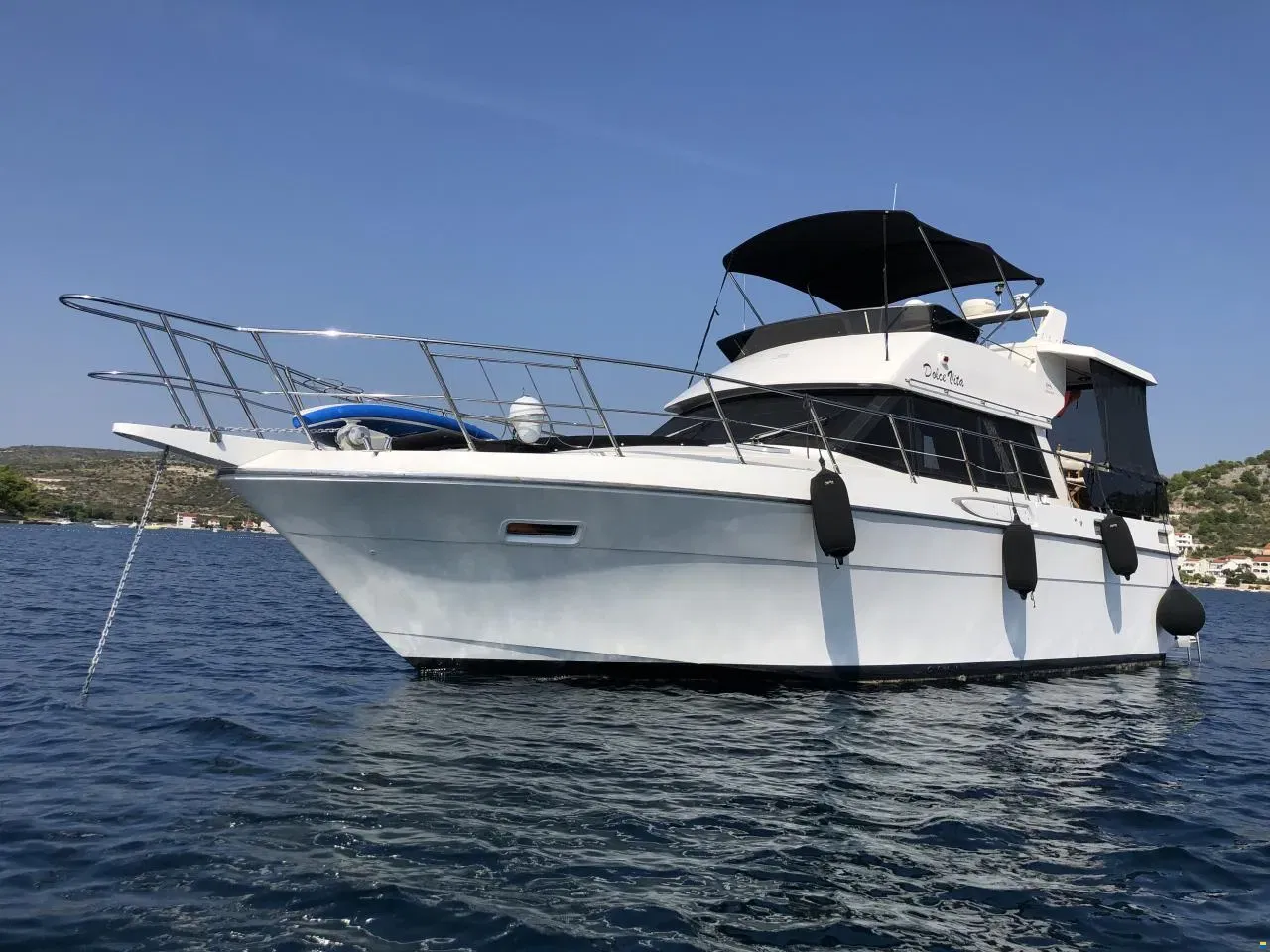
Images have been gathered from various sources and belong to their respective owners.
Review - Horizon Yaretti

MarineBroker
11/21/2023, 8:42 AM
1991 Horizon Yaretti: What Buyers and Owners Should Know Before Getting Started
If you’re looking into a 1991 Horizon Yaretti, chances are you’re already drawn to the classic styling, solid build, and comfortable cruising layout that made this yacht memorable. But like any older boat, the real question isn’t just whether it looks good on paper — it’s whether it can still deliver a dependable, enjoyable experience on the water today.
That’s where many prospective owners run into the same problem: an older yacht can seem like a great opportunity, but hidden maintenance needs, outdated systems, and unclear ownership history can quickly turn excitement into stress. The good news is that with the right approach, you can avoid the common pitfalls and make a smart, informed decision.
In this guide, we’ll break down what to look for in a 1991 Horizon Yaretti, the most common issues older yachts face, and practical steps you can take to evaluate, maintain, and enjoy one with more confidence. Whether you’re considering a purchase or already own one, this article will help you understand the boat from a real-world perspective.
- What Makes the 1991 Horizon Yaretti Worth a Look?
The 1991 Horizon Yaretti sits in that interesting category of older motor yachts that still attract attention for their character and build quality. Boats from this era often offer generous interior space, a comfortable ride, and a layout designed for longer days on the water.
For many buyers, the appeal comes down to value. A well-kept older yacht can provide a lot of boat for the money compared with newer models, especially if the hull and major systems have been maintained properly. The key is knowing what to inspect and what to budget for.
A boat like the 1991 Horizon Yaretti is often best suited to someone who appreciates:
- classic yacht design
- cruising comfort over flashy modern features
- hands-on ownership or regular maintenance planning
- a boat that may need updates but still has strong potential
That said, age matters. Even a well-built yacht from 1991 will likely need more attention than a newer vessel, especially in areas like electrical systems, plumbing, cosmetics, and engine support equipment.
- The Main Problem: Older Yacht Ownership Can Hide Costs
The biggest challenge with a boat like the 1991 Horizon Yaretti is not usually the hull itself — it’s the surrounding systems and the history behind them. Older yachts often look fine at first glance, but the real condition may only become clear after a detailed inspection.
Common surprises include:
- aging hoses and clamps
- outdated navigation electronics
- tired upholstery or interior finishes
- corroded wiring or poor electrical upgrades
- engine wear, cooling issues, or deferred service
- moisture intrusion around windows, decks, or fittings
This is why many people feel uncertain when evaluating an older boat. The fear isn’t just “Will it run?” It’s “How much will it cost to make it reliable?”
That’s the real problem to solve: understanding the true condition of the yacht before you commit, and then creating a realistic maintenance plan if you move forward.
- How to Evaluate a 1991 Horizon Yaretti the Smart Way
If you’re seriously interested in a 1991 Horizon Yaretti, start with a structured evaluation instead of relying on first impressions. A clean exterior or polished salon can be misleading if the mechanical or structural condition hasn’t been checked.
Here’s a practical approach.
- Start with the hull and structure
The hull is the foundation of the boat, so this should always come first. Look for signs of damage, previous repairs, blistering, or uneven surfaces. Check the keel, running gear, through-hulls, and transom areas carefully.
Pay special attention to:
- stress cracks around fittings
- soft spots on decks or walkways
- signs of water intrusion near windows and hatches
- mismatched paint or gelcoat that may indicate repairs
A dry, solid hull is a huge plus. If the structure is sound, many other issues are manageable.
- Inspect the engines and mechanical systems
For older yachts, the engine room tells a big part of the story. Look for leaks, corrosion, loose wiring, worn belts, and signs of poor maintenance. Ask for service records if they’re available.
Important items to review:
- engine hours
- oil condition and service history
- cooling system performance
- fuel tank condition
- shaft alignment and vibration
- generator operation, if installed
Even if the engines start easily, that doesn’t guarantee they’re in good long-term shape. A sea trial and professional mechanical inspection are worth the effort.
- Check electrical and electronic systems
Many older yachts have had partial upgrades over the years, which can create a mix of old and new systems. That’s not automatically bad, but it can become messy if the work wasn’t done properly.
Look for:
- neat, labeled wiring
- modern breaker panels
- functional battery charging systems
- updated navigation equipment
- working bilge pumps and alarms
If the wiring looks improvised, budget for repairs or a full review by a marine electrician.
- Examine the interior honestly
Interior condition often reflects how the boat was used and maintained. Cosmetic wear is normal on a 1991 yacht, but structural moisture, mold, or persistent odors are red flags.
Focus on:
- soft furnishings
- cabinet hinges and latches
- signs of leaks around windows
- flooring condition
- ventilation and airflow
A tired interior can often be refreshed, but water damage is a different story and should be taken seriously.
- Common Issues on the 1991 Horizon Yaretti
Every older yacht has its weak points, and the 1991 Horizon Yaretti is no exception. The exact condition will vary from boat to boat, but there are some common patterns to watch for.
- Aging seals and deck hardware
Sealant doesn’t last forever. Over time, portlights, hatches, rail bases, and deck fittings can allow water to seep in. This can lead to hidden damage in core materials or interior joinery.
A practical fix is to inspect and reseal problem areas before they become bigger repairs.
- Outdated plumbing components
Hoses, pumps, and tanks all age. Even if the system still works, old plumbing parts can become brittle, leak, or smell unpleasant. Waste systems are especially important to check carefully.
Useful upgrades may include:
- replacing old hoses
- installing modern pumps
- updating tank sensors
- checking freshwater pressure systems
- Electrical wear and corrosion
Marine electrical systems live in a harsh environment. Moisture and vibration can slowly damage terminals, breakers, and connections. Older boats often show evidence of multiple repairs over time, which can create reliability issues.
A clean, organized electrical system is one of the best investments you can make in an older yacht.
- Engine-room neglect
On many older boats, the engine room looks fine until you inspect closely. Corrosion, oil residue, and old sound insulation can point to years of gradual wear.
Even if the engines are still serviceable, a neglected engine room often means future maintenance will be more frequent and more expensive.
- Cosmetic fatigue
This is the most visible issue, and luckily one of the easiest to manage. Faded upholstery, worn carpet, dull varnish, and dated fixtures don’t necessarily affect seaworthiness. But they do affect comfort, resale appeal, and how much you enjoy the boat.
- Practical Solution: Build a Smart Inspection and Maintenance Plan
The best way to solve the uncertainty around a 1991 Horizon Yaretti is to treat the boat like a project with priorities. Not every issue needs to be fixed immediately, but the important ones should be identified early.
Here’s a simple framework.
- Step 1: Separate safety items from cosmetic items
Safety and reliability always come first.
Prioritize:
1. hull integrity
2. engines and steering
3. electrical safety
4. fuel system condition
5. bilge pumping and drainage
6. navigation and essential equipment
Cosmetic upgrades can wait until the boat is safe and dependable.
- Step 2: Get a survey and sea trial
A marine surveyor can spot issues that most buyers miss. A sea trial helps confirm how the boat behaves under real conditions, including acceleration, steering response, vibration, and engine temperature.
This is especially important for an older yacht because many problems only show up when the boat is under load.
- Step 3: Create a year-one budget
One of the smartest things you can do is set aside a realistic budget for the first year of ownership. Older boats nearly always need something, even if they’re well cared for.
A good year-one budget might include:
- survey and inspection costs
- mechanical servicing
- battery replacement
- hose and clamp replacement
- electronics updates
- cleaning, detailing, and minor repairs
This helps prevent the common mistake of spending everything on purchase price and leaving nothing for upkeep.
- Step 4: Keep a maintenance log
A simple logbook makes a huge difference. Track:
- oil changes
- filter replacements
- impeller service
- battery dates
- cleaning schedules
- repairs and part numbers
This is especially useful if you plan to own the boat for several seasons. It also helps with resale later.
- Step 5: Update gradually, not all at once
It’s easy to get overwhelmed by a long to-do list. Instead, focus on the systems that matter most and upgrade in phases.
A sensible order might be:
- safety and mechanical reliability
- electrical cleanup
- plumbing and sanitation
- comfort upgrades
- cosmetic improvements
This approach keeps ownership manageable and reduces stress.
- What Buyers Should Ask Before Purchasing
If you’re considering a 1991 Horizon Yaretti, asking the right questions can save you time and money. Don’t be shy about digging into the boat’s history.
Ask about:
- how long the current owner has had it
- where it was stored and how often it was used
- when the engines were last serviced
- whether major systems have been replaced or upgraded
- whether there are maintenance records
- if there have been any groundings, flooding, or major repairs
If the answers are vague, that doesn’t automatically mean the boat is bad. But it does mean you should inspect more carefully and budget more conservatively.
- Why the 1991 Horizon Yaretti Still Appeals to Enthusiasts
Despite the age, the 1991 Horizon Yaretti can still be appealing for the right buyer. Older yachts often have a certain charm that newer boats can’t fully replicate. They may feel more substantial, more spacious, or simply more personal.
For some owners, the reward is not just the boat itself but the process of bringing it into better shape. That can be satisfying if you enjoy practical projects and hands-on ownership.
This kind of boat often makes sense if you:
- want a comfortable cruiser without paying new-boat prices
- don’t mind regular maintenance
- value character and space
- are willing to inspect carefully before buying
In other words, it’s less about chasing perfection and more about finding a solid foundation.
- Tips for Current Owners of a 1991 Horizon Yaretti
If you already own one, the goal is to keep it reliable and enjoyable without letting maintenance pile up. Older yachts reward consistency.
A few habits can make a big difference:
- run the engines regularly
- flush and inspect systems after use
- keep the bilge clean and dry
- check for leaks after heavy rain or washing
- replace aging hoses before they fail
- stay ahead of corrosion with routine cleaning
It also helps to think seasonally. Before long trips or storage periods, inspect the boat top to bottom so small issues don’t become expensive surprises.
- Conclusion
A 1991 Horizon Yaretti can still be a rewarding yacht for the right buyer, but the key is approaching it with clear expectations. Older boats often hide their biggest issues in the systems you can’t see at first glance, which is why inspections, records, and a realistic maintenance plan matter so much.
If you focus on structure, mechanical condition, and safety first, the rest becomes much easier to manage. Cosmetic updates can come later. With patience and a smart approach, an older yacht like this can still offer plenty of enjoyable time on the water. If you’re exploring one now, take your time, ask detailed questions, and lean on professional advice when needed.
Specifications
General
Boat Type: Power Boats
Class Type: Flybridge
Specifications
Length: 39.04
Beam: 14.3
Draft: 3.94
Hull Material: GRP
Build
First Built: 1991
Propulsion
Fuel Type: Diesel
Engines: 1
Power: 0 HP
Brand: Caterpillar
Accomodation
Berths: 6
Cabins: 3
Bathrooms: 2
PROS & CONS
What we appreciated
 Classic and timeless design with a strong build quality.Spacious interior for its size, offering comfortable accommodations.Solid hull construction suitable for coastal cruising.Relatively easy to handle for an experienced skipper.Good resale value due to its reputation and durability.
What we didn’t appreciate
 Older model, may require significant maintenance and upgrades.Outdated electronics and navigation equipment unless refitted.Fuel efficiency is generally lower compared to modern boats.Limited storage space compared to newer designs.Potential difficulty in finding replacement parts specific to the model.
Upkeep Costs
Annual maintenance and repairs: $1,500 - $3,000
Fuel costs: $1,200 - $2,500 per season (depending on usage)
Insurance: $500 - $1,200 per year
Storage and docking fees: $1,000 - $3,000 per year
Winterization and commissioning: $300 - $700 annually
Rating
6.2
User
Score
Score
Driveability
Technology
Interior
Design
Similar Boats


MarineBroker
Download now for an immersive boat experience like never before! ⛵✨ Your journey begins with a simple click. 🌊📲
#SetSailSmart #DownloadNow
#SetSailSmart #DownloadNow

Subscribe
Copyright 2017 - 2026, Marinebroker.net, All Rights Reserved