Boat Type: Power Boats
Boat Class: Trawler
Length: 38.48 ft
Berths: 4
Cabins: 2
Bathrooms: 2
Max Persons: 10
Boat Database » Smelne Kruiser 1140
Smelne Kruiser 1140
Inboard Direct-Drive, Diesel, 1x 135 HP
Power Boats 2002 Smelne Kruiser 1140: What to Check Before You Buy and How to Keep It in Great Shape
If you’re looking at a 2002 Smelne Kruiser 1140, chances are you already appreciate what these Dutch cruisers are known for: solid build qua...
Discover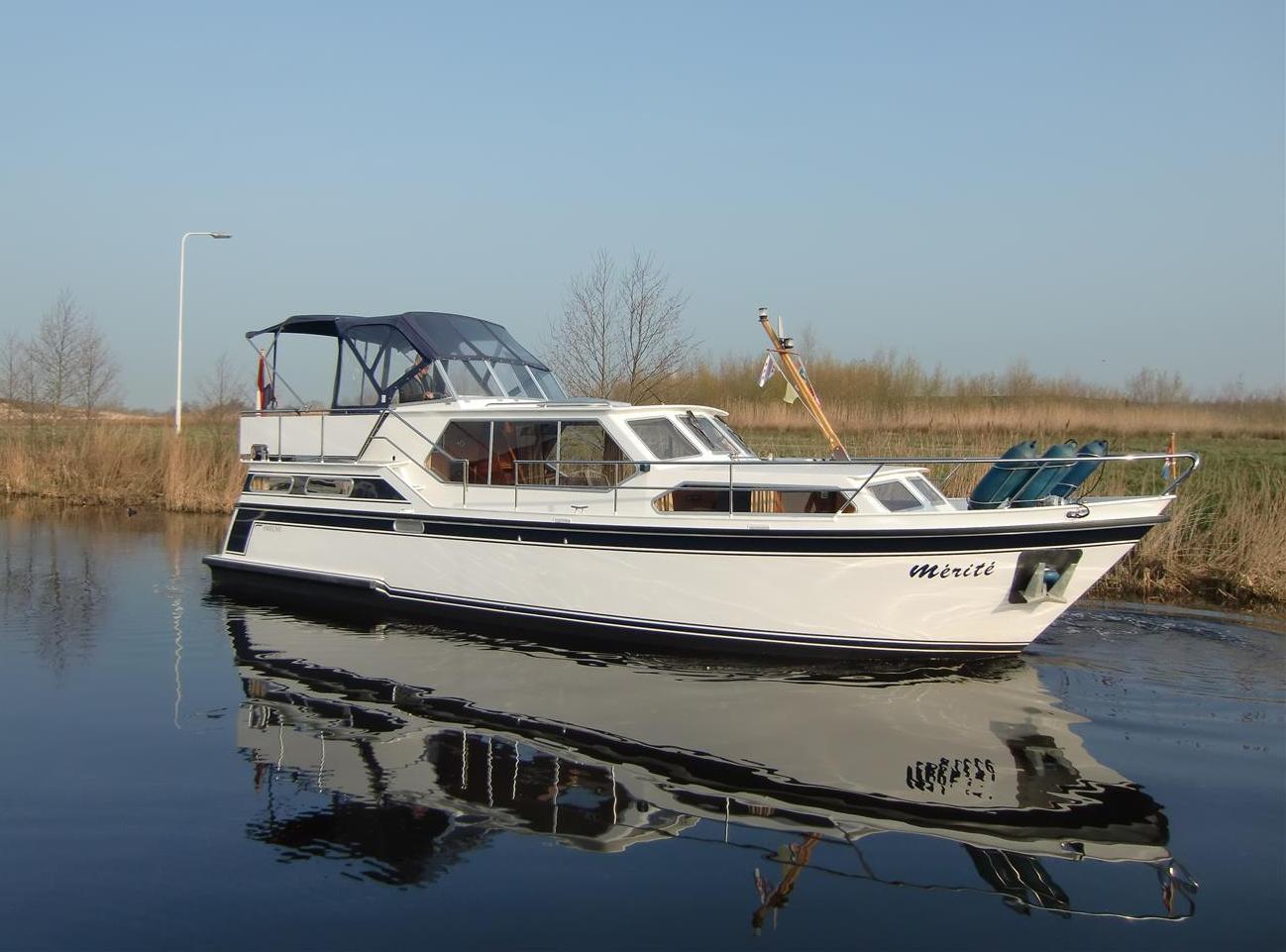
Images have been gathered from various sources and belong to their respective owners.
Review - Smelne Kruiser 1140

MarineBroker
11/25/2023, 6:54 AM
2002 Smelne Kruiser 1140: What to Check Before You Buy and How to Keep It in Great Shape
If you’re looking at a 2002 Smelne Kruiser 1140, chances are you already appreciate what these Dutch cruisers are known for: solid build quality, comfortable liveaboard potential, and a design that feels made for relaxed inland and coastal cruising. But like any older motor yacht, the real challenge isn’t just admiring the boat from the dock. It’s figuring out whether the specific vessel in front of you has been cared for properly.
That’s usually the main problem for buyers and owners alike: a well-built boat can still become expensive if hidden maintenance issues have been ignored. With a 2002 model, the age is not the issue by itself. The real question is whether the hull, engine, electrical systems, plumbing, and interior have been kept in good order over the years.
The good news? Most of the common risks are manageable if you know what to look for. In this guide, we’ll walk through the key inspection points, the most common ownership headaches, and practical ways to solve them so you can enjoy the boat with fewer surprises and more confidence.
- What Makes the 2002 Smelne Kruiser 1140 Worth a Closer Look
The 2002 Smelne Kruiser 1140 sits in a sweet spot for many boaters. It’s large enough to feel comfortable for longer trips, but still manageable compared with much bigger cruisers. That balance is a big reason people keep searching for this model.
Smelne has a reputation for building sturdy displacement cruisers with practical layouts. Owners often like the feeling of stability, the usable living space, and the generally sensible Dutch approach to design. In other words, this is not a flashy boat built to impress at high speed. It’s a boat built to be used.
For buyers, that means the 2002 Smelne Kruiser 1140 can be a smart option if you want:
- Comfortable cruising at relaxed speeds
- A strong liveaboard or extended-trip layout
- Good build quality compared with many mass-market boats
- A vessel that tends to age well when maintained properly
But “when maintained properly” is doing a lot of work here. That’s where smart inspection and upkeep matter most.
- The Main Problem: Older Cruisers Can Hide Expensive Issues
The biggest issue with any 20-plus-year-old motor cruiser is not the age itself. It’s the uncertainty.
A boat like the 2002 Smelne Kruiser 1140 may look clean on the surface while still hiding problems in the engine room, under floor panels, behind cabinetry, or in systems that were upgraded inconsistently over time. If you’re buying, that can turn a promising boat into a costly project. If you already own one, it can mean unexpected downtime and repair bills.
The most common trouble spots usually include:
- Engine and drivetrain wear
- Corrosion in electrical systems
- Water ingress around windows, hatches, or deck fittings
- Aging hoses, seals, and plumbing components
- Outdated navigation or charging equipment
- Moisture damage in interior structures
The solution is not to be scared off. It’s to inspect strategically and maintain proactively.
- Start With the Hull and Structure
The hull and superstructure are the foundation of the boat. On a well-kept cruiser, they should give you confidence. On a neglected one, they can reveal the story quickly.
Look closely for:
- Blisters or osmosis signs on fiberglass areas, if applicable
- Corrosion, rust, or pitting on steel components
- Damage around through-hulls and fittings
- Stress cracks near windows, corners, or high-load points
- Evidence of previous repairs that were not finished properly
Also pay attention to the deck and any areas where water could have entered over time. Soft spots, staining, or unusual smells can point to hidden moisture.
A practical tip: use a flashlight and take your time. Many serious issues are visible if you inspect slowly and don’t rely on a quick walkaround.
If you’re not experienced, a professional survey is absolutely worth it. For a boat in this age range, the survey often pays for itself by uncovering issues before they become your problem.
- The Engine: The Heart of the 2002 Smelne Kruiser 1140
On a cruiser like this, the engine matters more than almost anything else. Even a beautiful boat becomes frustrating if the propulsion system is unreliable.
You want to know:
- How many hours the engine has run
- Whether routine servicing was done on schedule
- If coolant, belts, filters, and impellers were replaced regularly
- Whether the engine starts cleanly from cold
- If there are signs of oil leaks, smoke, or unusual vibration
A healthy diesel should start without drama and run smoothly. Excessive smoke, hard starting, or inconsistent idle speed can indicate deeper issues.
Also check the drivetrain, prop shaft, seals, and gearbox. These are often overlooked, but they can be expensive to repair if neglected.
Useful signs of good maintenance:
- Clean but not over-polished engine room
- Clear service records
- Fresh hoses and clamps where needed
- No diesel smell stronger than normal
- Dry bilges, or at least bilges without active leaks
If the seller cannot explain recent servicing clearly, that’s a red flag.
- Electrical Systems: Small Problems Can Become Big Ones
Electrical issues are one of the most common headaches on older boats. They often start small: a flickering light, a weak battery, a charger that seems slow, or a panel with unlabeled switches. Then they turn into a frustrating chain of faults.
On the 2002 Smelne Kruiser 1140, inspect:
- Battery age and condition
- Shore power connections
- Battery charger and inverter, if fitted
- Wiring quality and labeling
- Corrosion at terminals and fuse panels
- Function of pumps, lights, gauges, and navigation electronics
Older boats often have had equipment added over the years by different hands. That can lead to messy wiring, mixed standards, and hidden weak points.
A simple way to evaluate the system is to ask:
- Are the batteries holding charge properly?
- Does shore power work safely and consistently?
- Are there any overheating signs at plugs or breakers?
- Is the wiring tidy and protected from moisture?
If you plan to cruise regularly, it may be worth upgrading to modern charging management, LED lighting, and better battery monitoring. Those changes improve reliability and reduce stress.
- Plumbing, Tanks, and Moisture Control
Water systems are another area where age shows up fast. Freshwater pumps, toilets, hoses, and tanks all wear over time, even if the boat hasn’t been used heavily.
Check for:
- Leaks under sinks and around fittings
- Pump cycling when no water is being used
- Weak water pressure
- Staining or dampness near tanks
- Odors from waste systems
- Old hoses that feel brittle or look discolored
A lot of boat owners underestimate the importance of smell. A persistent musty or sewage odor often means there’s a leak, poor ventilation, or aging plumbing components that need attention.
Moisture control is just as important. Even minor leaks around windows or deck fittings can lead to hidden damage over time. If you notice recurring dampness, it’s best to trace the source quickly rather than masking it with dehumidifiers alone.
- Interior Condition: Comfort Depends on Hidden Details
One reason people like the 2002 Smelne Kruiser 1140 is the livable interior. But interior condition is about more than upholstery and wood finish.
Look for:
- Soft flooring or flexing panels
- Water stains on headliners or cabinetry
- Delamination or swelling in wood surfaces
- Evidence of mold or poor ventilation
- Signs that hatches or windows have leaked in the past
Cabin interiors can look surprisingly good even when there’s a structural moisture issue behind them. That’s why it helps to open lockers, lift inspection panels, and check corners where water tends to collect.
If the boat smells fresh, feels dry, and has clean ventilation, that’s a very good sign. If it smells damp or closed-up, dig deeper.
For liveaboard use, ventilation matters a lot. A boat can be mechanically sound but still uncomfortable if condensation is a constant problem. Installing or improving fans, vents, and dehumidification can make a huge difference.
- What to Ask Before Buying a 2002 Smelne Kruiser 1140
If you’re in the market for one, asking the right questions can save you a lot of time and money.
Here are the most useful questions:
1. How long has the current owner had the boat?
2. How often was the engine serviced?
3. Have any major repairs or refits been done?
4. Are there maintenance records and invoices?
5. Has the boat spent most of its life in freshwater or saltwater?
6. Has it been stored indoors, outdoors, or in the water year-round?
7. Were any systems upgraded recently, such as batteries, charger, or electronics?
8. Are there known issues that have not yet been fixed?
The answers matter as much as the boat itself. A well-documented boat is usually a safer purchase than a “looks fine to me” boat with no paperwork.
- Practical Ownership Tips to Keep It Reliable
If you already own a 2002 Smelne Kruiser 1140, the best solution is steady, preventive maintenance. That approach is far cheaper and less stressful than waiting for something to fail.
A good maintenance routine includes:
- Regular engine servicing based on hours and season
- Checking bilges for leaks or unusual water
- Inspecting hoses, clamps, and seals every season
- Testing batteries and charging systems
- Cleaning electrical terminals and protecting against corrosion
- Ventilating the interior to reduce condensation
- Re-sealing deck fittings and windows when needed
It also helps to keep a simple maintenance log. Write down dates, service work, parts replaced, and any issues noticed during cruising. Over time, that log becomes one of the most valuable tools on the boat.
If you want to avoid major surprises, don’t wait for symptoms. For example:
- Replace old hoses before they split
- Service the impeller before it fails
- Fix minor leaks before they damage cabinetry
- Upgrade aging electrical components before they become unreliable
This kind of maintenance is not glamorous, but it’s exactly what keeps a cruiser enjoyable.
- When a Survey Is Non-Negotiable
Some buyers try to save money by skipping a survey. That’s usually a mistake, especially with a boat of this age and type.
A survey is especially important if:
- You don’t know the boat’s maintenance history
- The boat has been sitting unused
- You notice moisture, corrosion, or electrical issues
- The engine records are incomplete
- You’re planning significant cruising or liveaboard use
A professional survey can help identify:
- Structural concerns
- Engine and drivetrain issues
- Safety problems
- Hidden moisture damage
- Costly repairs that may affect the purchase price
Think of it as risk management. You’re not just buying a boat; you’re buying the condition of that specific boat.
- Why the 2002 Smelne Kruiser 1140 Can Still Be a Smart Choice
Despite the usual age-related concerns, the 2002 Smelne Kruiser 1140 can still be an excellent choice for the right owner. The key is understanding that value comes from condition, not just model name.
When maintained well, these boats can offer:
- Comfortable cruising
- Solid onboard living space
- A dependable feel on the water
- Good long-term usability
- A practical balance between size and manageability
That’s why many experienced boaters keep coming back to well-built older cruisers. They often provide more substance than newer boats with lighter construction or less thoughtful layouts.
The trick is to buy with your eyes open and maintain with consistency.
- Conclusion
The 2002 Smelne Kruiser 1140 can be a rewarding boat for buyers and owners who value comfort, practical design, and dependable cruising. The main challenge is not the model itself, but the condition of the individual boat in front of you. By checking the hull, engine, electrical systems, plumbing, and interior carefully, you can avoid most of the common surprises that come with older cruisers.
A thorough survey, clear maintenance records, and steady preventive care are the best solutions. If you approach the boat with patience and attention to detail, you’ll be in a much better position to enjoy what this cruiser does best: relaxed, confident time on the water. If you’re still researching, it’s worth comparing maintenance histories and layout details before making your next move.
Specifications
General
Boat Type: Power Boats
Class Type: Trawler
Specifications
Length: 38.48
Beam: 11.98
Draft: 3.77
Hull Material: Steel
Build
First Built: 2002
Propulsion
Fuel Type: Diesel
Engines: 1
Power: 135 HP
Brand: Perkins
Accomodation
Berths: 4
Cabins: 2
Bathrooms: 2
PROS & CONS
What we appreciated
 Solid build quality with a sturdy hull designSpacious cabin with comfortable living quartersGood engine performance for its size and ageWell-suited for coastal cruising and weekend tripsClassic design with timeless appeal
What we didn’t appreciate
 Older model may require more maintenance and repairsLimited modern electronics and onboard technologyFuel efficiency may be lower compared to newer boatsStorage space can be somewhat limitedPotential difficulty finding replacement parts due to age
Upkeep Costs
Fuel: Approximately $1,200 - $2,500 per year depending on usage
Maintenance and Repairs: $1,000 - $3,000 per year
Docking/Marina Fees: $1,200 - $4,000 per year depending on location
Insurance: $400 - $1,000 per year
Winter Storage and Commissioning: $500 - $1,500 per year
Rating
6.5
User
Score
Score
Driveability
Technology
Interior
Design
Similar Boats


MarineBroker
Download now for an immersive boat experience like never before! ⛵✨ Your journey begins with a simple click. 🌊📲
#SetSailSmart #DownloadNow
#SetSailSmart #DownloadNow

Subscribe
Copyright 2017 - 2026, Marinebroker.net, All Rights Reserved