Boat Type: Power Boats
Boat Class: Trawler
Length: 23.43 ft
Berths: 2
Cabins: 1
Bathrooms: 1
Max Persons: 8
Boat Database » Beneteau Barracuda 7
Beneteau Barracuda 7
Outboard four-stroke, Unleaded, 1x 206 HP
Power Boats 2013 Beneteau Barracuda 7: What to Know Before You Buy, Inspect, or Upgrade
If you’re researching the 2013 Beneteau Barracuda 7, chances are you’re trying to answer a pretty common question: *is this the right boat for the way I ...
Discover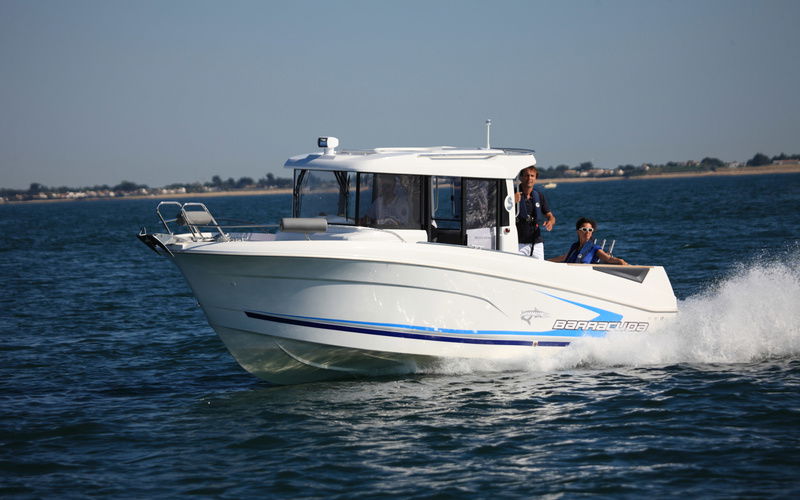
Images have been gathered from various sources and belong to their respective owners.
Review
2013 Beneteau Barracuda 7: What to Know Before You Buy, Inspect, or Upgrade
If you’re researching the 2013 Beneteau Barracuda 7, chances are you’re trying to answer a pretty common question: *is this the right boat for the way I actually use the water?* That’s a smart place to start. The Barracuda 7 has a strong reputation as a versatile sport-fishing and family day boat, but like any used boat, the real story is in the details.
A boat can look great in photos and still hide expensive surprises. Maybe you’re worried about maintenance costs, unsure whether the layout fits your fishing style, or trying to figure out if the cabin is practical enough for weekends aboard. Those are the kinds of questions that matter more than glossy listings or specs alone.
The good news is that the 2013 Beneteau Barracuda 7 can be a very capable boat when you know what to check and how to set it up for your needs. In this article, we’ll walk through the common pain points buyers and owners run into, what makes this model appealing, and how to evaluate it with confidence before making a move.
- What Makes the 2013 Beneteau Barracuda 7 Stand Out
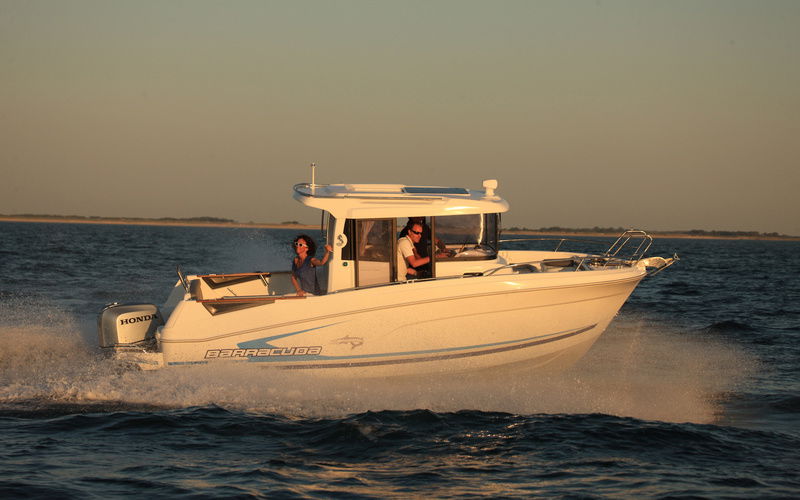
The Barracuda 7 sits in a sweet spot for boaters who want something compact, trailerable in many setups, and versatile enough for fishing, cruising, and short overnight trips. It’s not a giant offshore battlewagon, and that’s part of the appeal.
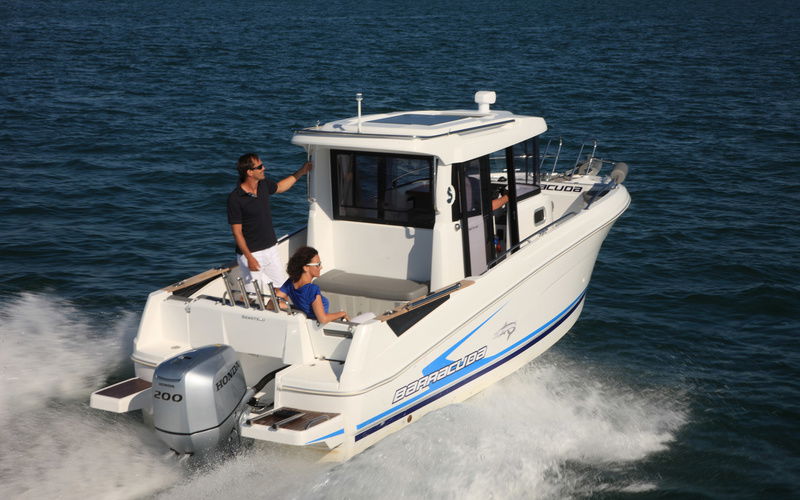
For many owners, the value comes from its practical layout and enclosed wheelhouse. That means more protection from wind, spray, and cold weather than you’d get from an open center console. It also makes the boat more usable in shoulder seasons, especially if you boat in places where the weather changes fast.
A few reasons this model gets attention:
- Enclosed helm for better weather protection
- Efficient size for trailering and storage
- Practical fishing layout with usable deck space
- Cabin space that adds comfort for family use
- Balanced design for inshore and nearshore waters
The challenge, of course, is that buyers sometimes focus too much on the brand and not enough on the condition of the specific boat. With a used 2013 Beneteau Barracuda 7, the best purchase is usually the one that has been maintained properly, not just the one with the cleanest listing photos.
- The Main Problem Buyers Face: Is the Boat Right for Your Use Case?
The biggest issue people run into with the 2013 Beneteau Barracuda 7 is expectation mismatch. In other words, the boat may be excellent at what it was designed to do, but not ideal for what the buyer actually wants.
For example, a buyer looking for a pure offshore fishing machine may find the Barracuda 7 a little compact for rough-water comfort. On the other hand, someone wanting a family-friendly fishing boat with shelter and manageable operating costs may find it nearly perfect.
This is why the first step is not “Should I buy this boat?” but “What kind of boating do I really do?”
Ask yourself:
- Do I fish mostly inshore, bays, lakes, or nearshore waters?
- Do I want a boat I can trailer easily?
- Will I use it mostly solo, with a partner, or with family?
- Do I need sleeping space, a toilet, or just basic cabin shelter?
- How important is fuel economy and maintenance simplicity?
The solution is to match the boat’s strengths to your actual routine. The Barracuda 7 tends to work best for owners who want a multi-purpose boat with weather protection, good handling, and enough fishing functionality without moving into a much larger, more expensive platform.
- 2013 Beneteau Barracuda 7: Who It’s Best For
This model tends to make the most sense for a few types of boaters.
- Weekend anglers who want a compact, capable fishing boat
- Couples or small families who appreciate a cabin
- Boat owners who value trailering and easier storage
- Buyers who want a more enclosed design than an open sport boat
- People upgrading from a smaller center console or runabout
If that sounds like you, the Barracuda 7 may be a strong fit. If you regularly run long offshore trips with multiple anglers and lots of gear, you may want to step up to a larger platform.
One of the biggest advantages here is flexibility. The boat can be set up for fishing one day and casual cruising the next. That versatility is often what makes older Beneteau models attractive on the used market.
- What to Inspect on a Used 2013 Beneteau Barracuda 7
When buying any used boat, condition matters more than age. A well-kept 2013 model can be a better buy than a neglected newer one.
Here’s where to focus your inspection.
- Hull and deck
Look for stress cracks, repairs, soft spots, and signs of impact. Pay attention around through-hulls, cleats, and hardware mounts.
- Outboard engine
If the boat has a single outboard, review service records carefully. Ask about hours, oil changes, impeller replacement, and any signs of corrosion.
- Electrical system
Check batteries, wiring, lights, pumps, and electronics. Marine electrical issues can become expensive fast if they’ve been patched poorly.
- Cabin and interior
Look for water intrusion, mildew smell, damaged cushions, and soft flooring. A dry cabin is a big plus on a boat like this.
- Hardware and fittings
Inspect rails, hatches, hinges, and latches. Small hardware problems often point to broader maintenance habits.
- Steering and controls
Make sure throttle response is smooth and steering feels normal. Any stiffness or delay should be investigated.
- Trailer, if included
A lot of buyers overlook this, but trailer condition can make or break the ownership experience. Check tires, brakes, bearings, lights, and frame corrosion.
A marine survey is a smart move if you’re serious about purchasing. It may feel like an extra cost, but it can uncover issues that save you far more than the survey fee.
- Common Ownership Pain Points and How to Solve Them
Even a well-designed boat has quirks. The key is knowing the common pain points before they become frustration.
- Limited space
The Barracuda 7 is compact, so storage organization matters. Use soft bags, tackle drawers, and vertical storage to keep the deck clear.
- Cabin condensation
Enclosed boats can trap moisture. Crack hatches when practical, use ventilation, and keep moisture absorbers onboard.
- Fishing clutter
A small deck can get messy fast. Plan gear storage by trip type so you’re not carrying every rod, lure, and tool every time.
- Maintenance creep
Small jobs become big jobs if ignored. Keep a simple log of engine service, battery checks, and cleaning tasks.
- Fuel and performance balance
If the boat feels underpowered or overloaded, evaluate engine setup, prop selection, and weight distribution before assuming the hull is the problem.
The practical solution is to treat the boat like a system. A compact boat performs best when it’s organized, maintained, and used within its design range.
- Why the 2013 Beneteau Barracuda 7 Appeals to Real-World Boaters
A lot of boats look good on paper, but the Barracuda 7 has appeal because it solves everyday boating problems.
For one, the enclosed helm offers comfort that many small fishing boats lack. That matters when you’re dealing with rain, wind, cold mornings, or spray.
Second, the boat is generally easier to manage than a larger offshore rig. Docking, trailering, launching, and cleaning are all less intimidating for many owners.
Third, it gives you enough versatility to avoid the “one-trick boat” problem. If your boating life includes fishing, family cruising, and occasional overnight shelter, the layout can make sense without forcing you into a much bigger vessel.
That’s the real value proposition: not maximum size or maximum speed, but practical usability.
- How to Set Up the Boat for Better Performance and Comfort
If you already own a 2013 Beneteau Barracuda 7, or you’re thinking about buying one, the right setup can make a big difference.
- Keep weight balanced
Store heavier items low and centered. Avoid piling unnecessary gear in one corner or the bow.
- Choose the right electronics
A good chartplotter, fishfinder, and VHF radio improve safety and usability more than flashy upgrades.
- Add weather protection
If your boat doesn’t already have the right canvas or enclosure setup, consider how much weather you actually face. Protection can extend your season.
- Upgrade storage
Rod holders, tackle storage, and dry bins help the boat feel bigger and more functional.
- Maintain the engine properly
Follow the service schedule closely. On a used boat, reliability usually comes from routine care, not luck.
- Improve lighting
Better cabin and deck lighting make early starts and late returns much easier.
The best upgrades are the ones that solve real problems. On a boat like this, that usually means comfort, organization, and reliability before cosmetic changes.
- What to Ask the Seller Before You Buy
If you’re shopping for a used 2013 Beneteau Barracuda 7, ask direct questions. Good sellers usually have straightforward answers.
Try these:
1. How many engine hours are on the boat?
2. What service has been done in the last 12 months?
3. Has the boat ever had water intrusion?
4. Are all electronics original or replaced?
5. Has it been stored inside or outside?
6. Is there a full maintenance history?
7. Has it been used mostly in saltwater or freshwater?
8. Are there any known issues with the engine, electrics, or hull?
You’re not just collecting facts. You’re also learning how the boat has been treated. A careful owner usually keeps records, notices problems early, and can explain the boat’s history clearly.
- Is the 2013 Beneteau Barracuda 7 a Good Value on the Used Market?
Value depends on condition, engine hours, equipment, and location. But in general, the Barracuda 7 can be a solid value because it offers a useful mix of features without pushing into larger-boat operating costs.
Used buyers often like boats in this category because they avoid the steep depreciation of new boats while still getting a modern layout. That said, value only holds if the boat has been cared for properly.
A “cheap” boat can become expensive quickly if it needs:
- Engine work
- Upholstery replacement
- Electrical repairs
- Trailer repairs
- Water damage remediation
So the better question is not whether the boat is cheap, but whether the total ownership cost makes sense for your budget and boating style.
- Practical Buying Tip: Focus on Total Ownership, Not Just Purchase Price
This is where many buyers go wrong. They compare asking prices and stop there.
A smarter approach is to estimate the full first-year cost:
- Purchase price
- Survey and inspection
- Registration and insurance
- Trailer service, if applicable
- Initial maintenance
- Electronics or safety gear upgrades
- Storage or mooring costs
That gives you a much clearer picture of whether the 2013 Beneteau Barracuda 7 is truly affordable.
If a slightly more expensive boat has better records, lower engine hours, and fewer needed repairs, it may actually be the better deal.
- How to Make the Most of This Boat After Purchase
Once you own the boat, the goal is to keep it fun and low-stress. The easiest way to do that is to establish a routine.
A simple ownership checklist:
- Rinse and clean after each trip
- Check fuel, oil, and battery status regularly
- Inspect the hull and fittings monthly
- Run the engine properly, not just briefly
- Keep safety gear current and accessible
- Log maintenance and repairs
This kind of routine protects your investment and reduces surprise breakdowns. It also makes the boat easier to sell later if you decide to move on.
- Conclusion
The 2013 Beneteau Barracuda 7 is a compelling option for boaters who want a versatile, weather-friendly platform for fishing and casual cruising. Its strengths are practical rather than flashy: enclosed comfort, manageable size, and flexible use. But like any used boat, the best outcome comes from careful inspection, realistic expectations, and smart ownership habits.
If you’re considering one, focus on how well it fits your real boating needs, not just the badge or the listing price. A thorough survey, honest seller communication, and a good maintenance plan can go a long way toward making this boat a satisfying choice. For buyers who want a capable all-rounder, it’s worth taking a close look and learning more before making the final decision.
Specifications
General
Boat Type: Power Boats
Class Type: Trawler
Specifications
Length: 23.43
Beam: 8.79
Draft: 1.64
Hull Material: GRP
Build
First Built: 2013
Propulsion
Fuel Type: Unleaded
Engines: 1
Power: 206 HP
Brand: Unknown
Accomodation
Berths: 2
Cabins: 1
Bathrooms: 1
PROS & CONS
What we appreciated
 Versatile design suitable for fishing and family outingsCompact size offering easy maneuverability and dockingEfficient and fuel-saving hull designAmple storage compartments for gear and equipmentComfortable seating with good protection from elements
What we didn’t appreciate
 Limited cabin space compared to larger modelsSmaller engine options may limit speed and powerBasic electronics and instrumentation in older modelsLess suitable for rough sea conditionsLimited resale market compared to more popular brands
Upkeep Costs
Annual insurance: $500 - $1,000
Fuel: $1,000 - $3,000 per season (depending on usage)
Maintenance and repairs: $1,000 - $2,000 per year
Winter storage and/or cover: $500 - $1,000
Registration and licensing: $100 - $300 per year
Rating
0
User
Score
Score
Driveability
Technology
Interior
Design
Similar Boats


MarineBroker
Download now for an immersive boat experience like never before! ⛵✨ Your journey begins with a simple click. 🌊📲
#SetSailSmart #DownloadNow
#SetSailSmart #DownloadNow

Subscribe
Copyright 2017 - 2026, Marinebroker.net, All Rights Reserved