Boat Type: Power Boats
Boat Class: Mega Yacht
Length: 78.08 ft
Berths: 6
Cabins: 4
Bathrooms: 5
Max Persons: 8
Boat Database » Sanlorenzo Quarantena
Sanlorenzo Quarantena
Inboard Direct-Drive, Diesel, 2x 900 HP
Power Boats 2019 Sanlorenzo Quarantena: What Buyers Should Know Before Making a Move
If you’ve been searching for a 2019 Sanlorenzo Quarantena, you’re probably already familiar with the appeal: Italian design, refined craftsmanship, and that...
Discover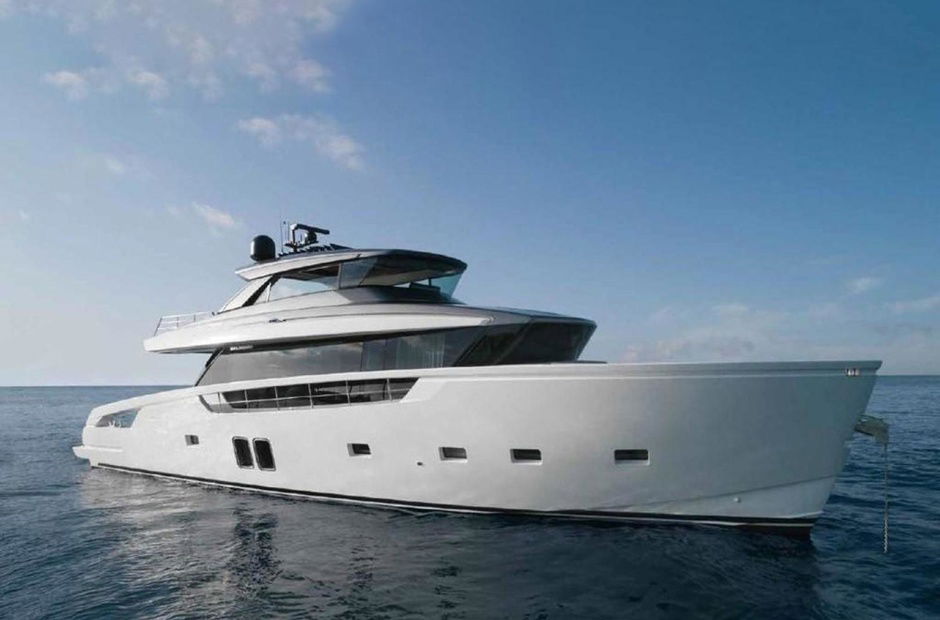
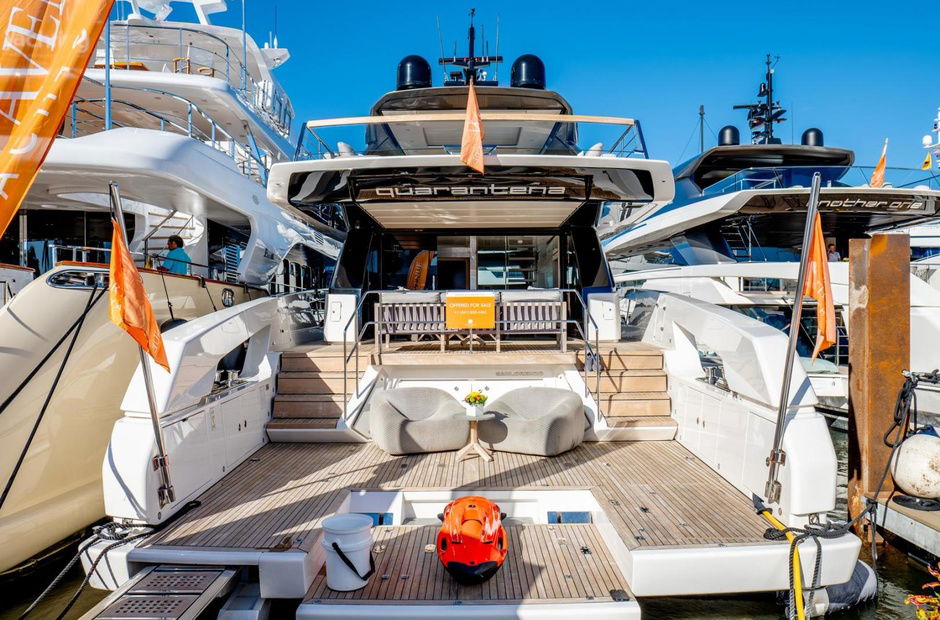

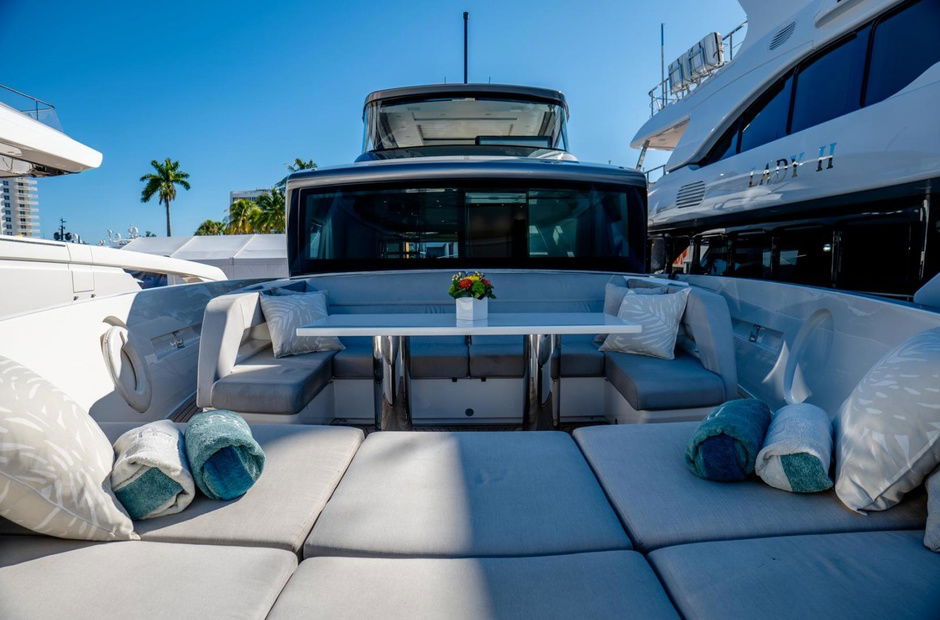
Images have been gathered from various sources and belong to their respective owners.
Review - Sanlorenzo Quarantena

MarineBroker
12/28/2023, 9:29 AM
2019 Sanlorenzo Quarantena: What Buyers Should Know Before Making a Move
If you’ve been searching for a 2019 Sanlorenzo Quarantena, you’re probably already familiar with the appeal: Italian design, refined craftsmanship, and that unmistakable yacht presence that turns heads in any marina. But once the excitement settles, a more practical question usually comes up: how do you know whether this yacht is the right fit for your cruising style, budget, and long-term ownership plans?
That’s the real challenge for many prospective buyers. A yacht like the 2019 Sanlorenzo Quarantena isn’t just a beautiful object; it’s a serious investment that needs to match how you actually plan to use it. Some buyers focus too much on aesthetics and overlook operating costs, layout suitability, maintenance history, or resale value. Others get stuck comparing specs without understanding what those numbers mean in real life.
The good news is that you can approach the decision with a lot more confidence by focusing on a few practical areas: condition, performance, onboard comfort, upkeep, and survey results. In this guide, we’ll break down what matters most so you can evaluate a 2019 Sanlorenzo Quarantena with a clear head and a smarter plan.
- What Makes the 2019 Sanlorenzo Quarantena Stand Out
Sanlorenzo has built a strong reputation for creating yachts that blend elegance with thoughtful engineering. The 2019 Sanlorenzo Quarantena fits that profile well, offering a balance of luxury, seaworthiness, and modern interior design that appeals to owners who want more than just a floating showpiece.
One of the biggest draws is the brand’s attention to customization. Sanlorenzo yachts are known for layouts and finishes that feel tailored rather than generic. That matters because many buyers want a yacht that feels personal, not mass-produced.
From an ownership perspective, this model year also sits in a sweet spot. It’s new enough to include modern systems and contemporary styling, but not so new that you’re paying the premium associated with factory-fresh builds. For many buyers, that makes the 2019 version attractive if it has been well maintained.
- The Main Problem Buyers Face
The biggest issue for people interested in a 2019 Sanlorenzo Quarantena is not finding one to admire. It’s figuring out whether the specific yacht in front of them has been cared for properly and whether it truly fits their needs.
That’s because two yachts of the same model year can feel completely different depending on how they were used.
For example:
- A lightly used private yacht may have better cosmetic condition but still need updates to electronics or soft goods.
- A charter-used yacht may show more wear but could have a detailed service history and professionally maintained systems.
- A yacht with a great interior may still have hidden mechanical issues if maintenance was delayed.
This is why smart buyers don’t just ask, “Is it a Sanlorenzo?” They ask, “What is this particular yacht’s story?”
- How to Evaluate a 2019 Sanlorenzo Quarantena the Right Way
If you want to make a confident decision, start by looking beyond the listing photos. A polished exterior can hide a lot, and a clean interior doesn’t always mean the yacht is mechanically sound.
Focus on these key areas:
- Maintenance records
- Engine hours
- Service intervals
- Ownership history
- Usage type
- Survey results
- Refits or upgrades
A well-documented boat is usually easier to trust. Even better, clear records help you estimate what you’ll spend after purchase rather than discovering surprises later.
- Why Maintenance History Matters So Much
Maintenance history is one of the most important indicators of future reliability. On a yacht like the 2019 Sanlorenzo Quarantena, systems are sophisticated enough that skipping routine service can create expensive problems later.
Look for evidence of:
- Regular engine and generator servicing
- HVAC maintenance
- Hull and bottom inspections
- Stabilizer servicing, if equipped
- Battery replacement schedules
- Electronics updates
- Annual winterization or lay-up procedures
If records are incomplete, that doesn’t automatically mean the yacht is a bad buy. But it does mean you need a stronger survey and a more conservative budget.
A simple rule: the more complex the yacht, the more valuable documentation becomes.
- Understanding Engine Hours and Usage
Engine hours can tell you a lot, but only if you interpret them correctly. A yacht with moderate hours and excellent maintenance can be a better choice than one with low hours and poor care.
When reviewing a 2019 Sanlorenzo Quarantena, ask:
- Were the engines used mostly for long cruises or short hops?
- Has the yacht been idle for long periods?
- Were service intervals followed by the book?
- Were the engines run regularly and properly warmed up?
Short, frequent trips can be harder on mechanical systems than longer, steady runs. That’s because engines and generators prefer consistent operating cycles.
So instead of focusing only on the number, think about how the yacht was used.
- Layout and Comfort: Match the Yacht to Your Lifestyle
A lot of buyers fall in love with a yacht’s appearance before thinking through daily use. That can be a mistake.
The 2019 Sanlorenzo Quarantena should be evaluated based on how you plan to cruise:
- Weekend trips with family
- Extended coastal cruising
- Entertaining guests
- Private owner use
- Occasional chartering
Ask yourself:
- Does the cabin arrangement work for your group?
- Is the main salon comfortable for the way you entertain?
- Are outdoor areas practical for your routine?
- Is the galley positioned in a way that supports onboard life?
- Do crew spaces fit your expectations, if relevant?
Comfort is not just about luxury. It’s about whether the yacht makes life easier on the water.
For example, a couple planning relaxed Mediterranean cruising may prioritize open social spaces and a calm master suite. A buyer with children or frequent guests may care more about flexible cabins and easy movement around the deck.
- What to Check During a Survey
A professional survey is non-negotiable. Even if the yacht looks perfect, a survey can reveal issues you won’t spot during a short viewing.
For a 2019 Sanlorenzo Quarantena, a good survey should cover:
- Hull and structural condition
- Engine and propulsion systems
- Electrical systems
- Plumbing and freshwater systems
- Navigation electronics
- Safety equipment
- Moisture readings
- Signs of collision or repair
- Condition of seals, hoses, and fittings
If possible, do a sea trial as well. That gives you a chance to see how the yacht behaves underway, not just at the dock.
During the sea trial, pay attention to:
- Acceleration and throttle response
- Steering feel
- Noise and vibration levels
- Stabilization performance
- Temperature readings
- Alarm systems
- Docking behavior
A yacht can look immaculate at rest and still show warning signs underway. That’s why this step matters so much.
- Common Hidden Costs Buyers Should Plan For
One of the most useful things you can do is build a realistic ownership budget before you buy. Many first-time buyers underestimate the ongoing costs of a luxury yacht.
Beyond the purchase price, expect to consider:
- Insurance
- Dockage or marina fees
- Crew, if needed
- Annual maintenance
- Fuel
- Bottom cleaning and antifouling
- Winter storage or haul-out
- Cosmetic refreshes
- Upgrades to electronics or soft furnishings
With a yacht like the 2019 Sanlorenzo Quarantena, the goal is not just to buy well. It’s to own well.
A practical approach is to set aside a reserve fund for unexpected repairs. Even well-maintained yachts can need sudden attention, especially if they’re used regularly.
- How to Spot a Smart Buy Versus an Expensive Project
Two yachts can have similar asking prices but very different total costs. One may be turnkey, while the other needs a series of upgrades that quickly add up.
A smart buy usually has:
- Strong maintenance records
- Clean survey results
- Reasonable engine hours
- Recent servicing
- Updated systems where it counts
- Minimal signs of neglect
An expensive project often shows:
- Incomplete records
- Worn soft goods
- Outdated navigation electronics
- Deferred engine service
- Cosmetic issues that hint at broader neglect
- Evidence of quick turnover between owners
If the yacht needs work, that’s not necessarily a dealbreaker. But you should know exactly what the work is before you commit.
- The Role of Refits and Upgrades
Refits can add a lot of value if they were done thoughtfully. On a 2019 Sanlorenzo Quarantena, recent upgrades may improve usability, safety, and long-term enjoyment.
Useful upgrades might include:
- Modern navigation displays
- Improved audio-visual systems
- New upholstery or soft furnishings
- Updated lighting
- Battery or charging system improvements
- Better onboard connectivity
- Enhanced safety gear
That said, not every upgrade adds value. Some cosmetic changes are purely personal and may not influence resale much.
The best upgrades are the ones that improve reliability, comfort, or ease of use.
- Why Resale Value Should Be Part of the Decision
Even if you plan to keep the yacht for years, resale value still matters. Market demand can shift, and a yacht that is easy to resell gives you more flexibility later.
Sanlorenzo generally enjoys strong brand recognition, which helps. But resale value also depends on:
- Condition
- Model popularity
- Service history
- Layout desirability
- Finish quality
- Equipment package
- Market timing
A well-kept 2019 Sanlorenzo Quarantena with good records and tasteful updates is usually easier to move later than a neglected one with obvious issues.
If you’re trying to protect value, avoid over-personalizing the yacht with changes that limit appeal to future buyers.
- Practical Buying Tips for First-Time Yacht Shoppers
If this is your first time evaluating a yacht in this class, keep things simple and structured.
Here’s a practical checklist:
1. Review the listing carefully and note what’s missing.
2. Ask for full maintenance and ownership records.
3. Confirm engine hours and service dates.
4. Arrange a professional survey.
5. Do a sea trial.
6. Estimate annual ownership costs.
7. Compare the yacht to similar listings.
8. Think about how you’ll actually use it.
It also helps to bring in professionals early:
- A yacht broker
- A marine surveyor
- A marine engineer
- A captain or experienced owner, if available
Their job is to help you avoid emotional decisions. That’s especially useful when the yacht is as visually appealing as a Sanlorenzo.
- How the 2019 Sanlorenzo Quarantena Fits Different Buyer Profiles
This yacht may appeal to several different types of owners, but the best fit depends on expectations.
For private family cruising:
- Look for easy layout flow
- Prioritize comfort and safety
- Make sure storage is sufficient
- Check noise levels and stabilization
For entertaining:
- Focus on deck spaces and salon layout
- Check galley functionality
- Evaluate seating and social zones
- Consider lighting and ambiance
For long-range cruising:
- Review fuel efficiency and tankage
- Check storage for provisions
- Confirm mechanical reliability
- Evaluate crew and service access
For occasional charter use:
- Look at durability and ease of cleaning
- Confirm compliance and safety equipment
- Assess guest-friendly cabin arrangements
- Make sure systems are simple to operate
The point is to match the yacht to your real-life plans, not just your wishlist.
- Final Thoughts Before You Buy
The 2019 Sanlorenzo Quarantena can be a very appealing yacht for buyers who value style, craftsmanship, and a refined onboard experience. But the best purchase is not the one that looks the flashiest on paper. It’s the one that fits your lifestyle, has a solid maintenance history, and passes a proper survey without surprises.
If you take your time, ask the right questions, and budget realistically, you’ll be in a much stronger position. That’s how you turn a dream yacht into a smart ownership decision.
- Conclusion
Buying a yacht is always a mix of excitement and due diligence, and that’s especially true with a 2019 Sanlorenzo Quarantena. The key is to look past the surface and focus on the details that shape long-term enjoyment: maintenance, usage history, survey findings, layout fit, and ownership costs. When those pieces line up, you’re not just buying a beautiful yacht—you’re buying confidence.
If you’re still comparing options, take your time and gather as much information as possible. A careful review now can save a lot of money and stress later. For anyone serious about this model, the smartest next step is to study comparable listings, request full records, and work with trusted marine professionals before making a decision.
Specifications
General
Boat Type: Power Boats
Class Type: Mega Yacht
Specifications
Length: 78.08
Beam: 21.65
Draft: 5.58
Hull Material: GRP
Build
First Built: 2019
Propulsion
Fuel Type: Diesel
Engines: 2
Power: 900 HP
Brand: Volvo Penta
Accomodation
Berths: 6
Cabins: 4
Bathrooms: 5
PROS & CONS
What we appreciated
 Luxurious and spacious interior design with high-quality materialsPowerful twin-engine setup providing strong performance and speedAdvanced navigation and onboard technology systemsGenerous deck space with multiple lounging areasExcellent build quality and Italian craftsmanship
What we didn’t appreciate
 High maintenance and operating costs typical for luxury yachtsLimited availability of parts and service centers in some regionsRelatively large size may limit access to smaller marinasFuel consumption can be high due to powerful enginesInitial purchase price is quite expensive compared to similar-sized boats
Upkeep Costs
Fuel: Approximately $150,000 - $200,000 per year depending on usage
Maintenance and Repairs: Around $100,000 - $150,000 annually
Crew Salaries: $300,000 - $500,000 per year for a professional crew
Insurance: $50,000 - $100,000 per year
Docking and Mooring Fees: $30,000 - $60,000 annually depending on location

Rating
8.7
User
Score
Score
Driveability
Technology
Interior
Design
Similar Boats


MarineBroker
Download now for an immersive boat experience like never before! ⛵✨ Your journey begins with a simple click. 🌊📲
#SetSailSmart #DownloadNow
#SetSailSmart #DownloadNow

Subscribe
Copyright 2017 - 2026, Marinebroker.net, All Rights Reserved