Boat Database » Abeking & Rasmussen Nurja
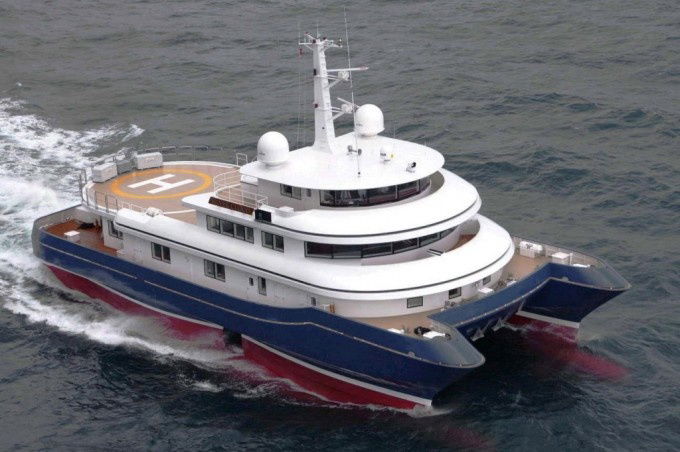
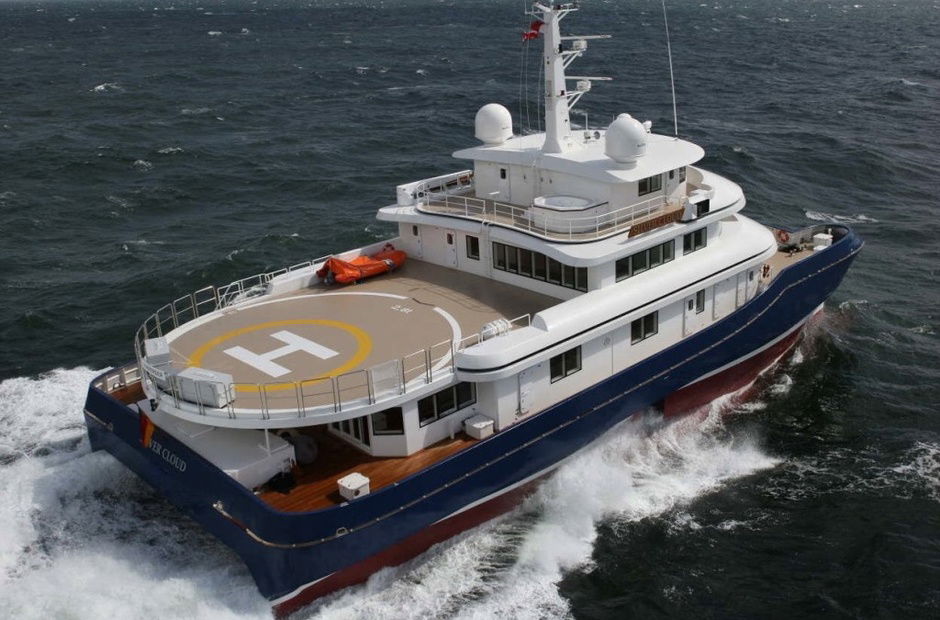
Abeking & Rasmussen Nurja
Inboard Direct-Drive, Diesel, 2x 1100 HP
Power Boats 2008 Abeking & Rasmussen Nurja: What Owners and Buyers Should Know Before Stepping Aboard
If you’ve been searching for information on the 2008 Abeking & Rasmussen Nurja, chances are you’re not just looking at a yacht spec sheet—y...
Discover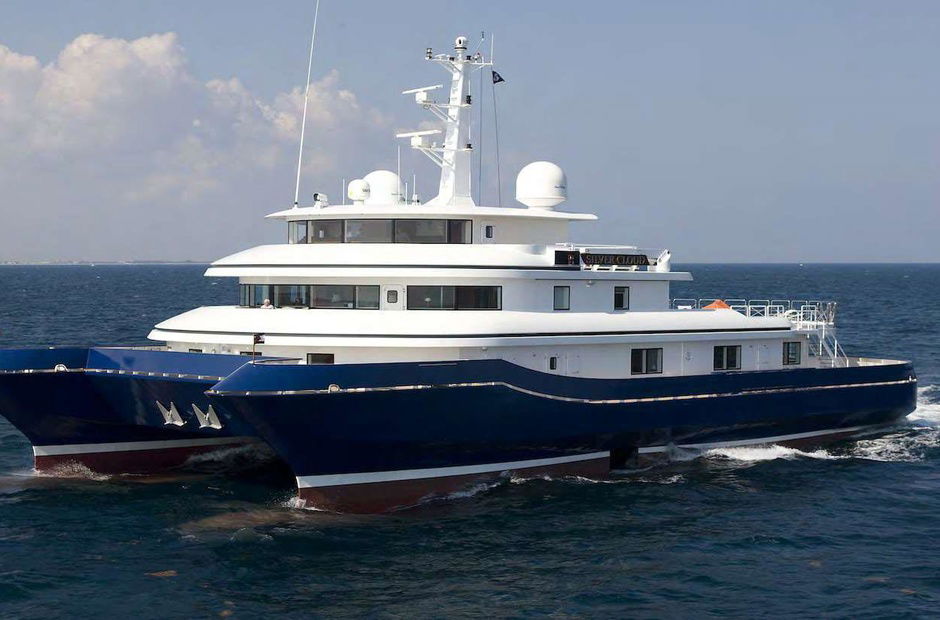

Images have been gathered from various sources and belong to their respective owners.
Review - Abeking & Rasmussen Nurja

MarineBroker
01/18/2024, 12:36 PM
2008 Abeking & Rasmussen Nurja: What Owners and Buyers Should Know Before Stepping Aboard
If you’ve been searching for information on the 2008 Abeking & Rasmussen Nurja, chances are you’re not just looking at a yacht spec sheet—you’re trying to figure out whether this vessel is truly the right fit for your needs. Maybe you’re comparing classic German craftsmanship against newer superyachts, or maybe you’re trying to understand what makes this yacht stand out in a market full of big names and bigger promises.
That’s a very normal problem in the yacht world. A vessel like the 2008 Abeking & Rasmussen Nurja can look impressive on paper, but the real question is much more practical: how well does it perform, what kind of ownership experience does it offer, and what should you pay attention to before making a decision? For buyers, charterers, and enthusiasts alike, the challenge is separating the glamour from the reality.
The good news is that with the right approach, you can evaluate Nurja in a smart, confident way. In this article, we’ll break down the yacht’s appeal, common considerations, and the most useful steps for assessing whether she fits your expectations.
- Why the 2008 Abeking & Rasmussen Nurja stands out
Abeking & Rasmussen has long been associated with precision yacht building, custom engineering, and refined finishes. That reputation matters because yachts from this shipyard are often built with a level of detail that appeals to experienced owners who value quality over flash.
The 2008 Abeking & Rasmussen Nurja reflects that tradition. For many people interested in this yacht, the appeal is not only its size or design, but the overall sense of craftsmanship. These are the kinds of yachts that tend to attract attention from buyers who care about long-term value, seaworthiness, and a more sophisticated onboard experience.
What makes a yacht like Nurja interesting is that it sits in a category where expectations are high. Buyers typically want:
- Strong build quality
- Comfortable cruising capability
- Elegant interior and exterior design
- Reliable systems and engineering
- A layout that works for real use, not just appearances
That’s where Abeking & Rasmussen often shines. Instead of chasing trends, the shipyard is known for creating yachts that feel balanced, capable, and thoughtfully executed.
- The real problem: how to evaluate a yacht like Nurja without getting lost in the hype
When people search for the 2008 Abeking & Rasmussen Nurja, the problem is usually not a lack of interest. It’s a lack of clarity.
A yacht can look amazing in photos, sound impressive in a listing, and still have practical issues that matter more than aesthetics. For example, a buyer may wonder:
- Is the yacht still competitive for its age?
- How has the maintenance been handled?
- Does the layout suit modern cruising needs?
- What are the operating costs likely to be?
- How much value does a yacht of this pedigree retain?
These are the right questions to ask. In the superyacht world, age is only one part of the story. Maintenance history, refit quality, usage patterns, and system upgrades often matter more than the build year alone.
A 2008 yacht can be an excellent purchase or a costly headache. The difference usually comes down to due diligence.
- What to look for in the 2008 Abeking & Rasmussen Nurja
If you’re evaluating this yacht as a buyer or serious enthusiast, focus on the areas that most affect ownership satisfaction.
- Build pedigree and engineering
Abeking & Rasmussen is a respected German builder, and that matters because shipyard reputation often translates into better structural integrity, better finish quality, and more thoughtful technical execution.
For a yacht from 2008, you want to know:
- How well the hull and superstructure have aged
- Whether the engineering systems have been regularly serviced
- If major components have been replaced or upgraded
- Whether the yacht has had consistent professional management
A well-built yacht can age gracefully, but only if the maintenance has matched the original quality.
- Interior condition and usability
Interior design from 2008 can still feel elegant, but style preferences change fast. Some buyers love classic luxury; others want a more contemporary look.
Check whether the interior still feels practical for today’s use:
- Are guest cabins comfortable and well laid out?
- Is the main salon easy to live in?
- Does the master suite feel private and quiet?
- Are storage spaces sufficient?
- Has the décor been refreshed or left dated?
A yacht doesn’t need to look brand new to be a great vessel. But it should feel coherent, clean, and functional.
- Mechanical systems and refit history
This is where many buyers either save themselves money or miss a major issue.
For a 2008 superyacht, the most important question is not “How old is it?” but “What has been done since launch?”
Look for records on:
- Engines and generators
- Navigation electronics
- Stabilizers
- HVAC systems
- Electrical upgrades
- Tender and toy equipment
- Safety and compliance updates
A strong refit history can dramatically improve a yacht’s appeal. In many cases, a well-maintained 2008 yacht can compete with newer vessels because the important systems have been modernized.
- How the 2008 Abeking & Rasmussen Nurja fits into today’s yacht market
The market for pre-owned superyachts is all about value, condition, and reputation. The 2008 Abeking & Rasmussen Nurja likely appeals to buyers who want proven quality without paying brand-new yacht pricing.
That’s a common and sensible strategy.
A yacht from a top-tier builder can offer:
- Better craftsmanship than many newer mass-produced yachts
- A more established service history
- Potentially better resale confidence if maintained well
- A mature design that has already proven itself in real use
The trade-off is that older yachts require more careful evaluation. Buyers need to budget not just for purchase price, but for ongoing upkeep, dockage, crew, insurance, and periodic refit work.
A smart buyer doesn’t just ask, “Can I afford the yacht?”
They ask, “Can I comfortably own and maintain it?”
That’s the real decision point.
- Common concerns buyers have about a yacht from 2008
Let’s be honest: age creates questions. That’s not a negative—it’s just part of the process.
Here are some of the most common concerns people have when considering the 2008 Abeking & Rasmussen Nurja.
- Will the yacht feel outdated?
Possibly, depending on how it has been maintained and refitted.
Some 2008 yachts still feel refined and current because the owner kept the interiors fresh and updated the onboard technology. Others feel stuck in time. The difference is usually in the details:
- Fabrics and soft furnishings
- Lighting upgrades
- AV/IT systems
- Furniture condition
- Modernization of guest areas
A tasteful refit can make a huge difference without changing the yacht’s character.
- Are operating costs too high?
Large yachts are never inexpensive to run. But a well-maintained vessel can be more predictable and less stressful than one with deferred maintenance.
Costs to consider include:
- Crew salaries
- Fuel
- Dockage
- Insurance
- Annual servicing
- Classification and compliance
- Refit reserves
The best way to avoid surprises is to review complete maintenance records and speak with the current management team or surveyor.
- Is it still seaworthy for serious cruising?
That depends on its condition, not just its age.
Abeking & Rasmussen yachts are generally respected for serious build quality, but every yacht needs individual assessment. If the hull, machinery, and stabilizing systems are in good order, a 2008 yacht can still be an excellent cruising platform.
- Practical steps to evaluate the yacht properly
If you’re genuinely interested in the 2008 Abeking & Rasmussen Nurja, here’s a simple, practical process to follow.
- Review the full maintenance and refit history
Ask for documentation, not just verbal assurances. You want to see:
1. Service logs
2. Refit invoices
3. Engine hours
4. Classification records
5. Warranty or replacement records for major systems
This paperwork tells you whether the yacht has been cared for consistently or patched together over time.
- Hire an experienced marine surveyor
This is one of the smartest investments you can make.
A qualified surveyor can identify issues that may not be obvious during a walkthrough, including:
- Structural concerns
- Moisture intrusion
- Mechanical wear
- Electrical faults
- Signs of poor repairs
- Compliance gaps
For a yacht of this caliber, a proper survey is not optional. It’s essential.
- Compare actual condition, not just asking price
Some buyers focus too much on the listing price and not enough on the total ownership cost.
A lower asking price can be misleading if the yacht needs:
- Engine work
- Interior refresh
- Electronics replacement
- Paint correction
- Upholstery replacement
- Safety upgrades
Sometimes the “more expensive” yacht is actually the better value because it needs less work.
- Match the yacht to your intended use
This sounds obvious, but it’s often overlooked.
Ask yourself:
- Will this be used for private family cruising?
- Is it intended for charter?
- Do you want long-range capability?
- Do you need large guest capacity?
- Are you looking for a yacht that’s easy to manage?
The best yacht is not the one with the most impressive brochure. It’s the one that fits how you actually plan to use it.
- Why craftsmanship matters more than trends
One reason people continue to search for yachts like the 2008 Abeking & Rasmussen Nurja is that craftsmanship still matters.
Trends in yacht design come and go. But structural quality, engineering discipline, and intelligent layout tend to hold value over time. That’s especially true in the pre-owned market, where buyers are often looking for something that feels more substantial than a disposable luxury item.
A well-built yacht can offer:
- Better ride quality
- Quieter operation
- More confidence offshore
- Higher perceived value
- Longer service life with proper care
That doesn’t mean every older yacht is automatically a good buy. But it does mean that pedigree should be part of the conversation.
- Tips for enthusiasts researching the 2008 Abeking & Rasmussen Nurja
If you’re not necessarily buying right now but want to understand the yacht better, there are still useful ways to research it.
- Look at the yacht’s original design philosophy
Try to understand what the yacht was built to do. Was it designed for long-range cruising, comfort, entertaining, or a combination of all three? This context helps you interpret the layout and features more accurately.
- Compare it with similar yachts from the same era
Look at other 2008 superyachts from respected builders. Compare:
- Interior style
- Gross tonnage
- Range
- Guest layout
- Crew accommodations
- Refit history
This gives you a realistic benchmark instead of relying on marketing language.
- Pay attention to ownership and management patterns
A yacht that has been professionally managed and thoughtfully used usually ages better than one that has been neglected or overworked.
If possible, learn whether the vessel has been:
- Privately used
- Chartered heavily
- Continuously crewed
- Kept in a full management program
These details can tell you a lot about its current condition.
- What makes a yacht like Nurja appealing to serious buyers
The appeal of the 2008 Abeking & Rasmussen Nurja is not just luxury. It’s the combination of pedigree, capability, and potential long-term value.
Serious buyers often appreciate yachts like this because they offer a more mature ownership experience. Instead of chasing the newest design trend, they focus on substance.
That usually means valuing:
- Proven engineering
- Quiet confidence in the build
- Comfort underway
- A refined onboard atmosphere
- The possibility of a thoughtful refit rather than a full rebuild
For the right buyer, that’s a very attractive proposition.
- A simple checklist before moving forward
If you’re seriously considering this yacht or a similar vessel, use this quick checklist.
- Confirm the maintenance history
- Review all recent refit work
- Inspect the machinery and electronics
- Evaluate interior condition honestly
- Compare operating costs with your budget
- Arrange a professional survey
- Make sure the yacht fits your cruising plans
- Check crew and management expectations
This process won’t remove every risk, but it will help you make a much better decision.
- Conclusion
The 2008 Abeking & Rasmussen Nurja is the kind of yacht that attracts attention for good reason: strong pedigree, thoughtful construction, and the potential for lasting value. But like any pre-owned superyacht, the real story is in the details. Maintenance history, refit quality, system condition, and intended use all matter more than age alone.
If you’re exploring this yacht, the smartest approach is to focus on practical evaluation rather than surface appeal. With a careful survey and a clear understanding of ownership costs, you can decide whether it truly fits your goals. For buyers and enthusiasts alike, that’s the best way to turn interest into confidence.
Specifications
General
Boat Type: Power Boats
Class Type: Mega Yacht
Specifications
Length: 134.51
Beam: 58.4
Draft: 13.45
Hull Material: Steel
Build
First Built: 2008
Propulsion
Fuel Type: Diesel
Engines: 2
Power: 1100 HP
Brand: Caterpillar
Accomodation
Cabins: 5
PROS & CONS
What we appreciated
 Classic and elegant design by Abeking & RasmussenHigh-quality craftsmanship with durable materialsSpacious and comfortable interior layoutSmooth and stable sailing performanceGood resale value due to reputable builder
What we didn’t appreciate
 Older model may require more maintenanceLimited availability of spare parts due to brand exclusivityPotentially higher operating costs compared to newer boatsLess advanced technology and navigation systemsHeavier displacement may affect speed and maneuverability
Upkeep Costs
Annual maintenance: $50,000 - $100,000
Docking and mooring fees: $20,000 - $50,000 per year
Insurance: $30,000 - $60,000 per year
Fuel: $40,000 - $80,000 per year depending on usage
Crew salaries: $200,000 - $400,000 per year
Rating
8.7
User
Score
Score
Driveability
Technology
Interior
Design
Similar Boats


MarineBroker
Download now for an immersive boat experience like never before! ⛵✨ Your journey begins with a simple click. 🌊📲
#SetSailSmart #DownloadNow
#SetSailSmart #DownloadNow

Subscribe
Copyright 2017 - 2026, Marinebroker.net, All Rights Reserved