1958 Amels Chesella: A Practical Guide to Understanding, Preserving, and Enjoying This Classic Yacht
The 1958 Amels Chesella is more than just an old yacht—it’s a floating piece of maritime history. For people drawn to classic bo...
Discover

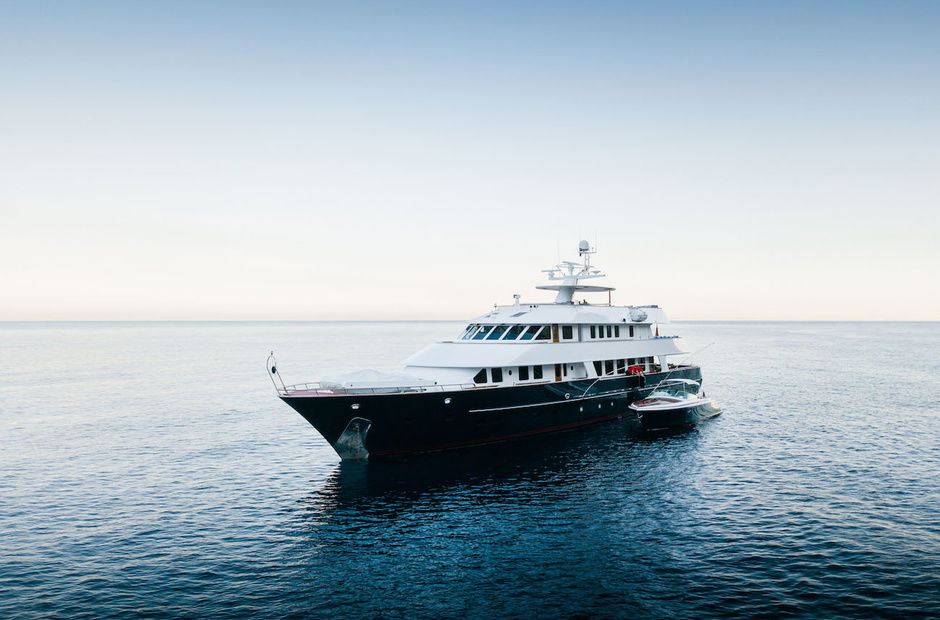
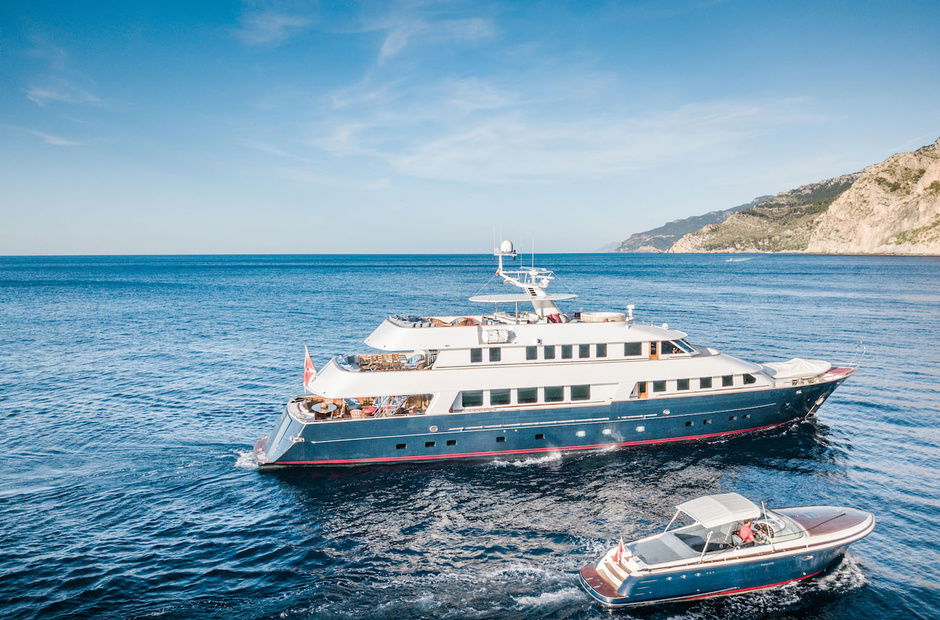
Images have been gathered from various sources and belong to their respective owners.
Review - Amels Chesella

MarineBroker
03/11/2024, 10:25 AM
1958 Amels Chesella: A Practical Guide to Understanding, Preserving, and Enjoying This Classic Yacht
The 1958 Amels Chesella is more than just an old yacht—it’s a floating piece of maritime history. For people drawn to classic boats, she represents a rare mix of craftsmanship, character, and old-world charm that’s hard to find in modern builds. But owning, restoring, or even simply appreciating a yacht like this can also bring up a very real challenge: how do you keep a vintage vessel authentic, seaworthy, and enjoyable without getting overwhelmed by maintenance, hidden issues, or outdated systems?
That’s the part many enthusiasts run into. A classic yacht may look stunning on the outside, but beneath the varnish and polished fittings, there can be decades of wear, aging materials, and mechanical quirks. If you’re interested in the 1958 Amels Chesella, chances are you’re not just looking for a pretty boat—you want to understand what makes her special and how to approach ownership the smart way.
The good news is that with the right mindset, a careful inspection plan, and a realistic restoration strategy, a vessel like this can remain both beautiful and functional. Whether you’re researching a possible purchase, planning a refit, or simply admiring her design, knowing what to look for makes all the difference.
- What Makes the 1958 Amels Chesella Special
The 1958 Amels Chesella belongs to an era when yacht building was heavily influenced by craftsmanship, practical seamanship, and elegant proportions. Boats from this period were often built with a focus on durability and comfort rather than speed alone, which is part of why so many classic yacht lovers still admire them today.
Amels has long been associated with quality Dutch yacht construction, and that heritage matters. A yacht from the late 1950s often reflects a time when builders paid close attention to hull shape, joinery, and the overall feel of the vessel. That sense of solidity is a big reason classic yacht enthusiasts are drawn to boats like Chesella.
For many people, the appeal is not just technical. It’s emotional. A classic yacht offers:
- A stronger connection to maritime history
- Distinctive styling that stands out from modern production boats
- A sense of craftsmanship you can often see and feel
- The satisfaction of preserving something rare
Still, admiration alone isn’t enough. If you’re considering a vessel like the 1958 Amels Chesella, the real question is how to enjoy that heritage without getting buried in maintenance surprises.
- The Main Problem: Classic Yacht Ownership Can Be Hard to Evaluate
The biggest challenge with a yacht of this age is uncertainty. Unlike newer boats with detailed service records, standardized systems, and predictable parts availability, a classic yacht can hide its condition well.
Common concerns include:
- Aging hull materials and structural fatigue
- Outdated electrical and plumbing systems
- Engine wear or limited access to replacement parts
- Moisture damage, rot, or corrosion in hidden areas
- Past repairs of unknown quality
- Difficulty estimating true restoration costs
That uncertainty can make it hard to know whether the boat is a manageable project or a money pit. And because classic yachts often attract emotionally driven buyers, it’s easy to fall in love with the look before fully understanding the work involved.
The solution is not to avoid classic yachts. It’s to evaluate them with a clear plan, realistic budget, and a focus on long-term preservation rather than quick cosmetic fixes.
- How to Assess a 1958 Amels Chesella the Right Way
Before making any decisions, you want a complete picture of the yacht’s condition. This is especially important with a classic vessel, where surface appearance can be misleading.
Start with a professional marine survey. Ideally, the surveyor should have experience with classic yachts, wooden structures if applicable, and older mechanical systems. A general survey is useful, but a specialist can identify issues that others might miss.
Key areas to inspect include:
- Hull integrity
- Deck condition
- Fastenings and structural joints
- Engine and propulsion systems
- Electrical wiring
- Fuel tanks and lines
- Plumbing and sanitation systems
- Signs of water intrusion
- Evidence of prior repairs or modifications
If possible, inspect the boat out of the water. That gives you a better chance of spotting blistering, osmosis, corrosion, or structural concerns below the waterline.
It’s also smart to ask for:
- Maintenance logs
- Refits or upgrade records
- Ownership history
- Engine service documentation
- Any insurance survey reports
The more information you have, the easier it is to judge whether the yacht has been cared for consistently or simply patched up over time.
- Understanding the Hidden Costs of a Classic Yacht
Many buyers focus on the asking price, but that’s only part of the story. A vintage yacht can be affordable to buy and expensive to maintain, especially if major systems need attention.
Typical cost drivers may include:
- Rewiring to modern safety standards
- Engine rebuilds or replacements
- Replacing aged hoses, pumps, and tanks
- Refurbishing interior joinery
- Repainting or revarnishing
- Deck repairs
- Upgrading navigation and safety equipment
For a boat like the 1958 Amels Chesella, the real cost depends on condition, originality, and how much you want to preserve versus modernize. A full restoration can be rewarding, but it’s rarely cheap.
A practical approach is to divide expenses into three categories:
1. Immediate safety items
2. Functional repairs
3. Cosmetic or historical restoration
That way, you prioritize what keeps the boat usable first, then decide how far you want to go with the rest.
- 1958 Amels Chesella and the Value of Originality
One of the most common questions classic yacht owners face is whether to preserve originality or update the boat for convenience. The answer usually depends on your goals.
If the yacht is being restored as a heritage vessel, originality matters a great deal. Original lines, fittings, and materials can add to the boat’s character and historical value. But if you plan to cruise regularly, some modern updates may be essential for safety and reliability.
A balanced approach often works best:
- Preserve visible classic details where possible
- Upgrade hidden systems for safety and reliability
- Keep modifications reversible when you can
- Use period-appropriate materials and finishes
That lets you enjoy the charm of the 1958 Amels Chesella without sacrificing practicality. In classic yacht circles, this kind of thoughtful preservation is often more respected than a full modern makeover.
- Practical Restoration Priorities for a Vintage Yacht
If you’re working with a classic yacht, it helps to follow a sensible order of operations. Jumping straight into cosmetic work can be tempting, but it’s better to start with the essentials.
A good restoration sequence usually looks like this:
- Structural first
Check the hull, frames, deck, and fastenings before touching anything decorative. If the structure is compromised, nothing else matters much.
- Mechanical systems next
Engines, shafts, steering, and fuel systems should be made reliable before you think about cruising.
- Electrical and safety systems
Old wiring can be a fire risk. Update circuits, battery systems, navigation lights, and safety gear as needed.
- Interior and finishes last
Once the boat is sound and functional, then you can focus on varnish, upholstery, and trim.
This order saves money and reduces the risk of redoing work later. It also helps you stay motivated because the boat becomes safer and more usable as the project moves along.
- How to Keep Maintenance Manageable
Owning a classic yacht doesn’t have to mean constant stress. The trick is to stay ahead of problems instead of reacting to them after they grow.
A simple maintenance routine can make a huge difference:
- Inspect bilges regularly
- Check for leaks after heavy rain or rough water
- Run engines and systems on a schedule
- Clean and protect wood, metal, and fittings
- Track small changes in performance or appearance
- Keep a written log of repairs and inspections
Even a short monthly checklist can help you catch issues early. For example, a small drip around a fitting may seem harmless, but over time it can lead to rot, corrosion, or electrical damage.
If the 1958 Amels Chesella is used seasonally, winterization and spring recommissioning are especially important. Proper layup procedures can extend the life of older systems and reduce the chance of unpleasant surprises when the season starts again.
- Finding the Right Balance Between Use and Preservation
A lot of classic boat owners get stuck between two extremes. Some are afraid to use the boat at all, while others push it too hard and wear it out quickly. The best solution is usually somewhere in the middle.
A yacht like the 1958 Amels Chesella is meant to be enjoyed, not trapped in a dock forever. But use should be thoughtful and appropriate to the vessel’s condition.
Good habits include:
- Taking shorter trips after major work
- Avoiding unnecessary strain on older systems
- Monitoring temperature, vibration, and fuel consumption
- Keeping weather expectations realistic
- Limiting exposure to harsh conditions if the boat isn’t fully updated
This kind of measured use helps preserve the yacht while still letting you experience what makes her special. After all, a classic yacht has more value when she’s alive on the water than when she’s sitting unused.
- What Buyers Should Ask Before Committing
If you’re considering the 1958 Amels Chesella as a purchase, ask questions that go beyond appearance and price. The answers can tell you a lot about the true condition of the vessel.
Useful questions include:
- What major repairs have been done in the last 10 years?
- Has the boat had any structural work?
- Are the engine and systems original, rebuilt, or replaced?
- Is there documentation for upgrades and maintenance?
- Has the yacht been stored indoors or outdoors?
- Are there known issues with leaks, corrosion, or rot?
- What parts are difficult to source?
These questions help you understand whether the yacht has been responsibly maintained or whether you’re inheriting a backlog of deferred work.
If the seller can provide clear records and a transparent history, that’s a strong sign. If not, you should assume the unknowns may cost more than expected.
- Why Classic Yacht Enthusiasts Still Love Boats Like Chesella
Even with the challenges, classic yachts continue to attract loyal admirers. There’s a reason for that.
Boats like the 1958 Amels Chesella offer something modern production yachts often can’t:
- A sense of individuality
- Handcrafted details
- A deeper connection to boating tradition
- A more tactile, soulful onboard experience
For many enthusiasts, the appeal is in the process as much as the result. Restoring, maintaining, and learning a classic yacht becomes part of the enjoyment. You’re not just owning a boat—you’re participating in its story.
That said, the most satisfying ownership experiences usually come from people who go in with open eyes. They understand the work, respect the vessel’s age, and make decisions based on long-term stewardship rather than impulse.
- A Smart Approach to Enjoying the 1958 Amels Chesella
If you’re drawn to the 1958 Amels Chesella, the smartest path is to treat her as both a passion project and a practical asset. That means careful inspection, honest budgeting, and a restoration plan that respects the yacht’s original character.
Focus first on safety, structure, and reliability. Then decide how much you want to preserve, modernize, or refine. With that approach, a classic yacht becomes far more manageable—and much more rewarding.
The real solution to the classic yacht challenge is simple: don’t chase perfection too quickly. Build a clear plan, work step by step, and let the boat guide your priorities.
In the end, the 1958 Amels Chesella offers more than beauty. She offers a chance to experience classic boating the right way—with patience, care, and a genuine appreciation for what makes vintage yachts worth preserving.
If you’re exploring a classic yacht like this, take the time to learn the details, ask the right questions, and lean on expert advice when needed. That’s how you turn a fascinating old vessel into a truly enjoyable one.
Specifications
General
Boat Type: Power Boats
Class Type: Mega Yacht
Specifications
Length: 118.11
Beam: 22.97
Draft: 8.86
Hull Material: Steel
Build
First Built: 1958
Propulsion
Fuel Type: Diesel
Engines: 2
Power: 480 HP
Brand: Caterpillar
Accomodation
Cabins: 6
PROS & CONS
What we appreciated
 Classic and timeless design appealing to vintage boat enthusiastsSturdy construction typical of 1950s craftsmanshipSpacious deck layout suitable for leisure cruisingSolid wood interior offering warm and traditional ambiancePotentially lower purchase price compared to modern yachts
What we didn’t appreciate
 Older engine and mechanical systems may require frequent maintenanceLimited modern amenities and technology onboardPotential scarcity of replacement parts due to ageLess fuel efficiency compared to contemporary boatsMay lack advanced safety features found in newer vessels
Upkeep Costs
Maintenance and Repairs: $5,000 - $15,000 annually
Docking and Marina Fees: $3,000 - $10,000 annually
Fuel: $2,000 - $8,000 annually depending on usage
Insurance: $1,500 - $4,000 annually
Winterization and Storage: $1,000 - $3,000 annually
Rating
5.9
User
Score
Score
Driveability
Technology
Interior
Design
Similar Boats


MarineBroker
Download now for an immersive boat experience like never before! ⛵✨ Your journey begins with a simple click. 🌊📲
#SetSailSmart #DownloadNow
#SetSailSmart #DownloadNow

Subscribe
Copyright 2017 - 2026, Marinebroker.net, All Rights Reserved