Boat Type: Power Boats
Boat Class: Mega Yacht
Length: 94.16 ft
Berths: 6
Cabins: 4
Bathrooms: 3
Max Persons: 8
Boat Database » Sanlorenzo Casa
Sanlorenzo Casa
Inboard Direct-Drive, Diesel, 2x 1924 HP
Power Boats 2011 Sanlorenzo Casa: What to Know Before You Buy, Inspect, or Refit
If you’re searching for a 2011 Sanlorenzo Casa, you’re probably already drawn to the brand’s reputation for elegant Italian design, solid build quality, and a l...
Discover
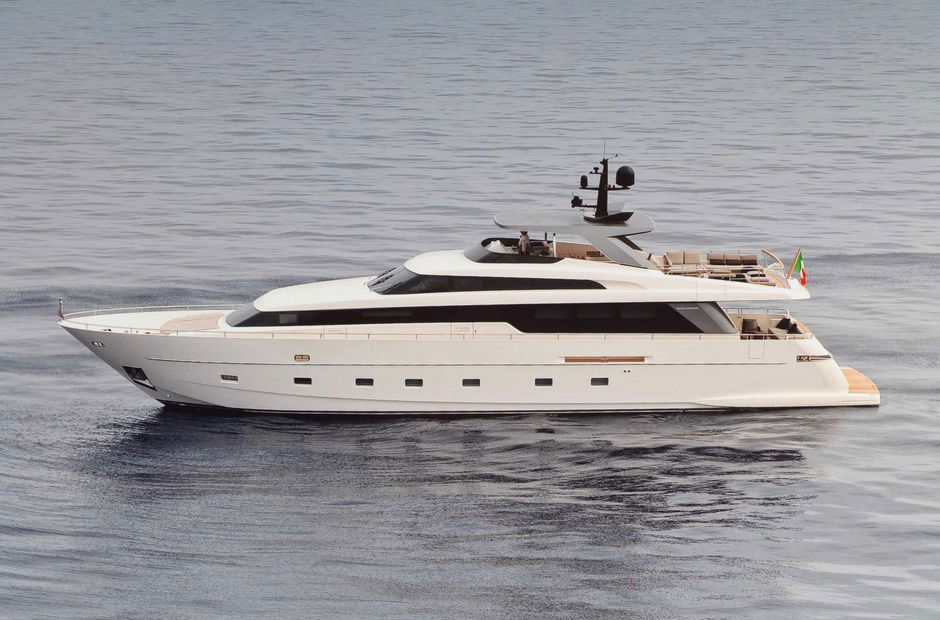
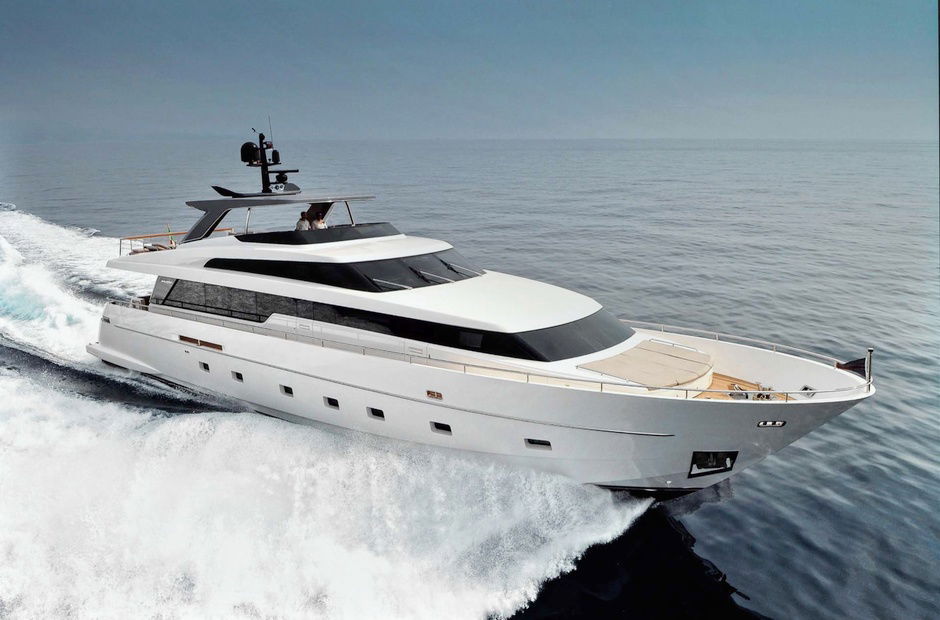
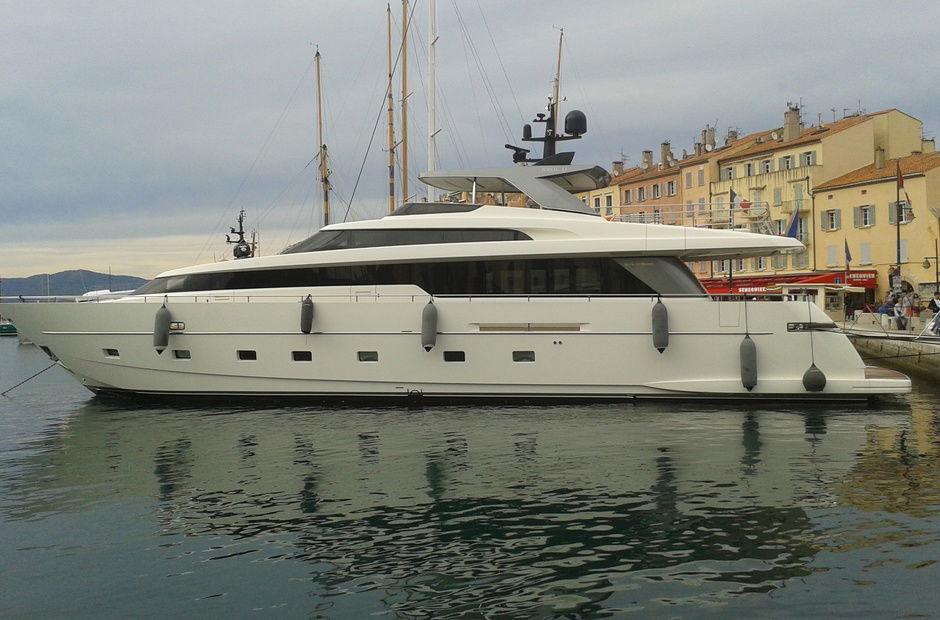
Images have been gathered from various sources and belong to their respective owners.
Review - Sanlorenzo Casa

MarineBroker
01/02/2024, 4:37 AM
2011 Sanlorenzo Casa: What to Know Before You Buy, Inspect, or Refit
If you’re searching for a 2011 Sanlorenzo Casa, you’re probably already drawn to the brand’s reputation for elegant Italian design, solid build quality, and a layout that feels more like a private home than a typical yacht. But once the excitement settles, a practical question usually shows up: is a 2011 model still a smart purchase, and what should you watch out for?
That’s the real challenge with any yacht of this age. A well-kept 2011 Sanlorenzo Casa can still deliver a fantastic ownership experience, but older yachts come with hidden variables. Maintenance history, systems condition, refit needs, and survey findings matter just as much as the name on the hull.
The good news? With the right inspection approach and a clear plan, you can separate a great opportunity from an expensive headache. In this article, we’ll look at the most important things to check, the common issues buyers should expect, and the practical steps that help you make a confident decision. Whether you’re considering purchase, refit, or just researching the model, this guide will help you move forward with more clarity.
- Why the 2011 Sanlorenzo Casa Still Gets Attention
Sanlorenzo has long been respected for building yachts that balance style, customization, and seaworthiness. A 2011 Sanlorenzo Casa appeals to buyers who want a yacht with timeless lines, quality materials, and a layout designed for comfortable cruising.
For many people, the attraction is not just the brand itself. It’s the combination of:
- Italian design with a refined, residential feel
- Strong onboard comfort for family cruising or entertaining
- A reputation for custom interiors and thoughtful layouts
- A size and age range that can offer better value than a newer yacht
That said, a yacht from 2011 sits in an important middle ground. It may still feel modern, but it’s old enough that systems, cosmetics, and maintenance records become critical. In other words, the boat can be a great buy, but only if you know what to inspect.
- The Main Problem Buyers Face: Hidden Costs and Unclear Condition
The biggest issue with searching for a 2011 Sanlorenzo Casa is not usually the boat’s design. It’s the uncertainty around condition.
Two yachts of the same year can have completely different ownership stories. One may have been professionally maintained, stored properly, and upgraded regularly. Another may have been lightly used but neglected in key areas like engines, generators, electronics, or teak decks.
Common buyer concerns include:
- Outdated navigation and entertainment systems
- Wear in interiors, soft furnishings, and upholstery
- Engine and generator service history gaps
- Aging hoses, seals, pumps, and electrical components
- Moisture issues or cosmetic damage hidden by fresh detailing
- Refit costs that can quickly exceed expectations
This is why many buyers feel stuck. The yacht looks promising, but they don’t want to inherit someone else’s maintenance backlog.
- How to Judge Whether a 2011 Sanlorenzo Casa Is Worth It
The best solution is a structured evaluation. Instead of judging the yacht by appearance alone, look at it through three lenses: mechanical health, cosmetic condition, and ownership documentation.
A yacht can be attractive in photos and still need major work. On the other hand, a slightly tired-looking vessel with excellent records can often be a stronger long-term purchase.
Here’s a simple framework:
1. Mechanical condition
Check the engines, generators, stabilizers, steering, thrusters, air conditioning, hydraulics, and bilge systems.
2. Cosmetic condition
Inspect paint, varnish, upholstery, flooring, teak, and moisture-prone areas.
3. Paper trail
Review service logs, survey reports, invoices, refit records, and warranty history if available.
The more complete the paperwork, the easier it is to estimate real ownership costs.
- What to Check First on a 2011 Sanlorenzo Casa
When viewing a yacht like this, start with the items that are most expensive to repair. These are often the systems that can turn a good deal into a costly one.
- Engines and propulsion
Ask for full service records and recent oil analysis if available. Look for signs of overheating, smoke, vibration, or uneven running. Hours matter, but maintenance matters more.
- Generators
Generators are often overlooked until they fail. Check service intervals, startup behavior, load performance, and noise levels.
- Electrical systems
Older yachts can develop issues with batteries, chargers, inverters, wiring, and switch panels. Test everything, not just the basics.
- HVAC and plumbing
Air conditioning, chilled water systems, toilets, freshwater pumps, and tank sensors should all be tested. These systems affect daily comfort more than most buyers expect.
- Hull, deck, and moisture points
Inspect around windows, hatches, deck fittings, and any signs of staining or soft spots. Moisture can hide under nice finishes.
- Electronics and navigation
A 2011 yacht may still be perfectly usable, but screens, radar, chartplotters, and monitoring systems may be outdated. Decide whether you’re comfortable with them or planning an upgrade.
- Common Age-Related Issues on a 2011 Yacht
Even a well-built yacht will show age after more than a decade. The goal isn’t to find perfection. It’s to identify which issues are normal wear and which ones are red flags.
Typical age-related items include:
- Faded or worn upholstery
- Teak deck maintenance or replacement needs
- Corrosion on fittings or fasteners
- Aged batteries
- Outdated software or electronics
- Worn pumps, belts, and hoses
- Cosmetic cracking or sealant deterioration
Some of these are manageable routine items. Others can signal that the yacht has not been cared for consistently.
A useful rule: if several smaller systems are tired at the same time, the yacht may be due for a broader refit rather than just a few repairs.
- The Smartest Way to Inspect a 2011 Sanlorenzo Casa
If you’re serious about a purchase, don’t rely on a brief walkthrough. The best solution is a professional survey combined with your own practical review.
A strong inspection process should include:
- A qualified marine surveyor
- A separate engine specialist
- Sea trial under realistic conditions
- Moisture readings and structural checks
- Review of all service documentation
- Inventory of recent upgrades and replacements
During the sea trial, pay attention to:
- Acceleration and cruising behavior
- Steering response
- Unusual vibration or noise
- Temperature stability
- Generator performance under load
- Air conditioning effectiveness while underway
A yacht can look excellent at the dock and still reveal problems once systems are working hard.
- Why Maintenance History Matters More Than Hours
Many buyers focus too much on engine hours. While hours are useful, they don’t tell the full story.
A yacht with higher hours but consistent professional maintenance may be a better buy than a low-hour vessel that has sat unused for long periods. Sitting can be hard on systems. Seals dry out, batteries degrade, fluids age, and components corrode.
Look for evidence of:
- Annual engine servicing
- Regular bottom maintenance
- Scheduled haul-outs
- Generator servicing
- Interior climate control when stored
- Documented upgrades to key systems
Good records usually mean the owner cared about the yacht in a disciplined way. That’s often the biggest clue to future reliability.
- Refit Planning: Turning a Good Yacht Into a Great One
One of the smartest ways to approach a 2011 Sanlorenzo Casa is to think in terms of refit potential. Even if the yacht is in good shape, you may want to modernize it to fit your style and cruising plans.
Common refit priorities include:
- Updating navigation electronics
- Replacing soft goods and upholstery
- Refreshing exterior cushions and sunpads
- Refinishing teak or varnished surfaces
- Upgrading audio-visual systems
- Improving lighting with LED conversions
- Servicing or replacing batteries and chargers
- Modernizing galley appliances or interior hardware
A refit doesn’t have to be massive. Sometimes a focused refresh makes the yacht feel much newer without the cost of a full rebuild.
The key is to budget realistically. A clean-looking yacht can still need a six-figure refresh if multiple systems are due at once.
- Budgeting Beyond the Purchase Price
This is where many buyers get caught off guard. The purchase price is only part of the total cost. A 2011 yacht often needs immediate spending after closing, even if it passed survey.
Plan for:
- Survey and haul-out costs
- Tax and registration fees
- Immediate maintenance
- Upgrades to electronics or safety gear
- Cosmetic improvements
- Annual running costs
- Crew or management expenses if applicable
A practical approach is to keep a contingency fund. That way, you’re not forced to delay important repairs or upgrades after purchase.
If you’re comparing several yachts, the cheapest asking price is not always the best value. The boat with the strongest records and fewer near-term surprises often wins in the long run.
- How to Decide If the 2011 Sanlorenzo Casa Fits Your Needs
A yacht can be technically sound and still be the wrong fit. Before buying, think about how you plan to use it.
Ask yourself:
- Will you cruise often or only seasonally?
- Do you want a turnkey yacht or are you open to refit work?
- How important are modern electronics and entertainment systems?
- Will you run with crew or owner-operated?
- Are you buying for family use, entertaining, or charter potential?
If you want a low-stress ownership experience, prioritize a yacht with strong maintenance records and recent updates. If you enjoy customizing and improving vessels, a slightly dated 2011 model may offer good value and room to personalize.
- Practical Tips for Buyers
Here are a few simple ways to reduce risk when evaluating a 2011 Sanlorenzo Casa:
- Never skip the sea trial
- Ask for service invoices, not just verbal assurances
- Check for evidence of winterization or proper storage
- Bring in specialists for engines and electrical systems
- Compare the yacht against similar models, not just the asking price
- Estimate refit costs before making an offer
- Look for signs of consistent care in small details, not just major systems
The little things often reveal the truth. Clean bilges, organized lockers, labeled systems, and updated records usually point to a responsible owner.
- Why the 2011 Sanlorenzo Casa Can Still Be a Strong Buy
When properly maintained, a 2011 Sanlorenzo Casa can still offer a lot of yacht for the money. The design, comfort, and build quality can remain highly appealing, especially for buyers who value style and onboard livability.
The real advantage of this age range is balance. You may avoid the steep depreciation of a newer yacht while still getting a vessel with modern enough structure and layout to enjoy for years. If the yacht has been cared for well, it can be a very rewarding ownership choice.
Just remember: the right purchase is not the prettiest one on the dock. It’s the one with the clearest history, the healthiest systems, and the most realistic ownership plan.
- Conclusion
A 2011 Sanlorenzo Casa can be an excellent yacht to own, but only if you approach it with a clear inspection strategy and a realistic budget. The main challenge is not finding a beautiful boat—it’s understanding its true condition and future costs before you commit.
Focus on maintenance records, system health, and survey results rather than appearance alone. If the yacht checks out, you may end up with a refined, comfortable vessel that still feels special many years after launch. And if you’re still comparing options, take your time, ask detailed questions, and use expert help where needed. A careful evaluation now can save you from expensive surprises later.
Specifications
General
Boat Type: Power Boats
Class Type: Mega Yacht
Specifications
Length: 94.16
Beam: 22.31
Draft: 10.83
Hull Material: GRP
Build
First Built: 2011
Propulsion
Fuel Type: Diesel
Engines: 2
Power: 1924 HP
Brand: Caterpillar
Accomodation
Berths: 6
Cabins: 4
Bathrooms: 3
PROS & CONS
What we appreciated
 Spacious and elegant interior design reflecting Italian craftsmanshipHigh-quality materials and finishes throughout the boatComfortable living areas suitable for extended cruisingGood performance and handling for a yacht of its sizeWell-equipped with modern navigation and safety systems
What we didn’t appreciate
 Older model may require more maintenance and updatesFuel consumption can be high due to size and engine powerLimited availability of parts for some specific Sanlorenzo componentsNot as technologically advanced as newer yacht modelsPotentially higher operating costs compared to smaller boats
Upkeep Costs
Annual maintenance and servicing: $15,000 - $30,000
Fuel costs: $40,000 - $80,000 per year (depending on usage)
Dockage and marina fees: $20,000 - $50,000 per year
Insurance: $10,000 - $25,000 per year
Crew salaries (if applicable): $100,000 - $250,000 per year
Rating
8.0
User
Score
Score
Driveability
Technology
Interior
Design
Similar Boats


MarineBroker
Download now for an immersive boat experience like never before! ⛵✨ Your journey begins with a simple click. 🌊📲
#SetSailSmart #DownloadNow
#SetSailSmart #DownloadNow

Subscribe
Copyright 2017 - 2026, Marinebroker.net, All Rights Reserved