Boat Database » Azimut Tropicana
Azimut Tropicana
Inboard Direct-Drive, Diesel, 2x 1825 HP
Power Boats 2007 Azimut Tropicana: What Buyers Should Know Before You Buy, Inspect, or Upgrade
If you’ve been looking into the 2007 Azimut Tropicana, you’re probably already drawn to the mix of Italian styling, sporty performance, and big-ya...
Discover

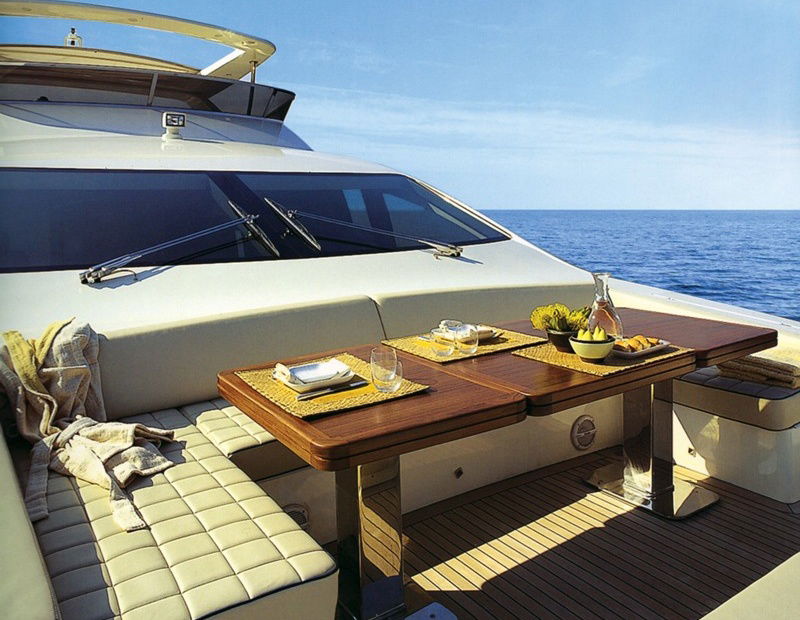

Images have been gathered from various sources and belong to their respective owners.
Review - Azimut Tropicana

MarineBroker
08/13/2024, 7:02 AM
2007 Azimut Tropicana: What Buyers Should Know Before You Buy, Inspect, or Upgrade
If you’ve been looking into the 2007 Azimut Tropicana, you’re probably already drawn to the mix of Italian styling, sporty performance, and big-yacht feel in a manageable size. It’s the kind of boat that turns heads at the dock and promises a lot of fun on the water.
But here’s the real issue: with a boat like this, the excitement can make it easy to overlook the practical stuff. Older luxury yachts can be amazing value, but only if you understand what to check, what to budget for, and what common ownership headaches to expect. A clean-looking boat is not always a well-maintained one.
That’s where a smart approach makes all the difference. Whether you’re thinking about buying a 2007 Azimut Tropicana, comparing it to similar express cruisers, or trying to keep one in top shape, the goal is the same: avoid expensive surprises and enjoy the boat with confidence. In this guide, we’ll break down the most important things to know, the common problem areas, and the practical solutions that help you make a better decision.
- What Makes the 2007 Azimut Tropicana Stand Out
The 2007 Azimut Tropicana sits in a sweet spot for many boaters. It offers the styling and interior finish of a premium European yacht, but in a size that’s still practical for private ownership, seasonal cruising, and weekend trips.
What usually attracts people to this model:
- Sleek exterior lines
- Spacious salon and cabins for its class
- Strong performance potential
- High-end feel compared with many American express boats of the era
- Good social layout for entertaining
For many buyers, the appeal is emotional as much as practical. It looks and feels like a much larger boat. That said, luxury boats from this period can come with maintenance demands that are easy to underestimate.
If you’re shopping for one, you’re not just buying a boat. You’re buying a maintenance history, a systems package, and a set of future costs.
- The Main Problem Buyers Face With a 2007 Azimut Tropicana
The biggest challenge with a 2007 Azimut Tropicana is not usually the design itself. It’s the condition of the specific boat you’re looking at.
A 2007 yacht is old enough that age-related issues can show up in several areas at once:
- Engine and generator wear
- Electrical gremlins
- HVAC issues
- Upholstery and interior deterioration
- Soft spots or moisture intrusion
- Corrosion in fittings and hardware
- Outdated electronics
- Deferred maintenance from previous owners
The problem is that many of these issues are hidden during a casual walkthrough. A boat may shine on the surface while having expensive mechanical or structural needs underneath.
That’s why the real challenge is not finding a nice-looking Azimut. It’s finding one with a solid maintenance record and manageable repair needs.
- Why Older Luxury Boats Can Be Tricky
Luxury boats often age differently than simpler production boats. They usually have more systems, more electronics, and more components that need attention.
On a boat like the 2007 Azimut Tropicana, that can mean:
- More pumps
- More wiring runs
- More complex climate control
- More interior systems
- More expensive replacement parts
Even when the boat has been cared for, the cost to maintain it can still be significant. And if the boat has been neglected, repairs can quickly snowball.
A common mistake is assuming that a premium brand automatically means better long-term reliability. In reality, luxury boats often reward consistent maintenance and punish neglect more than simpler models do.
- What to Inspect First on a 2007 Azimut Tropicana
If you’re evaluating one of these boats, start with the systems that create the biggest bills when they fail.
- Engines and Drivetrain
Check service records first. You want to know:
- Oil change intervals
- Cooling system service
- Impeller replacements
- Belt condition
- Exhaust system condition
- Transmission service history
If the engines start quickly, idle smoothly, and reach proper operating temperature without alarms, that’s a good sign. But don’t stop there.
Look for:
- Smoke at startup
- Uneven idle
- Fluid leaks
- Rust or corrosion around clamps and fittings
- Signs of overheating
A sea trial is essential. Some problems only appear under load.
- Generator and Electrical Systems
The generator is one of those things buyers often overlook until they need it. On a yacht, it matters a lot.
Check:
- Hour count
- Service history
- Start-up behavior
- Load handling
- Noise and vibration
- Cooling water flow
Electrical systems should also be tested carefully. On older European boats, wiring issues can show up as intermittent failures, dead accessories, or confusing panel problems.
Look for:
- Corrosion inside panels
- Loose connections
- Aftermarket modifications
- Non-working gauges or switches
- Battery age and charging system health
- Plumbing and Water Intrusion
Water intrusion is one of the most expensive problems on any boat. On a 2007 Azimut Tropicana, inspect:
- Portlights and hatches
- Deck fittings
- Window seals
- Shower drains
- Bilge condition
- Around the bow area and transom
- Under carpets and behind cabinetry
A musty smell is often a warning sign. So are soft spots in flooring, staining around woodwork, or peeling interior finishes.
If you find signs of moisture, don’t assume it’s minor. Track down the source before you move forward.
- Interior Condition
The interior on a boat like this can be one of its best features, but age and humidity can take a toll.
Check for:
- Delamination
- Loose veneers
- Broken latches
- Sagging headliners
- Worn upholstery
- Mold or mildew
- Cabinet swelling
Interior repairs on premium yachts can be more expensive than people expect because matching materials and finishes can be difficult.
- Common 2007 Azimut Tropicana Problem Areas
Not every boat will have these issues, but they are common enough to deserve attention.
- Aging Electronics
Older chartplotters, radar systems, and cabin displays may still work, but they may be outdated, unreliable, or difficult to service.
Practical solution:
- Budget for upgrades
- Confirm compatibility before buying
- Don’t assume broken electronics are a small problem
- Test every display, switch, and control
- Hydraulic and Mechanical Accessories
If the boat has hydraulic swim platforms, davits, trim tabs, or similar systems, inspect them carefully.
Look for:
- Slow operation
- Leaks
- Unusual noises
- Jerky movement
- Corroded cylinders or hoses
These systems are useful, but they can be costly if neglected.
- Air Conditioning and Climate Control
A luxury yacht without working climate control can quickly become uncomfortable.
Check:
- Cooling performance
- Raw water flow
- Compressor cycling
- Air handler cleanliness
- Condensate drainage
If the boat has been sitting unused, HVAC issues are common.
- Exterior Gelcoat and Hardware
The outside of the boat may still look good from a distance, but close inspection matters.
Look for:
- Oxidation
- Spider cracks
- Faded gelcoat
- Loose railings
- Corroded cleats
- Stress around fittings
Cosmetic issues may not be deal-breakers, but they help you estimate how well the boat has been cared for.
- How to Judge Whether the Boat Is a Good Buy
A 2007 Azimut Tropicana can be a great purchase if the numbers and condition line up. The key is to evaluate the boat as a whole, not just the asking price.
Ask yourself:
- Is there full or partial service history?
- Are the engines up to date on maintenance?
- Are major systems working properly?
- Has the boat been stored correctly?
- Is there evidence of moisture intrusion?
- How much will immediate repairs cost?
- Does the asking price reflect the boat’s true condition?
A lower purchase price can be misleading if the boat needs several major repairs. Sometimes the “cheaper” boat becomes the most expensive one after refit costs.
- The Smart Inspection Strategy
If you’re serious about buying, don’t rely on a quick walkaround. Use a structured inspection process.
- Hire a qualified marine surveyor
- Have a mechanic inspect the engines and generator
- Test all onboard systems
- Review maintenance records line by line
- Sea trial the boat under realistic conditions
- Check for signs of hidden water damage
- Estimate repair costs before making an offer
A good survey can save you thousands. It can also give you leverage in negotiations if issues are found.
One practical tip: bring someone who knows boats, not just someone who likes boats. Enthusiasm is great, but experience catches the expensive stuff.
- Ownership Costs to Expect
Owning a 2007 Azimut Tropicana is not just about fuel and dockage. The ongoing costs can add up quickly if you’re not prepared.
Typical expense categories include:
- Annual maintenance
- Engine servicing
- Generator servicing
- Bottom paint
- Haul-out fees
- Insurance
- Dockage or mooring
- Upholstery and cosmetic upkeep
- Electronics replacement
- Unexpected repairs
A good rule of thumb for older luxury boats is to keep a maintenance reserve. That way, when a pump, alternator, or HVAC component fails, you’re not forced into a rushed decision.
- Practical Ways to Keep the Boat in Good Shape
If you already own one, the best solution to most problems is consistent maintenance. That sounds simple, but it makes a huge difference.
- Stay Ahead of Small Issues
Small leaks, minor electrical faults, and weak batteries often lead to bigger problems later.
A practical maintenance habit:
- Inspect bilges regularly
- Run systems monthly if the boat is idle
- Replace worn seals early
- Fix corrosion before it spreads
- Keep service logs
- Protect the Interior
Humidity is tough on yachts.
Helpful steps:
- Use dehumidifiers when stored
- Ventilate the cabin properly
- Clean and condition upholstery
- Check hidden spaces for mold
- Repair leaks immediately
- Keep Up With Mechanical Service
Don’t stretch service intervals too far. Engines and generators reward consistency.
Focus on:
- Oil and filter changes
- Fuel system care
- Cooling system checks
- Belt and hose inspection
- Battery replacement before failure
- Upgrade Thoughtfully
If the boat still has older electronics, upgrading can improve both usability and resale value.
Common upgrade priorities:
- Chartplotter and navigation
- VHF radio
- Battery monitoring
- LED lighting
- Stereo and entertainment systems
- Camera or docking aids
The goal is not to modernize everything at once. Start with what improves safety and reliability.
- When the 2007 Azimut Tropicana Makes Sense
This boat makes sense for buyers who value style, comfort, and performance, and who are realistic about upkeep.
It can be a good fit if you want:
- A premium-feeling yacht at a used-boat price
- A strong weekend or coastal cruiser
- A boat with good entertaining space
- A platform that can be upgraded over time
It may not be the best fit if you want:
- Very low maintenance
- Minimal repair risk
- Simple systems
- A boat you can ignore between trips
In other words, the 2007 Azimut Tropicana is best for someone who appreciates the ownership experience and is prepared to manage it properly.
- Final Buying Advice in Plain English
If you’re considering a 2007 Azimut Tropicana, don’t let the styling do all the talking. The right boat can be a fantastic value, but only if you verify condition, maintenance, and system health.
The best approach is simple:
1. Inspect thoroughly
2. Review records carefully
3. Budget for repairs and upgrades
4. Get a proper survey
5. Buy the boat, not just the brand
That mindset helps you avoid surprises and enjoy the boat for what it really is: a stylish, capable yacht that can still deliver a lot of fun when cared for the right way.
- Conclusion
The 2007 Azimut Tropicana has plenty to offer, especially for buyers who want a luxury feel without stepping into a brand-new yacht budget. The key is understanding that older premium boats can hide costly issues if they haven’t been maintained properly. By focusing on engines, electrical systems, moisture, and service history, you can separate the well-kept boats from the problem ones.
If you’re serious about buying or already own one, the smartest move is to treat maintenance as part of the ownership plan, not an afterthought. A careful inspection and a realistic repair budget can turn a risky purchase into a rewarding one. If you want to keep learning, explore more resources on used yacht inspections, maintenance planning, and pre-purchase surveys before making your next move.
Specifications
General
Boat Type: Power Boats
Class Type: Mega Yacht
Specifications
Length: 85.3
Beam: 21
Draft: 5.91
Hull Material: GRP
Build
First Built: 2007
Propulsion
Fuel Type: Diesel
Engines: 2
Power: 1825 HP
Brand: Caterpillar
Accomodation
Cabins: 4
PROS & CONS
What we appreciated
 Stylish Italian design with sleek lines and modern aestheticsSpacious flybridge offering excellent outdoor entertaining spaceComfortable and well-appointed interior with quality materialsGood performance with twin diesel engines providing reliable powerAmple storage and cabin space suitable for extended cruising
What we didn’t appreciate
 Older model, so some systems may require updates or maintenanceFuel consumption can be relatively high compared to newer modelsLimited availability of parts due to the boat's age and brandSmaller cockpit area compared to other boats in the same classPotential for wear and tear on upholstery and electronics
Upkeep Costs
Fuel: Approximately $6,000 - $12,000 per year depending on usage
Maintenance and Repairs: Around $5,000 - $10,000 per year
Insurance: Typically $1,500 - $3,000 annually
Docking/Storage Fees: Between $3,000 - $8,000 per year
Registration and Taxes: Approximately $200 - $1,000 annually

Rating
7.8
User
Score
Score
Driveability
Technology
Interior
Design
Similar Boats


MarineBroker
Download now for an immersive boat experience like never before! ⛵✨ Your journey begins with a simple click. 🌊📲
#SetSailSmart #DownloadNow
#SetSailSmart #DownloadNow

Subscribe
Copyright 2017 - 2026, Marinebroker.net, All Rights Reserved