Boat Database » Admiral Marvi De
Admiral Marvi De
Inboard Direct-Drive, Diesel, 2x 2600 HP
Power Boats 1999 Admiral Marvi De: A Practical Guide to Understanding, Maintaining, and Enjoying This Classic Boat
If you’re looking into the 1999 Admiral Marvi De, there’s a good chance you’re trying to answer a few very common questions: I...
Discover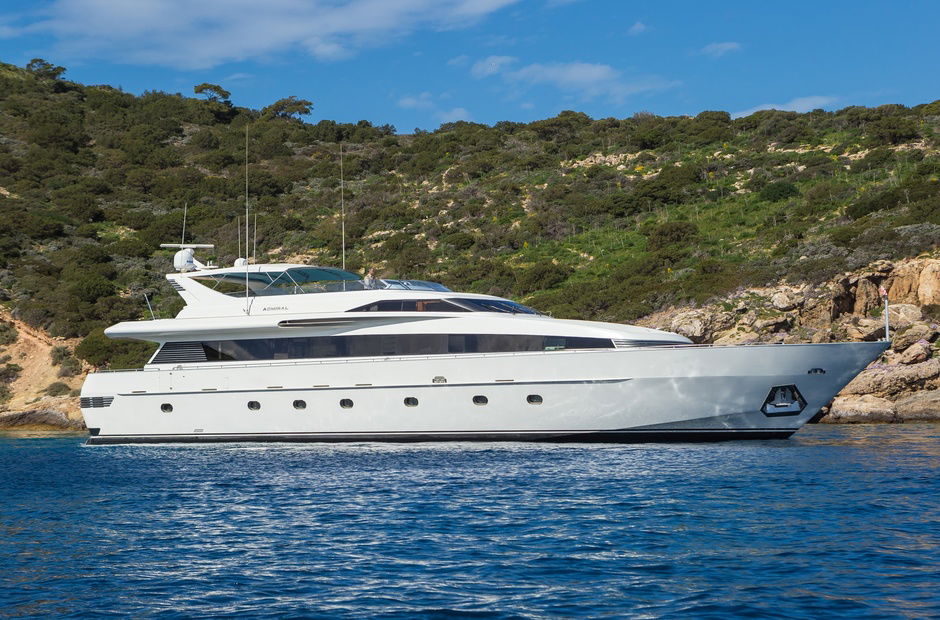

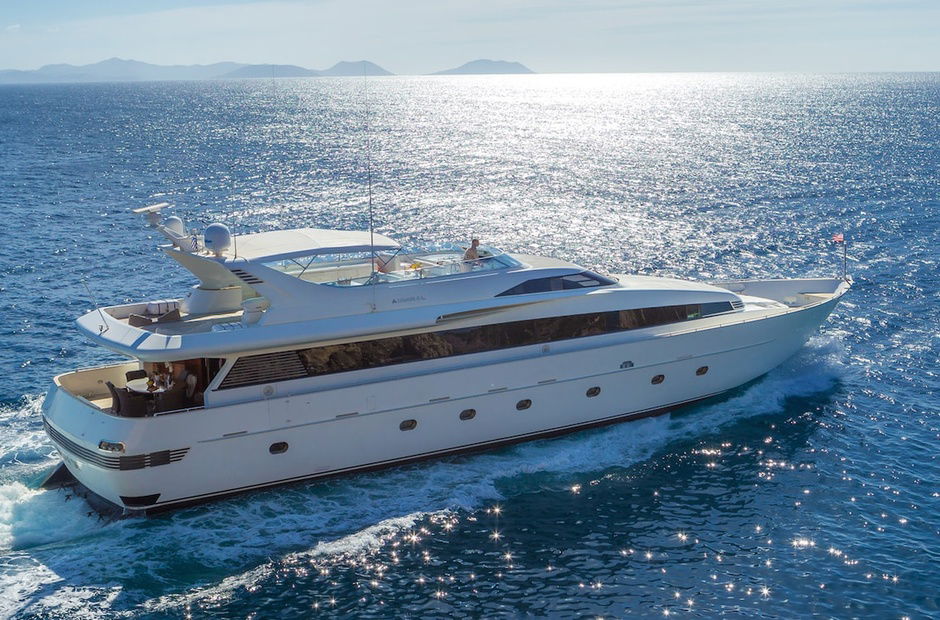
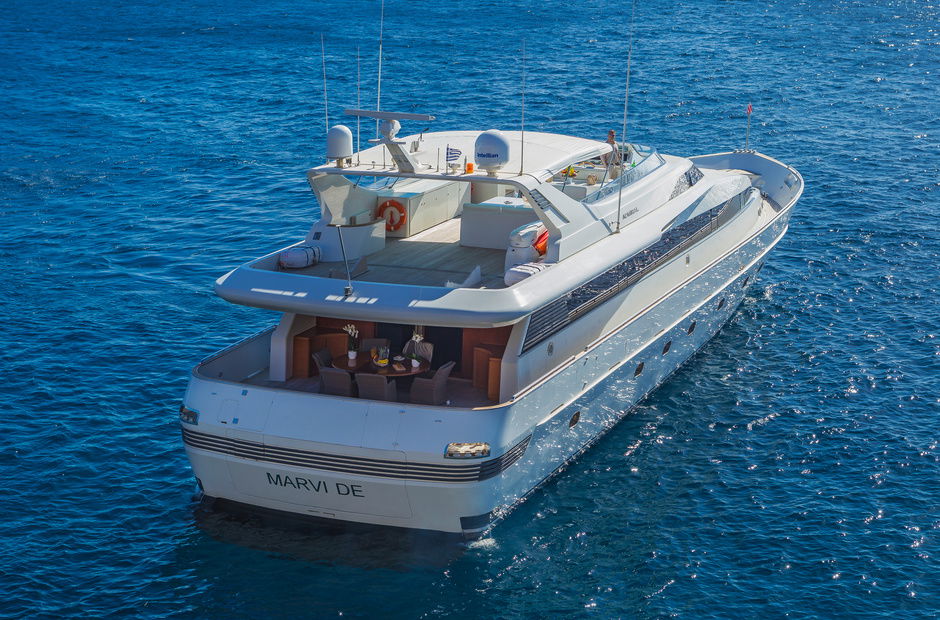
Images have been gathered from various sources and belong to their respective owners.
Review - Admiral Marvi De

MarineBroker
01/22/2024, 3:18 AM
1999 Admiral Marvi De: A Practical Guide to Understanding, Maintaining, and Enjoying This Classic Boat
If you’re looking into the 1999 Admiral Marvi De, there’s a good chance you’re trying to answer a few very common questions: Is it still a solid boat? What should I check before buying or restoring one? And how do you keep an older vessel like this reliable without turning every season into a repair project?
That’s the real challenge with any late-1990s boat. Age alone doesn’t tell the whole story. A well-cared-for 1999 Admiral Marvi De can still offer plenty of value, but only if you understand what to inspect, what to maintain, and where owners often run into trouble. Boats from this era can be surprisingly dependable, but small issues like worn hoses, outdated wiring, neglected seals, or tired upholstery can quickly become expensive if ignored.
The good news is that most of these problems are manageable with the right approach. Whether you already own one or you’re thinking about buying, the key is knowing what matters most: condition, maintenance history, and a simple, realistic upkeep plan. Let’s walk through the common concerns and the smartest ways to handle them.
- Understanding the 1999 Admiral Marvi De
The 1999 Admiral Marvi De sits in that interesting middle ground between “modern enough to be practical” and “old enough to need careful attention.” For many boating enthusiasts, that’s part of the appeal. You get a classic feel without the complexity of today’s ultra-electronic setups.
But with any boat from 1999, age-related wear is the main issue. Materials break down over time, even if the boat hasn’t seen heavy use. Sun exposure, saltwater, moisture intrusion, and years of storage all leave a mark.
That’s why the smartest way to approach a boat like the 1999 Admiral Marvi De is not by asking, “How old is it?” but rather, “How well has it been cared for?”
- The Most Common Problem: Hidden Wear and Deferred Maintenance
The biggest issue people face with older boats is hidden wear. On the surface, a boat may look clean and ready to go. Underneath, there may be aging components that are one season away from failure.
Common trouble spots include:
- Fuel lines that have hardened or cracked
- Electrical connections with corrosion
- Seals and gaskets that no longer keep water out
- Upholstery that has started to dry out or split
- Pumps and bilge systems that are near the end of their life
- Engines or drive systems with inconsistent service records
This is where buyers and owners of the 1999 Admiral Marvi De can get caught off guard. A boat can appear “fine” during a short viewing, yet still need significant work before it’s truly dependable.
The solution is simple in concept: inspect carefully, document everything, and prioritize safety-related systems first.
- What to Check First on a 1999 Admiral Marvi De
If you’re evaluating the boat, start with the systems that affect safety, reliability, and operating costs. These are the areas where small problems become big ones.
- Hull and deck condition
Look for soft spots, cracks, blistering, or signs of water intrusion. Walk every accessible area and pay attention to flexing underfoot.
- Engine and mechanical systems
Start the engine if possible. Listen for unusual noises, rough idling, smoke, or overheating. Check belts, hoses, clamps, and fluid condition.
- Electrical system
Inspect battery age, wiring condition, fuse panels, and signs of corrosion. Older boats often have electrical issues that are easy to miss until something stops working.
- Plumbing and pumps
Test the bilge pump, freshwater system, and any livewell or washdown components if equipped. A weak pump can become a serious problem quickly.
- Interior condition
Upholstery, flooring, and cabinetry may not affect seaworthiness directly, but they tell you a lot about how the boat has been maintained overall.
- Steering and controls
Make sure the helm feels responsive and smooth. Stiff or inconsistent steering can indicate cable wear or corrosion.
A careful inspection like this helps you separate cosmetic aging from real mechanical risk.
- Why Older Boats Like the 1999 Admiral Marvi De Need a Maintenance Plan
A lot of owners assume maintenance only matters when something breaks. With older boats, that approach gets expensive fast.
Instead, think of maintenance as prevention. The goal is to replace aging parts before they fail, not after they cause damage.
A practical maintenance plan for the 1999 Admiral Marvi De should include:
- Annual engine service
- Regular inspection of hoses and clamps
- Battery testing and replacement as needed
- Cleaning and protecting electrical connections
- Checking seals, caulking, and through-hull fittings
- Inspecting the hull after each season
- Keeping a log of repairs and service dates
Even if the boat seems to run fine, a consistent maintenance schedule helps preserve value and reduces the chance of being stranded or dealing with a costly repair mid-season.
- How to Tell if the 1999 Admiral Marvi De Is a Good Buy
If you’re in the buying stage, the real question isn’t whether the boat is old. It’s whether the asking price reflects its condition.
A good buy usually has:
- Clear ownership and service records
- Evidence of regular engine maintenance
- Dry storage or limited exposure to harsh conditions
- Clean wiring and plumbing
- No major structural damage
- A sea trial that confirms normal operation
A risky buy often shows:
- Fresh paint or cosmetic touch-ups hiding deeper issues
- Missing maintenance records
- Heavy corrosion or water damage
- Soft flooring or deck areas
- Electrical problems that keep coming back
- A seller who avoids detailed questions
If the 1999 Admiral Marvi De has been properly cared for, it can be a smart value. If not, the repair costs can quickly outweigh the purchase price.
- Practical Solutions for the Most Common Issues
Older boats don’t need to be perfect, but they do need to be dependable. Here’s how to handle the most common problems owners run into.
- If the engine is hard to start
Check the battery, fuel quality, spark components, and filters first. Many starting issues come from simple neglect rather than major failure.
- If there’s corrosion in the electrical system
Clean terminals, replace damaged connectors, and use marine-grade protection on vulnerable areas. Moisture is usually the root cause.
- If the boat has a musty smell or damp interior
Look for leaks around hatches, windows, and fittings. Dry the area thoroughly and fix the source before replacing materials.
- If the upholstery is cracking
Use protective covers, UV-safe cleaners, and conditioners designed for marine vinyl. If damage is advanced, replacement may be the best option.
- If steering feels stiff
Inspect steering cables, lubricate moving parts if appropriate, and check for corrosion or binding. Don’t ignore stiffness, because it can worsen over time.
These fixes are often straightforward, but they work best when done early.
- How to Keep a 1999 Admiral Marvi De Reliable on the Water
Reliability comes from routine, not luck. A boat that gets used regularly and maintained properly often holds up better than one that sits for long periods without attention.
Here are a few habits that make a big difference:
- Flush and clean after each outing if used in saltwater
- Run the engine periodically during storage
- Keep batteries charged and tested
- Cover the boat to reduce sun damage
- Inspect drains and scuppers for blockages
- Address small leaks immediately
- Replace worn parts before peak season
This kind of simple care helps the 1999 Admiral Marvi De stay ready when you want to use it, instead of turning every trip into a troubleshooting session.
- Buying vs. Restoring: Which Approach Makes More Sense?
This depends on the boat’s condition and your goals.
If the 1999 Admiral Marvi De is structurally sound and mechanically healthy, buying it as-is may make sense. You can make targeted upgrades over time.
If it needs major work in several areas at once, restoration may be worthwhile only if you’re committed to the project and have a realistic budget.
A good rule of thumb:
- Buy if the core systems are strong
- Restore if the boat has solid bones and you enjoy hands-on work
- Walk away if the repairs exceed the boat’s likely value or your available time
Many boat owners underestimate how quickly “minor fixes” add up. A careful decision upfront saves a lot of frustration later.
- Smart Upgrades That Add Value Without Overcomplicating Things
You don’t need to modernize everything to make an older boat more enjoyable. A few targeted upgrades can improve comfort, safety, and reliability without turning the boat into a never-ending project.
Useful upgrades may include:
- New marine battery and charging setup
- Updated navigation electronics
- LED lighting
- Replaced hoses and fuel lines
- Fresh upholstery or seat covers
- Improved bilge pump system
- Non-slip deck surfaces
- Better storage covers
These upgrades are especially helpful if you plan to use the 1999 Admiral Marvi De regularly rather than just keep it as a display piece.
- What Makes a Classic Boat Worth Keeping
Some boats earn their keep because they’re rare, well-built, or simply enjoyable to use. The 1999 Admiral Marvi De can fall into that category if it offers a combination of solid construction, manageable upkeep, and the kind of ride or layout that fits your boating style.
A boat is worth keeping when it gives you:
- Confidence on the water
- Reasonable maintenance costs
- A comfortable layout for your needs
- Good parts availability or service support
- Enough value to justify ongoing care
That’s the real sweet spot. A boat doesn’t have to be brand new to be a great boat. It just has to be sound, practical, and well maintained.
- Final Thoughts for Owners and Buyers
The 1999 Admiral Marvi De can be a rewarding boat to own, but like any older vessel, it rewards attention and punishes neglect. The main challenge is not age itself; it’s hidden wear, deferred maintenance, and assuming that a clean appearance means everything is fine.
The best solution is a simple one: inspect carefully, maintain consistently, and focus on the systems that matter most. If you do that, you’ll have a much better chance of enjoying a dependable boat instead of dealing with avoidable repairs.
Whether you’re buying, restoring, or already running one, the goal is the same: keep it safe, keep it functional, and keep it ready for the water. If you want to go deeper, look into a full pre-purchase inspection checklist or a season-by-season maintenance guide for older boats.
Specifications
General
Boat Type: Power Boats
Class Type: Mega Yacht
Specifications
Length: 104.99
Beam: 24.61
Draft: 7.55
Hull Material: Aluminium
Build
First Built: 1999
Propulsion
Fuel Type: Diesel
Engines: 2
Power: 2600 HP
Brand: MTU
Accomodation
Cabins: 5
PROS & CONS
What we appreciated
 Classic design with elegant stylingSolid build quality typical of late 90s boatsSpacious cabin suitable for overnight tripsReliable engine options for its timeGood resale value among vintage boat enthusiasts
What we didn’t appreciate
 Older electronics and navigation systems may need upgradingPotential for wear and tear due to ageLimited modern amenities compared to newer modelsFuel efficiency may be lower than contemporary boatsReplacement parts may be harder to find
Upkeep Costs
Fuel: Approximately $1,200 - $3,000 per year depending on usage
Maintenance and Repairs: Around $1,000 - $2,500 annually
Insurance: Typically $300 - $700 per year
Storage and Mooring: Between $500 - $1,500 annually depending on location
Registration and Licensing: Approximately $50 - $200 per year

Rating
7.6
User
Score
Score
Driveability
Technology
Interior
Design
Similar Boats


MarineBroker
Download now for an immersive boat experience like never before! ⛵✨ Your journey begins with a simple click. 🌊📲
#SetSailSmart #DownloadNow
#SetSailSmart #DownloadNow

Subscribe
Copyright 2017 - 2026, Marinebroker.net, All Rights Reserved