Boat Type: Power Boats
Boat Class: Cruiser
Length: 37.73 ft
Berths: 4
Cabins: 3
Bathrooms: 1
Max Persons: 8
1994 Gruno 38 Sport: A Practical Guide to Buying, Inspecting, and Enjoying This Classic Motor Yacht
If you’ve been looking at the 1994 Gruno 38 Sport, you’re probably already drawn to the same things most people notice first: the...
Discover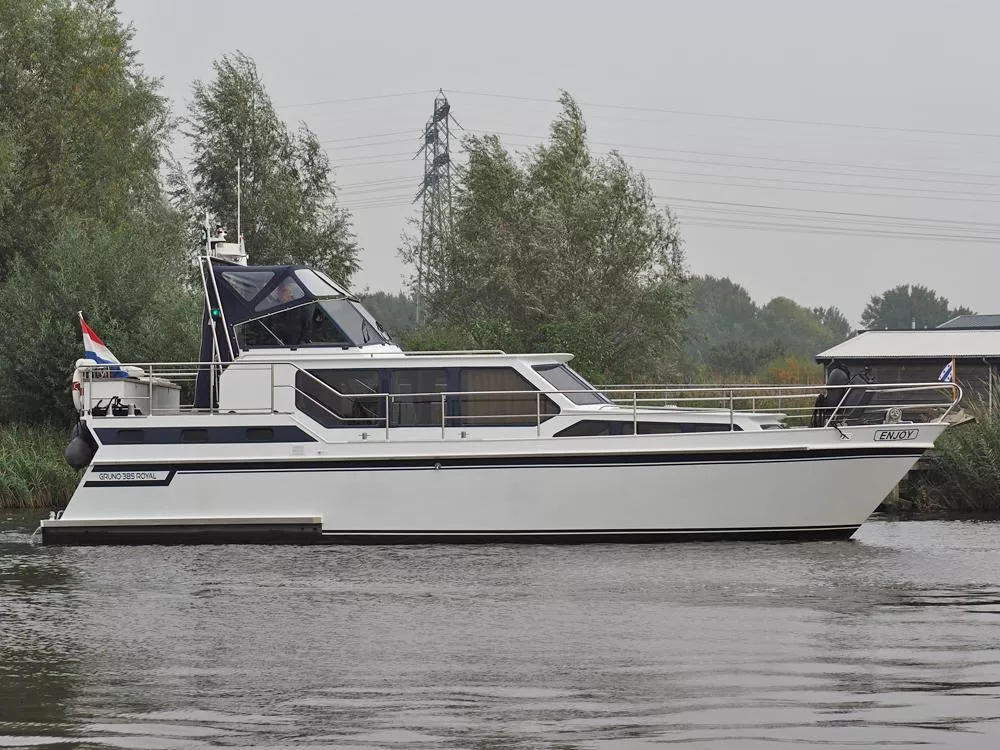
Images have been gathered from various sources and belong to their respective owners.
Review - Gruno 38 Sport

MarineBroker
11/21/2023, 8:56 AM
1994 Gruno 38 Sport: A Practical Guide to Buying, Inspecting, and Enjoying This Classic Motor Yacht
If you’ve been looking at the 1994 Gruno 38 Sport, you’re probably already drawn to the same things most people notice first: the classic Dutch styling, solid build quality, and the kind of roomy onboard layout that makes long weekends feel a lot more relaxed. But there’s usually one big challenge with a boat like this: figuring out whether the specific boat in front of you is truly a good buy, or just a pretty listing with hidden maintenance headaches.
That’s the real issue for many buyers. A well-kept 1994 Gruno 38 Sport can still be a very capable and enjoyable cruiser, but age, prior ownership, and maintenance history matter a lot. Cosmetic condition can be misleading. A clean cabin doesn’t always mean the engine, electrical system, decks, and plumbing are in equally good shape.
The good news is that this problem is manageable. With the right inspection approach, a little knowledge of common age-related issues, and a clear idea of what matters most in this model, you can make a much smarter decision. In this article, we’ll walk through what makes the Gruno 38 Sport appealing, what to check before buying, and how to keep it in good shape if you already own one.
- Why the 1994 Gruno 38 Sport still attracts buyers
The 1994 Gruno 38 Sport sits in that sweet spot between classic design and practical cruising comfort. Gruno boats are known for their sturdy construction and sensible layouts, and this model is no exception. For many boaters, that combination is more valuable than flashy speed or modern styling.
What makes this boat interesting is how well it fits real-world cruising. It’s not trying to be a raceboat. Instead, it focuses on comfort, stability, and livability, which is exactly what a lot of owners want for inland waterways, coastal hops, or extended stays aboard.
Common reasons people search for this model include:
- A spacious interior for its size
- Good visibility from the helm
- Comfortable liveaboard or weekend-cruising potential
- Traditional Dutch motor yacht character
- A reputation for solid, practical design
That said, age changes everything. A 1994 boat can be excellent, but only if the important systems have been cared for. This is why buyers need to look beyond the brochure-style appeal.
- The main problem: age-related wear can hide in plain sight
When shopping for a used motor yacht, the biggest mistake is assuming that “well maintained” means “problem free.” On a boat from 1994, wear often shows up in places you don’t notice during a casual walkthrough.
The most common trouble areas are usually:
- Engine and drivetrain condition
- Electrical system aging
- Moisture intrusion around windows, hatches, and deck fittings
- Fuel tank and hose deterioration
- Plumbing and sanitation system wear
- Upholstery, lining, and interior moisture damage
Even if the boat has been lightly used, time alone can cause issues. Rubber parts dry out, wiring becomes brittle, sealants fail, and corroded connections build up slowly.
The trick is to identify whether you’re looking at normal age-related maintenance or a larger, expensive repair project. That’s where a structured inspection comes in.
- What to inspect first on a 1994 Gruno 38 Sport
If you’re evaluating a 1994 Gruno 38 Sport, start with the systems that are most expensive to repair. A boat can look beautiful on the outside but still need major work underneath.
Here’s the order I’d recommend:
1. Engine and propulsion
2. Hull, deck, and moisture control
3. Electrical system
4. Fuel and plumbing systems
5. Interior condition and ventilation
6. Documentation and maintenance records
This order matters because cosmetic upgrades are usually optional, while mechanical and structural issues affect safety, reliability, and resale value.
- Engine and propulsion: the heart of the boat
On any older motor yacht, the engine is one of the first things to evaluate. Even a strong hull won’t save you from a tired engine or neglected drivetrain.
Check for:
- Easy starting from cold
- Smooth idle and acceleration
- Excessive smoke
- Unusual vibration
- Oil leaks or coolant leaks
- Corrosion around mounts and fittings
- Service records for oil, filters, belts, and impeller changes
If the boat has twin engines, the inspection becomes even more important because you’re comparing one side to the other. One engine may appear fine while the other has been neglected.
A sea trial is extremely valuable here. You want to see how the boat behaves under load, not just at the dock. Pay attention to:
- Engine temperature stability
- RPM response
- Steering feel
- Gear engagement
- Fuel consumption patterns, if available
If you don’t feel comfortable judging this yourself, bring in a marine mechanic. That small expense can save you from a very expensive mistake.
- Hull and deck: look for hidden moisture and structural issues
The hull on a 1994 Gruno 38 Sport should be examined carefully, especially around fittings, windows, and deck hardware. Older boats often develop leaks slowly, and the damage can spread behind panels or into insulation.
Look for:
- Blisters, cracks, or repairs in the hull
- Soft spots on the deck
- Staining around windows or hatches
- Rust around metal fittings
- Sealant failure at joints and penetrations
- Evidence of previous repairs
If the boat has a steel hull or steel elements, corrosion control becomes especially important. If it’s fiberglass, inspect for moisture intrusion and delamination. Either way, the goal is to understand whether the structure is sound.
A simple rule: if water has been getting in for years, the visible stain is usually only part of the problem.
- Electrical system: one of the most common weak points
Older boats often have electrical systems that have been modified several times over the years. That can mean a mix of original wiring, later additions, and a few “temporary” fixes that became permanent.
Check for:
- Clean, labeled wiring
- Properly fused circuits
- Battery age and condition
- Shore power safety
- Corrosion at terminals
- Working bilge pumps and alarms
- Charging system performance
A messy electrical panel is not just annoying. It can become a safety issue. Poor connections can cause voltage drops, intermittent failures, and overheating.
If you see a lot of household-style wire nuts, unprotected splices, or unlabeled cables, assume the system may need attention. That doesn’t automatically make the boat a bad buy, but it should affect the price.
- Interior condition: comfort matters, but moisture matters more
The interior of the 1994 Gruno 38 Sport is one of the reasons people are drawn to it. It likely offers a practical layout, decent headroom, and a comfortable cruising feel. But the interior should be judged on more than appearance.
Focus on:
- Musty odors
- Water staining on headliners or bulkheads
- Soft flooring
- Mold or mildew
- Cabinet swelling
- Ventilation quality
- Condition of upholstery and curtains
A fresh-looking cabin can still hide moisture problems. Boats that sit closed up for long periods often develop mildew, especially if ventilation is poor.
If the interior smells damp, investigate further. That odor usually means water intrusion, poor airflow, or both.
- Documentation: the easiest way to spot a good ownership history
A boat’s paperwork can tell you a lot about how it has been treated. For an older model like the 1994 Gruno 38 Sport, records are especially valuable.
Ask for:
- Maintenance logs
- Engine service receipts
- Survey reports
- Repair invoices
- Ownership history
- Registration and title documents
- Manuals for major systems
A boat with a thick file of records is often a better bet than one with vague answers and no documentation. You’re not just buying a hull and engine. You’re buying the history of how the boat has been used and maintained.
If records are missing, that doesn’t automatically mean the boat is bad. But it does mean you should inspect more carefully and budget more conservatively.
- Common buyer mistakes to avoid
A lot of first-time buyers make the same mistakes when they fall in love with a classic cruiser. The 1994 Gruno 38 Sport is the kind of boat that can tempt you into focusing on charm instead of condition.
Here are the biggest mistakes to avoid:
- Buying based on appearance alone
- Skipping a professional survey
- Ignoring maintenance records
- Underestimating electrical problems
- Overlooking moisture damage
- Failing to budget for immediate repairs
- Assuming “used recently” means “well maintained”
It’s also easy to get distracted by upgrades that look expensive but don’t actually solve the right problem. New cushions are nice. A healthy engine and dry structure are essential.
- How to turn the problem into a smart buying strategy
The solution is not to avoid older boats. It’s to evaluate them intelligently.
If you’re considering a 1994 Gruno 38 Sport, use this simple approach:
- Step 1: Decide how you’ll use the boat
Weekend cruising, extended trips, or liveaboard use all create different priorities.
- Step 2: Inspect the expensive systems first
Engine, hull, deck, electrical, and plumbing should come before cosmetics.
- Step 3: Get a professional survey
A marine surveyor can spot hidden issues and help you understand the true condition.
- Step 4: Estimate immediate post-purchase costs
Even a good boat may need new batteries, service work, sealant, or safety gear.
- Step 5: Negotiate based on facts
Use survey findings and service needs to support your offer.
This approach gives you control. Instead of hoping the boat is good, you’ll know what you’re dealing with.
- If you already own a 1994 Gruno 38 Sport: maintenance priorities that matter most
If the boat is already yours, the same principles apply. The goal is to stay ahead of wear before it becomes expensive.
Top maintenance priorities:
- Change engine oil and filters on schedule
- Inspect and replace hoses showing cracks or softness
- Test batteries and charging systems regularly
- Keep deck sealants fresh
- Check bilge pumps and float switches
- Ventilate the interior to reduce moisture
- Clean and inspect fuel filters
- Service steering and control systems
It helps to create a seasonal checklist. Boats age better when small issues are handled early.
A few practical habits go a long way:
- Open the boat regularly for airflow
- Run systems even during off-season storage
- Keep an eye on unusual odors, stains, or dampness
- Rinse and protect exposed metal fittings
- Document every repair and service item
This kind of routine is especially useful on classic motor yachts, where maintenance history directly affects reliability.
- Is the 1994 Gruno 38 Sport a good choice for the right buyer?
For the right buyer, yes. The 1994 Gruno 38 Sport can be a very appealing boat if you value comfort, traditional styling, and practical cruising over speed or modern gadgetry.
It tends to make the most sense for someone who:
- Appreciates older, well-built motor yachts
- Wants a comfortable cruising platform
- Is willing to inspect carefully before buying
- Understands that maintenance is part of ownership
- Values space and livability more than sporty performance
If you want a boat that feels solid and useful rather than flashy, this model can absolutely fit the bill. The key is buying condition, not just the nameplate.
- What a realistic buying mindset looks like
The best way to approach a boat like this is with a balanced mindset. Don’t expect perfection, but don’t ignore warning signs either.
A realistic buyer understands that:
- Every 1994 boat will need some attention
- Good maintenance is worth paying for
- A survey is an investment, not an extra
- Small issues can reveal bigger ones
- The cheapest boat upfront is not always the cheapest long term
That mindset helps you enjoy the process instead of getting burned by it. And with a classic cruiser like the Gruno, that matters.
- Conclusion
The 1994 Gruno 38 Sport remains an attractive option for buyers who want a capable, comfortable classic motor yacht. The main challenge is separating genuine value from hidden maintenance problems, especially in a boat that is now several decades old.
If you focus on the engine, structure, electrical system, and maintenance history, you’ll be in a much better position to judge the boat honestly. Whether you’re buying or already own one, the smartest solution is the same: inspect carefully, maintain consistently, and treat records as part of the boat’s value. If you’re still researching, it’s worth comparing surveys, service notes, and owner experiences before making a final decision.
Specifications
General
Boat Type: Power Boats
Class Type: Cruiser
Specifications
Length: 37.73
Beam: 12.3
Draft: 3.28
Hull Material: Steel
Build
First Built: 1994
Propulsion
Fuel Type: Diesel
Engines: 1
Power: 136 HP
Brand: Ford Lehman
Accomodation
Berths: 4
Cabins: 3
Bathrooms: 1
PROS & CONS
What we appreciated
 Solid build quality typical of 1990s Gruno boatsSpacious cockpit suitable for sport fishing and cruisingGood fuel efficiency with twin diesel enginesClassic design with a comfortable cabin layoutReliable performance in moderate sea conditions
What we didn’t appreciate
 Older electronics and navigation systems may need upgradingPossible wear and tear on engine and mechanical parts due to ageLimited modern amenities compared to newer sport boatsMaintenance and parts might be harder to sourceHeavier hull may reduce speed and agility
Upkeep Costs
Fuel: Approximately $3,000 - $6,000 per year depending on usage
Maintenance and Repairs: Around $2,000 - $4,000 annually
Insurance: Typically $800 - $1,500 per year
Docking/Storage Fees: Varies widely, generally $1,200 - $3,000 per year
Registration and Taxes: About $100 - $300 per year

Rating
6.0
User
Score
Score
Driveability
Technology
Interior
Design
Similar Boats


MarineBroker
Download now for an immersive boat experience like never before! ⛵✨ Your journey begins with a simple click. 🌊📲
#SetSailSmart #DownloadNow
#SetSailSmart #DownloadNow

Subscribe
Copyright 2017 - 2026, Marinebroker.net, All Rights Reserved