2013 Aquador 35 ST: What to Know Before Buying, Inspecting, or Upgrading This Scandinavian Cruiser
If you’ve been looking at the 2013 Aquador 35 ST, chances are you already know it has a strong reputation for smart design, solid ...
Discover
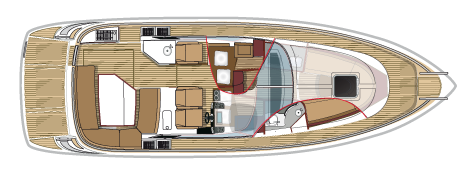
Images have been gathered from various sources and belong to their respective owners.
Review - Aquador 35 ST

MarineBroker
03/21/2024, 1:04 AM
2013 Aquador 35 ST: What to Know Before Buying, Inspecting, or Upgrading This Scandinavian Cruiser
If you’ve been looking at the 2013 Aquador 35 ST, chances are you already know it has a strong reputation for smart design, solid build quality, and comfortable cruising. It’s one of those boats that catches attention for good reason: practical layout, good offshore capability, and that clean Scandinavian style that still feels fresh years later.
But here’s the real challenge for most buyers and owners: finding out whether the boat is truly the right fit for your kind of boating. A used cruiser like the 2013 Aquador 35 ST can be a fantastic choice, but only if you understand what to inspect, what to expect, and what to budget for after the purchase. Hidden maintenance issues, outdated equipment, and unrealistic expectations can turn an exciting boat into an expensive headache.
The good news is that with the right approach, you can avoid most of those problems. In this article, we’ll walk through the key strengths of the 2013 Aquador 35 ST, the most common issues to watch for, and the practical steps that help you make a smart decision. Whether you’re buying, comparing, or maintaining one, this guide is here to make things easier.
- Why the 2013 Aquador 35 ST still stands out
The Aquador 35 ST is a sport-top cruiser that blends comfort and functionality in a way many boaters appreciate. It’s designed for people who want a capable family cruiser without moving into a much larger, more complicated yacht.
One of its biggest strengths is the layout. The boat is typically set up to make weekend cruising feel easy, with good visibility from the helm, usable deck space, and a cabin arrangement that supports overnight stays. For many owners, that balance is the whole appeal.
A few reasons this model remains popular:
- Strong Scandinavian construction reputation
- Practical space for coastal cruising and weekend trips
- Comfortable helm and cockpit arrangement
- Good protection from the elements compared with open sports boats
- A size that feels manageable without being cramped
For buyers, the 2013 model year often sits in that sweet spot between modern enough to be comfortable and old enough to be more affordable than brand-new alternatives. That said, age matters. Even a well-built boat needs a careful inspection.
- The real problem: buying a used cruiser without a clear checklist
The biggest issue with the 2013 Aquador 35 ST is not usually the boat itself. It’s the assumption that a clean-looking boat is automatically a healthy boat.
That’s where many buyers get caught. A used cruiser can look polished on the surface while hiding wear in systems that are expensive to repair. Things like engines, sterndrives, electronics, upholstery, seals, and plumbing can all be serviceable one day and costly the next if they’ve been neglected.
Common buyer mistakes include:
- Skipping a proper marine survey
- Not checking service records
- Underestimating engine and drive maintenance costs
- Ignoring moisture or water intrusion signs
- Assuming cosmetic condition equals mechanical condition
The solution is simple, but it takes discipline: inspect the boat like a machine, not just like a lifestyle purchase. That means looking beyond the shine and focusing on the systems that keep the boat safe, reliable, and enjoyable.
- 2013 Aquador 35 ST: what to inspect first
If you’re evaluating a 2013 Aquador 35 ST, start with the items most likely to affect safety, reliability, and future costs. These are the areas that can make or break the purchase.
- Engines and propulsion
Most boats in this class rely on twin engines or a similar performance setup, and that means engine health is a top priority. Ask for complete service records, including oil changes, impeller replacement, belt checks, and any major repairs.
Look for:
- Smooth cold starting
- Even idle and acceleration
- No unusual smoke
- No corrosion around engine components
- Clean oil and coolant condition
- Evidence of professional servicing
If the boat has sterndrives, inspect the bellows, gimbal bearings, trim systems, and propellers closely. Drive issues can be expensive fast, especially if saltwater use wasn’t followed by proper care.
- Hull and deck condition
The hull on a quality cruiser should be structurally sound, but age and use can still create issues. Look for cracks, repairs, osmosis signs, and any evidence of impact damage.
Pay special attention to:
- Stress cracks near fittings
- Soft spots on the deck
- Water intrusion around hatches and windows
- Discoloration or blistering below the waterline
- Poorly repaired gelcoat or fiberglass areas
A moisture meter and a professional survey can be very helpful here. If there’s hidden water intrusion, you want to know before money changes hands.
- Cabin and interior systems
The 2013 Aquador 35 ST is known for a comfortable interior, but cabin condition can reveal a lot about how the boat has been used and maintained.
Check for:
- Musty smells or mold
- Soft or stained upholstery
- Leaks around windows, hatches, and doors
- Proper operation of lights, pumps, and outlets
- Working toilet and freshwater system
- Condition of mattresses, cabinetry, and flooring
A boat can look beautiful in photos and still have moisture problems behind the panels. If the cabin smells damp, don’t ignore it.
- Electrical and electronics
Older electronics are often one of the first things owners end up replacing. That doesn’t necessarily mean the boat is a bad buy, but it does affect your budget.
Test:
- Chartplotter and radar, if fitted
- Battery charger and battery health
- Shore power system
- Switch panels and breakers
- Navigation lights
- Bilge pumps and alarms
Electrical issues on boats are often caused by corrosion, loose connections, or poor previous repairs. These problems may seem minor at first, but they can become frustrating and time-consuming.
- Common issues owners should expect
No used boat is perfect, and the 2013 Aquador 35 ST is no exception. The goal is not to find a flawless boat. It’s to identify realistic issues before they become surprises.
Some common things to watch for include:
- Aging upholstery and trim
- Outdated navigation electronics
- Wear in cockpit covers, canvas, or sunshades
- Engine service items due for replacement
- Corrosion on metal fittings in saltwater boats
- Window seal leaks
- Battery replacement needs
- Worn trim tabs or hydraulic components
These are not necessarily deal-breakers. In fact, many are normal for a boat of this age. The key is knowing what they cost and whether the asking price reflects them.
A good rule of thumb: if several medium-cost items need attention right away, the boat should be priced accordingly. Otherwise, you may end up paying twice—once to buy it and again to make it usable.
- How to solve the buying problem: use a smart inspection process
The most practical solution for anyone interested in the 2013 Aquador 35 ST is to follow a structured evaluation process. That helps you separate a well-kept cruiser from one that will drain your wallet.
Here’s a simple approach:
- Step 1: Review the boat’s history
Ask for maintenance records, ownership history, and storage details. Was it kept in freshwater or saltwater? Was it stored indoors or outdoors? Has it been used regularly or left sitting for long periods?
Boats that are used consistently and maintained properly often age better than boats that sit idle.
- Step 2: Hire a marine surveyor
A survey is one of the best investments you can make. A qualified marine surveyor can spot structural issues, water intrusion, and safety concerns that a casual buyer might miss.
If the boat has engines and drives, consider an engine mechanic’s inspection too. That combination gives you a much clearer picture of overall condition.
- Step 3: Sea trial the boat
A sea trial is essential. This is where you see how the boat behaves under real conditions.
During the trial, check:
- Acceleration and top-end performance
- Steering response
- Engine temperatures and pressures
- Vibration or unusual noise
- Trim behavior
- Docking maneuverability
A boat that looks great at the dock may reveal problems once underway. That’s exactly why the sea trial matters.
- Step 4: Estimate immediate post-purchase costs
Before you buy, make a realistic list of what you may need to replace or service soon after purchase.
Examples:
- Batteries
- Antifouling
- Safety gear
- Filters and fluids
- Canvas or covers
- Electronics upgrades
- Upholstery repairs
This helps you understand the real cost of ownership, not just the purchase price.
- Why the 2013 Aquador 35 ST can still be a smart choice
Despite the inspection checklist and maintenance concerns, the 2013 Aquador 35 ST can be a very sensible buy for the right owner. It’s especially appealing if you want a boat that feels refined without being oversized.
The boat’s strengths make it a good fit for:
- Couples who want comfortable weekend cruising
- Families looking for a manageable cabin cruiser
- Boaters moving up from smaller day boats
- People who value quality construction and practical layouts
- Owners who cruise coastal waters and protected offshore routes
It’s not the boat for someone who wants the cheapest possible ownership experience. But for buyers who appreciate thoughtful design and are willing to maintain it properly, it can deliver a lot of value.
- Maintenance tips that help protect your investment
If you already own a 2013 Aquador 35 ST, the best way to keep it in good shape is to stay ahead of small issues. Boats usually become expensive when maintenance gets delayed.
Focus on these habits:
- Flush engines after saltwater use
- Keep batteries charged and tested
- Inspect seals and caulking regularly
- Clean and protect metal fittings
- Service pumps, filters, and drives on schedule
- Keep bilges clean and dry
- Cover the boat properly when not in use
A few hours of preventative care can save you from major repairs later. That’s especially true on cruisers with more systems packed into a relatively compact space.
- What to budget for if you’re buying used
Budgeting is where many buyers underestimate the real cost of ownership. Even a well-kept 2013 Aquador 35 ST may need a few updates after purchase.
A reasonable post-purchase budget might include:
- Survey and inspection costs
- Mechanical servicing
- Safety equipment replacement
- Cosmetic touch-ups
- Electronics upgrades
- Winterization or commissioning
- Mooring, storage, and insurance costs
If the boat has been sitting unused, expect more work. If it has been maintained continuously, the transition may be smoother. Either way, building a reserve fund is one of the smartest things you can do.
- Is the 2013 Aquador 35 ST right for you?
This boat makes the most sense if you want a comfortable, well-designed cruiser and you’re willing to buy carefully. It’s not about chasing the flashiest model on the market. It’s about choosing a boat that fits your cruising style and can be maintained sensibly.
Ask yourself:
- Do I want a boat for weekend trips and coastal cruising?
- Am I comfortable with ongoing maintenance?
- Can I budget for inspections and repairs?
- Do I prefer quality and practicality over huge size?
If the answer is yes, the 2013 Aquador 35 ST could be a very rewarding choice. If you’re looking for something that requires minimal attention and zero upgrades, any used cruiser may disappoint.
- Conclusion
The 2013 Aquador 35 ST remains an attractive option for boaters who want a capable, comfortable cruiser with a strong practical layout. The key to making it work is not just liking the boat, but inspecting it carefully and budgeting realistically. Focus on the engines, drives, hull, cabin, and electrical systems, and always verify maintenance history before making a decision.
With the right checks and a clear plan, you can avoid the most common used-boat problems and enjoy the strengths this model has to offer. If you’re still comparing options, it’s worth exploring more ownership guides, survey tips, and maintenance resources before you buy. A little research now can save a lot of stress later.
Specifications
General
Boat Type: Power Boats
Class Type: Cruiser
Specifications
Length: 34.78
Beam: 11.32
Draft: 3.44
Hull Material: GRP
Build
First Built: 2013
Propulsion
Fuel Type: Diesel
Engines: 1
Power: 330 HP
Brand: Unknown
Accomodation
Berths: 8
PROS & CONS
What we appreciated
 Spacious and comfortable cabin suitable for overnight tripsSolid build quality with Scandinavian design and craftsmanshipGood performance with efficient and reliable enginesWell-equipped helm station with modern navigation and controlsVersatile layout suitable for both cruising and fishing
What we didn’t appreciate
 Relatively heavy, which may affect fuel consumptionLimited storage space compared to some competitorsHigher maintenance costs due to premium componentsLess agile in tight docking situations because of sizeOlder model, so some electronics may be outdated without upgrades
Upkeep Costs
Fuel: Approximately $10,000 - $15,000 per year depending on usage
Maintenance and Repairs: $5,000 - $8,000 per year
Insurance: $1,200 - $2,000 per year
Docking/Storage Fees: $3,000 - $7,000 per year
Winterization and Annual Service: $1,000 - $2,000 per year

Rating
7.4
User
Score
Score
Driveability
Technology
Interior
Design
Similar Boats


MarineBroker
Download now for an immersive boat experience like never before! ⛵✨ Your journey begins with a simple click. 🌊📲
#SetSailSmart #DownloadNow
#SetSailSmart #DownloadNow

Subscribe
Copyright 2017 - 2026, Marinebroker.net, All Rights Reserved