2013 Aquador 32 C: What to Know Before You Buy, Inspect, or Upgrade
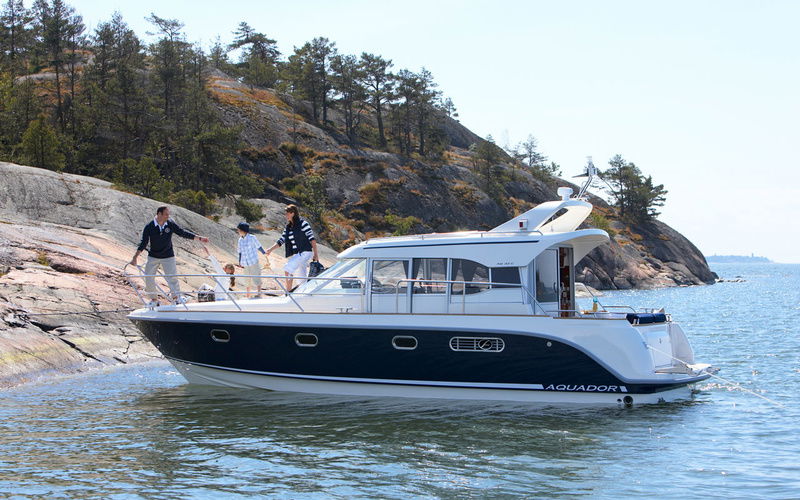
If you’re looking at a 2013 Aquador 32 C, you’re probably already drawn to the same things most boaters notice first: the clean Scandinavian styling, smart use o...
Discover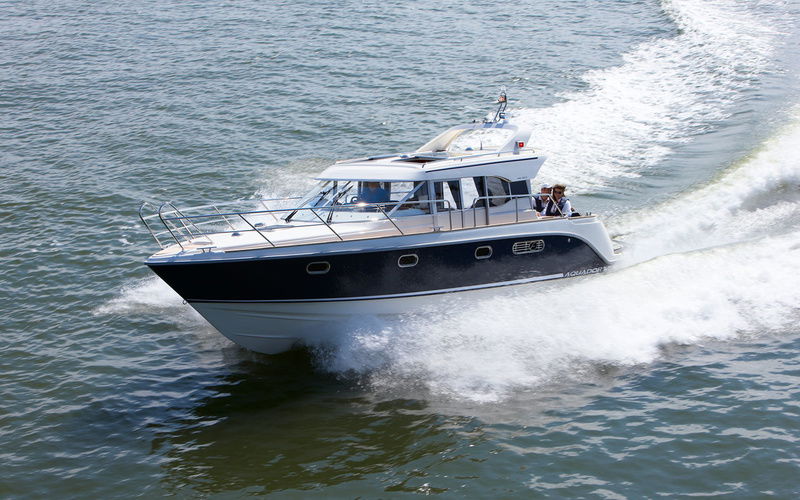


Images have been gathered from various sources and belong to their respective owners.
Review - Aquador 32 C

MarineBroker
03/21/2024, 12:58 AM
2013 Aquador 32 C: What to Know Before You Buy, Inspect, or Upgrade
If you’re looking at a 2013 Aquador 32 C, you’re probably already drawn to the same things most boaters notice first: the clean Scandinavian styling, smart use of space, and the kind of practical layout that makes weekends on the water feel easy instead of stressful. But once the excitement settles, a more important question usually comes up: how do you tell whether a specific boat is actually a good buy, well maintained, and suited to the kind of boating you want to do?
That’s the real challenge with any used cruiser. A boat like the 2013 Aquador 32 C can be a fantastic all-rounder, but only if you understand what to look for. Buyers often focus on cosmetics, hours on the engines, or the advertised price, while overlooking the details that matter most: service history, moisture issues, systems condition, and whether the layout truly fits their boating style.
The good news is that this is a solvable problem. With the right checklist, a realistic inspection plan, and a clear idea of what makes this model special, you can approach the 2013 Aquador 32 C with confidence.
- What Makes the 2013 Aquador 32 C Stand Out
The Aquador 32 C sits in that sweet spot between compact cruiser and capable family boat. It’s designed for boaters who want comfort, shelter, and smart deck use without moving into a much larger, more expensive vessel.
One of the biggest strengths of this model is its practical Scandinavian design. Aquador has long been known for building boats that prioritize usability in real conditions, especially in cooler or changeable climates. That means good protection from the elements, sensible helm ergonomics, and a layout that makes day trips and overnight stays feel straightforward.
For many buyers, the appeal comes from a few key traits:
- A protected cockpit and helm area
- A usable cabin for weekends away
- A size that is manageable for many owners
- A reputation for solid build quality
- Flexible cruising for coastal, lake, or inland water use
If you’re comparing the 2013 Aquador 32 C to other cruisers in its class, think of it less as a flashy showpiece and more as a well-thought-out tool for real boating. That’s usually a good thing. Boats that are designed around function tend to age better in the hands of practical owners.
- The Main Problem Buyers Face with a Used 2013 Aquador 32 C
The biggest issue is not usually whether the boat looks good. It’s whether the boat has been maintained properly over time.
A used cruiser can hide a lot behind polished gelcoat and a tidy cabin. The 2013 Aquador 32 C, like any boat of this age, may have wear in systems that are expensive to repair if neglected. Common buyer concerns include:
- Engine and drive maintenance gaps
- Electrical issues from age or moisture
- Soft spots, leaks, or water intrusion
- Worn upholstery or interior fittings
- Corrosion on hardware and fittings
- Poorly documented servicing or upgrades
This is where many buyers get stuck. They like the boat, but they’re unsure how to judge whether the asking price reflects the real condition. That uncertainty can lead to overpaying, skipping an important inspection, or buying a boat that needs more work than expected.
The solution is not to avoid the model. It’s to inspect it like a professional would.
- How to Evaluate a 2013 Aquador 32 C Properly
When shopping for a used cruiser, condition matters more than age alone. A well-kept 2013 Aquador 32 C can be a far better purchase than a newer boat that has been ignored.
Here’s the smart way to evaluate one.
- Start with the service history
Paperwork tells a big part of the story. Ask for:
- Engine service records
- Drive or propulsion maintenance logs
- Winterization and commissioning notes
- Battery replacement history
- Any records of major repairs or upgrades
A boat with regular documented maintenance is usually a much safer bet than one with “owner says it’s been looked after” but no proof. Service records also help you estimate future costs more accurately.
- Inspect the hull and deck carefully
Look for signs of stress, repair, or water intrusion. Pay special attention to:
- Gelcoat cracks around fittings
- Soft spots on deck surfaces
- Evidence of previous impact repairs
- Moisture around windows, hatches, and deck hardware
- Poor sealant work or repeated caulking
A small crack may be cosmetic, but repeated cracking or signs of movement can point to deeper issues. On a boat this size, hull and deck integrity are too important to guess about.
- Check the cabin for moisture and odor
The cabin should smell like a boat, not like a damp basement. Musty odors can indicate hidden leaks or poor ventilation.
Look at:
- Around windows and portlights
- Under cushions and berth bases
- Inside lockers and storage compartments
- Around the head compartment
- Beneath carpets or floor coverings
Moisture problems can be expensive because they often affect more than one area. They can also point to neglected maintenance, which may extend to other systems.
- Test every system, not just the engines
A lot of buyers focus almost entirely on engine hours. That’s important, but it’s only part of the picture.
Make sure you test:
- Navigation electronics
- Bilge pumps
- Freshwater system
- Head and holding tank system
- Shore power connections
- Cabin lighting
- Windlass, if fitted
- Trim tabs or similar control systems
- Heating or climate equipment, if installed
A boat with reliable propulsion but failing onboard systems can still become expensive and frustrating to own.
- Why the 2013 Aquador 32 C Appeals to Practical Cruisers
This model is especially attractive to boaters who want comfort without complexity. It’s not trying to be a massive luxury yacht. Instead, it offers a balanced experience that works well for weekend cruising, coastal hopping, and family use.
That makes it a strong option for people who want:
- Easy boarding and movement around the boat
- A sheltered helm for changing weather
- Enough cabin comfort for overnight trips
- A layout that supports relaxed day cruising
- A boat that feels substantial without being overwhelming
For many owners, the value is in how the boat supports real life on the water. You don’t need a giant vessel to enjoy a proper cruise. You need something that’s manageable, comfortable, and dependable.
- Common Wear Points to Watch on a 2013 Aquador 32 C
Any used boat will have its own age-related issues, but some areas deserve extra attention on a cruiser like this.
- Engines and propulsion
Whether the boat has inboard engines, stern drives, or another setup, the propulsion system should be inspected thoroughly. Look for:
- Smooth cold starting
- Clean idle behavior
- No unusual smoke
- No vibration under load
- No overheating
- No oil, coolant, or fuel leaks
If the engines haven’t been run regularly or maintained on schedule, the repair bill can climb quickly.
- Electrical systems
Electrical problems are among the most common headaches on used boats. Corrosion, loose connections, and battery neglect can cause strange issues that are hard to trace.
Check for:
- Clean battery terminals
- Proper charging
- Working gauges and displays
- No signs of amateur wiring
- Dry, organized electrical panels
Messy wiring is often a warning sign that the boat has been handled casually.
- Windows, seals, and hatches
On a well-designed cruiser, weatherproofing matters. Water intrusion around windows or hatches can lead to damage that spreads slowly and quietly.
Inspect:
- Sealant condition
- Frame corrosion
- Staining around trim
- Water marks on liners or headliners
If you see recurring leaks, don’t dismiss them as minor. Repeated intrusion usually means repeated maintenance has been needed.
- Interior condition
Interior wear is not just about looks. It can hint at how the boat was used and stored.
Watch for:
- Sun-faded upholstery
- Loose cabinetry
- Worn flooring
- Water staining
- Broken latches or hinges
A tidy interior often suggests careful ownership, but it should never replace a real mechanical inspection.
- How to Compare a 2013 Aquador 32 C to Similar Boats
If you’re shopping in this size range, you’re likely comparing the 2013 Aquador 32 C with other compact cruisers from Scandinavian or European builders. The best comparison method is not by brand reputation alone.
Compare boats using these practical factors:
- Condition and maintenance history
- Layout efficiency
- Fuel economy and range
- Ease of handling at low speed
- Cabin comfort for your typical trips
- Availability of parts and service support
- Total ownership costs
A boat that looks slightly less polished but has better records and healthier systems is often the smarter buy. The cheapest boat on the market can become the most expensive one after repairs.
- What a Good Pre-Purchase Inspection Should Include
If you’re serious about buying a 2013 Aquador 32 C, a professional survey is worth it. Even experienced boaters benefit from a trained set of eyes.
A proper inspection should include:
1. Hull and deck survey
2. Moisture readings in suspect areas
3. Engine and propulsion inspection
4. Sea trial under different conditions
5. Electrical and battery system testing
6. Safety equipment review
7. Review of maintenance documents
8. Inspection of thru-hulls, hoses, and bilge areas
If possible, attend the survey yourself. You’ll learn a lot by watching what the surveyor checks and asking questions in real time.
A sea trial is especially important. A boat can look excellent at the dock and still show issues once underway. Listen for vibration, note steering response, and see how the boat behaves at cruising speed and during maneuvering.
- Practical Ownership Tips After You Buy
If you do end up with a 2013 Aquador 32 C, the best way to protect your investment is simple: stay ahead of maintenance.
A few habits go a long way.
- Keep a written maintenance log
- Flush and inspect systems after use
- Check seals and fittings regularly
- Service engines and drives on schedule
- Replace batteries before they fail completely
- Store the boat properly in the off-season
- Fix small leaks or electrical faults quickly
Boats age gracefully when owners treat small issues early. They age badly when little problems are ignored until they become big ones.
It also helps to make a seasonal checklist. Before launch, test all pumps, lights, and electronics. Before storage, inspect for corrosion, drain water where needed, and clean the boat thoroughly. That routine alone can prevent a lot of frustration.
- Is the 2013 Aquador 32 C a Good Fit for You?
This boat makes the most sense for buyers who value comfort, practical cruising, and a sensible layout over pure speed or oversized luxury. If you want a cruiser that feels thoughtfully designed and manageable, it can be a very appealing option.
It may be a strong fit if you:
- Cruise with family or a small group
- Prefer protected cockpit space
- Want overnight capability without a huge boat
- Value build quality and functional design
- Are willing to inspect carefully before buying
It may be less ideal if you want a very large open layout, minimal maintenance, or a boat that has already been heavily upgraded without proper documentation. In the used market, condition and care matter more than the badge on the side.
- Smart Buying Strategy for the 2013 Aquador 32 C
If you want the best chance of getting a good boat, use a simple decision process:
- Shortlist boats with strong service records
- Eliminate any with obvious moisture or structural concerns
- Compare total ownership cost, not just asking price
- Arrange a survey and sea trial
- Budget for immediate maintenance after purchase
That final point is important. Even the best used boat usually needs a few things right away. A realistic post-purchase budget helps you avoid surprises and enjoy the boat sooner.
The goal is not to find a perfect used cruiser. The goal is to find a well-cared-for one with manageable needs and a layout that fits your boating life.
- Conclusion
The 2013 Aquador 32 C can be a very appealing used cruiser for buyers who want comfort, practicality, and a sensible layout in a manageable size. The key is not to judge it by appearance alone. A careful review of service history, moisture, systems, and propulsion condition will tell you far more than a glossy listing ever will.
If you approach the search with a solid inspection checklist and a realistic view of ownership costs, you’ll be in a much better position to make a confident decision. For anyone interested in the 2013 Aquador 32 C, that’s the real solution: buy the boat based on evidence, not hope. If you’re still comparing options, it’s worth digging into survey advice, maintenance guides, and model-specific ownership forums before you commit.
Specifications
General
Boat Type: Power Boats
Class Type: Cruiser
Specifications
Length: 31.82
Beam: 11.32
Draft: 3.44
Hull Material: GRP
Build
First Built: 2013
Propulsion
Fuel Type: Diesel
Engines: 1
Power: 285 HP
Brand: Unknown
Accomodation
Berths: 6
PROS & CONS
What we appreciated
 Spacious and comfortable cabin layout suitable for overnight tripsSolid build quality with durable materials and craftsmanshipGood performance and handling for a boat of its sizeWell-equipped with modern navigation and safety features for its model yearVersatile design suitable for both cruising and fishing activities
What we didn’t appreciate
 Relatively high fuel consumption compared to smaller boatsLimited storage space for extended tripsMaintenance and repair costs can be higher due to premium partsOlder electronics may require upgrades to current standardsCan be challenging to maneuver in tight marina spaces due to size
Upkeep Costs
Fuel: Approximately $5,000 - $8,000 per year depending on usage
Maintenance and Repairs: Around $2,000 - $4,000 annually
Insurance: Typically $1,000 - $2,000 per year
Docking and Storage: $1,500 - $3,000 annually
Winterization and Annual Service: $800 - $1,500
Rating
7.5
User
Score
Score
Driveability
Technology
Interior
Design
Similar Boats


MarineBroker
Download now for an immersive boat experience like never before! ⛵✨ Your journey begins with a simple click. 🌊📲
#SetSailSmart #DownloadNow
#SetSailSmart #DownloadNow

Subscribe
Copyright 2017 - 2026, Marinebroker.net, All Rights Reserved