Boat Database » Alloy Yachts Irelanda
Alloy Yachts Irelanda
Inboard Direct-Drive, Diesel, 1x 530 HP
Sail Boats 1996 Alloy Yachts Irelanda: A Practical Guide to Understanding, Inspecting, and Enjoying a Classic Superyacht
If you’ve been looking into the 1996 Alloy Yachts Irelanda, chances are you’re trying to figure out what makes this yac...
Discover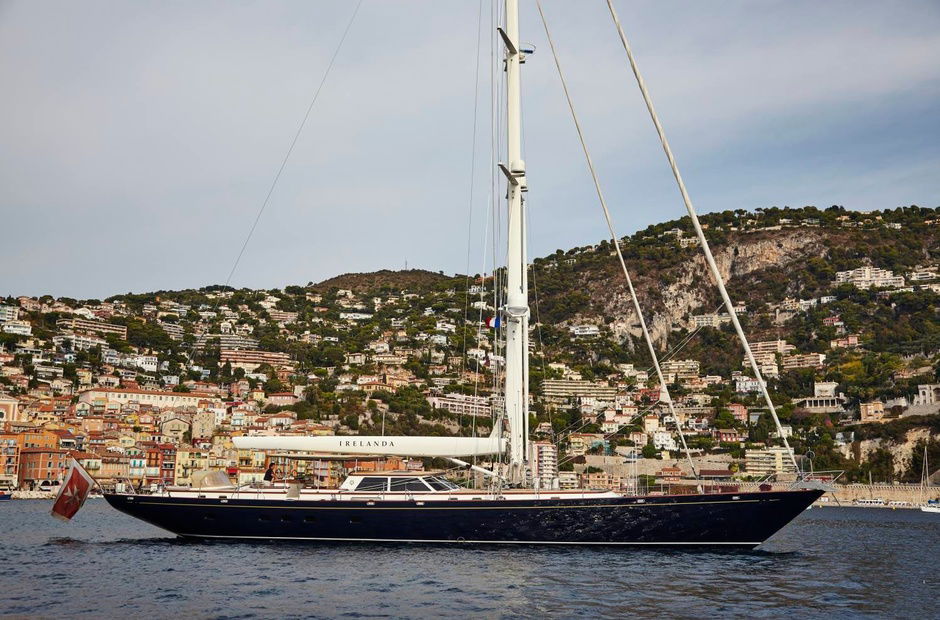

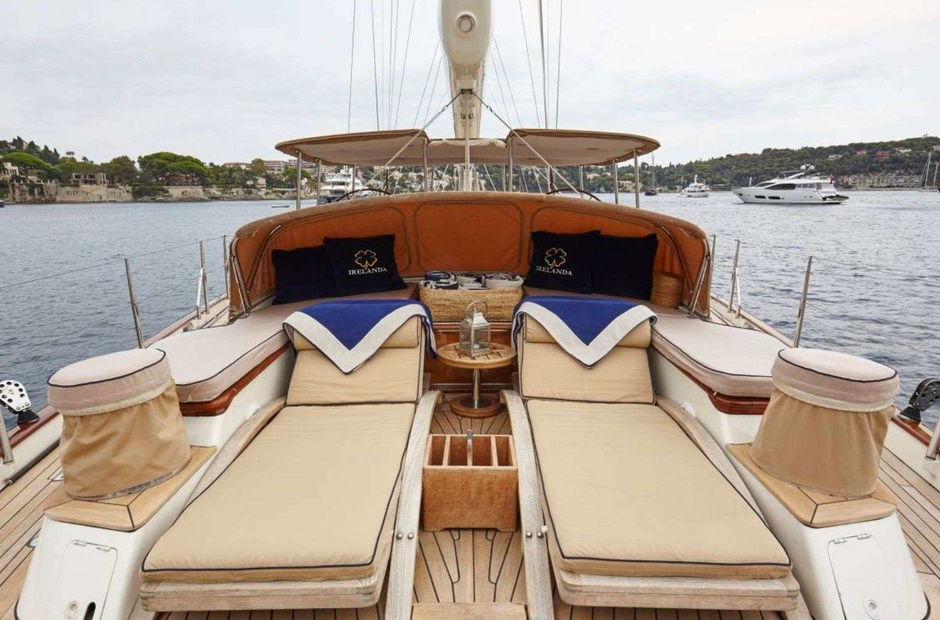
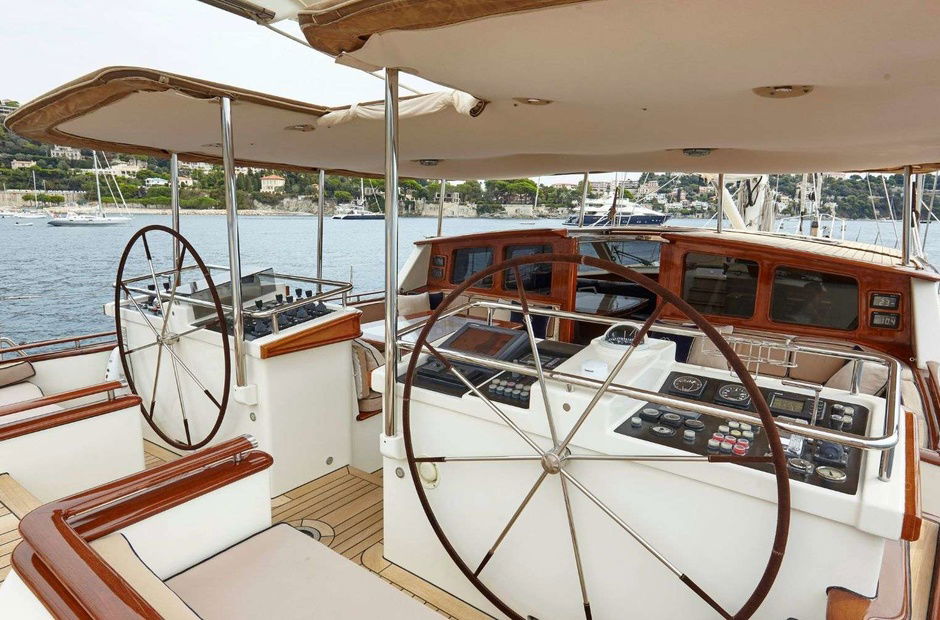
Images have been gathered from various sources and belong to their respective owners.
Review - Alloy Yachts Irelanda

MarineBroker
02/18/2024, 5:48 AM
1996 Alloy Yachts Irelanda: A Practical Guide to Understanding, Inspecting, and Enjoying a Classic Superyacht
If you’ve been looking into the 1996 Alloy Yachts Irelanda, chances are you’re trying to figure out what makes this yacht special, whether it’s a smart purchase, and what kind of upkeep or refit work might be involved. That’s a very normal question, especially with older custom-built yachts. A boat from the mid-1990s can offer incredible craftsmanship and timeless lines, but it can also come with hidden maintenance needs that aren’t obvious at first glance.
That’s really the big challenge with a yacht like the 1996 Alloy Yachts Irelanda: how do you tell the difference between a well-kept classic and a project that could become expensive fast? The good news is that with the right approach, you can evaluate the yacht properly, understand its strengths, and make informed decisions about ownership, refit planning, and long-term use.
In this article, we’ll break down what to look for, what matters most in a yacht of this age, and how to approach it like an experienced buyer or enthusiast rather than just a dreamer.
- What Makes the 1996 Alloy Yachts Irelanda Stand Out?
The 1996 Alloy Yachts Irelanda belongs to a class of yachts that were built during an era when craftsmanship, custom design, and long-range capability mattered a lot. Alloy Yachts, as a builder, earned a strong reputation for producing high-quality aluminum yachts that balance performance with elegance.
For many boating enthusiasts, a yacht like this stands out for a few reasons:
- It was built by a respected custom yacht builder
- It likely features an aluminum hull, which is valued for strength and lighter weight
- It reflects a design style that still feels refined and timeless
- It may offer a layout and build quality that newer production yachts often can’t match
For buyers and enthusiasts, the appeal is not just the name. It’s the combination of pedigree, engineering, and the potential for a yacht that still performs well decades later.
At the same time, older luxury yachts are rarely “plug and play.” Even a well-built vessel needs careful evaluation. That’s why understanding the condition, history, and maintenance profile of the 1996 Alloy Yachts Irelanda is so important.
- Why Older Custom Yachts Need a Different Buying Mindset
A lot of people approach a classic yacht like they would a newer boat. That can lead to surprises.
With a 1996 yacht, the most important question is not just “Does it look good?” but “How has it been maintained over time?” A properly cared-for yacht can remain highly usable for years. A neglected one can become a money pit very quickly.
Here’s the mindset shift that helps:
- Don’t buy based on appearance alone
- Focus on systems, structure, and service history
- Expect some level of updating, even on a well-maintained yacht
- Plan for survey costs, refit costs, and ongoing ownership expenses
The 1996 Alloy Yachts Irelanda may be attractive because of its pedigree, but the real value comes from condition and documentation. A strong maintenance record is often worth more than a shiny finish.
- The Main Problem: How to Judge Whether the Yacht Is a Smart Choice
The biggest problem for most people interested in the 1996 Alloy Yachts Irelanda is uncertainty.
You may be wondering:
- Is it structurally sound?
- Are the mechanical systems still reliable?
- Will refitting cost more than the yacht is worth?
- Is it suitable for cruising, charter, or private use?
- How much ongoing maintenance should I expect?
These are all valid concerns. Older yachts can be fantastic, but only if you understand what you’re getting into.
The solution is to evaluate the boat in layers:
1. Structure
2. Mechanical systems
3. Electrical and electronics
4. Interior condition
5. Maintenance history
6. Intended use
That process helps you determine whether the yacht is a good fit for your goals.
- What to Check First on the 1996 Alloy Yachts Irelanda
If you’re seriously considering this yacht, the first step is a proper inspection. A marine survey is essential, but you can also learn a lot before you get that far.
Focus on these areas:
- Hull and structure
- Deck condition
- Signs of corrosion or repair
- Engine room cleanliness and accessibility
- Generator and auxiliary systems
- Plumbing, pumps, and tanks
- Navigation electronics
- Rigging and sails, if applicable
- Interior moisture or soft spots
- Service records and ownership history
Aluminum yachts are strong, but they require attention to corrosion control and proper maintenance. Look closely at any areas where different metals meet, because galvanic corrosion can become an issue if the boat hasn’t been maintained correctly.
Also, don’t underestimate the value of a clean, organized engine room. It often tells you a lot about how the yacht has been cared for overall.
- Why Maintenance History Matters More Than Age
A 1996 yacht doesn’t automatically mean “old and tired.” In fact, many yachts from that era can still be excellent if they’ve been maintained consistently.
What matters most is the paper trail.
Ask for:
- Engine service logs
- Generator maintenance records
- Refits or upgrades
- Survey reports
- Records of corrosion treatment
- Electrical rewiring work
- Interior restoration notes
- Spare parts inventory
A yacht with documented maintenance is much easier to evaluate. It helps you estimate future costs and reduces the risk of hidden problems.
For example, if the 1996 Alloy Yachts Irelanda has had modern navigation systems installed, updated safety gear, and regular mechanical servicing, it may be far more practical than another yacht of the same age with no records at all.
- Common Issues to Watch for on a Yacht of This Age
Every older yacht has its weak points. The goal isn’t to panic. It’s to know where to look.
Common issues on a 1990s custom yacht can include:
- Aging electronics that may no longer be supported
- Worn upholstery, joinery, or soft furnishings
- Outdated plumbing components
- Corrosion around fittings and fasteners
- Deferred maintenance on engines or generators
- Aging hoses, seals, and gaskets
- Electrical systems that need modernization
- Rigging that may be near replacement age
If the yacht has been used regularly, some wear is normal. The key is whether the wear is cosmetic or structural.
Cosmetic updates are manageable. Structural or mechanical neglect is where costs can rise quickly.
- The Value of a Survey and Sea Trial
If you’re evaluating the 1996 Alloy Yachts Irelanda, a survey and sea trial are non-negotiable.
A survey helps identify hidden issues, while a sea trial shows how the yacht actually behaves under power or sail.
During the survey, the professional should assess:
- Hull integrity
- Moisture intrusion
- Structural repairs
- Machinery condition
- Electrical safety
- Safety equipment
- Compliance with current standards
During the sea trial, pay attention to:
- Engine startup and idle behavior
- Steering response
- Vibration or unusual noise
- Acceleration and cruising performance
- Temperature and pressure readings
- System alarms
- Ease of handling
If the yacht performs well but has a few manageable issues, that’s often a good sign. If the trial reveals major mechanical instability, you may be looking at a larger project than expected.
- How to Estimate Refitting Needs Without Overpaying
One of the biggest mistakes buyers make is underestimating refit costs.
A classic yacht can look like a bargain until you start updating systems. That’s why it helps to separate upgrades into categories:
- Essential safety repairs
- Mechanical reliability improvements
- Cosmetic refreshes
- Comfort and convenience upgrades
- Technology modernization
For example:
- Replacing outdated electronics may be helpful, but not urgent
- Servicing engines and generators is essential
- Fixing corrosion is more important than new upholstery
- Replacing hoses and seals is smart preventive maintenance
If you’re interested in the 1996 Alloy Yachts Irelanda, build a realistic budget before making an offer. A good rule is to assume some level of post-purchase work unless the boat has recently undergone a major refit.
- Is the 1996 Alloy Yachts Irelanda Better for Cruising or Collecting?
That depends on your goals.
Some people want a yacht like this for active cruising. Others see it as a collectible vessel with strong pedigree and character. Both are valid reasons, but they lead to different expectations.
If you want to cruise, focus on:
- Reliability
- Fuel efficiency
- Safety systems
- Comfort at sea
- Ease of operation
- Availability of spare parts
If you value the yacht as a classic, focus on:
- Original design integrity
- Builder reputation
- Quality of materials and joinery
- Historical significance
- Condition of the interior and exterior styling
The 1996 Alloy Yachts Irelanda may appeal to both groups, but the best choice depends on whether you want a working yacht, a restored classic, or a mix of both.
- Practical Tips for First-Time Buyers
If you’re new to older luxury yachts, keep things simple and methodical.
Here are some practical tips:
1. Hire the right surveyor
Choose someone experienced with aluminum custom yachts, not just general fiberglass boats.
2. Review the maintenance log carefully
A well-documented yacht is easier to trust.
3. Budget for immediate repairs
Even excellent yachts often need a few updates after purchase.
4. Don’t skip the sea trial
It can reveal issues that dockside inspection won’t show.
5. Check parts availability
Older systems may still work, but sourcing replacements can take time.
6. Ask about previous refits
Major upgrades can add real value if done properly.
7. Think about your usage pattern
A yacht used for occasional weekends has different needs than one used for long passages.
These steps reduce risk and make the buying process much more manageable.
- How to Keep an Older Alloy Yacht in Good Shape
If you already own, or plan to own, a yacht like the 1996 Alloy Yachts Irelanda, prevention is everything.
Good maintenance habits include:
- Regular cleaning and corrosion checks
- Monitoring bilges for leaks or unusual water intrusion
- Servicing engines and generators on schedule
- Replacing aging hoses and clamps before failure
- Keeping electrical connections dry and protected
- Inspecting seals, windows, and deck fittings
- Running systems regularly, even during off-season periods
Aluminum yachts especially benefit from careful corrosion management. Small issues can become bigger ones if ignored. A proactive maintenance schedule is usually far cheaper than reactive repairs.
- Why the Right Support Team Makes a Huge Difference
Owning or evaluating a classic yacht is much easier when you have the right people around you.
A strong support team might include:
- A marine surveyor
- A captain or yacht manager
- A diesel mechanic
- An electrician familiar with marine systems
- A yard experienced with aluminum yachts
- A rigger, if the yacht has sailing systems
This matters because no one person sees everything. The 1996 Alloy Yachts Irelanda may be beautifully built, but its long-term value depends on the quality of the people maintaining it.
A knowledgeable team can help you spot issues early, prioritize repairs, and avoid unnecessary spending.
- What Makes This Yacht Worth Considering
Despite the work that can come with an older yacht, there’s a reason people still get excited about boats like the 1996 Alloy Yachts Irelanda.
It offers the kind of character that’s hard to replicate in modern production yachts. You’re not just buying a vessel. You’re buying craftsmanship, design heritage, and the possibility of a very rewarding ownership experience.
For the right buyer, that can be a big advantage.
It may be a smart option if you value:
- Custom build quality
- Classic yacht styling
- Strong offshore capability
- A yacht with personality
- The potential for a thoughtful refit
The key is to approach it with clear eyes, not just enthusiasm.
- Conclusion
The 1996 Alloy Yachts Irelanda is the kind of yacht that attracts people who appreciate quality, character, and serious craftsmanship. But like any classic vessel, its value depends on more than its name or appearance. The real question is how well it has been maintained, what condition its systems are in, and how closely it matches your goals.
If you’re considering this yacht, take your time, get a proper survey, review the maintenance history, and budget realistically for any needed upgrades. That approach turns uncertainty into confidence. With the right preparation, a yacht like this can be far more than a purchase—it can become a rewarding and capable part of your boating life. If you want to keep learning, explore more guides on classic yacht ownership, surveys, and refit planning before making your next move.
Specifications
General
Boat Type: Sail Boats
Class Type: Cruiser
Specifications
Length: 104.99
Beam: 23.62
Draft: 11.48
Hull Material: Aluminium
Build
First Built: 1996
Propulsion
Fuel Type: Diesel
Engines: 1
Power: 530 HP
Brand: Lugger
Accomodation
Cabins: 3
PROS & CONS
What we appreciated
 High-quality construction with durable alloy materialsClassic design by Alloy Yachts known for craftsmanshipSpacious interior layout suitable for extended cruisingSolid reputation for seaworthiness and stabilityPotential for customization and refitting due to robust build
What we didn’t appreciate
 Older model, may require significant maintenance or upgradesHeavier alloy construction can affect speed and handlingLimited availability of original parts due to agePossible outdated onboard systems and electronicsHigher operating costs compared to newer, more efficient boats
Upkeep Costs
Annual insurance: $1,200 - $3,000
Docking/Marina fees: $2,000 - $7,000 per year
Maintenance and repairs: $3,000 - $6,000 per year
Winter storage: $1,000 - $3,000 per year
Fuel and engine servicing: $1,500 - $4,000 per year
Rating
7.7
User
Score
Score
Driveability
Technology
Interior
Design
Similar Boats


MarineBroker
Download now for an immersive boat experience like never before! ⛵✨ Your journey begins with a simple click. 🌊📲
#SetSailSmart #DownloadNow
#SetSailSmart #DownloadNow

Subscribe
Copyright 2017 - 2026, Marinebroker.net, All Rights Reserved