Boat Database » Aganlar Boatyard Kestrel 106
Aganlar Boatyard Kestrel 106
Inboard Direct-Drive, Diesel, 1x 0 HP
Sail Boats 2011 Aganlar Boatyard Kestrel 106: What to Know Before You Buy, Inspect, or Restore
If you’ve been looking at the 2011 Aganlar Boatyard Kestrel 106, you’re probably already past the “just browsing” stage. Maybe you like the class...
Discover


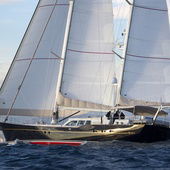
Images have been gathered from various sources and belong to their respective owners.
Review - Aganlar Boatyard Kestrel 106

MarineBroker
02/01/2024, 3:38 PM
2011 Aganlar Boatyard Kestrel 106: What to Know Before You Buy, Inspect, or Restore
If you’ve been looking at the 2011 Aganlar Boatyard Kestrel 106, you’re probably already past the “just browsing” stage. Maybe you like the classic lines, the compact size, or the idea of a boat that feels a little more distinctive than the usual mass-produced options. That’s a good sign—but it also means you’re at the point where the real questions start to matter.
With any used boat, the challenge is rarely just whether it looks good in photos. The bigger problem is figuring out what’s hiding beneath the surface: maintenance history, structural condition, engine health, and whether the boat still fits the kind of boating you actually want to do. A boat can seem like a great deal until small issues turn into expensive repairs or frustrating weekends.
The good news is that most of these risks can be managed with a smart inspection plan and a clear understanding of what to look for. In this guide, we’ll walk through the main things buyers and owners should know about the 2011 Aganlar Boatyard Kestrel 106, including common concerns, practical checks, and how to make a confident decision without overcomplicating the process.
- Why the 2011 Aganlar Boatyard Kestrel 106 gets attention
The 2011 Aganlar Boatyard Kestrel 106 appeals to boaters who want something that feels nimble, manageable, and a little more personal than a generic production model. Boats in this size range often attract buyers who value easy handling, simpler docking, and lower operating complexity.
That said, smaller boats can still bring big responsibilities. A compact hull does not automatically mean simple ownership. In fact, boats of this type often demand close attention to maintenance because wear and tear can show up quickly if the vessel has been neglected.
For many buyers, the real attraction is balance. You want a boat that is:
- Easy to trailer, berth, or store
- Comfortable enough for regular use
- Capable of day cruising or relaxed coastal outings
- Affordable to maintain compared with larger vessels
The problem is that a used boat’s condition matters far more than its brochure specs. Two boats of the same model can feel completely different depending on how they were stored, serviced, and used.
- The main problem buyers face: hidden condition issues
When people search for the 2011 Aganlar Boatyard Kestrel 106, they are often trying to answer one big question: “Is this boat actually worth it?”
That question usually comes down to hidden condition issues. Used boats can look clean on the surface while still having problems underneath. The most common concerns include:
- Water intrusion in the deck or hull
- Corrosion around fittings and hardware
- Electrical faults from aging wiring or poor repairs
- Engine or propulsion issues if the boat is powered
- Upholstery, canvas, and interior wear
- Evidence of poor storage or inconsistent maintenance
This is the kind of problem that catches buyers off guard. A boat may seem ready to go, but if you skip the inspection process, you may inherit repairs that cost far more than expected.
The solution is not to avoid the boat. It’s to inspect it like an owner, not a dreamer.
- How to evaluate the 2011 Aganlar Boatyard Kestrel 106 the smart way
A careful evaluation helps you separate cosmetic wear from real structural or mechanical concerns. That distinction matters because not every flaw is a dealbreaker.
Start with the boat’s overall presentation, then work inward. Look at the hull, deck, fittings, interior, and systems in that order. If the boat is powered, pay special attention to the engine and drive components.
A practical inspection approach includes:
1. Visual survey
- Walk around the boat slowly.
- Look for cracks, blisters, uneven repairs, or mismatched gelcoat/paint.
- Check whether the boat sits evenly in the water or on the trailer.
2. Moisture and softness checks
- Press gently on suspect deck areas.
- Soft spots can indicate water damage.
- Inspect around hatches, rails, cleats, and through-hull fittings.
3. Electrical test
- Turn on lights, pumps, gauges, and switches.
- Look for corrosion at terminals.
- Confirm that wiring is neat and not improvised.
4. Mechanical inspection
- Check service records if available.
- Start the engine cold if possible.
- Listen for rough idle, smoke, vibration, or warning alarms.
5. Sea trial or water test
- If possible, take the boat out.
- Watch for steering response, acceleration, trim behavior, and leaks.
- A boat that looks fine on land can reveal problems under load.
This process may sound basic, but it catches a surprising number of issues before they become expensive surprises.
- Common ownership concerns with a used compact cruiser or day boat
Even when a boat is structurally sound, ownership can still become frustrating if the practical details are ignored. Many buyers focus on the model itself and forget to think about daily use.
For a boat like the 2011 Aganlar Boatyard Kestrel 106, consider these common ownership pain points:
- Storage and access
- Is the boat easy to store, launch, and retrieve?
- Can you access service points without dismantling half the interior?
- Parts and support
- Are replacement parts easy to source?
- Is there a service network familiar with the boat’s systems?
- Fuel and running costs
- Does the boat suit your usual trip length and speed?
- Are the operating costs aligned with your budget?
- Comfort at anchor or underway
- Is there enough seating, shade, and protection for your style of boating?
- Will guests be comfortable for longer outings?
A lot of regret comes from mismatch, not malfunction. The boat may be technically fine, but if it doesn’t fit your routine, it will still feel like a problem.
- What to inspect first if you are considering a purchase
If you are evaluating a specific 2011 Aganlar Boatyard Kestrel 106, start with the items most likely to reveal major issues quickly. That saves time and helps you decide whether to invest in a deeper survey.
Focus on these first:
- Hull and deck integrity
- Look for stress cracks, repairs, and signs of impact.
- Check for water stains or delamination.
- Transom and structural joins
- These areas often reveal long-term moisture problems.
- Any flexing or softness should be taken seriously.
- Engine hours and service history
- Low hours are not automatically good if the boat sat unused.
- Regular maintenance is often more important than the number alone.
- Fuel system
- Inspect hoses, clamps, and tank condition.
- Old fuel systems can create reliability issues even on otherwise healthy boats.
- Safety equipment
- Life jackets, fire extinguishers, bilge pumps, and navigation lights should all be checked.
- Missing or outdated safety gear adds hidden cost.
If the boat passes these early checks, you can move on to a more detailed review with a marine surveyor or mechanic.
- Why a marine survey is worth it
For many buyers, the most practical solution is hiring a marine surveyor. This is especially true when the boat is older, lightly documented, or priced in a way that makes you wonder what’s missing.
A survey helps identify:
- Hidden structural damage
- Moisture intrusion
- Mechanical or electrical deficiencies
- Safety compliance issues
- Estimated repair priorities
Think of it as buying clarity. A survey may cost money upfront, but it often saves much more by helping you avoid a bad purchase or negotiate repairs before closing.
If you’re serious about the 2011 Aganlar Boatyard Kestrel 106, a survey is one of the smartest steps you can take. It turns guesswork into facts.
- Maintenance tips if you already own one
If you already own the boat, the solution is less about inspection and more about consistency. Boats stay reliable when small tasks are handled early.
A simple maintenance routine should include:
- Rinse the boat after use, especially after saltwater exposure
- Inspect seals, hatches, and fittings regularly
- Keep electrical terminals clean and protected
- Service the engine or propulsion system on schedule
- Check bilge pumps and drains before every outing
- Store the boat properly to reduce UV and moisture damage
You do not need to be a mechanic to stay ahead of problems. You just need a routine and the discipline to follow it.
A good rule of thumb: if you notice a small issue twice, fix it once. Waiting usually makes boat problems more expensive.
- How to tell whether the boat fits your boating style
Not every boat is right for every boater, even if it is well-built and well maintained. The 2011 Aganlar Boatyard Kestrel 106 may be a good fit if you want a manageable boat for:
- Day trips
- Short coastal runs
- Family outings
- Leisure cruising
- Easy docking and handling
It may be less ideal if you need:
- Large overnight accommodations
- Heavy offshore capability
- Extensive storage for gear and guests
- High-speed performance as a priority
This is where many buyers make mistakes. They fall in love with the boat before asking whether it matches the way they actually use the water. The right boat should make your outings easier, not force you to work around its limits.
- Smart questions to ask before making a decision
Before you buy, ask direct questions. Good sellers usually expect them, and the answers often reveal more than the listing itself.
Use questions like:
- How long has the current owner had the boat?
- Where was it stored during the off-season?
- What maintenance has been completed in the last 12 months?
- Are there service records, receipts, or manuals?
- Has the boat ever been damaged, repaired, or repowered?
- Are there any known issues with systems, fittings, or structure?
If the answers are vague, that is useful information too. A boat with a clear history is usually easier to trust than one with polished photos and little documentation.
- Final buying checklist for peace of mind
Before you commit, make sure you’ve covered the essentials:
- Confirm the hull and deck are sound
- Test all major systems
- Review maintenance history
- Inspect for moisture, corrosion, or hidden repairs
- Arrange a survey if the boat is a serious contender
- Compare the asking price with the boat’s actual condition
This checklist keeps you grounded. It also helps you avoid emotional buying, which is one of the biggest causes of regret in the used boat market.
- Conclusion
The 2011 Aganlar Boatyard Kestrel 106 can be an appealing choice for boaters who want a manageable, practical vessel with personality. But like any used boat, its value depends less on the name and more on the condition, maintenance history, and how well it fits your needs.
The best solution is a careful, step-by-step approach: inspect the boat thoroughly, verify the systems, ask the right questions, and use a marine survey if needed. That way, you’re not just buying a boat—you’re buying confidence. If you’re still comparing options, keep researching and look for resources that help you understand both the boat and the ownership experience before making your move.
Specifications
General
Boat Type: Sail Boats
Class Type: Cruiser
Specifications
Length: 106.3
Beam: 21.98
Draft: 9.51
Hull Material: Wood
Build
First Built: 2011
Propulsion
Fuel Type: Diesel
Engines: 1
Power: 0 HP
Brand: Unknown
Accomodation
Cabins: 4
PROS & CONS
What we appreciated
 Sturdy construction typical of Aganlar Boatyard craftsmanshipSpacious layout suitable for family or group outingsEfficient fuel consumption for its size and classGood seakeeping abilities in moderate watersClassic design with timeless aesthetic appeal
What we didn’t appreciate
 Older model, may require more maintenance and updatesLimited modern electronics and navigation aids compared to newer boatsPotentially less fuel-efficient than newer models with advanced enginesInterior may show signs of wear due to ageSpare parts might be harder to source given the specific builder
Upkeep Costs
Annual insurance: $800 - $1,200
Docking/Marina fees: $1,500 - $3,000 per year
Fuel: $1,000 - $2,000 per year (depending on usage)
Maintenance and repairs: $1,200 - $2,500 per year
Winter storage and haul-out: $500 - $1,000 per year

Rating
7.3
User
Score
Score
Driveability
Technology
Interior
Design
Similar Boats


MarineBroker
Download now for an immersive boat experience like never before! ⛵✨ Your journey begins with a simple click. 🌊📲
#SetSailSmart #DownloadNow
#SetSailSmart #DownloadNow

Subscribe
Copyright 2017 - 2026, Marinebroker.net, All Rights Reserved