Boat Type: Power Boats
Boat Class: Sports Cruiser
Length: 21 ft
Berths: 1
Cabins: 1
Bathrooms: 1
Max Persons: 7
1982 Gobbi 21 Sport: A Practical Guide to Buying, Restoring, and Enjoying This Classic Powerboat
The 1982 Gobbi 21 Sport is the kind of boat that catches attention for all the right reasons. It has that classic early-’80s Italian...
Discover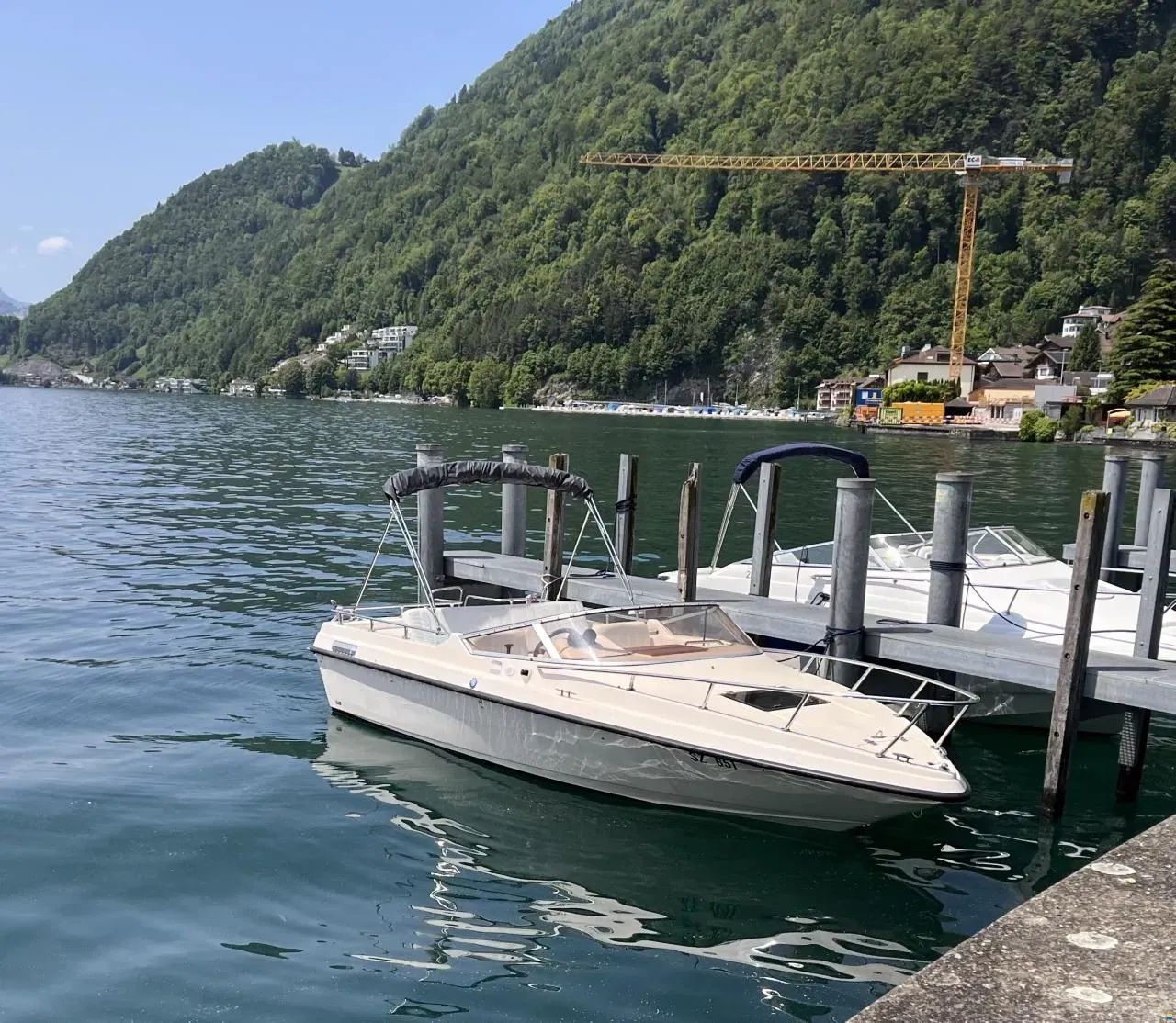
Images have been gathered from various sources and belong to their respective owners.
Review - Gobbi 21 Sport

MarineBroker
11/30/2023, 4:42 AM
1982 Gobbi 21 Sport: A Practical Guide to Buying, Restoring, and Enjoying This Classic Powerboat
The 1982 Gobbi 21 Sport is the kind of boat that catches attention for all the right reasons. It has that classic early-’80s Italian styling, a compact footprint, and a sporty personality that still feels appealing decades later. For many boating enthusiasts, the challenge isn’t deciding whether it looks good — it’s figuring out whether one is worth buying, restoring, or keeping in reliable running condition.
That’s where the real problem begins. A classic boat like the 1982 Gobbi 21 Sport can be full of charm, but age brings questions: What should you inspect before buying? Which parts are most likely to need attention? How do you avoid spending more on repairs than the boat is worth? If you’ve been thinking about this model, you’re probably looking for clarity more than hype.
The good news is that with the right approach, the 1982 Gobbi 21 Sport can still be a rewarding boat to own. Whether your goal is weekend cruising, light restoration, or simply understanding what you’re getting into, a careful inspection and a realistic plan make all the difference. Let’s break it down in a way that’s useful, practical, and easy to apply.
- What Makes the 1982 Gobbi 21 Sport Interesting Today
The 1982 Gobbi 21 Sport belongs to a category of boats that many buyers overlook at first, then rediscover later for their character and usability. At around 21 feet, it sits in a sweet spot for people who want a boat that’s manageable on the water, easier to trailer than larger cruisers, and still capable of delivering a fun day out.
One of the biggest reasons this model still attracts attention is its balance. It’s not too large for a solo owner or a small family, but it offers enough space to feel like a proper leisure boat. For many boating fans, that makes it a practical classic rather than just a collector’s piece.
There’s also the appeal of Italian design. Gobbi boats from this era often had clean lines and a sporty profile that still looks good today. Even if you’re not chasing nostalgia, there’s something satisfying about owning a boat that has presence without being overly complicated.
- The Main Problem Buyers Face with a Classic 1982 Gobbi 21 Sport
The biggest issue with any boat this age is uncertainty. A 1982 Gobbi 21 Sport may look fine on the surface, but the real condition often hides below deck, under upholstery, or inside the mechanical systems.
Common concerns include:
- aging fiberglass and gelcoat
- outdated or poorly maintained engines
- worn fuel systems
- old wiring and electrical corrosion
- soft decking or moisture intrusion
- tired upholstery and interior trim
- outdated safety equipment
The problem is not just that these issues exist. It’s that they can be expensive, and they’re not always obvious during a quick viewing. A boat that seems like a bargain can become a money pit if the buyer doesn’t know what to check.
For many people interested in the 1982 Gobbi 21 Sport, the real challenge is this: how do you separate a solid classic from a project boat that needs too much work?
- How to Judge Whether a 1982 Gobbi 21 Sport Is Worth It
The best way to approach this boat is to think in three layers: structure, mechanical condition, and overall usability. If all three are acceptable, you may have a very worthwhile purchase. If one or more are weak, the boat may still be salvageable, but only at the right price.
Here’s a simple framework:
1. Structure first
Check the hull, deck, transom, and any signs of water intrusion. Structural problems are usually the most costly to fix and the hardest to ignore.
2. Mechanical systems second
Engines, fuel lines, steering, and electrical components should be inspected carefully. A classic hull is only enjoyable if the systems are dependable.
3. Comfort and cosmetics last
Upholstery, trim, and cosmetics matter, but they should not distract from more important issues. Seats can be re-covered; a rotten transom is a different story.
If you remember nothing else, remember this: cosmetics are easy to fall in love with, but structure and mechanics determine whether the boat is a smart buy.
- 1982 Gobbi 21 Sport Inspection Checklist
A proper inspection can save you from expensive surprises. If you’re viewing a boat in person, take your time and don’t be afraid to look closely.
Check these areas:
- Hull condition
Look for cracks, repairs, blisters, and signs of impact damage. Minor cosmetic wear is normal, but structural damage should be taken seriously.
- Transom
Push gently around the engine mounting area and look for softness, movement, or discoloration. A weak transom can be a major repair.
- Deck and floor
Walk the boat carefully and listen for soft spots. Spongy flooring often suggests water damage below.
- Engine bay
Inspect for oil leaks, corrosion, loose hoses, and poor previous repairs. A clean engine compartment is a good sign, but not proof of health.
- Fuel system
Old fuel tanks, brittle hoses, and outdated clamps are common issues on older boats. Fuel problems are both performance and safety concerns.
- Wiring and electrics
Look for amateur modifications, corroded terminals, and non-functioning gauges or lights. Electrical issues are common in boats from this era.
- Steering and controls
Turn the wheel and check throttle response. Stiff or inconsistent controls may point to neglected maintenance.
- Upholstery and cabin surfaces
These are often the easiest things to see, but also the easiest to replace if the rest of the boat is sound.
If possible, ask for service records, ownership history, and details about winter storage. A boat that has been cared for consistently is usually a much safer bet than one with a mystery past.
- Common Restoration Priorities for the 1982 Gobbi 21 Sport
If you decide the boat is worth saving, the smartest approach is to restore in the right order. Many owners make the mistake of starting with seats, paint, or accessories before addressing safety and reliability.
A sensible restoration plan usually looks like this:
- 1. Make it safe
Replace questionable fuel lines, inspect the bilge system, verify steering, and update safety gear.
- 2. Make it reliable
Service the engine, check ignition components, inspect the cooling system, and replace worn hoses or belts.
- 3. Fix water intrusion
Seal leaks, repair deck issues, and address any moisture-damaged materials.
- 4. Improve comfort
Then move on to upholstery, trim, lighting, and onboard convenience.
- 5. Refresh appearance
Polish gelcoat, correct minor cosmetic damage, and bring back the boat’s original character.
This order matters because it helps you spend money where it counts. A good-looking boat that doesn’t start reliably isn’t truly usable.
- Engine and Mechanical Considerations
The engine setup on a 1982 Gobbi 21 Sport may vary depending on how the boat was configured and whether it has been repowered over the years. That means you should never assume the current engine tells the whole story.
When evaluating the powerplant, focus on:
- cold start behavior
- idle quality
- smoke on startup
- overheating signs
- vibration or unusual noise
- shifting smoothness
- service access
A healthy older marine engine should start reasonably well, idle steadily, and run without obvious overheating or fuel starvation. If it struggles to start, runs rough, or has been sitting unused for long periods, expect follow-up work.
Also pay attention to the cost of parts. On a classic boat, the engine itself may not be the hardest part — it’s often the supporting components like manifolds, pumps, carburetors, ignition parts, or wiring that create headaches.
If the boat has already been repowered, that can be a plus. But check whether the installation was done properly. A modern engine in a poorly executed installation can still be a problem.
- Why the Hull and Structure Matter More Than Cosmetics
It’s easy to get distracted by faded upholstery or dull gelcoat. But on a boat like the 1982 Gobbi 21 Sport, the hull and structure should always come first.
Here’s why:
- structural repairs can be expensive
- hidden moisture damage gets worse over time
- cosmetic work doesn’t improve safety
- a solid hull preserves long-term value
- a weak structure limits how often you’ll use the boat
If the hull is sound, many of the other issues can be handled gradually. That’s what makes a classic boat manageable. You don’t need perfection to enjoy it — you need a strong foundation.
A useful rule of thumb: if the boat feels “tired” but fundamentally solid, that’s often a better starting point than a cosmetically polished boat with hidden structural issues.
- The Best Use Case for This Classic Sport Boat
The 1982 Gobbi 21 Sport is not necessarily the right boat for someone wanting modern luxury, huge cabin space, or turnkey perfection. But it can be a great fit for a certain kind of owner.
It works well for people who want:
- a compact classic with personality
- a manageable boat for day trips
- a restoration project with realistic scope
- a boat that is easier to store and trailer than larger models
- something unique rather than mass-market
This model makes the most sense for someone who enjoys boating as a hands-on hobby. If you like maintaining your own gear, learning about older systems, and slowly improving a boat over time, this can be a satisfying ownership experience.
On the other hand, if you want a boat that needs almost no attention, a classic like this may frustrate you unless it has already been thoroughly restored.
- Practical Tips Before You Buy
If you’re seriously considering a 1982 Gobbi 21 Sport, use a calm, methodical approach. The goal is not to rush into a purchase because the boat looks charming in photos.
Before buying:
- inspect the boat in daylight
- test as many systems as possible
- bring a flashlight and moisture awareness
- ask for engine service history
- check whether the boat has been stored indoors or outdoors
- compare asking price with likely repair costs
- budget for immediate maintenance even if the boat seems usable
It also helps to ask yourself one honest question: “Would I still be happy with this boat if I had to spend time and money making it reliable?”
If the answer is yes, you’re thinking like a smart classic-boat buyer.
- How to Make Ownership More Enjoyable
Once you own a classic boat, success comes from staying ahead of problems instead of reacting to them. That’s especially true with older models like the 1982 Gobbi 21 Sport.
A few habits go a long way:
- flush and inspect systems after use
- keep the bilge dry and clean
- replace aging hoses before they fail
- protect upholstery from UV damage
- keep batteries charged and monitored
- run the engine regularly
- document repairs and maintenance
These simple steps can extend the life of the boat and reduce unexpected breakdowns. Classic boats reward consistency.
It’s also smart to store the boat properly. Moisture, sun exposure, and neglect are the biggest enemies of older fiberglass boats. Good storage habits can preserve both appearance and value.
- When the 1982 Gobbi 21 Sport Is a Smart Buy
This boat makes sense when:
- the hull and transom are solid
- the engine runs well or has been properly replaced
- the asking price reflects its age and condition
- you’re comfortable with some maintenance
- you value style and character over modern features
It may not be the best choice if:
- you want a completely maintenance-free boat
- the structure shows major rot or water damage
- the engine needs a full rebuild and the price is high
- you’re expecting modern ergonomics and electronics without upgrades
In other words, the 1982 Gobbi 21 Sport is best approached as a classic with potential, not as a shortcut to a brand-new boating experience.
- Final Thoughts on the 1982 Gobbi 21 Sport
The 1982 Gobbi 21 Sport can be a very rewarding boat for the right owner. Its appeal comes from a mix of classic style, manageable size, and the satisfaction of bringing an older boat back to life. But like any vintage vessel, it demands careful inspection and realistic expectations.
If you focus on structure, mechanical health, and practical usability first, you’ll be in a much better position to make a smart decision. Cosmetic flaws can often be fixed over time, but hidden damage and neglected systems are where the real trouble starts. For buyers who take the time to evaluate it properly, this classic Gobbi can still offer plenty of enjoyable days on the water. If you’re exploring one now, use a checklist, compare repair costs, and learn as much as you can before committing.
Specifications
General
Boat Type: Power Boats
Class Type: Sports Cruiser
Specifications
Length: 21
Beam: 8.2
Draft: 3.28
Hull Material: GRP
Build
First Built: 1982
Propulsion
Fuel Type: Unleaded
Engines: 1
Power: 200 HP
Brand: Volvo Penta
Accomodation
Berths: 1
Cabins: 1
Bathrooms: 1
PROS & CONS
What we appreciated
 Classic Italian design with stylish aestheticsCompact size ideal for day trips and easy handlingRelatively lightweight for good maneuverabilitySimple mechanical systems making maintenance straightforwardAffordable price point on the used boat market
What we didn’t appreciate
 Limited space and amenities for extended tripsOlder engine technology may be less fuel efficientPotential wear and corrosion due to age requiring restorationLimited availability of replacement partsBasic safety features compared to modern boats
Upkeep Costs
Fuel: Approximately $500 - $1,000 per season depending on usage
Maintenance and Repairs: $800 - $1,200 annually
Insurance: $300 - $600 per year
Storage: $500 - $1,500 depending on location and type (dry dock, marina slip)
Registration and Taxes: $50 - $200 annually depending on state

Rating
4.4
User
Score
Score
Driveability
Technology
Interior
Design
Similar Boats


MarineBroker
Download now for an immersive boat experience like never before! ⛵✨ Your journey begins with a simple click. 🌊📲
#SetSailSmart #DownloadNow
#SetSailSmart #DownloadNow

Subscribe
Copyright 2017 - 2026, Marinebroker.net, All Rights Reserved