Boat Type: Power Boats
Boat Class: Sports Cruiser
Length: 22.41 ft
Berths: 2
Cabins: 1
Bathrooms: 1
Max Persons: 8
2011 Bayliner 702 Cuddy: What to Know Before You Buy, Inspect, or Upgrade
If you’re looking at a 2011 Bayliner 702 Cuddy, you’re probably trying to answer a few big questions at once: Is it a good boat for the money? What should ...
Discover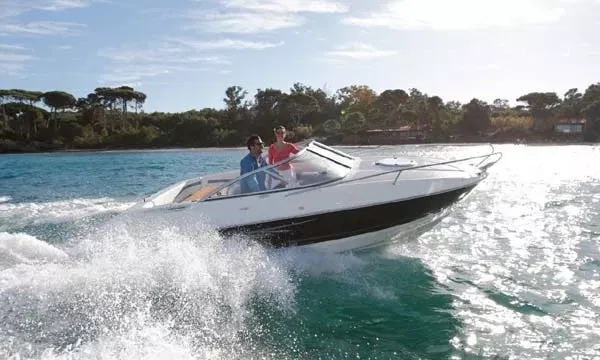



Images have been gathered from various sources and belong to their respective owners.
Review - Bayliner 702 Cuddy

MarineBroker
11/27/2023, 5:10 AM
2011 Bayliner 702 Cuddy: What to Know Before You Buy, Inspect, or Upgrade
If you’re looking at a 2011 Bayliner 702 Cuddy, you’re probably trying to answer a few big questions at once: Is it a good boat for the money? What should you watch out for on an older cuddy cabin boat? And how do you know whether the one you’re looking at is actually worth it?
That’s a smart approach. A 2011 Bayliner 702 Cuddy can be a great entry into boating because it offers a practical layout, family-friendly space, and enough versatility for day cruising, fishing, and weekend fun. But like any used boat, the real challenge isn’t just finding one — it’s finding the right one and knowing how to avoid expensive surprises.
The good news is that with a careful inspection and a little know-how, you can separate a solid boat from a money pit. In this guide, we’ll walk through the most common issues buyers face, what to inspect first, and how to make a confident decision if you’re considering a 2011 Bayliner 702 Cuddy.
- What Makes the 2011 Bayliner 702 Cuddy Worth Considering
The Bayliner 702 Cuddy sits in that sweet spot between a simple runabout and a small cruiser. It’s designed for boaters who want a compact cabin, usable deck space, and enough comfort for short overnight trips or long days on the water.
For many buyers, the appeal is straightforward:
- It’s easier to trailer and store than larger cabin boats
- The cuddy offers a place to get out of the sun or weather
- It’s usually more affordable than premium-brand alternatives
- It can work well for couples, small families, or solo boaters
That said, a used 2011 model now has years of wear behind it. The biggest mistake buyers make is focusing only on appearance. A clean gelcoat or fresh cushions can hide mechanical, electrical, or structural issues that cost far more than the boat is worth.
So the real question isn’t just “Is the 2011 Bayliner 702 Cuddy a good boat?” It’s “How do I tell whether this specific boat has been cared for properly?”
- The Most Common Problem Buyers Face
The main problem with a used 2011 Bayliner 702 Cuddy is hidden maintenance neglect.
That can show up in several ways:
- A worn-out engine or drive system
- Water intrusion around fittings, hatches, or the cuddy area
- Soft flooring or deck sections
- Electrical problems from corrosion
- Upholstery and trim damage from sun exposure
- Trailer issues that get overlooked during the sale
Used boats often look better in photos than they do in person. And because boating systems are tightly connected, one neglected area can affect the rest of the boat. For example, a small leak around a fitting can lead to damp wood, mildew, electrical corrosion, and eventually structural damage.
That’s why the solution isn’t just “look harder.” It’s to inspect smarter.
- Start With the Boat’s Overall Condition
Before you get into engines, wiring, or paperwork, take a slow walk around the boat and look at the big picture.
Ask yourself:
- Does the boat look cared for or just cleaned up for sale?
- Are there signs of repeated patchwork repairs?
- Does anything feel mismatched, loose, or rushed?
- Are there obvious signs of neglect, like mildew, rust, or staining?
A well-maintained 2011 Bayliner 702 Cuddy usually gives off a consistent impression. The upholstery, hardware, flooring, and engine area should all look like they’ve been cared for at a similar level.
Red flags include:
- Cracked or heavily faded cushions
- Loose railings or fittings
- Rust around fasteners
- Water stains in the cabin
- Strong fuel, mildew, or mold odor
- Unusual wear in one area but not others
If the boat looks good on the surface but smells damp or musty, don’t ignore that. Odor is often one of the earliest signs of a moisture problem.
- Inspect the Hull and Exterior Carefully
The hull is one of the most important parts of the boat to evaluate because structural issues can be expensive to repair.
Check for:
- Deep scratches or gouges
- Blisters in the gelcoat
- Repairs that don’t match the rest of the finish
- Stress cracks around corners, cleats, and fittings
- Any sign of impact damage near the keel or transom
Pay close attention to the transom, especially if the boat has seen years of use in saltwater or has had heavy engine loads. A soft or compromised transom can become a major repair project.
Also look at the bottom of the hull if possible. If the boat has been trailered, you may see signs of grounding or repeated contact with rollers and bunks.
A clean hull is nice, but consistency matters more than shine.
- Check the Engine and Drive System First
If you only spend serious time inspecting one part of a used Bayliner, make it the engine and drive.
A 2011 model is old enough that maintenance history matters just as much as hours. A lower-hour engine with poor care can be worse than a higher-hour engine that’s been serviced regularly.
Look for:
- Service records
- Oil changes
- Impeller replacement
- Bellows condition
- Corrosion around the engine bay
- Coolant or oil leaks
- Smooth startup and idle
- Clean exhaust behavior
When starting the engine, listen closely. It should start without excessive cranking, idle smoothly, and not make alarming knocking, squealing, or grinding noises.
If possible, test it under load. Some problems only show up once the boat is in the water and the engine is working harder.
A few common engine-related warning signs:
- Milky oil, which may suggest water intrusion
- Rust or corrosion on electrical connections
- Overheating at idle or under throttle
- Weak acceleration
- Vibration during operation
If you’re not mechanically confident, hiring a marine surveyor or mechanic is worth it. That cost is usually small compared with the price of replacing major components.
- Don’t Ignore the Electrical System
Electrical issues are incredibly common on older boats, and they can be frustrating because they often come and go.
On the 2011 Bayliner 702 Cuddy, check:
- Navigation lights
- Bilge pump
- Cabin lights
- Stereo and accessories
- Battery condition
- Shore power, if equipped
- Fuse panel and wiring cleanliness
Look for corrosion at terminals and any signs of amateur wiring repairs. Twisted wires, household connectors, or messy splices are not what you want to see.
Electrical problems can be caused by moisture, poor storage, or previous owner modifications. A simple issue like a bad ground can create a chain of annoying failures.
A quick checklist:
- Do all switches work properly?
- Do lights flicker or fail intermittently?
- Are the batteries secured and clean?
- Are wiring runs neat and protected?
- Is there visible corrosion in the panel or bilge?
If the electrical system looks chaotic, that’s often a sign the rest of the boat may have been maintained the same way.
- Examine the Cabin and Cuddy Area for Moisture Problems
One of the biggest reasons people buy a cuddy cabin boat is for the extra shelter and comfort. But that enclosed space can also trap moisture if the boat hasn’t been ventilated properly.
Inside the cuddy, check for:
- Damp carpeting or cushions
- Mold or mildew on fabric
- Water stains on the liner
- Soft spots in the floor
- Musty smell
- Condensation damage
- Loose trim or peeling material
A little cosmetic wear is normal on a 2011 boat. What you want to avoid is evidence of repeated water intrusion.
Open hatches and storage compartments. Touch the surfaces. Feel for softness or hidden dampness. If the cabin feels humid or smells stale, that may indicate leaks around windows, hatches, or deck fittings.
This is especially important if the boat has been stored outside with poor cover. Water intrusion doesn’t always look dramatic at first, but it can lead to rot, mildew, and expensive repair work.
- Review the Trailer if One Is Included
A lot of buyers focus on the boat and forget the trailer, but that’s a mistake. A bad trailer can create launch problems, safety issues, and extra costs right away.
Inspect the trailer for:
- Tire wear and age
- Rust on the frame
- Working lights
- Winch condition
- Bunks or rollers
- Bearings and hubs
- Brake system, if equipped
Check the tires closely. Even if they still have tread, older trailer tires can fail from age alone.
Also look at how the boat sits on the trailer. It should be supported properly, not resting awkwardly or unevenly. If the bunks are worn or the frame is rusted, you may need immediate repairs before towing confidently.
A trailer in poor condition can turn a decent boat purchase into a headache from day one.
- Ask for Maintenance Records and Ownership History
Paperwork tells a story that the boat itself sometimes won’t.
Ask for:
- Engine service records
- Winterization history
- Storage details
- Recent repairs
- Title and registration documents
- Any survey or inspection reports
The best-case scenario is a seller who can clearly explain how the boat has been used and maintained. Even a few receipts can help show whether the boat got regular attention.
Questions worth asking:
1. How often was the engine serviced?
2. Was the boat stored indoors or outdoors?
3. Has it been used in saltwater or freshwater?
4. Were any major parts replaced?
5. Are there known issues that haven’t been fixed?
If the seller can’t answer basic questions, that doesn’t automatically mean the boat is bad. But it does mean you should inspect more carefully.
- Understand What a Good 2011 Bayliner 702 Cuddy Should Feel Like on the Water
A sea trial can tell you more in 20 minutes than a long conversation ever will.
During the test run, pay attention to:
- How quickly the engine starts
- Whether the boat planes normally
- Steering response
- Shifting smoothness
- Any vibration or rattling
- Temperature stability
- Fuel smell or exhaust concerns
The boat should feel predictable and stable, not sluggish or overly noisy. A cuddy cabin boat of this size should be comfortable for relaxed cruising, with handling that feels manageable for newer boaters too.
If possible, test the boat in conditions similar to how you plan to use it. A calm lake run may not reveal the same issues as a choppy bay or coastal environment.
A boat that looks good tied to the dock can still reveal problems once it’s moving.
- How to Decide Whether It’s a Good Buy
Once you’ve inspected the boat, step back and compare condition, price, and maintenance history.
A good buy usually has:
- Strong maintenance records
- A clean engine bay
- No major moisture issues
- Solid hull and transom condition
- Working electrical systems
- A trailer in usable shape
- A price that reflects age and condition honestly
A risky buy usually has:
- Missing service history
- Obvious corrosion
- Soft spots or leaks
- Engine issues
- DIY fixes everywhere
- A price that seems “too good to be true”
The key is not finding a perfect used boat. The key is finding one with manageable issues and a fair price. Almost every 2011 boat will need something. The question is whether those needs are normal upkeep or expensive surprises.
- Practical Tips to Make Ownership Easier
If you do buy a 2011 Bayliner 702 Cuddy, a few habits can help keep it in good shape and reduce future problems.
Try to:
- Rinse the boat after each use, especially in saltwater
- Keep the bilge dry and clean
- Run the engine regularly
- Stay on top of oil, impeller, and battery maintenance
- Ventilate the cuddy to prevent mildew
- Cover the boat properly when stored
- Inspect fittings and seals at least once a season
Small maintenance steps go a long way on an older boat. Preventing moisture buildup and corrosion is much easier than fixing damage later.
If you’re new to boat ownership, a simple maintenance log can help. Write down service dates, parts replaced, fuel issues, and any repairs. That habit makes future troubleshooting much easier.
- When the 2011 Bayliner 702 Cuddy Makes Sense
This boat makes the most sense for buyers who want:
- A manageable-size cuddy cabin boat
- Family-friendly day boating
- A lower-cost entry into boating
- Something easier to trailer than a larger cruiser
- A boat that can handle casual overnight use
It may not be the best fit if you want a high-end finish, lots of luxury features, or a large offshore platform. But for practical boating, it can be a solid choice if the specific boat has been maintained well.
The biggest value comes from buying the right example, not just the right model.
- Conclusion
The 2011 Bayliner 702 Cuddy can be a smart, versatile choice for boaters who want a practical cuddy cabin layout without jumping into a much larger vessel. The real challenge is spotting hidden wear before it becomes an expensive problem. Focus on the engine, hull, electrical system, cabin moisture, and trailer condition, and don’t rush past missing maintenance records.
If the boat has been cared for properly, it can offer a lot of value and fun on the water. If you’re still comparing options, take your time, ask detailed questions, and consider a professional inspection before you buy. A little patience now can save you a lot of money and stress later.
Specifications
General
Boat Type: Power Boats
Class Type: Sports Cruiser
Specifications
Length: 22.41
Beam: 8.23
Draft: 1.64
Hull Material: GRP
Build
First Built: 2011
Propulsion
Fuel Type: Unleaded
Engines: 1
Power: 264 HP
Brand: Mercruiser
Accomodation
Berths: 2
Cabins: 1
Bathrooms: 1
PROS & CONS
What we appreciated
 Spacious cuddy cabin offering shelter and storageGood for family outings and day cruisingRelatively affordable price for a 2011 modelEasy to handle and maneuver for beginnersDecent fuel efficiency for its size and power
What we didn’t appreciate
 Limited onboard amenities compared to newer modelsSmaller cabin space compared to larger cuddy cabinsBasic electronics and instrumentation may be outdatedMay require maintenance due to ageNot designed for rough waters or extended overnight trips
Upkeep Costs
Fuel: Approximately $1,200 - $2,000 per year depending on usage
Maintenance and Repairs: Around $500 - $1,000 annually
Insurance: Typically $300 - $600 per year
Storage and Docking: $800 - $2,500 annually depending on location
Registration and Taxes: $50 - $150 per year

Rating
5.9
User
Score
Score
Driveability
Technology
Interior
Design
Similar Boats


MarineBroker
Download now for an immersive boat experience like never before! ⛵✨ Your journey begins with a simple click. 🌊📲
#SetSailSmart #DownloadNow
#SetSailSmart #DownloadNow

Subscribe
Copyright 2017 - 2026, Marinebroker.net, All Rights Reserved