Boat Type: Power Boats
Boat Class: Sports Cruiser
Length: 17.06 ft
Berths: 1
Cabins: 1
Bathrooms: 1
Max Persons: 4
Boat Database » Boesch 510 Saint Tropez
Boesch 510 Saint Tropez
Stern Drive, Unleaded, 1x 209 HP
Power Boats 1972 Boesch 510 Saint Tropez: What to Know Before Buying, Restoring, or Owning One
The 1972 Boesch 510 Saint Tropez is the kind of classic boat that turns heads before it even leaves the dock. With its elegant lines, handcrafted ...
Discover
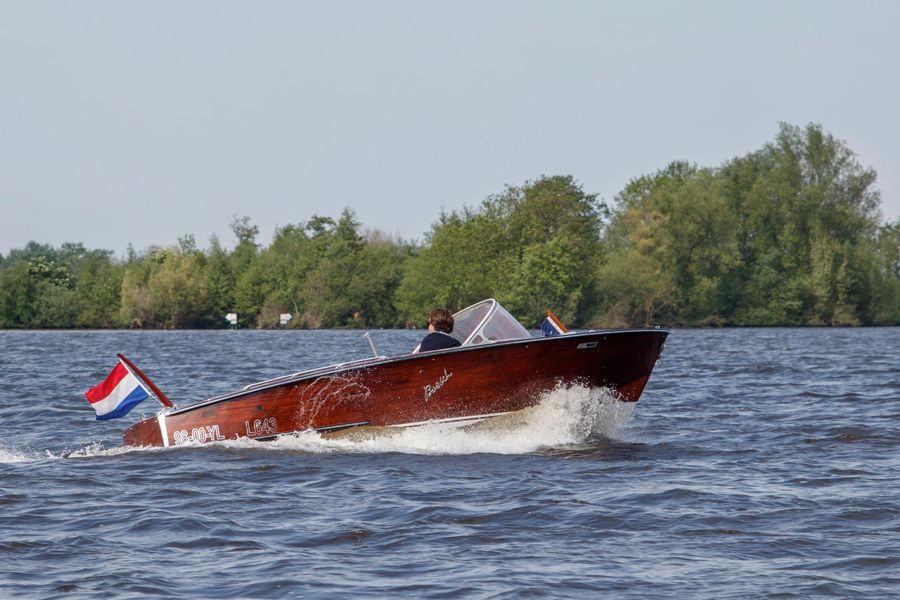


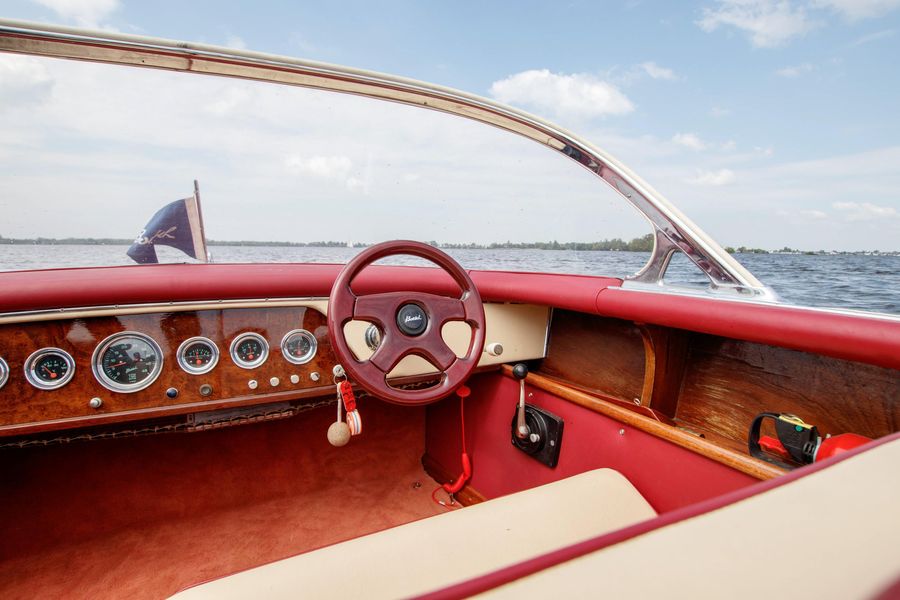
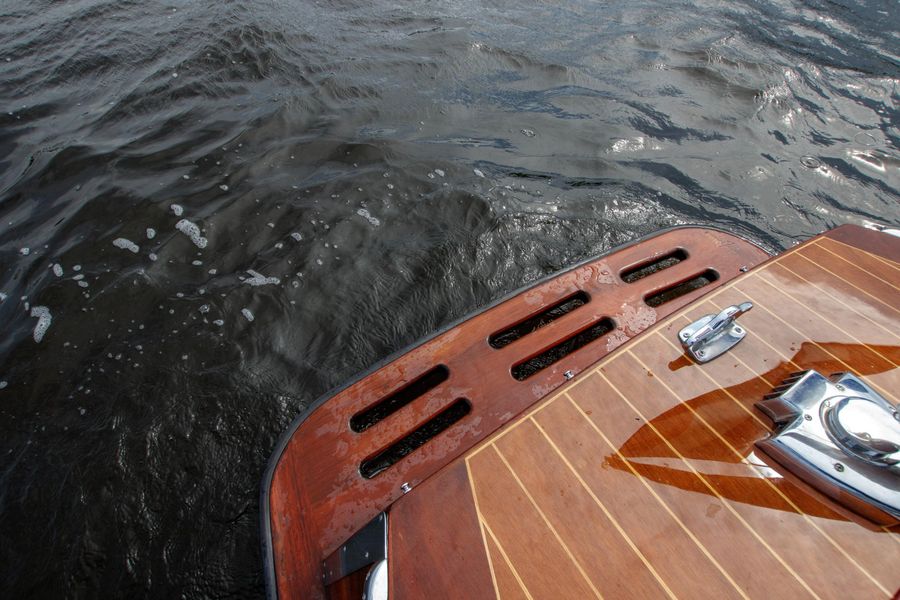
Images have been gathered from various sources and belong to their respective owners.
Review - Boesch 510 Saint Tropez

MarineBroker
11/21/2023, 3:58 AM
1972 Boesch 510 Saint Tropez: What to Know Before Buying, Restoring, or Owning One
The 1972 Boesch 510 Saint Tropez is the kind of classic boat that turns heads before it even leaves the dock. With its elegant lines, handcrafted feel, and unmistakable vintage charm, it appeals to boat lovers who appreciate more than just speed or size. But owning a classic like this also comes with a very real challenge: how do you enjoy the beauty and history of an older wooden or vintage-style boat without getting overwhelmed by maintenance, sourcing parts, or hidden restoration costs?
That’s the question many enthusiasts run into. The boat may look ready for summer on the water, but beneath the polished deck, there can be decades of wear that need attention. For buyers, the problem is often uncertainty. For owners, it’s balancing preservation with practicality. And for restorers, it’s knowing where to start without losing the boat’s original character.
The good news is that with the right approach, a classic boat like the 1972 Boesch 510 Saint Tropez can be both enjoyable and manageable. Whether you’re researching a purchase, planning a restoration, or simply learning what makes this model special, a clear inspection strategy and realistic ownership plan make all the difference.
- Why the 1972 Boesch 510 Saint Tropez Still Stands Out
The 1972 Boesch 510 Saint Tropez belongs to a class of boats that are admired for craftsmanship first and flash second. Boesch has long been associated with refined wooden runabouts and elegant European styling, and the 510 Saint Tropez reflects that heritage well.
What makes boats like this special is not just their age. It’s the combination of:
- Classic proportions
- Hand-finished details
- Distinctive hull design
- Timeless visual appeal
- A strong connection to boating history
For many people, the attraction is emotional as much as practical. A boat like this feels personal. It carries character in a way modern fiberglass boats often don’t.
That said, vintage charm comes with responsibilities. Unlike newer boats, older classics demand more careful evaluation. Their value depends heavily on condition, originality, and maintenance history. A well-kept example can be a joy to own. A neglected one can become a long-term project.
- The Main Problem: Vintage Beauty Can Hide Real Maintenance Challenges
The biggest issue with a classic boat such as the 1972 Boesch 510 Saint Tropez is that the most appealing parts are often the hardest to maintain. A glossy finish and beautiful woodwork can hide structural issues, aging systems, or previous repairs that weren’t done well.
Common concerns include:
- Moisture intrusion in wooden components
- Aging fasteners and hardware
- Outdated electrical systems
- Engine wear or limited service history
- Soft spots in decks or transoms
- Cosmetic restoration that masks deeper problems
This is especially important for buyers. A boat may look “ready to go” in photos, but classic boats can be deceptive. The real condition often shows up only after a detailed inspection.
For owners, the challenge is different. Once you have the boat, the question becomes how to preserve it without constantly chasing repairs. That’s where a practical plan matters more than enthusiasm alone.
- How to Evaluate a 1972 Boesch 510 Saint Tropez Before You Buy
If you’re considering buying one, the best solution is to inspect the boat as both a collector’s item and a working vessel. That means looking beyond polish and upholstery.
Start with these areas:
- Hull condition: Check for cracks, repairs, blistering, or signs of water damage.
- Wooden structure: Look closely at seams, joints, and any areas where wood feels soft or discolored.
- Deck and interior: Press gently in different areas to detect hidden weakness.
- Engine and drivetrain: Review service records if available, and assess whether the engine starts cleanly, idles smoothly, and runs at proper temperature.
- Electrical system: Older wiring can be risky, especially if it has been modified over the years.
- Hardware and fittings: Original fittings are part of the charm, but corrosion or looseness can signal bigger issues.
- Documentation: Ask for ownership history, restoration records, and any survey reports.
A pre-purchase survey is one of the smartest investments you can make. Even if the boat looks excellent, a marine surveyor familiar with classic boats can identify issues that most buyers miss.
A useful rule of thumb: if you can’t verify the condition, assume you’ll need to budget for repairs.
- 1972 Boesch 510 Saint Tropez and the Importance of Originality
One reason the 1972 Boesch 510 Saint Tropez is so appealing is its authenticity. Classic boat enthusiasts often value originality, but that doesn’t mean every original part is automatically better.
The goal is to preserve the boat’s character while keeping it safe and usable.
Originality matters most in:
- Hull shape and structure
- Signature styling elements
- Period-correct hardware
- Interior layout and trim details
- Overall proportions and design integrity
But some components are better upgraded for safety and reliability, such as:
- Wiring
- Fuel lines
- Bilge pumps
- Navigation lights
- Safety equipment
This balance is key. A boat that is too heavily modernized can lose its classic appeal. A boat that is kept fully original without updates may become frustrating or even unsafe to operate.
The practical solution is selective restoration: keep the character, improve the systems.
- What Restoration Really Looks Like
Restoring a classic boat is rarely a quick weekend project. With a vintage model like the 1972 Boesch 510 Saint Tropez, restoration can range from light cosmetic work to a full structural rebuild.
Typical restoration stages include:
1. Inspection and documentation
Photograph everything before starting. Note all visible damage and previous repairs.
2. Structural repairs
Address any rot, delamination, loose joints, or weak areas before moving to cosmetics.
3. Mechanical service
Rebuild or service the engine, fuel system, and drivetrain as needed.
4. Electrical update
Replace aging wiring and ensure all systems meet current safety expectations.
5. Finish work
Sanding, varnishing, painting, upholstery, and hardware polishing come last.
6. Sea trial and fine-tuning
Test the boat in real conditions and correct any remaining issues.
A common mistake is starting with appearance. Fresh varnish looks great, but if the structure underneath is compromised, the restoration won’t last. The smarter approach is always to begin with the bones of the boat.
- Common Mistakes Owners Make With Classic Boats
Many first-time classic boat owners underestimate what it takes to keep a vintage vessel in good shape. That’s understandable. The boat may be beautiful, but beauty doesn’t reduce maintenance needs.
Some of the most common mistakes include:
- Skipping inspections because the boat “looks fine”
- Using modern materials in ways that conflict with the original structure
- Ignoring small leaks
- Delaying engine service
- Storing the boat in damp or poorly ventilated conditions
- Applying quick cosmetic fixes instead of real repairs
The biggest trap is assuming that a classic boat should behave like a modern one. It won’t. It needs more attention, more patience, and more respect for its materials.
If you own a 1972 Boesch 510 Saint Tropez, the best habit you can build is routine observation. Check the boat often, even when you aren’t planning to use it. Small issues are easier and cheaper to fix early.
- Best Practices for Ongoing Care
Once the boat is in good condition, the goal shifts from repair to preservation. That means creating a maintenance rhythm that protects both function and value.
A practical care routine should include:
- Rinsing and drying after use
- Regular inspection of seams and fasteners
- Checking for moisture after rain or storage
- Keeping the engine serviced on schedule
- Monitoring varnish and paint for early wear
- Using proper covers and breathable storage solutions
Wooden and vintage-style boats do best when they are not ignored for long periods. Even if you only use the boat seasonally, periodic checks help prevent expensive surprises.
Storage matters too. A dry, ventilated space is ideal. If the boat sits outside, invest in a quality cover and make sure water can’t pool on surfaces.
- How to Decide Whether It’s the Right Boat for You
A boat like the 1972 Boesch 510 Saint Tropez is not for everyone, and that’s okay. The right owner is usually someone who enjoys craftsmanship, values history, and is willing to stay involved.
It may be a great fit if you:
- Appreciate classic design
- Don’t mind hands-on maintenance
- Want a boat with personality
- Enjoy restoration or preservation work
- Are comfortable budgeting for upkeep
It may be a poor fit if you:
- Want low-maintenance boating
- Need a boat that can sit unused for long stretches
- Prefer modern convenience over vintage character
- Don’t want to deal with sourcing older parts or specialist labor
This is why the best solution starts with honesty. If you know what kind of ownership experience you want, you can decide whether a classic like this matches your lifestyle.
- Where the Product Fits Into the Solution
The 1972 Boesch 510 Saint Tropez itself can absolutely be part of the solution for someone seeking a rewarding classic boating experience. It offers the kind of visual appeal and heritage that make preservation worthwhile.
For the right buyer or owner, it solves a very specific problem: the desire for a boat that feels special, not generic. It gives you a connection to boating history and a more personal experience on the water.
But it only works as part of the solution when paired with the right mindset:
- Careful inspection before purchase
- Realistic restoration planning
- Regular maintenance
- Respect for originality
- Willingness to invest time and attention
In other words, the boat is not the entire answer. The ownership approach is.
- Practical Checklist for Buyers and Owners
If you’re researching or already own a 1972 Boesch 510 Saint Tropez, this simple checklist can help keep things manageable:
- Review the boat’s ownership and service history
- Inspect the hull, deck, and transom for hidden damage
- Test all mechanical and electrical systems
- Budget for unexpected repairs
- Prioritize structural integrity over cosmetics
- Use a marine surveyor for major purchase decisions
- Store the boat properly and inspect it regularly
- Keep a maintenance log for future reference
This kind of structure reduces stress and protects value. It also makes the ownership experience far more enjoyable.
- Why Patience Pays Off With Classic Boating
Classic boats reward patience. That’s especially true with a model as distinctive as the 1972 Boesch 510 Saint Tropez. Rushing repairs or cutting corners usually leads to more expense later.
The owners who get the most out of these boats are the ones who treat them as long-term projects, even when the boat is already in good shape. They understand that preservation is a process, not a one-time event.
And that’s part of the appeal. You’re not just using a boat. You’re caring for a piece of boating heritage.
- Conclusion
The 1972 Boesch 510 Saint Tropez is more than a classic boat name. It represents craftsmanship, style, and the kind of boating experience that many modern vessels can’t replicate. But owning one comes with a challenge: balancing beauty with maintenance, originality with safety, and enthusiasm with realistic planning.
The best solution is simple but important. Inspect carefully, restore thoughtfully, and maintain consistently. If you do that, a classic boat like this can remain enjoyable, reliable, and deeply rewarding for years to come. Whether you’re buying, restoring, or simply learning, taking the time to understand the boat first will always pay off later. If you want to go deeper, look for classic boat surveys, restoration guides, and owner communities that can help you make smarter decisions.
Specifications
General
Boat Type: Power Boats
Class Type: Sports Cruiser
Specifications
Length: 17.06
Beam: 6.66
Draft: 1.28
Hull Material: Wood
Build
First Built: 1972
Propulsion
Fuel Type: Unleaded
Engines: 1
Power: 209 HP
Brand: Boesch-Marine
Accomodation
Berths: 1
Cabins: 1
Bathrooms: 1
PROS & CONS
What we appreciated
 Classic and timeless Swiss craftsmanship with elegant designHigh-quality wooden construction providing excellent durabilitySmooth and stable ride due to well-engineered hullSpacious cockpit suitable for socializing and leisureStrong collector’s value among vintage boat enthusiasts
What we didn’t appreciate
 Older model may require significant maintenance and restorationLimited availability of original replacement partsLess fuel efficient compared to modern boatsOutdated technology and safety featuresPotentially higher operating costs due to age and materials
Upkeep Costs
Annual maintenance and repairs: $2,000 - $5,000
Fuel costs: $500 - $1,500 per season (depending on usage)
Storage and docking fees: $1,200 - $3,000 per year
Insurance: $500 - $1,200 per year
Winterization and annual servicing: $300 - $700
Rating
5.5
User
Score
Score
Driveability
Technology
Interior
Design
Similar Boats


MarineBroker
Download now for an immersive boat experience like never before! ⛵✨ Your journey begins with a simple click. 🌊📲
#SetSailSmart #DownloadNow
#SetSailSmart #DownloadNow

Subscribe
Copyright 2017 - 2026, Marinebroker.net, All Rights Reserved