Boat Type: Sail Boats
Boat Class: Cruiser
Length: 52.3 ft
Berths: 10
Cabins: 5
Bathrooms: 3
Max Persons: 14
2017 Beneteau Oceanis 51.1: What to Know Before You Buy, Cruise, or Upgrade
The 2017 Beneteau Oceanis 51.1 is the kind of yacht that gets people daydreaming fast. It’s big enough to feel genuinely comfortable offshore, stylish en...
Discover
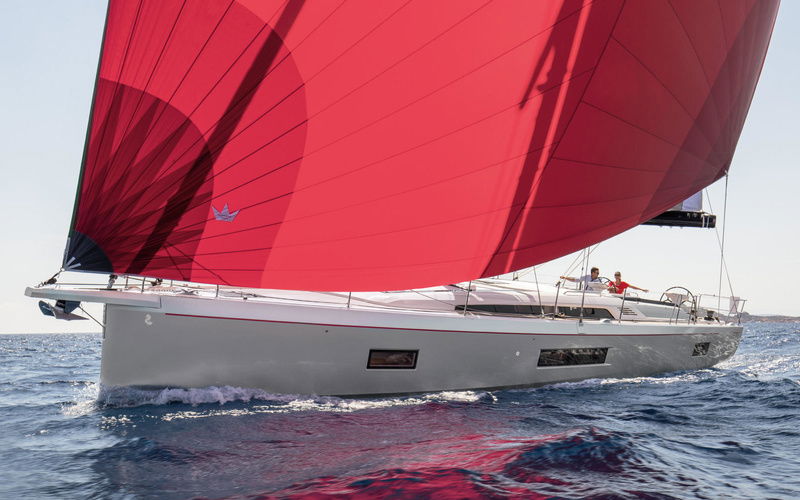


Images have been gathered from various sources and belong to their respective owners.
Latest Market Trends (Latest Available Year Model)
Price: $792,767
Review - Beneteau Oceanis 51.1

MarineBroker
09/25/2024, 6:27 AM
2017 Beneteau Oceanis 51.1: What to Know Before You Buy, Cruise, or Upgrade
The 2017 Beneteau Oceanis 51.1 is the kind of yacht that gets people daydreaming fast. It’s big enough to feel genuinely comfortable offshore, stylish enough to turn heads in the marina, and practical enough to make extended cruising feel realistic instead of exhausting. But if you’re researching this model, you’re probably not just admiring the photos. You’re likely trying to answer a more important question: is it actually the right boat for your kind of sailing?
That’s where the real challenge starts. A yacht like the Oceanis 51.1 can be a fantastic choice, but only if you understand what it does well, where it needs attention, and how to evaluate it properly before committing. Many buyers focus on size, layout, and appearance, then discover later that the real difference lies in maintenance history, sail plan, systems condition, and how the boat has been used.
The good news is that with the right approach, you can quickly separate the boats that are worth serious attention from the ones that will cost you time and money later. In this guide, we’ll break down the 2017 Beneteau Oceanis 51.1 in plain English, highlight the most important buying considerations, and show you how to make a smarter decision whether you’re shopping, upgrading, or preparing for cruising.
- What Makes the 2017 Beneteau Oceanis 51.1 Stand Out?
The Oceanis 51.1 sits in a sweet spot for sailors who want a modern cruising yacht with real volume and easy handling. At just over 50 feet, it offers the kind of interior space that makes longer trips far more comfortable, but it’s still designed to be manageable for experienced owner-operators and small crews.
Beneteau designed this model with a clear focus on cruising comfort and usability. That means wide beam, generous natural light, a spacious cockpit, and a layout that supports both relaxing and practical sailing. For many buyers, that combination is the main attraction.
A few reasons this model gets so much attention:
- Strong interior volume for its length
- Flexible cabin and layout options
- Modern hull shape with good performance for a cruising yacht
- Large cockpit and easy social space
- Popularity in the used market, which helps with parts, knowledge, and resale
If you’re comparing it to older 50-foot cruising boats, the 2017 Beneteau Oceanis 51.1 often feels more open, brighter, and easier to live with. That said, it’s important to remember that “comfortable” doesn’t automatically mean “low-maintenance.” Bigger boats bring bigger systems, and that’s where smart evaluation matters.
- The Most Common Problem Buyers Face
The biggest issue people run into with the 2017 Beneteau Oceanis 51.1 is not usually the design itself. It’s buying one based on appearance alone and underestimating the cost and complexity of ownership.
A yacht this size can hide a lot behind a polished listing:
- tired sails
- neglected rigging
- worn deck hardware
- aging batteries
- outdated electronics
- moisture or water intrusion
- engine and generator service gaps
In other words, the boat may look ready to go, but the real condition can vary a lot depending on how it was used and maintained. Charter boats, private cruising boats, and lightly used seasonal boats can all age very differently.
Another common challenge is matching expectations to reality. Some buyers assume a 51-foot cruiser will be effortless to handle because it’s modern. In practice, docking, sail handling, and maintenance still require planning, skill, and budget.
So the problem is usually this: how do you tell whether a 2017 Beneteau Oceanis 51.1 is a smart buy or an expensive project?
- How to Evaluate a 2017 Beneteau Oceanis 51.1 Properly
The solution starts with a disciplined inspection process. Whether you’re buying through a broker or evaluating a boat you already own, focus on the systems that matter most.
- Check the Maintenance Records First
Paperwork tells a story.
Ask for:
- engine service records
- sail invoices
- rigging replacement history
- battery age and replacement records
- generator and air conditioning service
- any survey reports
- winterization or layup documentation
A well-documented boat is usually a safer bet than one with “we think it was serviced regularly” as the only answer.
Look for consistency. A boat that has been professionally maintained every year is typically far easier to own than one with long gaps in service, even if both look clean in photos.
- Inspect the Rigging and Sail Plan
On a boat like the Oceanis 51.1, sail handling systems are a big part of the experience. If the rigging is tired, the boat becomes less enjoyable and potentially less safe.
Pay close attention to:
- standing rigging age
- furling systems
- mainsail condition
- genoa wear
- halyard and sheet condition
- winch operation
- mast and spreader inspection points
Even if the rigging “looks fine,” age matters. Many owners use a 10-year window as a practical benchmark for standing rigging replacement, depending on usage and environment.
If the boat has been used in warm, salty conditions, wear may be more advanced than expected.
- Evaluate the Hull, Deck, and Moisture Risk
The 2017 Beneteau Oceanis 51.1 benefits from a modern production build, but like any cruising yacht, it still needs a careful structural inspection.
Check for:
- gelcoat cracks around stress points
- deck softness
- leaks around hatches and fittings
- signs of water intrusion in lockers and bilges
- keel area condition
- rudder play or damage
- chainplate and bulkhead integrity
Moisture intrusion is one of the most expensive issues to deal with if it’s been ignored. A clean-looking interior does not guarantee a dry structure.
A moisture meter, careful visual inspection, and a qualified surveyor can save you from a costly mistake.
- Understand the Engine and Mechanical Systems
The engine is one of the most important parts of any cruising yacht, especially a boat of this size. On the Oceanis 51.1, the propulsion system should be smooth, reliable, and well documented.
Check:
- engine hours
- oil and filter service history
- cooling system condition
- belt wear
- shaft, saildrive, or propeller condition depending on configuration
- fuel tank cleanliness
- bilge dryness around the engine area
If the boat has a generator, treat it as a separate system with its own service history. Same goes for watermakers, air conditioning, and bow thrusters.
A common mistake is assuming low hours means low wear. That’s not always true. A boat that sits unused for long periods can develop its own problems, including stale fuel, corrosion, and neglected seals.
- Why the 2017 Beneteau Oceanis 51.1 Appeals to Cruisers
For many sailors, the appeal of the 2017 Beneteau Oceanis 51.1 is simple: it makes cruising feel easier.
The boat’s layout is typically designed to support real life aboard. That means:
- comfortable cabins
- practical galley space
- good headroom
- large saloon windows
- enough storage for extended trips
- cockpit space that works for both sailing and relaxing
This matters more than many people realize. When you spend multiple days or weeks aboard, the difference between “nice on paper” and “pleasant in practice” becomes huge.
The Oceanis 51.1 also tends to suit a wide range of owners:
- couples cruising long-term
- families wanting a roomy liveaboard platform
- experienced sailors downsizing from larger yachts
- charter-minded owners who want a proven layout
That versatility is part of why it remains so popular in the used market.
- What to Watch Out for in a Used Oceanis 51.1
Even a well-designed yacht can become a headache if the wrong boat is chosen. Here are the most common red flags to watch for when evaluating a used 2017 Beneteau Oceanis 51.1.
- Poor charter history without records
Charter boats can be a good value, but only if they’ve been maintained properly. Heavy use without documentation is a warning sign.
- Outdated electronics
Modern cruising is easier when navigation, autopilot, and communications are reliable. Replacing electronics on a 50-foot boat can get expensive quickly.
- Neglected sails and rigging
These are among the most common hidden costs. A boat may look ready, but soft sails and aging rigging can change the whole ownership experience.
- Cosmetic upgrades masking deeper issues
A fresh interior or new upholstery doesn’t mean the mechanical systems are current.
- Water intrusion
Leaks around hatches, deck fittings, or windows can lead to expensive repairs if ignored.
- Mismatched expectations
Some buyers want performance closer to a racer-cruiser, while the Oceanis 51.1 is better understood as a capable, comfortable cruising yacht with respectable sailing ability.
- Practical Buying Tips for the 2017 Beneteau Oceanis 51.1
If you’re actively shopping, use a checklist. It keeps emotion out of the decision and helps you compare boats fairly.
Here’s a practical approach:
1. Compare maintenance history before comparing cosmetics
A clean boat with weak records is less attractive than a slightly older-looking one with excellent service logs.
2. Budget for immediate upgrades
Even a good boat may need:
- new batteries
- safety gear replacement
- electronics updates
- sail repairs
- antifouling
- rigging service
3. Hire the right surveyor
Choose someone who understands larger cruising yachts and production fiberglass boats. Not every surveyor is equally experienced with this class.
4. Sea trial the boat under realistic conditions
Test docking, sail handling, autopilot performance, engine response, and visibility from the helm.
5. Check usability, not just features
Ask whether the layout works for your actual plans:
- weekend sailing
- family cruising
- liveaboard use
- offshore passages
- charter operation
If the boat fits your routine, not just your dream, it’s more likely to be a good long-term choice.
- Is the 2017 Beneteau Oceanis 51.1 Good for Offshore Cruising?
The 2017 Beneteau Oceanis 51.1 can be a capable offshore cruiser when properly equipped and maintained, but it should be evaluated honestly.
For coastal cruising and moderate offshore passages, it can be a very comfortable platform. The key is preparation:
- proper safety gear
- reliable autopilot
- well-maintained rig
- current sails
- sound electrical systems
- appropriate storm and passage planning equipment
If your goal is bluewater-style passagemaking, the boat should be outfitted and inspected accordingly. Comfort and size are helpful, but offshore confidence comes from systems, maintenance, and seamanship.
For many owners, the Oceanis 51.1 is best viewed as a strong cruising yacht that can handle serious trips when set up correctly, rather than a minimalist expedition boat.
- Ownership Costs: What Buyers Should Expect
One of the smartest things you can do is think beyond purchase price. A 51-foot yacht has meaningful annual costs, and those costs can vary widely depending on condition and usage.
Common ownership expenses include:
- insurance
- dockage or mooring
- bottom paint and haul-outs
- engine and generator service
- sail repairs or replacement
- rigging inspections
- battery replacement
- electronics upgrades
- cleaning and detailing
- safety equipment renewal
If you’re buying a 2017 Beneteau Oceanis 51.1, build a reserve fund for unexpected maintenance. That way, the boat remains enjoyable instead of becoming a constant financial surprise.
A good rule of thumb is to avoid spending every dollar on the purchase itself. The best boats are the ones you can actually keep in top condition.
- Why This Model Still Makes Sense in Today’s Market
Even years after its release, the 2017 Beneteau Oceanis 51.1 remains relevant because it solves a real problem for cruising sailors: how to get space, comfort, and manageable sailing behavior in one package.
It’s not trying to be everything. It’s designed to be:
- comfortable at anchor
- practical underway
- attractive to buyers
- flexible in layout
- easy to live with compared to many older large cruisers
That makes it especially appealing in the used market, where buyers want a boat that feels modern without forcing them into a brand-new price bracket.
If you’re comparing it with other yachts in the same size class, the Oceanis 51.1 often stands out for overall livability and broad market appeal.
- Final Thoughts for Buyers and Owners
The 2017 Beneteau Oceanis 51.1 is a strong choice for sailors who want a spacious, modern cruising yacht with real comfort and practical sailing features. But like any boat in this category, the best decision comes from looking past the listing and focusing on condition, maintenance, and fit for your plans.
If you’re shopping for one, prioritize records, systems, and survey results over cosmetics. If you already own one, staying ahead of rigging, sails, mechanical service, and moisture checks will protect both performance and value.
In the end, the smartest way to enjoy a 2017 Beneteau Oceanis 51.1 is to treat it like the capable cruising platform it is: inspect it carefully, maintain it consistently, and set it up for the kind of sailing you actually want to do. If you’re still comparing options, take time to review maintenance logs, arrange a thorough survey, and learn more about how this model performs in real-world cruising conditions.
Specifications
General
Boat Type: Sail Boats
Class Type: Cruiser
Specifications
Length: 52.3
Beam: 15.75
Draft: 7.55
Hull Material: GRP
Build
First Built: 2017
Propulsion
Fuel Type: Diesel
Engines: 1
Power: 80 HP
Brand: Yanmar
Accomodation
Berths: 10
Cabins: 5
Bathrooms: 3
PROS & CONS
What we appreciated
 Spacious and well-designed interior with multiple layout optionsModern hull design offering good performance and stabilityLarge cockpit with comfortable seating and easy sail handlingHigh-quality construction and materials typical of BeneteauAdvanced navigation and onboard systems for enhanced safety and convenience
What we didn’t appreciate
 Relatively high maintenance costs compared to smaller boatsHeavier displacement can affect light wind performanceSome owners report limited storage space in certain areasComplex systems might require more technical knowledge to maintainHigher initial purchase price compared to similar-sized competitors
Upkeep Costs
Insurance: $1,200 - $2,500 per year
Maintenance and Repairs: $3,000 - $5,000 per year
Docking/Marina Fees: $2,000 - $6,000 per year
Fuel: $1,000 - $3,000 per year
Winter Storage and Haul-out: $1,000 - $3,000 per year

Rating
8.2
User
Score
Score
Driveability
Technology
Interior
Design
Similar Boats


MarineBroker
Download now for an immersive boat experience like never before! ⛵✨ Your journey begins with a simple click. 🌊📲
#SetSailSmart #DownloadNow
#SetSailSmart #DownloadNow

Subscribe
Copyright 2017 - 2026, Marinebroker.net, All Rights Reserved