Boat Database » Alloy Yachts Pacific Eagle
Alloy Yachts Pacific Eagle
Inboard Direct-Drive, Diesel, 2x 245 HP
Sail Boats 1990 Alloy Yachts Pacific Eagle: What Buyers and Owners Should Know Before You Dive In
If you’ve been searching for information on the 1990 Alloy Yachts Pacific Eagle, chances are you’re already interested in more than just a pre...
Discover

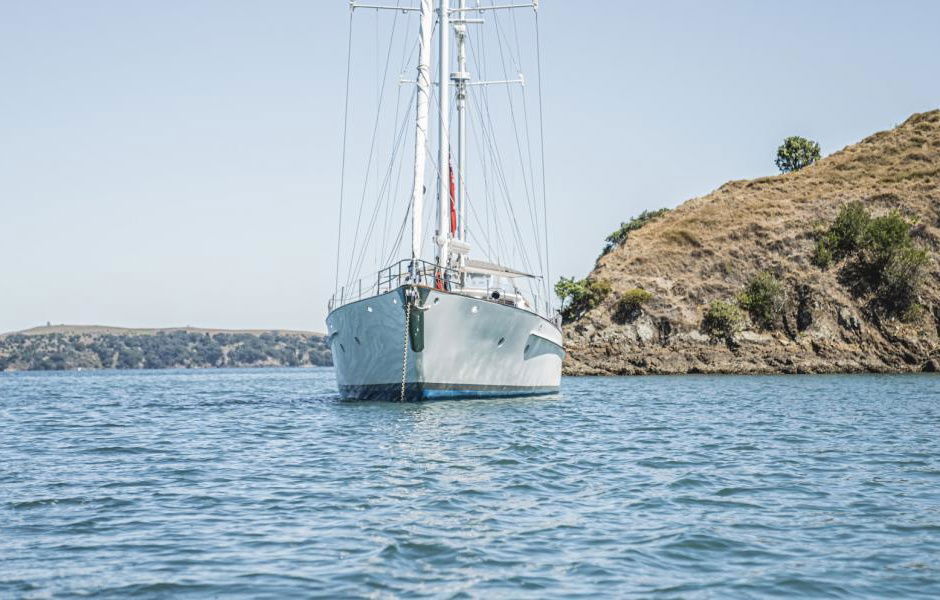
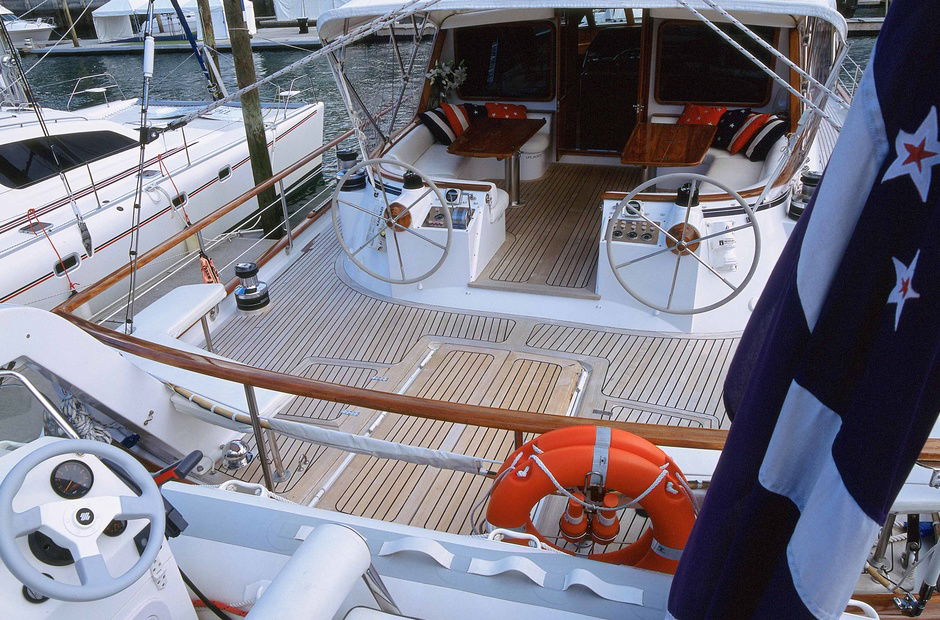
Images have been gathered from various sources and belong to their respective owners.
Review - Alloy Yachts Pacific Eagle

MarineBroker
02/19/2024, 6:38 AM
1990 Alloy Yachts Pacific Eagle: What Buyers and Owners Should Know Before You Dive In
If you’ve been searching for information on the 1990 Alloy Yachts Pacific Eagle, chances are you’re already interested in more than just a pretty boat. You’re probably trying to figure out whether this yacht is a smart buy, how it holds up after decades in the water, and what it takes to keep it performing well. That’s a fair question.
Older luxury yachts can be incredible value, but they can also come with hidden maintenance needs, outdated systems, and a few surprises that are easy to miss during a quick walkthrough. The 1990 Alloy Yachts Pacific Eagle is no exception. Like many well-built classic yachts, it may offer strong construction, timeless lines, and serious cruising capability, but only if you understand what to look for.
The good news? With the right approach, you can separate the cosmetic charm from the real condition of the vessel. In this article, we’ll look at the main things to evaluate, the common problem areas on older yachts, and the practical steps that help buyers and owners make better decisions. Whether you’re considering purchase, ownership, or just researching the boat, this guide will help you move forward with more confidence.
- What Makes the 1990 Alloy Yachts Pacific Eagle Worth a Closer Look
Alloy Yachts has long been associated with quality aluminum construction, custom builds, and serious bluewater capability. A yacht from this builder often attracts attention because it tends to combine performance, durability, and craftsmanship in a way that still feels relevant decades later.
The 1990 Alloy Yachts Pacific Eagle sits in that category of boats that can still be appealing to experienced buyers who value strong construction over flashy new features. Instead of focusing only on age, it helps to look at the yacht through the lens of design, maintenance history, refits, and intended use.
For many people, the attraction is simple:
- Aluminum hulls can be strong and relatively lightweight
- Older custom yachts often have practical layouts for long cruising
- Quality builds may age better than mass-market alternatives
- Refits can modernize systems without losing the yacht’s character
That said, age always matters. A well-built yacht still needs proper care, and a neglected one can become expensive quickly. That’s why the real question is not just “Is it a good yacht?” but “Has it been maintained in a way that preserves its value and safety?”
- The Main Problem Buyers Face With Older Luxury Yachts
The biggest challenge with a yacht like the 1990 Alloy Yachts Pacific Eagle is figuring out what condition it’s really in beneath the surface.
A boat can look impressive in photos or even during a dockside visit, but hidden issues may be waiting in the systems, structure, and machinery. That’s especially true for yachts built in the early 1990s, when many components were designed around older standards and may have been updated several times since.
Common concerns include:
- Aging mechanical systems
- Electrical components that are no longer up to current expectations
- Corrosion in metal structures or fittings
- Outdated navigation and safety equipment
- Interior wear that masks deeper maintenance needs
- Deferred maintenance from previous owners
The problem is that these issues don’t always show up all at once. A yacht may seem fine until you start running the generator, inspecting tanks, checking wiring, or opening up service areas. Then the true scope of ownership becomes clearer.
That’s why experienced buyers don’t just ask, “Does it float?” They ask, “What will it take to keep it reliable?”
- How to Evaluate a 1990 Alloy Yachts Pacific Eagle the Smart Way
If you’re seriously considering a vessel like this, the best solution is a structured evaluation. That means looking beyond appearance and focusing on the systems that matter most for safety, performance, and long-term cost.
Start with these areas:
- Hull and structure
- Engine and propulsion
- Electrical systems
- Plumbing and tanks
- Deck hardware and rigging, if applicable
- Interior condition
- Safety equipment
- Documentation and maintenance records
A thorough marine survey is essential. For an older yacht, you want both a general survey and, when appropriate, specialized inspections such as engine analysis, moisture readings, and corrosion checks.
A good survey can reveal:
- Previous repairs
- Structural movement
- Signs of water intrusion
- Corrosion around fittings or welds
- Electrical shortcuts or aging wiring
- Evidence of poor maintenance
If you’re not experienced with older yachts, this step is not optional. It’s the difference between making an informed decision and buying a project you didn’t plan for.
- What to Look for in the Hull and Structure
The hull is where the story begins. On a yacht like the 1990 Alloy Yachts Pacific Eagle, aluminum construction can be a major advantage, but it also requires careful inspection.
Look for:
- Corrosion around welds and fasteners
- Signs of impact damage
- Repairs that don’t match surrounding structure
- Paint or coating failures
- Electrolysis or galvanic corrosion near dissimilar metals
Aluminum boats are strong, but they are not maintenance-free. Protective coatings, proper bonding, and electrical isolation all matter. If these have been neglected, corrosion can quietly spread over time.
You should also check for:
- Fairness of the hull
- Condition of the keel and appendages
- Any soft spots or unusual flexing
- Evidence of leaks around openings and fittings
If the yacht has been stored properly, maintained with care, and surveyed regularly, the structure may still be in excellent shape. If not, the repair costs can escalate fast.
- Engine, Generator, and Mechanical Systems: The Real Cost Drivers
For many buyers, the mechanical systems are where the budget gets tested.
Even if the yacht looks beautiful, the engines and generator can tell a very different story. On a boat from 1990, these systems may have been rebuilt, replaced, or patched over the years. That’s not automatically a problem, but it does mean you need to know exactly what you’re dealing with.
Check:
- Engine hours and service records
- Oil condition and fluid analysis
- Cooling system integrity
- Belts, hoses, mounts, and exhaust components
- Generator operation under load
- Fuel tank condition and cleanliness
A yacht can have low hours and still be a poor buy if it sat unused for long periods. In marine environments, inactivity can be just as damaging as heavy use.
Watch for warning signs like:
- Hard starting
- Excess smoke
- Overheating
- Vibration
- Fuel contamination
- Electrical instability during startup
If the seller can provide detailed maintenance records, that’s a major plus. If not, assume you may need to budget for significant mechanical recommissioning.
- Electrical and Navigation Upgrades Often Needed on a 1990 Yacht
One of the most common issues with older yachts is outdated electrical infrastructure.
The 1990 Alloy Yachts Pacific Eagle may have been built with systems that were excellent for their time, but marine electronics and safety standards have changed a lot since then. Even a well-kept yacht often needs modernization in this area.
Pay attention to:
- AC and DC panel condition
- Wiring quality and labeling
- Battery age and charging systems
- Shore power connections
- Bonding and grounding
- Navigation electronics
- Lighting and emergency systems
Old wiring can become brittle, poorly documented, or modified by multiple owners over time. That creates risk not just of inconvenience, but of fire or system failure.
A practical solution is to prioritize upgrades in phases:
1. Safety-critical systems first
2. Charging and battery management next
3. Navigation and communications after that
4. Comfort upgrades last
This keeps the yacht usable while you improve reliability in a sensible order.
- Interior Condition: Don’t Let Cosmetics Fool You
A polished interior can be very convincing, but it shouldn’t distract you from the basics.
On an older yacht, interior wear may point to deeper issues such as leaks, poor ventilation, or neglected systems behind the panels. That’s why you should inspect more than just upholstery and woodwork.
Look for:
- Musty smells
- Staining around windows or hatches
- Soft flooring
- Delamination
- Mold or mildew
- Signs of water intrusion behind lockers and panels
Interior refits can be expensive, but they are usually more manageable than structural or mechanical repairs. Still, if the interior has been recently refreshed, ask what was done underneath the visible surfaces.
A useful question is: was this a true refit, or just a cosmetic makeover?
That distinction matters a lot when evaluating value.
- Documentation and Ownership History Matter More Than You Think
When researching the 1990 Alloy Yachts Pacific Eagle, paperwork can be just as important as equipment.
A complete history helps you understand how the yacht has been treated over time. In many cases, good records are the strongest sign that a vessel has been cared for properly.
Ask for:
- Original build documentation
- Previous survey reports
- Service logs
- Engine and generator records
- Refit invoices
- Registration and title documents
- Records of major repairs or upgrades
A well-documented yacht gives you confidence. It also helps you estimate future costs more accurately.
If the records are thin or inconsistent, don’t panic, but do be cautious. Missing documentation doesn’t automatically mean the boat is bad. It does mean you should inspect more carefully and price in extra uncertainty.
- How to Decide Whether the Yacht Is a Smart Buy
The smartest way to judge an older yacht is to compare the purchase price against the total cost of ownership.
That means looking beyond the asking price and considering:
- Survey and inspection costs
- Immediate repairs
- Planned upgrades
- Annual maintenance
- Dockage and storage
- Insurance
- Fuel and operating expenses
A low purchase price can be misleading if the yacht needs major work right away. On the other hand, a slightly higher-priced yacht with a strong maintenance history may actually be the better deal.
A simple rule of thumb:
- If the yacht is well maintained and needs only minor updates, it may be a strong candidate
- If it needs major structural, mechanical, or electrical work, treat it as a project vessel
- If the seller cannot provide clear records, assume higher risk
This is where a professional survey and a realistic budget make all the difference.
- Practical Ownership Tips for a Boat Like the 1990 Alloy Yachts Pacific Eagle
If you already own the yacht, or you buy it after a careful review, the next challenge is keeping it in good shape without letting maintenance spiral out of control.
A good ownership plan should include:
- Regular engine and generator servicing
- Corrosion inspections
- Battery and charging system checks
- Bottom and hull maintenance
- Seacock and hose inspections
- Leak detection after heavy weather
- Annual safety gear review
It also helps to create a maintenance calendar. Older yachts do much better when small issues are handled early.
A few practical habits go a long way:
- Keep detailed logs of all work performed
- Test systems on a regular schedule
- Address corrosion immediately
- Don’t ignore unusual noises, smells, or temperature changes
- Store the yacht properly when not in use
The goal is not perfection. The goal is consistency.
- When a Refurbishment Makes Sense
Sometimes the best solution is not to walk away from an older yacht, but to plan a phased refit.
That can make a lot of sense if the hull and core structure are strong and the yacht has good bones. In that case, you may be able to improve reliability and comfort over time without trying to do everything at once.
A smart refit plan often focuses on:
- Safety and compliance
- Mechanical reliability
- Electrical modernization
- Navigation and communication upgrades
- Interior comfort improvements
- Paint and cosmetic work last
This order helps preserve budget and keeps the yacht operational as much as possible.
If you’re considering a refit, ask yourself:
- What must be fixed now?
- What can wait?
- What will improve reliability the most?
- Which upgrades add the most value for your intended use?
That mindset keeps the project grounded and prevents overspending on low-priority cosmetic changes.
- Why Research Pays Off With the 1990 Alloy Yachts Pacific Eagle
Older yachts reward patience. The more you learn before buying or restoring, the better your outcome usually is.
The 1990 Alloy Yachts Pacific Eagle may be a great example of a classic yacht that still offers real appeal, but only for someone willing to do the homework. If you understand the condition, maintenance history, and likely upgrade path, you can make a much more confident decision.
That research helps you:
- Avoid expensive surprises
- Negotiate more fairly
- Plan maintenance realistically
- Decide whether the yacht fits your cruising goals
- Protect long-term value
In other words, knowledge is the real solution here. The boat itself may be part of the answer, but the bigger win comes from knowing what you’re buying and how to care for it.
- Conclusion
The 1990 Alloy Yachts Pacific Eagle can be an appealing choice for anyone drawn to classic yacht design, strong construction, and serious cruising potential. But like any older luxury vessel, its true value depends on condition, maintenance history, and the quality of any upgrades or refits.
The main problem buyers face is separating surface appeal from real-world reliability. The practical solution is a careful inspection, a detailed survey, and a realistic plan for ownership or refurbishment. Focus on structure, machinery, electrical systems, and documentation before making a decision.
If you’re exploring this yacht seriously, take your time and gather as much information as possible. A little extra research now can save a lot of money and stress later—and help you decide whether this classic vessel is the right fit for your boating goals.
Specifications
General
Boat Type: Sail Boats
Class Type: Cruiser
Specifications
Length: 102.03
Beam: 24.93
Draft: 7.55
Hull Material: Aluminium
Build
First Built: 1990
Propulsion
Fuel Type: Diesel
Engines: 2
Power: 245 HP
Brand: Gardner
Accomodation
Cabins: 3
PROS & CONS
What we appreciated
 High-quality alloy construction providing excellent durability and corrosion resistanceClassic, timeless design with strong aesthetic appealSolid build quality typical of Alloy Yachts craftsmanshipSpacious interior layout suitable for comfortable cruisingGood offshore performance with reliable seakeeping abilities
What we didn’t appreciate
 Older design may lack modern onboard technology and amenitiesPotentially higher maintenance costs due to ageLimited availability of replacement parts specific to this modelHeavier weight compared to modern composite yachts, possibly affecting speedSome systems may require upgrading to meet current safety standards
Upkeep Costs
Annual maintenance and repairs: $5,000 - $15,000
Insurance: $2,000 - $6,000 per year
Docking and marina fees: $3,000 - $10,000 per year
Fuel costs: $1,500 - $5,000 depending on usage
Survey and registration fees: $500 - $1,000 annually

Rating
7.5
User
Score
Score
Driveability
Technology
Interior
Design
Similar Boats


MarineBroker
Download now for an immersive boat experience like never before! ⛵✨ Your journey begins with a simple click. 🌊📲
#SetSailSmart #DownloadNow
#SetSailSmart #DownloadNow

Subscribe
Copyright 2017 - 2026, Marinebroker.net, All Rights Reserved