2017 Beneteau First 14: What Buyers and Sailors Should Know Before Getting on the Water
If you’ve been looking at the 2017 Beneteau First 14, chances are you’re trying to figure out one big thing: is it the right small sailboat f...
Discover
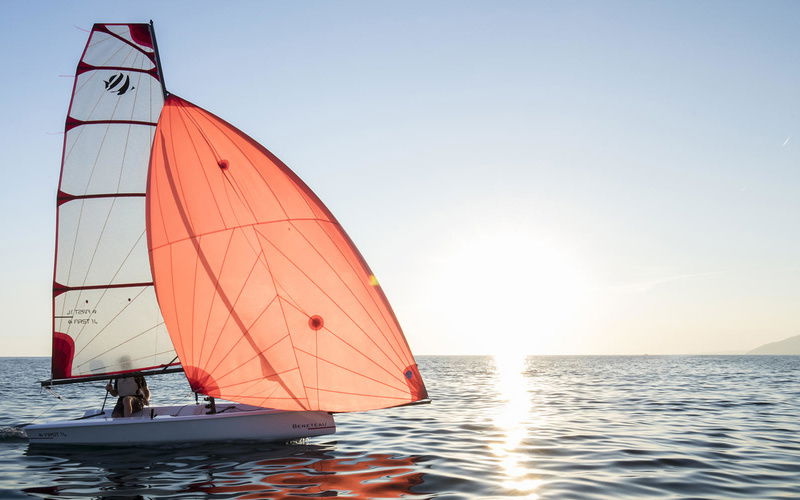
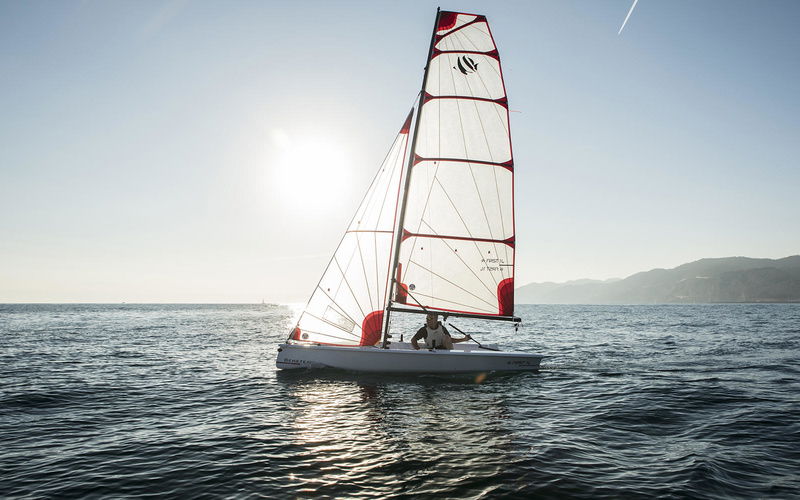

Images have been gathered from various sources and belong to their respective owners.
Latest Market Trends (Latest Available Year Model)
Price: $12,500
Review - Beneteau First 14

MarineBroker
09/25/2024, 12:37 PM
2017 Beneteau First 14: What Buyers and Sailors Should Know Before Getting on the Water
If you’ve been looking at the 2017 Beneteau First 14, chances are you’re trying to figure out one big thing: is it the right small sailboat for the kind of sailing you actually want to do? That’s a fair question. Small performance sailboats can look exciting on paper, but once you start comparing them, the details matter a lot more than the brochure does.
The 2017 Beneteau First 14 sits in a sweet spot for sailors who want something light, fast, and easy to handle without jumping into a full-on racing machine. But like any boat, it comes with trade-offs. Some buyers focus too much on speed and miss the practical side. Others worry about whether a boat this size can really deliver enough versatility for casual sailing, learning, or weekend fun.
The good news is that with the right expectations, the First 14 can be a smart, enjoyable choice. The key is knowing what to look for, what to avoid, and how to set the boat up so it works for your sailing style.
- What Makes the 2017 Beneteau First 14 Stand Out
The 2017 Beneteau First 14 is a compact, sporty sailboat designed to be simple, responsive, and fun. It’s part of Beneteau’s performance-oriented First line, but it’s much more approachable than larger racing boats.
At around 14 feet, it’s small enough to trailer, launch, and handle without a big crew. That makes it appealing to sailors who want a boat that feels lively on the water but doesn’t require a major time commitment to rig or maintain.
What makes it especially attractive is the balance between performance and accessibility. It’s not just about going fast. It’s about giving the sailor immediate feedback, easy control, and enough excitement to keep things interesting.
For many people, that’s the real appeal of the 2017 Beneteau First 14: it delivers a sailing experience that feels active and rewarding without becoming overwhelming.
- The Main Problem Buyers Face with the 2017 Beneteau First 14
The most common challenge people face with the 2017 Beneteau First 14 is figuring out whether a small performance dinghy-style sailboat will actually fit their needs in real life.
A lot of buyers fall into one of these camps:
- They want a boat that’s fun and fast, but they’re not sure it will be stable enough.
- They want something easy to launch, but they don’t want to sacrifice sailing performance.
- They like the idea of a sporty sailboat, but they worry it may be too limited for casual use.
- They’re comparing it with other small sailboats and can’t tell which features matter most.
That uncertainty is normal. Boats like the First 14 are often judged by their specs alone, but the real question is how they behave in everyday sailing conditions.
The solution is to focus on use case first, features second. If you know whether you want relaxed day sailing, skill-building, light racing, or just a fun boat for short outings, it becomes much easier to decide if the First 14 is a good match.
- Who the 2017 Beneteau First 14 Is Best For
The 2017 Beneteau First 14 works especially well for sailors who want a boat that is:
- Easy to trailer and store
- Light enough to launch without a full crew
- Responsive and engaging to sail
- Good for short trips, practice sessions, or casual racing
- Low on complexity compared with larger sailboats
It’s a strong fit for sailors who already have some basic experience and want a boat that feels more lively than a beginner-only trainer.
It can also work for motivated newcomers, especially if they’re willing to learn quickly and don’t mind a boat that rewards active sailing. If you enjoy feeling connected to the wind, the trim, and the helm, this type of boat can be very satisfying.
On the other hand, if your top priority is maximum comfort, cabin space, or family cruising, the First 14 probably won’t be the best fit. That’s not a flaw. It’s just a reminder that this boat is built for a specific kind of sailing experience.
- 2017 Beneteau First 14: Key Features That Matter in Real Use
When evaluating the 2017 Beneteau First 14, it helps to look beyond the marketing language and focus on what matters on the water.
- Lightweight hull
A lighter boat is easier to accelerate, which is one reason the First 14 feels quick and responsive. It also makes launching and retrieving more manageable.
The trade-off is that lightweight boats can be more sensitive to balance and sail trim. That’s part of the fun for many sailors, but it can feel twitchy if you’re expecting a slow, steady ride.
- Simple rigging
The First 14 is designed to keep things straightforward. For many owners, that means less setup time and more time sailing.
Simple rigging is especially useful for solo sailors or people who don’t want to spend half the day preparing the boat. It also reduces the learning curve for new owners.
- Responsive handling
One of the biggest strengths of the First 14 is how directly it responds to sail and tiller input. Small adjustments can make a noticeable difference.
That makes it a great boat for improving sailing skills. You can really feel how trim, weight placement, and steering affect performance.
- Trailer-friendly size
A 14-foot sailboat is much easier to transport than a larger keelboat or cabin cruiser. That opens up more sailing locations and makes ownership more flexible.
If you want to sail different lakes, coastal areas, or club venues, trailerability can be a major advantage.
- Common Concerns About the 2017 Beneteau First 14
Even if the boat looks appealing, buyers usually have a few concerns. These are worth addressing honestly.
- Is it too small?
For some sailors, yes. If you want overnight comfort or room for several passengers, a 14-foot boat will feel limited.
But if your goal is active day sailing, skill development, or short, fun outings, the size is often an advantage rather than a drawback.
- Is it stable enough?
Stability depends on expectations. The First 14 is not a heavy cruiser, so it won’t feel like a big, planted keelboat. Instead, it offers the kind of stability that comes from proper trim, balance, and sailing technique.
This is why it’s best for sailors who enjoy being involved in the boat’s performance.
- Is it beginner-friendly?
It can be, but with a caveat. The boat is simple, but it still rewards attention and practice.
A beginner who wants to learn the basics of wind, balance, and sail shape may love it. Someone looking for a very forgiving, sit-back-and-relax platform may prefer something more stable and less performance-oriented.
- Is it worth buying used?
A 2017 model can be a smart buy if it has been maintained properly. Small boats often show wear in the rigging, sails, fittings, and hull finish before major structural issues appear.
That means inspection matters a lot. The boat may look clean overall, but you still want to check the parts that take the most stress.
- What to Inspect Before Buying a 2017 Beneteau First 14
If you’re considering a used 2017 Beneteau First 14, a careful inspection can save you time and money later.
Here’s a practical checklist:
- Hull condition: Look for cracks, soft spots, repairs, or signs of impact.
- Rigging: Check shrouds, lines, fittings, and attachment points for wear.
- Sails: Inspect for stretching, tears, UV damage, and weak stitching.
- Foils and daggerboard: Make sure they move properly and show minimal damage.
- Hardware: Confirm that cleats, blocks, and control lines are secure and functional.
- Launch and trailer gear: If included, check the trailer for rust, bearings, lights, and tires.
- Storage history: Boats stored indoors or covered tend to age better.
- Previous use: Racing boats may have more wear than lightly used recreational boats.
If you’re not confident evaluating the boat yourself, it’s worth bringing along a knowledgeable sailor or marine surveyor. A small investment upfront can prevent bigger headaches later.
- How to Get the Best Performance from the First 14
One of the nice things about the 2017 Beneteau First 14 is that performance improvements often come from good sailing habits rather than expensive upgrades.
- Keep the boat balanced
Weight placement matters a lot on a small sailboat. Move smoothly, stay aware of heel angle, and avoid making abrupt shifts that upset the boat’s trim.
A balanced boat is usually faster, easier to steer, and more comfortable to sail.
- Trim the sails actively
The First 14 responds well to careful sail trim. Even small changes can improve speed and control.
If you’re sailing upwind, focus on efficient shape and smooth steering. Downwind, keep the boat stable and avoid oversteering.
- Practice launching and recovery
Because it’s trailer-friendly and small, the boat is ideal for repeated practice. The more comfortable you are with launching, rigging, and retrieving, the more enjoyable ownership becomes.
That confidence also makes spontaneous sailing much more realistic.
- Sail in the right conditions
This boat is fun in a wide range of conditions, but it really shines when sailors match the outing to the weather. Moderate wind often gives the best blend of speed and control.
Very light air may feel less exciting, while stronger wind can demand more attention and skill.
- 2017 Beneteau First 14 vs. Other Small Sailboats
If you’re comparing the First 14 with other small sailboats, the biggest difference is usually the sailing feel.
Some boats prioritize stability and simplicity above everything else. Others are built for pure speed or racing. The First 14 tries to sit in the middle, offering a sporty experience without becoming too technical or too stripped down.
That makes it appealing to sailors who want:
- More performance than a basic trainer
- Less complexity than a larger racer
- Better portability than a keelboat
- A more engaging feel than a very casual daysailer
If you’re comparing boats, ask yourself what matters most:
- Comfort or responsiveness?
- Ease of use or performance?
- Family cruising or solo fun?
- Long outings or short, energetic sails?
Once you answer those questions, the right choice becomes much clearer.
- Maintenance Tips That Keep Ownership Easy
A boat like the 2017 Beneteau First 14 is easiest to enjoy when maintenance stays simple and consistent.
Here are a few habits that help:
- Rinse the boat after saltwater use
- Dry sails before storage
- Inspect lines and fittings regularly
- Keep the trailer in good working order
- Store the boat covered when possible
- Address small cracks or wear early
Because small boats are often used more casually, maintenance can get overlooked. But a little routine care goes a long way toward keeping the boat fast, safe, and ready to sail.
If you’re buying used, a well-maintained boat is usually worth more than a neglected one with a lower asking price. That’s especially true with performance-oriented small sailboats, where condition can strongly affect handling.
- Why the 2017 Beneteau First 14 Still Makes Sense Today
Even though it’s a 2017 model, the First 14 still makes sense for sailors who want a practical and enjoyable small boat. Good design doesn’t go out of style just because a few years have passed.
Its strengths are still the same:
- Easy to handle
- Fun to sail
- Trailerable
- Responsive
- Good for skill development
For the right sailor, those are the qualities that matter most. A well-kept 2017 boat can still deliver a great experience without the cost or complexity of a larger vessel.
The key is not to chase the newest option just for the sake of it. Instead, focus on whether the boat fits your sailing goals, your storage situation, and your comfort level.
- Conclusion
The 2017 Beneteau First 14 is a smart option for sailors who want a compact boat with real personality. It’s not trying to be everything at once. Instead, it focuses on what small performance sailboats do best: delivering a lively, hands-on sailing experience that’s easy to trailer, launch, and enjoy.
If you’re considering one, the best approach is to think in terms of fit. Look closely at how you plan to sail, inspect the boat carefully, and prioritize condition and usability over hype. For the right owner, the First 14 can be a rewarding boat that keeps sailing simple, active, and fun.
If you want to keep researching, compare it with similar small performance sailboats and make a checklist before you buy or sail. That extra step can make all the difference.
Specifications
General
Boat Type: Sail Boats
Class Type: Cruiser
Specifications
Length: 14.11
Beam: 5.58
Draft: 3.28
Hull Material: GRP
Build
First Built: 2017
Propulsion
Fuel Type: Diesel
Engines: 1
Power: 0 HP
Brand: Unknown
Accomodation
PROS & CONS
What we appreciated
 Lightweight and easy to trailerResponsive and agile performanceSimple rigging and sail handlingDurable construction with quality materialsIdeal for both beginners and experienced sailors
What we didn’t appreciate
 Limited cockpit space for multiple crewMinimal onboard storageNot suitable for long-distance cruisingNo cabin or shelter from weatherMay require frequent maintenance on rigging
Upkeep Costs
Annual maintenance and repairs: $500 - $1,000
Storage fees (dry storage or marina slip): $600 - $1,200 per year
Insurance: $300 - $600 per year
Winterizing and commissioning: $200 - $400 per year
Miscellaneous (sails, lines, safety equipment replacement): $200 - $500 per year
Rating
4.9
User
Score
Score
Driveability
Technology
Interior
Design
Similar Boats


MarineBroker
Download now for an immersive boat experience like never before! ⛵✨ Your journey begins with a simple click. 🌊📲
#SetSailSmart #DownloadNow
#SetSailSmart #DownloadNow

Subscribe
Copyright 2017 - 2026, Marinebroker.net, All Rights Reserved