Boat Database » Beavertail Elite 17
Beavertail Elite 17
Outboard four-stroke, Unleaded, 1x 70 HP
Power Boats 2014 Beavertail Elite 17: How to Solve Common Setup and Performance Issues
If you’re looking into the 2014 Beavertail Elite 17, chances are you already know it has a solid reputation as a lightweight, shallow-water skiff that’s b...
Discover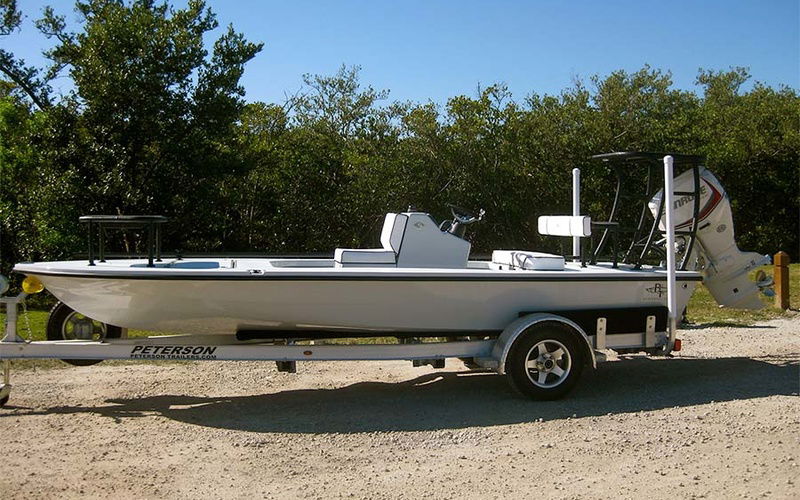


Images have been gathered from various sources and belong to their respective owners.
Review - Beavertail Elite 17

MarineBroker
09/19/2024, 7:22 AM
2014 Beavertail Elite 17: How to Solve Common Setup and Performance Issues
If you’re looking into the 2014 Beavertail Elite 17, chances are you already know it has a solid reputation as a lightweight, shallow-water skiff that’s built for practical use. But like any older boat, owning one isn’t just about enjoying the ride. It also means figuring out how to get the best performance out of it, especially if you’re dealing with an issue that’s pretty common among owners: dialing in the boat so it runs properly, stays stable, and fits the way you actually use it.
That’s where a lot of frustration starts. Maybe the boat feels a little underpowered with the wrong engine setup. Maybe it doesn’t float or trim the way you expected. Or maybe you’re trying to buy one and want to know what to check before you commit. The good news is that most of these problems come down to a few manageable factors: weight distribution, engine matching, maintenance, and setup choices.
In this article, we’ll break down the most common concerns with the 2014 Beavertail Elite 17 and walk through practical ways to solve them. Whether you already own one or you’re considering buying one, the goal is to help you make smarter decisions and get more out of the boat.
- What Makes the 2014 Beavertail Elite 17 Stand Out
The 2014 Beavertail Elite 17 is a compact shallow-water boat designed for anglers who need a lightweight hull with good maneuverability. At 17 feet, it sits in a sweet spot for people who want something easier to trailer, launch, and push through skinny water without giving up too much deck space.
This boat is especially appealing for:
- Inshore anglers
- Flats fishermen
- Owners who want a lighter rig for easier towing
- People fishing creeks, marshes, and shallow bays
Its size is a major advantage, but that same size can also create setup challenges. A boat this light can be sensitive to how it’s loaded, how much power it has, and even how the motor is mounted. That’s why many owners end up asking the same question: how do I get this boat to perform the way it should?
The answer usually starts with understanding the hull, the engine, and the balance between the two.
- Common Problem: The Boat Feels Hard to Dial In
One of the most common issues with a 2014 Beavertail Elite 17 is that it doesn’t feel “right” until everything is tuned properly. Some owners describe the boat as sluggish, overly sensitive, or not as efficient as expected.
That usually comes from one or more of these factors:
- Engine horsepower not matched well to the hull
- Too much weight in the stern or bow
- Incorrect propeller selection
- Poor maintenance on the lower unit, plugs, or fuel system
- Added gear changing the boat’s balance
A shallow-water skiff like this is designed to be efficient, but it’s also less forgiving than a heavier bay boat. A small change in load can make a noticeable difference in how it runs.
If you’re experiencing performance issues, the first step is not to assume the hull is the problem. In many cases, the setup is the real issue.
- Engine Matching Matters More Than Most People Think
For boats like the 2014 Beavertail Elite 17, engine matching is one of the biggest performance factors. Too little power and the boat struggles to get on plane. Too much power, or the wrong prop setup, and the boat may feel twitchy or inefficient.
A good setup should allow the boat to:
- Plane smoothly
- Maintain a reasonable cruising speed
- Stay stable in turns
- Run efficiently in shallow water
If the engine is underpowered, the boat may labor with two people and gear onboard. If it’s overpropped, the motor can’t reach proper RPMs, which hurts both speed and engine health.
A practical way to check this is to compare your current wide-open throttle RPMs to the manufacturer’s recommended range for the motor. If the motor is not reaching the correct range, the prop may be too “heavy.” If it over-revs, the prop may be too light.
- How to Tell If Your Propeller Is the Real Problem
Many boat owners focus on the engine when the propeller is actually the issue. On a light hull like the 2014 Beavertail Elite 17, prop selection can completely change the way the boat performs.
Signs your prop may be wrong include:
- Slow hole shot
- Engine struggling to reach ideal RPM
- Excessive bow rise
- Poor fuel economy
- Cavitation or ventilation in turns
- A top speed that feels lower than expected
The fix is often simple: test a different pitch or style of prop. Stainless props tend to hold better in some conditions, while aluminum props can be more forgiving and less expensive. The best choice depends on your motor, load, and how you use the boat.
If you fish shallow water often, you may care more about quick acceleration and control than top-end speed. In that case, a prop that helps the boat plane quickly may be more useful than squeezing out an extra mile per hour.
- Weight Distribution Can Make or Break Performance
Because the 2014 Beavertail Elite 17 is a relatively light boat, weight placement matters a lot. A few coolers, batteries, extra fuel, or a pile of tackle can shift the balance enough to affect running attitude.
Common weight-related issues include:
- Stern-heavy setup causing slow planing
- Bow too light, making the ride feel unstable
- Uneven side-to-side loading
- Too much gear stored in one area
The solution is usually to spread weight more evenly. Try to keep heavy items centered and low in the boat when possible. If you’re carrying multiple batteries or a trolling motor, make sure they’re positioned with balance in mind.
A simple test is to run the boat with different load configurations and pay attention to:
- Time to plane
- Bow rise
- Ride attitude
- Turning response
- Draft and shallow-water handling
Small adjustments can make a big difference.
- Maintenance Issues That Hurt Performance
Sometimes the problem isn’t setup at all. It’s maintenance.
Older boats like the 2014 Beavertail Elite 17 can lose efficiency if basic maintenance gets ignored. Even if the hull is in great shape, a worn fuel system or neglected lower unit can make the boat feel tired.
Things to check regularly:
- Spark plugs
- Fuel lines and filters
- Water pump impeller
- Lower unit oil
- Battery condition
- Steering and control cables
- Engine mounting bolts
A weak battery or dirty fuel filter can cause hard starting, rough idling, or hesitation on takeoff. A worn impeller can affect cooling, and that can lead to bigger problems fast.
If the boat feels slower than it used to, don’t jump straight to major repairs. Start with the basics. On many boats, a simple tune-up brings back a surprising amount of performance.
- What to Check Before Buying a 2014 Beavertail Elite 17
If you’re shopping for a used 2014 Beavertail Elite 17, the biggest mistake is focusing only on the hull’s appearance. A clean-looking boat can still have setup or mechanical issues that cost money later.
Here’s what to inspect:
- Hull condition: look for cracks, soft spots, repairs, or signs of impact
- Transom: check for flex or water intrusion
- Deck and storage areas: inspect for rot, corrosion, or loose hardware
- Motor hours and service history
- Trailer condition, including bearings, lights, and tires
- Wiring and electronics
- Steering system and throttle response
You should also ask how the boat was used. A skiff used mostly in freshwater may show different wear than one used in saltwater. Salt exposure can affect wiring, hardware, and the motor much more quickly.
If possible, take the boat for a sea trial. A short run can reveal a lot about how the boat planes, turns, and handles under load.
- How to Improve Ride Quality on a Small Skiff
Ride quality is another area where owners sometimes want improvement. The 2014 Beavertail Elite 17 is built for shallow water, so it won’t ride like a heavier offshore boat. Still, there are ways to make it more comfortable and predictable.
A few helpful strategies:
- Trim the motor correctly while running
- Avoid overloading the stern
- Keep gear secured to reduce shifting weight
- Use the right prop for your typical load
- Check hull bottom cleanliness regularly
- Adjust seating and storage to improve balance
A clean bottom matters more than many people think. Even a thin layer of growth or grime can reduce speed and efficiency. If the boat sits for long periods, regular cleaning can help it run better.
Also, remember that a shallow-water skiff is not meant to power through rough water at high speed. If you’re trying to use it outside its design range, no setup trick will fully fix that. The best results come from working with the boat’s strengths.
- Best Use Cases for the 2014 Beavertail Elite 17
This boat really shines when it’s used for the right kind of fishing and boating. Owners who understand its strengths usually have the best experience.
It works well for:
- Skinny water fishing
- Marsh and backcountry runs
- Short to moderate trips
- Solo or two-person fishing setups
- Anglers who value easy trailering and launching
It’s less ideal for:
- Heavy offshore use
- Large crews with lots of gear
- Rough-water conditions
- Owners who want maximum speed over shallow-water performance
Knowing where the boat fits helps you avoid unrealistic expectations. The 2014 Beavertail Elite 17 is not trying to be everything. It’s trying to be efficient, simple, and useful in shallow water. Once you set it up for that purpose, it tends to make a lot more sense.
- Practical Setup Tips for Better Results
If you already own one and want better performance, here are some straightforward changes that often help.
1. Review the load
Take out unnecessary gear and see how the boat behaves with a lighter setup.
2. Check motor height
Motor mounting height can affect hole shot, speed, and ventilation. A small adjustment may improve performance.
3. Test prop options
Different prop pitches can change acceleration and top-end behavior dramatically.
4. Service the motor
Fresh plugs, clean fuel, and a healthy impeller go a long way.
5. Balance the boat
Move batteries, coolers, and tackle to improve trim and stability.
6. Keep the hull clean
A clean running surface improves efficiency.
7. Watch RPMs
Use RPM data to guide setup decisions instead of guessing.
These steps are low-cost compared to major repairs, and they often solve the most common complaints.
- When It’s Worth Seeking Professional Help
Some issues are easy to handle on your own, but not everything should be guessed at. If your 2014 Beavertail Elite 17 still feels wrong after basic checks, it may be time to get a marine mechanic or rigging specialist involved.
Professional help makes sense if you notice:
- Persistent overheating
- Severe vibration
- Repeated fuel problems
- Steering issues
- Unusual noises from the lower unit
- Water intrusion in the hull or transom
A qualified technician can help diagnose problems faster and prevent small issues from turning into expensive ones. That’s especially important with older boats, where one neglected component can affect the whole system.
- Why This Boat Still Makes Sense for the Right Owner
Even with the usual used-boat concerns, the 2014 Beavertail Elite 17 remains appealing because it offers a practical balance of size, shallow-water capability, and easy handling. For the right angler, that’s exactly what matters.
The key is not expecting perfection out of the box. Instead, think of it as a platform that rewards smart setup and regular maintenance. When the engine is matched properly, the weight is balanced, and the boat is kept in good shape, it can be a very capable fishing rig.
That’s really the main solution here: don’t chase one big fix. Focus on the basics, tune the setup, and let the boat work the way it was intended.
- Conclusion
The 2014 Beavertail Elite 17 can be a great shallow-water boat, but like many light skiffs, its performance depends heavily on setup, balance, and maintenance. If it feels underpowered, unstable, or inefficient, the answer is usually found in the engine, prop, weight distribution, or basic service items rather than the hull itself.
By checking those areas first, you can solve most common problems without overcomplicating things. For buyers, a careful inspection and sea trial can help avoid surprises. For current owners, a few smart adjustments can make the boat run better and feel more enjoyable on the water. If you want to keep learning, it’s worth digging into prop selection, motor setup, and shallow-water rigging basics next.
Specifications
General
Boat Type: Power Boats
Class Type: Centre Console
Specifications
Length: 17.65
Beam: 4.53
Draft: 0.59
Hull Material: GRP
Build
First Built: 2014
Propulsion
Fuel Type: Unleaded
Engines: 1
Power: 70 HP
Brand: Unknown
Accomodation
PROS & CONS
What we appreciated
 Compact and easy to tow and storeGood fuel efficiency due to smaller sizeManeuvers well in shallow watersSuitable for beginners and casual anglersGenerally lower maintenance costs
What we didn’t appreciate
 Limited passenger and storage capacityLess powerful engine options compared to larger boatsNot ideal for rough water conditionsMinimal onboard amenitiesSmaller deck space limits fishing or recreational activities
Upkeep Costs
Fuel: Approximately $1,200 - $1,800 per year depending on usage and fuel prices.
Maintenance and Repairs: Around $500 - $1,000 per year for routine upkeep, engine servicing, and minor repairs.
Insurance: Typically $300 - $600 annually depending on coverage and location.
Storage and Mooring: $500 - $1,200 annually depending on marina fees or storage type.
Registration and Licensing: Approximately $50 - $150 per year depending on state regulations.

Rating
5.7
User
Score
Score
Driveability
Technology
Interior
Design
Similar Boats


MarineBroker
Download now for an immersive boat experience like never before! ⛵✨ Your journey begins with a simple click. 🌊📲
#SetSailSmart #DownloadNow
#SetSailSmart #DownloadNow

Subscribe
Copyright 2017 - 2026, Marinebroker.net, All Rights Reserved