Boat Database » Airship Ribs 288
Airship Ribs 288
Outboard four-stroke, Unleaded, 1x 400 HP
Power Boats 2011 Airship Ribs 288: A Practical Guide to Buying, Inspecting, and Enjoying This RIB
If you’re looking at a 2011 Airship Ribs 288, chances are you’re trying to answer a few important questions before making a move. Is it still a...
Discover

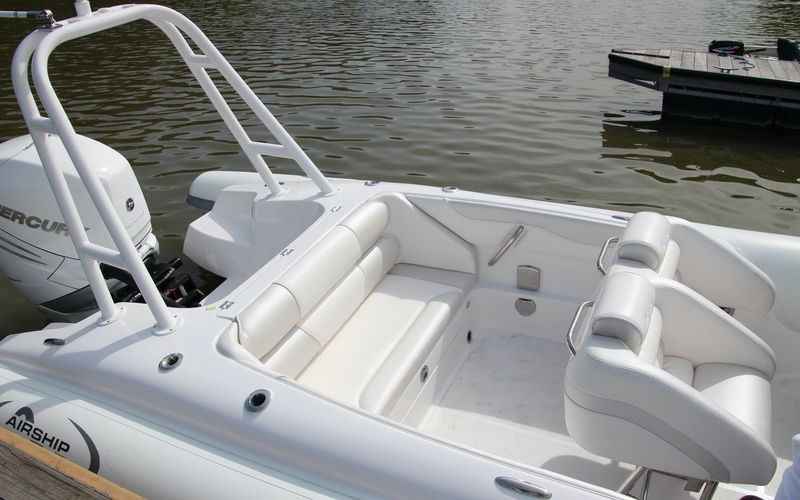
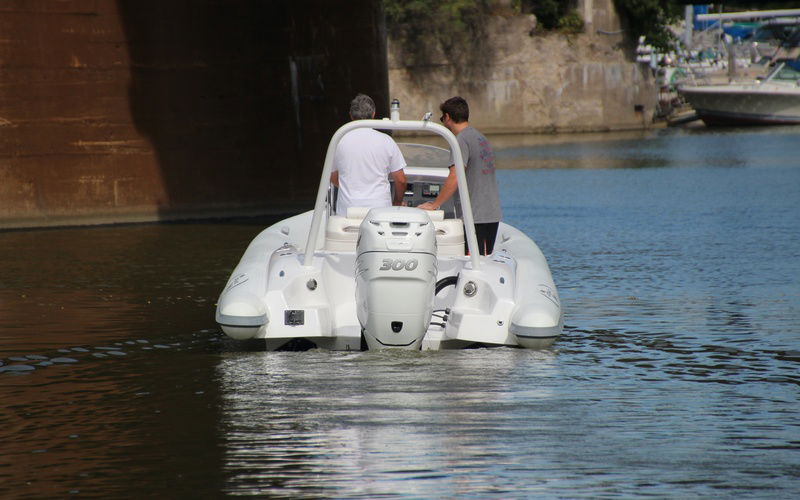
Images have been gathered from various sources and belong to their respective owners.
Review - Airship Ribs 288

MarineBroker
02/04/2024, 10:00 AM
2011 Airship Ribs 288: A Practical Guide to Buying, Inspecting, and Enjoying This RIB
If you’re looking at a 2011 Airship Ribs 288, chances are you’re trying to answer a few important questions before making a move. Is it still a solid boat for the money? What should you check before buying? And how do you know whether a used RIB like this is a smart choice or a project in disguise?
That’s the real challenge with any used rigid inflatable boat: on paper, it can look like a great deal, but the condition of the tubes, hull, engine, and trailer can tell a very different story. A well-kept 2011 Airship Ribs 288 can be a fun, capable, and practical boat for day trips, tender use, or light family cruising. But if maintenance has been neglected, even a decent-looking RIB can quickly become expensive.
The good news is that most of the common issues are easy to spot once you know what to look for. In this guide, we’ll walk through the key things to inspect, how to evaluate value, and what practical steps can help you avoid costly mistakes. If you’re considering a 2011 Airship Ribs 288, this is the kind of checklist that can save you time, money, and a lot of frustration.
- What Makes the 2011 Airship Ribs 288 Worth Considering
The 2011 Airship Ribs 288 sits in a category that appeals to boaters who want something compact, lightweight, and versatile. Boats in this size range are often easier to trailer, launch, store, and maintain than larger center consoles or cabin boats.
That convenience is a big reason many buyers look at smaller RIBs. They can be used for quick harbor runs, fishing trips, beach hopping, or as a tender for a larger yacht. For people with limited dock space or a smaller towing vehicle, the size alone can be a major advantage.
A boat like this also tends to have lower operating costs than bigger fiberglass boats. Less fuel, simpler systems, and easier handling can make ownership more approachable. Still, the key is not just the model itself, but how the specific boat has been cared for over time.
- The Main Problem Buyers Face With Used RIBs
The biggest issue with a used RIB is uncertainty. Unlike a brand-new boat, you don’t know how it was stored, how often it was used, or whether the previous owner stayed ahead of routine maintenance.
With a 2011 Airship Ribs 288, the most common concerns usually include:
- Tube wear or UV damage
- Leaks around seams or valves
- Hull scratches, repairs, or hidden damage
- Engine hours and service history
- Trailer corrosion or worn bearings
- Electrical issues from age or exposure
These problems don’t always show up in photos. A clean listing can still hide tired tubes or a motor that’s overdue for service. That’s why the smartest buyers treat the purchase like an inspection process, not just a price comparison.
- How to Inspect a 2011 Airship Ribs 288 Before You Buy
A careful inspection is the best way to separate a good boat from a risky one. You don’t need to be a marine surveyor to catch the obvious warning signs, but you do need to slow down and check every major system.
Start with the overall impression. A boat that looks clean, organized, and well-kept usually reflects better ownership habits. That said, cosmetics only tell part of the story.
- Check the Tubes Carefully
The tubes are one of the most important parts of any RIB. On a boat from 2011, age and sun exposure matter a lot, especially if the boat has lived outdoors.
Look for:
- Fading or chalky surfaces
- Cracks around seams or glued joints
- Patches or repairs
- Soft spots or uneven inflation
- Leaking valves
- Signs of dry rot or delamination
If the tubes lose air quickly, that’s a red flag. Small pressure loss can be normal over time, but noticeable deflation usually means there’s a leak somewhere.
Run your hand along the material and look closely at high-stress areas like seams, transom junctions, and around fittings. If the tubes are hypalon or a similar high-quality material, they may age well, but they still need proper care.
- Inspect the Hull and Transom
The hull should feel solid, with no unusual flexing or soft spots. On a smaller boat like the 2011 Airship Ribs 288, hidden damage is less common than on larger boats, but impact marks still matter.
Check for:
- Deep scrapes or gouges
- Evidence of grounding
- Cracks near the transom
- Stress fractures around fittings
- Previous repairs that look uneven or poorly matched
The transom is especially important because it supports the engine. Any sign of movement, separation, or softening should be taken seriously. If the outboard has been bouncing around on a weak transom, you may be looking at a bigger repair than expected.
- Review the Engine History
The engine is often the most expensive part of the package, so don’t guess here. Ask for service records, maintenance receipts, and engine-hour information if available.
You want to know:
- When the last service was performed
- Whether the impeller has been replaced regularly
- If the oil and gear lube were changed on schedule
- Whether the engine starts cold and idles properly
- How it performs at wide-open throttle
- Whether there are warning lights or alarms
A sea trial is extremely helpful. The engine should start quickly, shift smoothly, and run without hesitation. If it struggles to idle or has trouble reaching normal operating temperature, that can indicate deeper issues.
For a boat of this age, regular maintenance matters more than low hours alone. A well-serviced engine with moderate hours is often a better buy than a low-hour engine that sat unused for years.
- Don’t Ignore the Trailer
Many buyers focus on the boat and forget the trailer, but that can be a costly mistake. A neglected trailer can turn a good purchase into a headache fast.
Inspect the trailer for:
- Rust on the frame and bunks
- Worn tires or dry rot
- Corroded wiring and lights
- Grease condition in wheel bearings
- Winch operation
- Brake function, if equipped
If the trailer is saltwater-used and not properly rinsed, corrosion can spread quickly. Tires older than five or six years may look fine but can still fail unexpectedly. If you plan to tow the 2011 Airship Ribs 288 often, the trailer should be in dependable shape.
- Understand the Real-World Use Case
One of the best ways to decide whether this boat is right for you is to think about how you’ll actually use it. A compact RIB is not a one-size-fits-all solution, but it can be perfect for certain boating styles.
This type of boat is usually a good fit if you want:
- Easy launch and retrieval
- A lightweight boat for short trips
- Simple maintenance
- Good stability for its size
- A tender or runabout for calm to moderate waters
It may be less ideal if you need:
- Overnight comfort
- Large storage space
- Long-range cruising capability
- Heavy-duty offshore performance in rough conditions
Matching the boat to your needs is one of the smartest ways to avoid buyer’s remorse. The 2011 Airship Ribs 288 can be a great choice, but only if its size and setup fit your boating goals.
- Common Red Flags That Should Make You Pause
When shopping for a used RIB, some warning signs are easy to overlook because the boat still “looks good enough.” But a few signs should make you slow down or walk away.
Be cautious if you notice:
1. Fresh paint or cosmetic touch-ups hiding repairs
2. Missing service records with a high-price asking point
3. Strong fuel smell, oil leaks, or corrosion around the engine
4. Tubes that won’t hold pressure overnight
5. A trailer that looks worse than the boat itself
6. Seller reluctance to allow a sea trial or inspection
7. Visible transom movement when the engine is trimmed or pushed
One or two minor issues are normal on an older boat. But multiple red flags together usually mean the boat has been deferred-maintenance heavy, which can get expensive fast.
- How to Judge Value Without Overpaying
Pricing a used RIB is part research and part common sense. The asking price should reflect the boat’s condition, engine health, trailer quality, and any upgrades or repairs.
A clean 2011 Airship Ribs 288 with a well-maintained engine and solid trailer may justify a stronger price than a similar boat with unknown history. But if the boat needs tube work, engine service, and trailer attention, those costs should be subtracted from the asking price.
A simple way to think about value is this:
- Excellent condition: clean tubes, strong engine, good trailer, complete records
- Fair condition: usable boat with some cosmetic wear and minor maintenance needs
- Poor condition: uncertain engine history, tube issues, corrosion, or repair needs
Always budget for post-purchase expenses. Even a good used boat may need filters, fluids, impellers, batteries, or safety gear. That cushion helps you avoid surprise costs after the sale.
- Best Practices for Maintaining a 2011 Airship Ribs 288
If you buy the boat, keeping it in good shape is mostly about consistency. Small RIBs reward owners who stay ahead of basic care.
Here are the key maintenance habits:
- Rinse the boat and trailer after saltwater use
- Keep the tubes clean and protected from UV exposure
- Check inflation pressure regularly
- Service the engine on schedule
- Inspect fuel lines and electrical connections
- Store the boat under cover when possible
- Grease trailer bearings and inspect tires often
UV protection is especially important for inflatable tubes. Sun exposure can age the material faster than normal use. Even simple habits like using a cover or storing the boat out of direct sunlight can extend the life of the tubes.
The engine also benefits from regular use. Boats that sit for long periods often develop fuel and battery issues, so occasional operation is better than long idle stretches.
- What to Ask the Seller Before You Commit
Good questions can reveal a lot before you spend time on a full inspection. A knowledgeable seller should be able to answer clearly and honestly.
Ask about:
- How long they’ve owned the boat
- Where it has been stored
- Whether it’s been used in saltwater or freshwater
- Last engine service date
- Any repairs to tubes, hull, or trailer
- Why they’re selling it
- Whether all accessories are included
If the answers are vague or inconsistent, that’s useful information too. A straightforward seller usually makes the process much easier.
- When a Marine Survey Makes Sense
For a boat this age, a survey can be a smart investment if you’re serious about buying. It’s especially helpful if the boat is priced near the top of the market or if there are signs of wear that you want professionally evaluated.
A survey can help confirm:
- Structural condition
- Engine performance
- Safety equipment status
- Trailer condition
- Approximate repair needs
Even if you know a lot about boats, a second set of trained eyes can catch things you miss. That’s especially true on used RIBs, where age-related wear can be subtle at first glance.
- Why the 2011 Airship Ribs 288 Still Appeals to Buyers
Older boats aren’t automatically bad buys. In fact, many used RIBs remain attractive because they offer a practical boating experience without the cost of a new vessel.
The 2011 Airship Ribs 288 appeals to buyers who value:
- Simplicity
- Manageable size
- Easy trailering
- Flexible use
- Lower ownership costs than larger boats
If the boat has been maintained properly, it can still deliver a lot of value. The key is to focus on condition, not just age. A well-kept 2011 boat can be far more useful than a newer one that has been neglected.
- A Simple Buyer's Checklist
Before you make an offer, run through this quick checklist:
- Inspect the tubes for leaks, wear, and repairs
- Check hull condition and transom strength
- Review engine service records
- Test-start the engine and, if possible, sea trial it
- Inspect trailer tires, bearings, lights, and rust
- Ask about storage history and previous use
- Budget for immediate maintenance after purchase
This checklist won’t eliminate every risk, but it will help you make a much more informed decision.
The 2011 Airship Ribs 288 can be a smart and enjoyable boat if it has been cared for properly. The biggest mistake buyers make is focusing only on the listing price and not on the real condition of the boat. By inspecting the tubes, checking the engine, reviewing the trailer, and asking the right questions, you can avoid the common traps that catch many used-boat shoppers. If you’re serious about this model, take your time, compare condition carefully, and don’t be afraid to walk away from a boat that doesn’t feel right. A little patience now can lead to a much better boating experience later.
Specifications
General
Boat Type: Power Boats
Class Type: Centre Console
Specifications
Length: 28.67
Beam: 8.5
Draft: 1.97
Hull Material: GRP
Build
First Built: 2011
Propulsion
Fuel Type: Unleaded
Engines: 1
Power: 400 HP
Brand: Unknown
Accomodation
PROS & CONS
What we appreciated
 Lightweight and easy to handle due to rib constructionGood stability and safety with inflatable tubesVersatile for various activities like fishing, diving, and leisureFuel-efficient with smaller engine optionsDurable hull design suitable for different water conditions
What we didn’t appreciate
 Limited onboard storage spaceCan be less comfortable in rough seas compared to larger boatsBasic amenities, usually minimal seating and shelterRequires regular maintenance of inflatable tubesOlder model (2011) might lack modern electronics and features
Upkeep Costs
Fuel: Approximately $2,000 - $4,000 per year depending on usage
Maintenance and Repairs: $1,000 - $3,000 per year
Storage: $500 - $2,000 per year depending on location and type
Insurance: $300 - $800 per year
Registration and Licensing: $100 - $300 per year

Rating
5.8
User
Score
Score
Driveability
Technology
Interior
Design
Similar Boats


MarineBroker
Download now for an immersive boat experience like never before! ⛵✨ Your journey begins with a simple click. 🌊📲
#SetSailSmart #DownloadNow
#SetSailSmart #DownloadNow

Subscribe
Copyright 2017 - 2026, Marinebroker.net, All Rights Reserved